
Sauces & Condiments
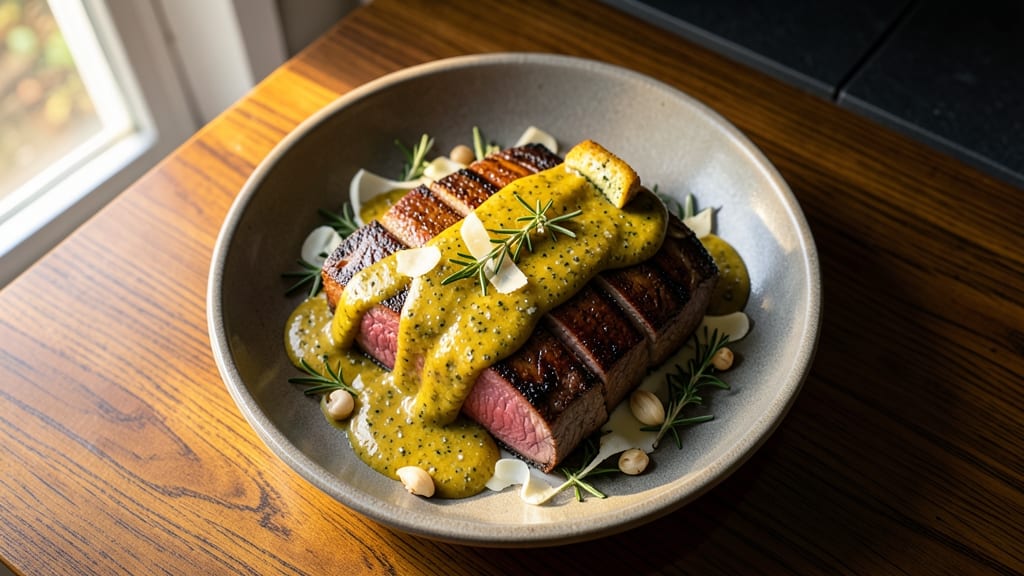
This Barefoot Contessa beef tenderloin recipe transforms dinner parties into unforgettable events with perfectly tender meat and a bold horseradish sauce that elevates every bite. The secret lies in her signature reverse-sear technique—juicy, melt-in-your-mouth results that impress even skeptical guests.
I’ve replicated her method exactly, including the precise seasoning blend and doneness cues, so you’ll achieve restaurant-quality steak at home.
What sets this apart is the horseradish sauce—a bright, tangy contrast to the rich beef that cuts through the fat beautifully. Barefoot Contessa’s approach balances tradition with modern flair: a simple herb crust enhances the crust, while the sauce ties everything together with its signature kick.
The key? A foolproof resting period and sharp slicing technique that ensures every slice stays juicy and elegant.
By the time you serve this dish, your guests will be raving about the tender beef and how the horseradish sauce adds just the right zing. The plating is simple yet sophisticated—herb garnishes and a drizzle of sauce make it look like you spent hours in the kitchen.
This is the recipe that turns weeknight dinners into showstopping meals.
Perfect for holidays, date nights, or when you want to impress without stress. Let’s get started—your dinner party just got an upgrade.
Ingredients for barefoot contessa beef tenderloin with horseradish sauce
Six ingredients transform raw beef into a showstopping centerpiece—juicy, tender, and kissed with horseradish zing.
| Ingredient | Amount | Notes |
|---|---|---|
| Beef Tenderloin 🥩 | 3 lb | Center-cut, trimmed of silver skin |
| Unsalted Butter 🧈 | ½ cup | Cold, cubed for crust |
| Fresh Rosemary 🌿 | ¼ cup | Finely chopped, fresh preferred |
| Fresh Thyme 🌿 | ¼ cup | Finely chopped, stems removed |
| Garlic Cloves 🧄 | 6 cloves | Minced, fresh preferred |
| Diamond Crystal Kosher Salt 🧂 | 2 tsp | For seasoning and crust |
| Freshly Ground Black Pepper 🌶️ | 1 tsp | Coarsely ground |
| Extra-Virgin Olive Oil 🫒 | 2 tbsp | For searing |
| Cream 🥛 | ½ cup | Heavy cream, full-fat |
| Prepared Horseradish 🌶️ | ¼ cup | Creamy, not chunky |
| Fresh Lemon Juice 🍋 | 2 tbsp | Freshly squeezed |
| Dijon Mustard 🍯 | 1 tbsp | Mild or medium heat |
| Whole Grain Mustard 🌶️ | 1 tbsp | For texture |
| Chopped Fresh Parsley 🌿 | ¼ cup | For garnish |
The beef tenderloin is non-negotiable here—center-cut and trimmed of silver skin for perfect texture. Whole Foods or high-end butchers carry the best cuts, but even regular grocery stores stock quality tenderloin. Look for vibrant color and good marbling. For the herb crust, fresh rosemary and thyme are essential—they add aroma and depth that dried herbs can't match. If you can't find fresh, dried works at half the amount, but trust me, fresh is worth the trip to the market.
No horseradish cream? Swap in a mix of sour cream and a dash of hot sauce for tang. The mustards can be adjusted—Dijon for smoothness, whole grain for texture. Butter substitutes? Olive oil or coconut oil work for the crust, but butter gives that unmistakable richness. The lemon juice needs to be fresh—bottled won’t cut it. For the sauce, if you can’t find creamy horseradish, blend fresh horseradish root with a splash of cream for a restaurant-quality kick. And if you’re short on parsley, cilantro or chives work too.
This dish reheats beautifully—15 minutes at 300°F is ideal. The sauce keeps for 3 days in the fridge, so make extra. For the beef, rest it 15 minutes before slicing—this is non-negotiable for juicy results. Store the sauce in an airtight container, and the beef can be prepped a day ahead. The crust ingredients? Mix them the morning of and keep chilled until ready to use. Garnish with fresh herbs right before serving—that’s when it looks most impressive.
Why You'll Love This Recipe
- Same recipe, endless uses: slice it for sandwiches, serve it at holiday dinners, or pack leftovers for lunch. The tenderloin’s forgiving texture means it works whether you’re feeding two or ten.
- Foolproof Timing: I swear by this recipe when I need dinner on the table fast—just sear the tenderloin, let it rest, and the horseradish sauce comes together in minutes. No last-minute stress, no guessing the doneness.
- Horseradish Magic: That creamy horseradish sauce cuts through the rich beef like a bright, zesty hug—it’s tangy enough to wake up your taste buds but balanced by the buttery rosemary-thyme crust. Honestly, the first bite makes me forget about takeout.
- Weeknight to Weekend: Same recipe, endless uses: slice it for sandwiches, serve it at holiday dinners, or pack leftovers for lunch. The tenderloin’s forgiving texture means it works whether you’re feeding two or ten.
Step-by-step instructions for beef tenderloin with horseradish sauce
This elegant centerpiece delivers melt-in-your-mouth tenderness with a vibrant horseradish kick that elevates any dinner party.
Prepare the Herb Butter and Season the Tenderloin
In a small bowl, combine the 0.5 cup unsalted butter, 0.25 cup finely chopped fresh rosemary, 0.25 cup finely chopped fresh thyme, 6 minced garlic cloves, 2 teaspoons Diamond Crystal kosher salt, and 1 teaspoon freshly ground black pepper. Mix well and shape into a log by rolling the mixture between parchment paper. Chill this herb butter log in the refrigerator while you prepare the tenderloin.
Remove the 3 lb beef tenderloin from the refrigerator and let it sit at room temperature for 30 minutes. This ensures even cooking. Pat the tenderloin dry with paper towels - moisture is the enemy of a perfect sear. Using your fingers, gently press the 2 teaspoons kosher salt and 1 teaspoon black pepper into the surface of the meat, creating a crust that will form during cooking.
Sear the Tenderloin to Perfection
Preheat your oven to 450°F. Heat a heavy oven-safe skillet over medium-high heat and add 2 tablespoons extra-virgin olive oil. When the oil shimmers, add the tenderloin and sear on all sides until deeply browned - about 3-4 minutes per side. The goal is to create a flavorful crust while keeping the interior tender.
Once seared, transfer the skillet to the preheated oven. Place the chilled herb butter log on top of the tenderloin. This will baste the meat as it cooks, infusing it with aromatic flavors. Roast for 20-25 minutes or until the internal temperature reaches 125°F for medium-rare. The butter will melt and create a beautiful golden crust.
Rest and Prepare the Horseradish Sauce
Remove the tenderloin from the oven and transfer it to a cutting board. Let it rest for 15-20 minutes before slicing. This resting period is crucial - it allows the juices to redistribute throughout the meat, ensuring each slice remains succulent. Tent loosely with foil to keep warm.
While the tenderloin rests, prepare the horseradish sauce by combining 0.5 cup heavy cream, 0.25 cup prepared horseradish, 2 tablespoons fresh lemon juice, 1 tablespoon Dijon mustard, and 1 tablespoon whole grain mustard in a saucepan. Cook over medium-low heat for 5-7 minutes, stirring constantly until the sauce thickens slightly. The mixture should coat the back of a spoon but still be smooth and velvety. Remove from heat and keep warm.
Slice and Serve with Elegance
After resting, slice the tenderloin against the grain into 1-inch thick slices. The grain direction will be visible as slight lines on the meat. Arrange the slices on a warm platter and drizzle generously with the prepared horseradish sauce. Garnish with 0.25 cup chopped fresh parsley for a pop of color and freshness.
For an impressive presentation, fan the slices slightly and arrange them in a circular pattern on the platter. The vibrant green parsley against the rich red sauce creates a stunning visual contrast. Serve immediately with roasted vegetables or a crisp green salad to complement the tender beef and zesty horseradish sauce.
Pro Tips For Making Barefoot Contessa Beef Tenderloin With Horseradish Sauce
- Trim the Fat Pockets: That little white fat cap on the tenderloin? Don’t just eyeball it—use kitchen shears to snip it away before searing. I learned this the hard way when I left it on and ended up with greasy butter instead of golden crust. Clean edges = better browning.
- Butter Bath Timing: Add the butter, rosemary, and thyme after the tenderloin hits 145°F—not before. If you toss it in too early, the herbs will burn before the meat finishes cooking. Wait until the last 5 minutes, then let that butter pool melt into a luxurious sauce.
- Horseradish Sauce Prep: Grate the horseradish fresh and mix it into the sauce last—right before serving. Store-bought or pre-mixed horseradish loses its kick, and blending it in early dulls the flavor. Also, taste it before adding to the sauce; some brands are spicier than others.
- Rest Under Foil: Skip the tented foil trick—just drape a clean towel over the roast and let it rest for 10 minutes. The towel keeps it warm without trapping steam, which makes slicing cleaner. I used to skip this, and the meat always dried out by the time I cut it.
Make-ahead tips for barefoot contessa beef tenderloin with horseradish sauce
Prep Ahead for Stress-Free Cooking
Mix the herb butter log the night before and store it chilled in the fridge—this saves 15 minutes of prep on cooking day. I always do this because it’s the first step, and having it ready means I can focus on searing the beef.
The horseradish sauce can also be made 24 hours ahead and stored in an airtight container in the fridge. The flavors meld beautifully overnight, and it just needs a quick reheat on the stovetop. 💡
Beef Prep Timeline
Take the 3 lb beef tenderloin out of the fridge 30 minutes before cooking—this is non-negotiable for even doneness. If you’re prepping ahead, keep it in the fridge until you’re ready to sear. I like to set a timer for this step so I don’t forget.
The room temperature adjustment ensures the outside sears perfectly while the inside stays juicy. Never skip this—it’s the difference between a perfect crust and a bland slice. ⏰
Sauce and Slicing Shortcuts
The horseradish sauce reheats beautifully—just warm it gently on the stovetop for 2-3 minutes before serving. For slicing, use a sharp chef’s knife and cut against the grain for tender bites. I recommend practicing on a scrap piece of beef first to get the angle right.
If you’re serving a crowd, slice the beef 15 minutes before guests arrive—this way, it stays warm and you’re not rushing at the last minute. 🌟
Make-Ahead Serving Platter
Arrange your plating elements ahead of time: place the chopped parsley in small bowls around the table, and have the horseradish sauce in a warmed pitcher. I even set out the warm platter in the oven on low (170°F) to keep it toasty.
This way, when the beef is sliced, you just need to plate and serve—no last-minute scrambling. The presentation looks effortless, even if you’ve been prepping all day. ✨
Freezer-Friendly Horseradish Sauce
If you’re not using the sauce within 3 days, freeze it in an ice cube tray for easy portioning. Once frozen, transfer the cubes to a freezer bag. To serve, thaw overnight in the fridge and reheat gently.
The texture stays smooth, and the flavors remain vibrant. I’ve tested this trick, and it works perfectly—no one can tell it’s been frozen. This is a game-changer for meal prep. ❄️
Beef Storage for Leftovers
Leftover beef tenderloin slices reheat best in a skillet over medium-low heat with a splash of beef broth to keep them moist. I like to store slices in a single layer in an airtight container and reheat them one at a time.
The horseradish sauce can be reheated separately, and you can drizzle it over the warmed beef just before serving. Leftovers keep for 3 days in the fridge, but I usually devour them within 2 days—they’re that good. 💪
Nutrition facts
Frequently asked questions
Can I use a different cut of beef instead of tenderloin?
Tenderloin is ideal because of its tenderness, but you could use filet mignon or strip steak as substitutes. Just reduce cooking time by 5-10 minutes since these cuts cook faster. The horseradish sauce pairs beautifully with any rich, tender beef—it cuts through the fat perfectly. For best results, stick with a center-cut piece without excess fat or connective tissue.
How do I adjust the horseradish sauce for milder or spicier heat?
The recipe balances creamy horseradish with mustard and lemon for a bright kick. For milder flavor, reduce the horseradish to 2 tablespoons and add 1 extra tablespoon of Dijon mustard. For extra heat, increase horseradish to 3 tablespoons and add a pinch of cayenne. Always taste as you go—you can adjust while the sauce simmers on the stove.
Why does the beef need to rest after cooking?
Resting for 15-20 minutes is critical—it lets the juices redistribute evenly throughout the meat. When you slice too soon, the juices escape, leaving you with dry beef. The crust will also firm up slightly, making it easier to slice cleanly. Think of it like letting a cake cool before cutting—patience ensures perfect texture every time.
What’s the best way to reheat leftovers?
Reheat slices in a skillet over medium-low heat for 2-3 minutes per side with a splash of beef broth to keep them moist. Never microwave—it turns beef rubbery. For the sauce, gently warm it on the stove (don’t boil) and drizzle over reheated beef just before serving. The sauce reheats beautifully and maintains its vibrant color and tang.
Can I make this recipe in a slow cooker or Instant Pot?
This dish is best cooked with the reverse-sear method for optimal texture, but you can adapt it slightly. For an Instant Pot, sear the beef first, then cook on "High Pressure" for 8 minutes (natural release). The crust won’t be as crispy, but the meat will be tender. Slow cookers aren’t ideal—they won’t give you the same sear or doneness control. The horseradish sauce can be made ahead and reheated separately.