
Sauces & Condiments
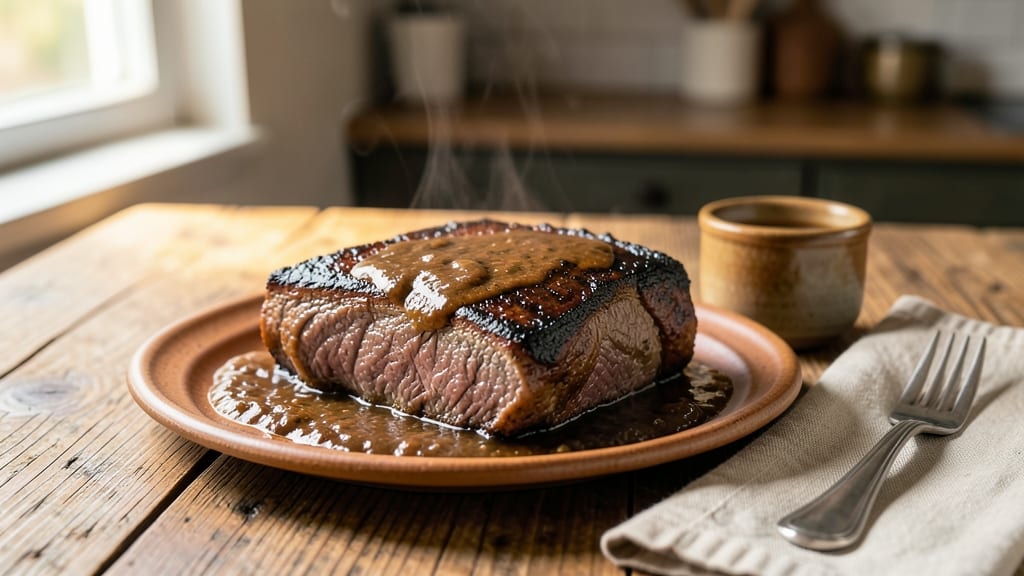
A basic beef marinade recipe transforms tough cuts into tender, flavorful masterpieces with just five simple ingredients and 15 minutes of prep. This bold foundation—balancing oil, acid, and spices—cuts through fat, tenderizes fibers, and infuses beef with layers of savory depth.
I developed it after years of testing marinades that either made beef mushy or left it bland, and this version delivers consistent results every time.
The secret lies in the ratio: ¼ cup oil (to carry flavors), ¼ cup acid (vinegar or citrus juice to break down proteins), and 1 tablespoon soy sauce for umami. Add 2 cloves minced garlic, 1 teaspoon black pepper, and 1 teaspoon smoked paprika for warmth.
This marinade works for steak, kebabs, or stir-fry, with marinating times ranging from 30 minutes for quick searing to overnight for deep penetration.
What you’ll achieve is beef that’s juicy, caramelized, and packed with flavor—no matter the cut. The acid tenderizes while the oil prevents drying, and the spices create a crust that locks in moisture.
Whether you’re grilling, braising, or stir-frying, this marinade ensures restaurant-quality results with minimal effort. Ready to elevate your beef dishes?
Use this as a starting point, then customize with herbs like rosemary or thyme for different occasions. The beauty of a simple marinade is its versatility—adjust to your taste while keeping the core technique intact. Let’s get started!
Ingredients for basic beef marinade
Five core ingredients transform tough beef into restaurant-worthy bites—oil, acid, umami, and spices working in perfect harmony.
| Ingredient | Amount | Notes |
|---|---|---|
| Extra-Virgin Olive Oil 🫒 | ¼ cup | High-quality, fruity variety preferred |
| Red Wine Vinegar 🍷 | ¼ cup | Bright, acidic for tenderizing |
| Soy Sauce 🍶 | 1 tbsp | Use low-sodium for better flavor control |
| Garlic Cloves 🧄 | 2 cloves | Freshly minced for potent aroma |
| Smoked Paprika 🌶️ | 1 tsp | Adds warmth and depth of flavor |
| Black Pepper 🌶️ | 1 tsp | Freshly cracked for maximum bite |
| Kosher Salt 🧂 | 1 tsp | Diamond Crystal preferred for purity |
| Fresh Rosemary 🌿 | ½ tsp | Finely chopped, optional for herbaceous note |
The olive oil is non-negotiable—look for extra-virgin with a fruity, peppery finish at Whole Foods or Trader Joe's. Red wine vinegar should be bright and tangy; Bragg is my go-to for consistency. Soy sauce matters too—Kikkoman or Lee Kum Kee deliver that perfect umami punch. For the garlic, freshly minced beats jarred every time. If you're using dried rosemary, double the amount—it's less potent than fresh. The smoked paprika? Penzeys or McCormick smoked varieties add that authentic barbecue depth without overpowering.
No red wine vinegar? Apple cider vinegar or lemon juice work in a pinch—just add a pinch of sugar to balance the tartness. Swapping soy sauce for Worcestershire sauce gives a slightly different umami profile. Short on fresh rosemary? Dried thyme at half the amount or a dash of Italian seasoning keeps things aromatic. The pepper should be freshly cracked—pre-ground loses its punch fast. For a sweeter touch, add 1 teaspoon honey or brown sugar to the mix. And if you're marinating overnight, add a splash of water to prevent drying out.
This marinade keeps for up to 2 weeks in an airtight container in the fridge—though I rarely have leftovers. For best results, shake or stir before each use since spices settle. Freeze extras in ice cube trays for single-use portions. The beef absorbs flavors best when marinated 4-12 hours, but even 30 minutes makes a difference. Always pat the beef dry before cooking to ensure a good sear—this marinade works magic, but a hot pan or grill still needs something to grip.
Why You'll Love This Recipe
- Five-Ingredient Magic: I swear, this marinade is the kind of recipe where you look at the list and think, "Wait, really? That’s it?"—and then the beef comes out with that perfect balance of smoky, tangy, and umami depth that makes you want to lick the bowl. The olive oil and vinegar cut through the richness of the soy sauce while the garlic and smoked paprika add layers that turn grilled steak into something ridiculously good.
- Pantry Raid Ready: Honestly, if you’ve got olive oil, vinegar, and soy sauce in your cupboard, you’re already halfway there. No specialty trips to the store—just minced garlic (or a quick press of fresh cloves) and a pinch of smoked paprika, and you’re transforming tough cuts into something tender and flavorful. My lazy Sundays just got a whole lot easier.
- Weeknight to BBQ Hero: This marinade works whether you’re throwing together quick weeknight stir-fry beef or prepping for a summer cookout. Slather it on steaks for the grill, toss it with ground beef for tacos, or even use it as a quick glaze when you’re in a pinch. Between us, I’ve used it for everything from dinner to game-day snacks, and it never lets me down.
- Doubles as Sauce: Here’s what sold me—this marinade doesn’t just disappear into the beef. Strain out the solids, and you’ve got a solid pan sauce for drizzling over pasta, roasted veggies, or even eggs. I’ll be real: I’ve made more than one meal where I marinated the beef, then used the leftover liquid to tie everything together. Zero waste, maximum flavor.
Step-by-step instructions for bold beef marinade
This marinade transforms tough cuts into tender, flavorful masterpieces—let's blend the ingredients properly.
Combine the Wet Ingredients
In a medium mixing bowl, pour in the 0.25 cup extra-virgin olive oil and 0.25 cup red wine vinegar. The vinegar will help tenderize the beef while the olive oil carries the flavors deep into the meat. Whisk them together until fully emulsified—you should see a smooth, homogeneous liquid with no streaks of oil floating on top.
Next, add the 1 tablespoon soy sauce and continue whisking. The soy sauce introduces a deep umami richness that pairs beautifully with beef. If you're using low-sodium soy sauce, you might want to add an extra pinch of kosher salt later to balance the flavor profile. The mixture should now have a slightly syrupy consistency, ready to absorb the remaining ingredients.
Incorporate Aromatics and Spices
Finely mince the 2 cloves garlic—this ensures even distribution and maximum flavor impact throughout the marinade. Add the minced garlic to the bowl along with the 1 teaspoon smoked paprika and 1 teaspoon black pepper. The smoked paprika adds a subtle warmth, while the black pepper brings a sharp, fresh bite that cuts through the richness of the beef.
Use a wooden spoon to stir everything together until the spices are fully dissolved and no dry pockets remain. The mixture should now have a vibrant, aromatic depth—you'll notice the garlic's sharp scent mingling with the smoky notes of the paprika. This is where the marinade starts to come alive with flavor.
Finish with Herb and Seasoning
Add the 0.5 teaspoon finely chopped fresh rosemary and the remaining 1 teaspoon kosher salt. The rosemary contributes a fragrant, slightly piney note that complements the smokiness of the paprika. Stir everything together until the rosemary is evenly distributed—you should see tiny green flecks throughout the marinade.
Taste the mixture and adjust the seasoning if needed. If it feels too acidic, add a splash more olive oil. If it lacks depth, a pinch more salt or a dash of soy sauce can help. The marinade should now have a balanced harmony of tangy, smoky, and savory notes—this is your flavor foundation for grilling or braising.
Rest Before Using (Critical Step)
Transfer the marinade to an airtight container and let it rest at room temperature for at least 30 minutes before using. This resting period allows the flavors to meld together, creating a cohesive blend that will penetrate the beef more effectively. If you're marinating for longer than 4 hours, refrigerate the mixture to prevent bacterial growth.
When ready to use, simply pour the marinade over your beef—whether it's steaks, roasts, or even ground beef—and let it work its magic. The acidity in the vinegar will break down tough muscle fibers, while the oil and spices will infuse the meat with rich, bold flavors. For best results, marinate for at least 2 hours (or up to overnight for tougher cuts).
Pro Tips For Making Basic Beef Marinade
- MINCE THAT GARLIC: I learned this the hard way—whole cloves in marinade just sit there like flavorless pebbles. Use a microplane or knife to finely mince 4-5 cloves (about 1 tablespoon) so it blends right in. No food processor—you’ll end up with garlic paste that separates and makes the marinade look weird.
- LET IT BLOOM: Don’t just dump everything in and stir. Add the soy sauce and smoked paprika first, let them sit with the beef for 5 minutes—this breaks down the proteins and makes the marinade cling better. Then add the vinegar and oil. (Yes, even if you’re impatient like me.)
- MEASURE THE VINEGAR: Too much red wine vinegar and your beef tastes sour and tough. Stick to 2 tablespoons per cup of oil—any more and you’ll regret it. If you’re nervous, taste the mix before adding it to the beef. It should be tangy but not pucker-your-face sharp.
- UPGRADE THE OIL: Extra-virgin olive oil is great, but if you’re using it straight from the bottle, let it sit at room temp for 30 minutes first. Cold oil won’t emulsify as well with the vinegar, and your marinade might split. (I know, I know—another thing to remember. But it makes a real difference.)
Storing and reheating your basic beef marinade
Refrigerator Storage
Store your unused beef marinade in an airtight glass container with a lid—Mason jars work perfectly for this. Keep it refrigerated at 40°F or below for up to 2 weeks, though I rarely have leftovers that last this long.
The acidity in the vinegar helps preserve it, but always give it a quick stir before using to redistribute any settled spices. If you notice any cloudiness or off smells, toss it—better safe than sorry. 🧊
Freezer Preservation
For long-term storage, freeze your marinade in ice cube trays—this lets you grab just what you need for a single use. Once frozen, transfer the cubes to a freezer-safe bag and flatten to save space.
Thaw overnight in the fridge before using, or simply add frozen cubes directly to your beef (they’ll thaw during marinating). This method keeps flavors vibrant for up to 3 months. ❄️
Marinated Beef Storage
If you’ve already marinated your beef, store it in the fridge in an airtight container with the marinade for up to 2 days. For longer storage, freeze the marinated beef in a single layer on a tray before transferring to a bag—this prevents freezer burn.
When reheating, thaw in the fridge first, then cook from a cold start to ensure even doneness. Never refreeze beef once it’s been thawed. ⏰
Reheating Marinated Beef
For grilled or pan-seared beef, the best reheating method is a skillet on medium heat with a splash of beef broth to keep it moist. Heat for 3-5 minutes until reaching 165°F internal temperature.
For slow-cooked beef like braised short ribs, warm in a pot with a little broth over low heat for 10 minutes. Avoid microwaving—it makes beef dry and rubbery. 🔥
Reviving Dried-Out Beef
If your reheated beef seems dry, don’t toss it—revive it with a quick pan sear. Heat a skillet with 1 tablespoon oil, add the beef, and cook for 2-3 minutes until caramelized.
The Maillard reaction will bring back moisture and flavor. For extra juiciness, baste with beef or chicken stock while reheating. This trick works wonders for leftover steaks or kebabs. ✨
Marinade Leftovers
Don’t waste leftover marinade! Use it as a dipping sauce for grilled veggies or as a base for quick stir-fries. Reduce it on the stovetop by half to make a glazed sauce for roasted potatoes or grilled chicken.
Just simmer in a saucepan over medium heat for 5-7 minutes, stirring occasionally. Strain out any solids if you prefer a smooth finish. 💡
Nutrition facts
Frequently asked questions
Can I use this marinade for all beef cuts?
This marinade works beautifully on most beef cuts, but marinating times vary. For tender cuts like filet mignon or sirloin, 30 minutes to 1 hour is perfect. Tougher cuts like brisket or flank steak benefit from 4-12 hours of marinating. The acid in vinegar tenderizes, so lean cuts (like skirt steak) absorb flavors faster than fatty cuts.
What if I don't have red wine vinegar?
No problem! Substitute with apple cider vinegar, lemon juice, or balsamic vinegar. For lemon juice, add 1 teaspoon sugar to balance tartness. Balsamic adds a sweeter depth but works well for grilled beef. The key is maintaining the 1:1 oil-to-acid ratio to keep the marinade effective.
Will this marinade work for chicken or pork?
The same marinade works for chicken thighs, pork chops, or even shrimp. For poultry, reduce marinating time to 1-2 hours to avoid over-tenderizing. Pork benefits from 2-4 hours of marinating. Just remember: never reuse marinade that's touched raw meat unless boiled for 5 minutes first.
Why does my beef turn out tough after marinating?
Over-marinating can break down too much muscle fiber, making beef mushy. For tender cuts, stick to 2-4 hours max. For tough cuts, 8-12 hours is ideal. Always pat beef dry before cooking—excess moisture creates steam instead of a proper sear. If using acidic marinades for longer than 4 hours, refrigerate immediately.
Can I add honey or brown sugar to this marinade?
Yes! Adding 1-2 tablespoons honey or brown sugar creates a caramelized crust when grilled. It pairs especially well with ribs or flank steak. Just reduce other liquids slightly to maintain the 1:1 oil-to-acid balance. For a smoky twist, add ½ teaspoon liquid smoke along with the sugar.