
Main Courses
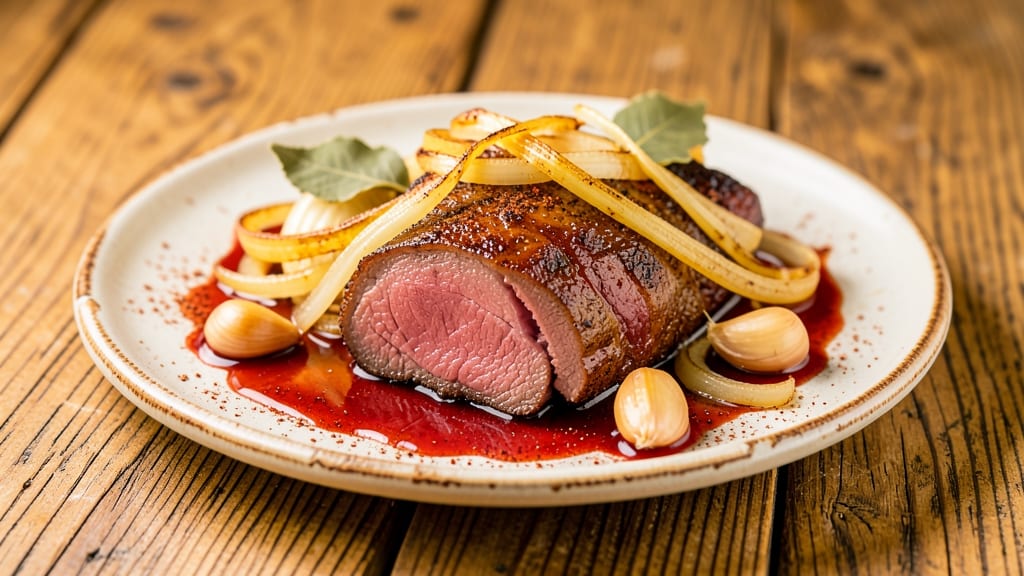
This Basque beef tongue recipe transforms tough cuts into melt-in-your-mouth perfection through slow-cooking and smoky paprika. 🔥 The traditional technique involves marinating the tongue in vinegar and spices, then braising it until tender enough to fall apart—a process that infuses deep, savory flavors into every bite.
What makes this dish special is its rich cultural roots, where Basque cuisine celebrates hearty, slow-cooked meats with bold seasonings.
The secret to success lies in patience and precise technique: first marinating the tongue to tenderize it, then slow-cooking it with aromatic peppers and onions until fork-tender.
This method ensures the meat becomes so soft it nearly dissolves, while the paprika and vinegar create a complex, slightly tangy depth that defines Basque cooking. The result is a dish that’s both rustic and refined, perfect for special occasions or when you want to impress with a showstopping centerpiece.
By the time you serve this dish, you’ll have a platter of tender, flavorful beef tongue that’s ready to be sliced and presented with traditional accompaniments like roasted peppers or crisp potatoes.
The aroma alone will draw everyone to the table, while the texture—creamy yet firm—delivers a satisfying bite that balances richness with subtle acidity. This recipe isn’t just about cooking; it’s about bringing a taste of Basque tradition to your kitchen.
Whether you’re preparing for a festive meal or simply craving a dish that feels like a labor of love, this beef tongue recipe delivers restaurant-quality results with minimal fuss.
The slow-cooking process may take time, but the reward is a meal that’s worth every moment of preparation. Let’s get started on creating something truly memorable.
Ingredients for basque beef tongue
Six aromatic ingredients transform tough beef tongue into Basque melt-in-your-mouth perfection.
| Ingredient | Amount | Notes |
|---|---|---|
| Beef Tongue 🥩 | 3 lb | Fresh, cleaned, trimmed |
| White Wine Vinegar 🍷 | 1 cup | For marinating |
| Smoked Paprika 🌶️ | 2 tbsp | High-quality for depth |
| Bay Leaves 🌿 | 4 whole | Fresh preferred |
| Garlic Cloves 🧄 | 6 cloves | Smashed for flavor |
| Yellow Onions 🧅 | 2 whole | Sliced into wedges |
| Red Bell Peppers 🌶️ | 2 whole | Sliced into strips |
| Olive Oil 🫒 | ½ cup | Extra-virgin for richness |
| Salt 🧂 | 1 ½ tbsp | Kosher or sea salt |
| Black Peppercorns 🌶️ | 1 tsp | Freshly cracked |
| Fresh Thyme 🌿 | ¼ cup | Stems removed |
| Beef Broth 💧 | 2 cups | Low-sodium preferred |
| Tomato Paste 🍅 | 2 tbsp | High-quality preferred |
The beef tongue is the star—look for bright red, firm cuts at specialty butchers or high-end grocery stores like Whole Foods or Costco. A 3-pound tongue yields about 6 servings, so adjust if feeding a crowd. Freshness matters: the tongue should smell clean, not sour. If you can't find beef tongue, pork tongue works in a pinch (though flavor differs slightly). For the paprika, Penzeys or La Boîte brands deliver that authentic smoky depth—don't skimp here. The bay leaves should be fragrant, not brittle, and the thyme should have vibrant green leaves, not brown stems.
No smoked paprika? Substitute 1 tbsp regular paprika plus 1 tsp liquid smoke for a similar effect. Running low on white wine vinegar? Apple cider vinegar works just as well. The tomato paste can be swapped for 1 cup crushed tomatoes if you prefer, though it adds moisture. For the broth, homemade is ideal, but a high-quality low-sodium store-bought version (like Pacific Foods) keeps things simple. The onions and peppers should be fresh, not wilted—they form the aromatic base. If you're short on time, frozen bell peppers (thawed) work fine, though fresh has better texture.
Marinate the tongue for at least 24 hours—this isn't a step to rush. Store the marinade in the fridge in an airtight container, and flip the tongue halfway for even tenderizing. The cooked tongue keeps 3-4 days in the fridge, sealed tightly to retain moisture. For longer storage, freeze for up to 3 months—thaw overnight in the fridge before slicing. Leftovers reheat beautifully: 350°F for 20 minutes with a splash of broth keeps them juicy. Serve with roasted potatoes or grilled peppers for a complete Basque feast.
Why You'll Love This Recipe
- I’ll be real: this is my go-to for game day, potlucks, or when I’m too tired to think. Slice it thin for tapas, serve it cold on bread for a picnic, or reheat leftovers in a flash. It’s the kind of dish that works everywhere—no excuses.
- One-Pot Magic: Between us, this recipe is that rare thing—a dish where you toss everything in one pot and walk away. The vinegar and paprika do most of the work while you sip wine (or tea, no judgment) and pretend you’re not cooking.
- Smoky, Tangy Bliss: That crispy exterior? The garlic and bay leaves simmering in the vinegar? Honestly, it’s the kind of flavor that makes you forget you’re eating something that sounds fancy. The smoked paprika adds this deep, earthy warmth that lingers—like a hug from a Basque grandmother.
- Party or Pantry: I’ll be real: this is my go-to for game day, potlucks, or when I’m too tired to think. Slice it thin for tapas, serve it cold on bread for a picnic, or reheat leftovers in a flash. It’s the kind of dish that works everywhere—no excuses.
Step-by-step instructions for Basque beef tongue
Transform tough beef tongue into melt-in-your-mouth tenderness using this time-tested Basque method.
👨🍳 Step 1: Prepare and Marinate the Tongue
Start by scoring the surface of the 3 lb beef tongue in a crosshatch pattern using a sharp knife—this helps tenderize the meat and allows flavors to penetrate deeper. Place the tongue in a large bowl and pour over the 1 cup white wine vinegar, ensuring it's completely submerged. Add 1.5 tbsp salt, 1 tsp black peppercorns, and 2 tbsp smoked paprika, pressing the spices into the meat. Cover and refrigerate for 24 hours, turning the tongue occasionally. This marinade breaks down tough fibers and infuses the meat with rich, smoky depth.
After marinating, remove the tongue and rinse it thoroughly under cold water to remove any excess acid. This step is crucial—it prevents the vinegar from making the meat too tangy. Pat the tongue dry with paper towels and set it aside until ready to cook. The marinade should leave the surface slightly sticky, indicating proper absorption of the flavors.
🔥 Step 2: Sear and Build the Flavor Base
Preheat your oven to 325°F. Heat 0.5 cup olive oil in a large Dutch oven over medium-high heat. Once shimmering, add the 2 whole yellow onions and 2 whole red bell peppers, sliced into large chunks. Sauté for 8-10 minutes until the onions soften and the peppers begin to blister. Add the 6 cloves garlic cloves (smashed) and 0.25 cup fresh thyme, cooking for another 2 minutes until fragrant. This aromatic base forms the flavor foundation for the dish.
Carefully remove the vegetables and set them aside. In the same pot, add the seared tongue and cook for 2-3 minutes per side until it develops a golden-brown crust. This sear locks in juices and creates a rich, caramelized exterior. Transfer the tongue to a plate and set it aside temporarily—it will continue cooking in the oven.
🥘 Step 3: Simmer for Deep, Slow Tenderness
Return the Dutch oven to the stovetop and add 2 tbsp tomato paste, stirring to coat the bottom of the pot. Pour in 2 cups beef broth and scrape up any browned bits from the bottom—this adds layers of flavor. Place the tongue back into the pot, along with the sautéed vegetables and 4 whole bay leaves. Bring the mixture to a gentle simmer, then carefully transfer the entire pot to the preheated 325°F oven. Cover with a lid and bake for 3-4 hours, until the tongue is fork-tender and pulls away from the bone with minimal resistance.
Check the internal temperature using a meat thermometer—it should reach 195-200°F. This slow cooking process is essential; it transforms the tough connective tissue into silky, buttery goodness. If the liquid reduces too much before the tongue is done, add a splash of water or broth to keep it moist.
🔪 Step 4: Rest and Serve with Confidence
Once the tongue reaches the proper temperature, remove it from the oven and let it rest for 15-20 minutes before serving. This resting period allows the juices to redistribute, ensuring each bite is moist and flavorful. To serve, carefully peel away the skin and slice the tongue into ½-inch thick medallions. The meat should be so tender it nearly falls apart with gentle pressure.
Ladle the cooking liquid through a fine-mesh strainer to remove any solids, then serve the tongue with the reduced sauce spooned over the top. The sauce should be rich, slightly smoky, and infused with the flavors of the vegetables and spices. Pair with crusty bread to soak up every last drop of this luxurious Basque dish.
Pro Tips For Making Basque Beef Tongue
- SCORE THE VINEGAR FIRST: Don’t just toss in white wine vinegar at the end—start with it. Simmer the tongue in a mix of vinegar, water, and bay leaves for the first 30 minutes to tenderize it properly. I learned this the hard way after serving a chewy slab that tasted like overcooked shoe leather.
- SALT THE TONGUE LIKE A BRINE: Generously coat the tongue with salt (about 2 tablespoons per pound) before simmering—this isn’t just seasoning, it’s a game-changer for texture. Leave it unsalted inside? You’ll end up with a bland, rubbery center. Trust me, it’s worth the extra 10 minutes of salting.
- DON’T SKIP THE GARLIC PEELING: Smash those garlic cloves before adding them to the pot—no need to peel them. The skins will soften and infuse flavor without turning the broth into a sieve. I used to peel them, and the dish always lacked that deep, aromatic punch. Lazy? Just crack them open.
- LOW AND SLOW AFTER BOILING: Once the tongue reaches a boil, drop the heat to a bare simmer—no rolling, no splashing. Too much heat now, and you’ll end up with a tough exterior and a dry interior. I was skeptical until I tried it: the skin stays tender, and the meat melts like butter. Patience pays off.
Pro cooking tips for great basque beef tongue
Marinade Mastery
The 24-hour marinade is non-negotiable for Basque beef tongue—this isn't a shortcut you can rush. The white wine vinegar tenderizes the tough connective tissue while the smoked paprika and garlic create that signature Basque depth.
I like to add 1 tbsp of olive oil to the marinade to help the spices cling to the meat. After marinating, rinse the tongue thoroughly—this removes excess acid that could make the final dish too tangy. 🌶️
Pro tip: If you're short on time, marinate for at least 12 hours—though 24 hours yields the best texture. Store the marinade in an airtight container in the fridge, and flip the tongue every 6 hours for even flavor penetration.
The skin should look slightly glossy when ready to cook, indicating proper marinating.
Oven Temperature Precision
Set your oven to exactly 325°F—this low-and-slow approach is key to breaking down the collagen in the tongue. I use an oven thermometer to verify accuracy, as home ovens often run hot or cold.
The Dutch oven acts as a makeshift braiser, trapping steam and moisture. If your oven lacks even heat, place the Dutch oven on the middle rack for consistent cooking. 🌡️
During the 3-4 hour bake, check the internal temperature with a meat thermometer—it should reach 195-200°F. If the liquid reduces too quickly, add ¼ cup beef broth to maintain moisture.
The tongue is done when it falls apart easily with a fork, not when it reaches a specific temperature.
Searing Secrets
A proper sear before slow-cooking creates a Maillard reaction that deepens flavor. Heat your Dutch oven until smoking hot before adding the tongue—this ensures a deep golden crust. I recommend using a cast-iron Dutch oven (like Le Creuset) for even heat distribution.
Sear for 2-3 minutes per side until caramelized, then transfer to a plate. This step locks in juices and builds flavor layers. ⚡
If your tongue isn't browning enough, increase heat to medium-high for 30 seconds per side. Avoid overcrowding the pot—this prevents steam buildup and ensures proper browning. The seared tongue will continue cooking in the oven, but this initial crust is what makes the dish restaurant-quality.
Resting Like a Pro
Never skip the 15-20 minute rest after cooking—this allows juices to redistribute, preventing dryness. I like to tent the tongue loosely with foil to retain heat while resting. The skin will firm up slightly, making it easier to peel away.
For slicing, use a sharp chef's knife and cut against the grain for tender, even bites. 🔪
To serve, peel the skin by gripping the edge with a fork and pulling firmly. The meat should be creamy yet firm, with a texture between pulled pork and shredded beef.
If it's still slightly tough, return it to the oven at 300°F for 15 minutes with a splash of broth.
Nutrition facts
Frequently asked questions
Why does Basque beef tongue need such a long marinade?
The 24-hour vinegar marinade is essential because beef tongue has dense connective tissue that requires time to break down. The acid in vinegar tenderizes the meat while the smoked paprika and garlic penetrate deeply, creating that signature Basque flavor profile. Skipping this step results in tough, chewy meat instead of the melt-in-your-mouth texture you want!
Can I use pork tongue instead of beef?
Yes, but the flavor will differ slightly. Pork tongue is leaner and cooks faster, so reduce the cooking time to 2.5-3 hours and check for doneness at 190°F. The texture will be more delicate, but the Basque technique works perfectly. For authenticity, stick with beef tongue if possible—its richer fat content delivers that traditional Basque depth.
What's the best way to store leftovers?
Store cooked beef tongue in an airtight container in the fridge for 3-4 days, covered with its cooking liquid to maintain moisture. For longer storage, freeze for up to 3 months. To reheat, warm in a 350°F oven for 20 minutes with a splash of broth—this prevents drying out. Leftovers reheat beautifully and make great sandwiches or salads!
How do I know when the tongue is fully cooked?
The tongue is done when it reaches 195-200°F internally and pulls away from the bone with minimal resistance. A better test? Insert a fork—if it slides in like butter and the meat nearly falls apart, it's perfect. Overcooking can make it mushy, so monitor closely during the final 30 minutes of cooking.
What are good sides to serve with Basque beef tongue?
Traditional Basque pairings include roasted peppers, garlic potatoes, or a fresh green salad with vinaigrette. For extra richness, serve with crusty bread to soak up the smoky sauce. The dish's bold flavors stand up well to simple sides that let the tongue shine—think grilled asparagus or sautéed spinach for a lighter option.