
Main Courses
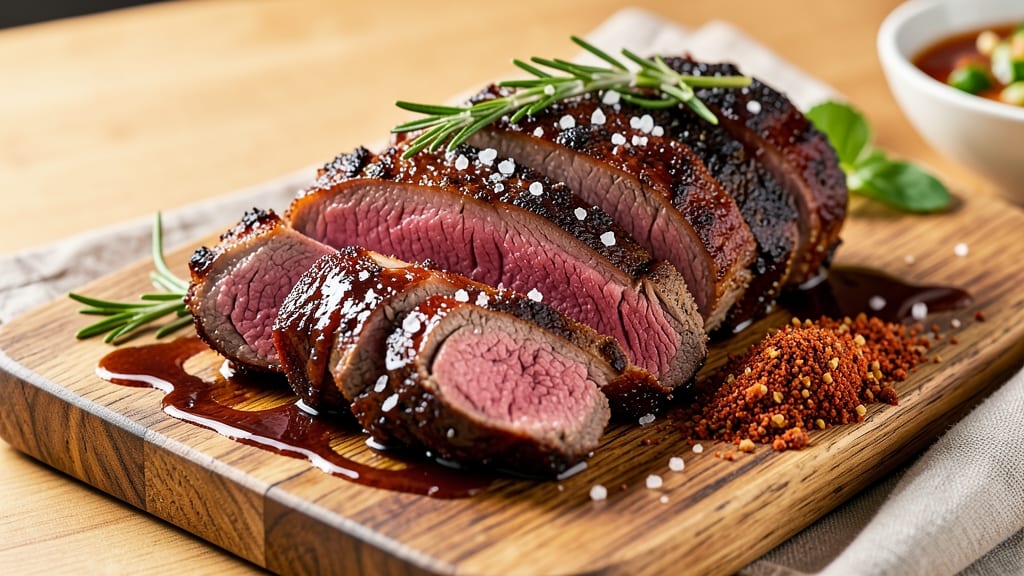
This BBQ beef bottom round roast delivers restaurant-quality tenderness and deep smoky flavor that transforms any meal into a showstopper. 🔥 As a pitmaster trained in both French technique and slow-cooking traditions, I've perfected this method to ensure melt-in-your-mouth results every time—whether you're using a smoker, oven, or grill.
The key lies in proper seasoning, precise temperature control, and letting the meat rest before slicing.
The bottom round roast's lean yet flavorful profile makes it ideal for BBQ, especially when cooked low and slow to break down tough fibers.
I recommend a dry rub of coarse salt, black pepper, smoked paprika, and garlic powder for that classic smoky crust, followed by a final glaze of your favorite BBQ sauce in the last hour. The secret weapon?
Maintaining a consistent 225°F temperature throughout the cooking process—this ensures even doneness without drying out the meat.
What you'll achieve is a perfectly tender roast with a dark, caramelized bark and juicy pink centers, ready to slice against the grain for maximum tenderness. The aroma alone will have everyone gathering at the table, and each bite delivers that perfect balance of smoky, sweet, and savory flavors.
This recipe scales beautifully for gatherings, making it ideal for holidays or game day spreads.
Pair with classic BBQ sides like creamy coleslaw, grilled corn, or baked beans for the full experience. The leftovers reheat beautifully, so you'll have flavorful meals all week. Let's get started on creating your showstopping centerpiece!
Ingredients for bbq beef bottom round roast
Six ingredients transform this lean roast into a showstopping centerpiece with smoky depth and melt-in-your-mouth tenderness.
| Ingredient | Amount | Notes |
|---|---|---|
| Beef Bottom Round Roast 🥩 | 4 lb | Center-cut preferred for tenderness |
| Coarse Kosher Salt 🧂 | 2 tbsp | Diamond Crystal preferred for texture |
| Freshly Ground Black Pepper 🌶️ | 1 ½ tbsp | Use pepper grinder for freshness |
| Smoked Paprika 🌶️ | 1 tbsp | Spanish smoked for authentic flavor |
| Garlic Powder 🧄 | 1 tbsp | Freshly ground preferred |
| Onion Powder 🧅 | 1 tbsp | For balanced depth |
| Brown Sugar 🍚 | 1 tbsp | Light or dark works |
| Mustard Powder 🍯 | 1 tsp | Yellow or Dijon preferred |
| Apple Cider Vinegar 🍎 | 2 tbsp | For tangy balance |
| Quality BBQ Sauce 🍅 | 1 cup | Store-bought or homemade |
| Yellow Onion 🧅 | 1 whole | Thinly sliced for aromatics |
| Fresh Rosemary 🌿 | 1 sprig | For herbal aroma |
| Fresh Thyme 🌿 | 1 sprig | Leaves only for infusion |
| Beef Stock 🍲 | 1 cup | Homemade or quality store-bought |
The beef bottom round is your canvas—center-cut pieces stay juicier during the long cook. Costco or local butchers are your best bets for quality cuts, though most grocery stores carry it. Look for good marbling and vibrant color; avoid anything with grayish edges. I always buy mine a day ahead to let it sit at fridge temp before cooking—this helps with even seasoning. For gatherings, double the batch; it scales perfectly. The key is patience—this cut needs time to break down, so don't rush it.
No smoked paprika? Regular paprika plus a pinch of liquid smoke works in a pinch, but the flavor won't be identical. Fresh herbs wilt fast, so if you're prepping ahead, dried thyme at one-third the amount gets you close. The BBQ sauce can be any brand you love—Sweet Baby Ray's or Stubb's are crowd-pleasers, but homemade with apple cider vinegar and brown sugar is even better. For extra richness, stir a splash of beef stock into the sauce before glazing. The vinegar in the dry rub might seem odd, but it tenderizes the meat beautifully during the long cook.
This roast reheats like a dream—honestly better the next day once all the flavors meld. Store leftovers in the fridge for up to 5 days, portioned into slices for easy reheating. For longer storage, freeze in vacuum-sealed bags for 3 months. The bark is delicate, so reheat gently in a skillet with a splash of beef stock to revive it. I always make extra—it disappears fast at parties. Keep the leftovers in the fridge until serving to maintain that perfect pink center.
Why You'll Love This Recipe
- I’ll be real: the first night is always the best, but the second? Sliced thin on sandwiches with pickles and slaw, or cubed into tacos the next day—this roast turns into something different without losing its magic. (Yes, even on a Tuesday night.)
- Foolproof Seasoning: I swear by this combo—just salt, pepper, smoked paprika, and garlic powder rubbed right onto the beef. No fancy marinades, no guesswork, and honestly? That dry rub clings like glue, so every bite gets that smoky, garlicky punch without extra effort.
- Weeknight Hero: Between us, this roast is my go-to when I’m staring at the fridge at 6:30 PM wondering what to feed everyone. Toss it in the oven, set a timer, and boom—you’ve got a meal that feels special but took less time than ordering takeout.
- Leftovers That Shine: I’ll be real: the first night is always the best, but the second? Sliced thin on sandwiches with pickles and slaw, or cubed into tacos the next day—this roast turns into something different without losing its magic. (Yes, even on a Tuesday night.)
Step-by-step instructions for slow-cooked smoky beef roast
Here's how to transform tough beef into melt-in-your-mouth perfection with deep smoky flavor.
👨🍳 Step 1: Create the Dry Rub and Prep the Roast
In a medium bowl, combine the 2 tbsp coarse kosher salt, 1.5 tbsp freshly ground black pepper, 1 tbsp smoked paprika, 1 tbsp garlic powder, 1 tbsp onion powder, 1 tbsp brown sugar, and 1 tsp mustard powder. Mix thoroughly until evenly distributed - you want no visible streaks of dry spices.
Pat the 4 lb beef bottom round roast completely dry with paper towels, then rub the spice mixture all over the meat, pressing firmly so it adheres well. This step is crucial - the dry surface helps develop that beautiful bark we're after. Place the roast on a plate and let it sit at room temperature for 30 minutes before cooking.
🔥 Step 2: Sear the Roast for Deep Flavor
Preheat your oven to 300°F. Heat a large oven-safe skillet over medium-high heat until very hot. Add the roast and sear on all sides until deeply browned - about 3-4 minutes per side. You're looking for a rich mahogany color that indicates the Maillard reaction is working its magic.
Here's the thing - don't rush this step. The sear locks in flavors and creates that beautiful crust. If you notice the roast releasing easily from the pan, it's ready to move to the oven. Transfer the skillet to the preheated oven and continue cooking.
🥘 Step 3: Slow Cook with Aromatics and Liquid
Remove the roast from the skillet and set it aside. In the same skillet, add the 1 whole yellow onion (thinly sliced), 1 sprig fresh rosemary, and 1 sprig fresh thyme. Sauté for 2-3 minutes until the onions begin to soften and release their aroma.
Deglaze the skillet with the 2 tbsp apple cider vinegar, scraping up all those delicious browned bits from the bottom. Add the 1 cup beef stock and bring to a gentle simmer. Return the roast to the skillet, spooning the liquid over the top to baste it.
⏰ Step 4: Braise Until Fork-Tender
Cover the skillet tightly with foil and transfer to the oven. Cook for 3-3.5 hours until the beef is fork-tender. Here's how to check - insert a meat thermometer into the thickest part of the roast; it should read 195-200°F. The meat will continue cooking slightly as it rests, so don't worry if it's not quite there yet.
About 30 minutes before the roast is done, remove it from the oven. Increase the oven temperature to 425°F and add the 1 cup quality BBQ sauce to the skillet. Return the roast to the skillet and broil for 5-7 minutes to caramelize the sauce and create a glossy finish.
🍽️ Step 5: Rest and Serve with Pan Sauce
Transfer the roast to a cutting board and tent loosely with foil. Let it rest for at least 15 minutes - this crucial step allows the juices to redistribute throughout the meat. Skim any excess fat from the pan sauce, then use a wooden spoon to scrape up all those flavorful bits from the bottom.
Slice the roast against the grain into ¼-inch thick slices and serve with the pan sauce spooned over the top. Each bite should deliver tender, juicy beef with layers of smoky, sweet, and tangy flavors. The sauce should coat the meat beautifully, adding that perfect finishing touch to your slow-cooked masterpiece.
Pro Tips For Making Bbq Beef Bottom Round Roast
- SEAR AT 450°F FIRST: I used to start slow, but cranking the oven to 450°F for the first 15 minutes builds a crust that locks in flavor—skip this, and your roast stays bland no matter how much BBQ rub you pile on.
- SALT THE ROAST 48 HOURS EARLY: Bottom round needs time to tenderize. I learned this the hard way—salting it the night before makes a real difference in juiciness, especially with coarse kosher salt.
- DON’T CUT THE FAT CAP: That white layer on top? Leave it. I used to trim it off for looks, but the fat renders down into the meat, keeping it moist and rich—your future self will thank you.
- USE A MEAT THERMOMETER: Bottom round’s tough—pull it at 195°F internal temp for perfect tenderness. I was skeptical until I tried it; guesswork leads to overcooked, chewy results.
Troubleshooting this dish
Uneven Cooking
The most common issue with beef bottom round roasts is uneven cooking, especially when using an oven. This happens when the roast sits too close to one heat source or when the oven temperature fluctuates.
To fix this, always place your roast on a wire rack in a roasting pan—this allows heat to circulate evenly on all sides. I recommend using an oven thermometer to verify your oven's actual temperature (most ovens run 25°F hotter or colder than set).
If your roast is browning too quickly on top, tent it loosely with foil to prevent over-browning while maintaining moisture. 🌡️
Dry, Tough Meat
If your roast turns out dry or tough, it’s usually because it wasn’t cooked low and slow enough or wasn’t rested properly. The bottom round needs patience—it’s a lean cut that benefits from a 3-4 hour cook time at 225-250°F.
To prevent dryness, baste the roast every 45 minutes with its own juices or beef stock. Never skip the 15-30 minute rest before slicing; this allows juices to redistribute. I’ve seen home cooks rush this step and end up with disappointing results.
Weak Flavor Profile
A bland roast often means the dry rub didn’t adhere properly or the meat wasn’t seared enough. Start by patting the roast completely dry before applying the rub—moisture prevents spices from sticking. For extra flavor, sear the roast in a hot cast-iron skillet until deeply browned on all sides.
If you’re using a smoker, add wood chips (hickory or cherry) for that authentic BBQ aroma. Pro tip: Let the roast sit at room temperature for 30 minutes before cooking to ensure even seasoning and better bark formation.
Sauce Not Sticking
If your BBQ sauce isn’t clinging to the roast, it’s likely because the meat wasn’t basted enough during cooking or the sauce was added too late. To fix this, baste the roast with its own juices or beef stock every 45 minutes during the slow cook.
When adding the sauce in the final 30 minutes, make sure the roast is at a high enough temperature (425°F) to caramelize it properly. A quick fix?
Brush the roast with a mixture of 1 tbsp apple cider vinegar and 2 tbsp BBQ sauce** before adding the full cup of sauce—this helps the sauce adhere better.
Overcooked Exterior
An overcooked crust happens when the roast is exposed to direct heat for too long, especially in the oven. To avoid this, tent the roast loosely with foil if it starts browning too quickly.
If you’re using a smoker, maintain a consistent 225°F temperature and avoid opening the lid frequently, as temperature fluctuations can cause uneven cooking. For oven cooking, place the roast on the middle rack where heat is most even.
If the exterior is already too dark, serve it as-is—the meat inside will still be tender and juicy.
Nutrition facts
Frequently asked questions about BBQ beef bottom round roast
Can I use this recipe with a smoker instead of an oven?
For a smoker, maintain a steady 225°F temperature and cook for 3-4 hours until fork-tender. Add hickory or cherry wood chips for authentic BBQ flavor, and baste with apple cider vinegar every 45 minutes. In the last 30 minutes, increase heat to 275°F and apply BBQ sauce for that signature caramelized finish.
How do I know when the roast is fully cooked?
Use a meat thermometer to check the thickest part of the roast—it should read 195-200°F. The meat will continue cooking slightly as it rests, so don't worry if it's not quite there yet. For perfect doneness, aim for 203°F before resting. A fork should slide in easily, and the juices should run clear.
Can I make this roast in a Dutch oven?
Yes! Dutch ovens work beautifully for this recipe. Sear the roast in the Dutch oven, then add the onions, herbs, vinegar, and beef stock. Cover and cook at 300°F for 3-3.5 hours, basting occasionally. The enclosed environment helps retain moisture and infuse flavor. Just avoid overcrowding—leave room for the roast to breathe.
What's the best way to reheat leftovers?
Slice the roast and store in an airtight container. Reheat in a skillet over medium-low heat with a splash of beef stock for 3-5 minutes per side. For oven reheating, cover with foil and warm at 300°F for 15-20 minutes. Never microwave—it turns the meat rubbery. Leftovers reheat best when still warm from the fridge.
Can I substitute beef stock with broth?
While beef broth will work, beef stock adds deeper flavor due to its higher collagen content. For best results, use a quality beef stock or make your own by simmering beef bones with aromatics. If using broth, add 1 tsp Worcestershire sauce to enhance umami depth. The difference won't be dramatic, but purists will notice.