
Main Courses
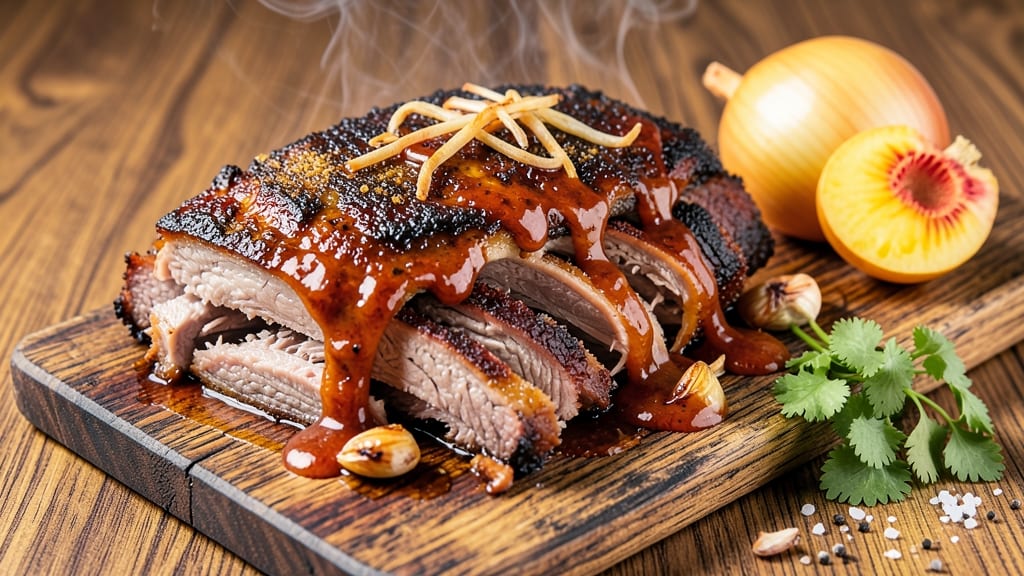
This BBQ pulled beef brisket recipe transforms tough cuts into melt-in-your-mouth perfection—just like my granddad's legendary cookouts. There's something primal about the smell of hickory smoke curling through the air, turning a simple brisket into a centerpiece that commands the table. I've spent years perfecting the balance between low-and-slow cooking and that perfect bark, and this method delivers restaurant-quality results without requiring a dedicated smoker.
The secret lies in patience and precision: a 12-hour smoke at 225°F (or 8 hours in a pressure cooker for modern shortcuts) breaks down the connective tissue while building deep, smoky flavor.
A simple dry rub of salt, pepper, and smoked paprika gives way to a tangy-sweet BBQ sauce that becomes the brisket's signature. The moment you pull that bark-covered slab from the heat and watch it begin to shred—well, that's when you know you've done it right.
What you'll end up with is brisket so tender it falls apart at the touch, with a crust that's crisp enough to stand up to a toothpick. The sauce clings to every shred, creating bites that are sweet, smoky, and impossibly satisfying.
This is the kind of brisket that makes people linger at the table, asking for seconds before the plates are even cleared.
Serve it on buttered buns with pickles and coleslaw for classic BBQ sandwiches, or plate it over mashed potatoes with roasted vegetables for a heartier presentation. The leftovers?
Even better the next day, reheated gently with a splash of apple juice to keep them moist. Let's get cooking—your taste buds are about to thank you.
Ingredients for bbq pulled beef brisket
Twelve crowd-pleasing ingredients for brisket so tender it falls apart with a touch.
| Ingredient | Amount | Notes |
|---|---|---|
| Beef Brisket 🥩 | 5 lb | Whole packer cut, fat cap intact |
| Yellow Onion 🧅 | 2 whole | Sliced into wedges |
| Garlic Cloves 🧄 | 8 cloves | Whole, peeled |
| Smoked Paprika 🌶️ | 2 tbsp | High-quality for smoky depth |
| Kosher Salt 🧂 | 1 ½ tbsp | Diamond Crystal preferred |
| Ground Black Pepper 🌶️ | 1 ½ tbsp | Freshly cracked |
| Apple Cider Vinegar 🍎 | ½ cup | For tangy balance |
| Brown Sugar 🍚 | 1 cup | Light or dark |
| Tomato Paste 🍅 | ½ cup | High-quality for richness |
| Worcestershire Sauce 🍶 | 2 tbsp | Vegetarian version if needed |
| Hickory Smoked Salt 🧂 | 1 tbsp | For final bark |
| Apple Juice 🍏 | 1 cup | For reheating leftovers |
| Butter 🧈 | ½ cup | Unsalted, for buns |
| Hamburger Buns 🥪 | 12 whole | Toasted for serving |
The brisket is non-negotiable—look for a 5-pound packer cut with a thick fat cap (that's where the flavor hides). Costco or local butchers usually have the best selection; if you're buying pre-cut, make sure it's still whole and hasn't been trimmed too aggressively. The fat renders down during cooking, creating that perfect bark. For the rub, Penzeys smoked paprika is my go-to, but any good quality will do. The key is freshness: if your spices smell like dust, toss them. The onion and garlic? Fresh is best, but frozen works in a pinch if you're short on time.
No smoked paprika? Substitute 1 tbsp regular paprika plus 1 tsp liquid smoke—it's not the same, but it gets you close. The Worcestershire sauce can be swapped for soy sauce plus a dash of molasses if you're avoiding it. For the brown sugar, coconut sugar adds caramel notes without the bitterness. The apple cider vinegar is essential for cutting through the richness—don't skip it. If you're using a pressure cooker, add an extra 1/2 cup apple juice to the pot to keep things moist. The tomato paste? Trader Joe's squeeze tubes are perfect here—no waste, and they keep for months.
This brisket gets better with time—plan for 12 hours of cooking (or 8 hours in a pressure cooker), but the leftovers are where the magic happens. Store in the fridge for up to 5 days, reheating with a splash of apple juice to keep it moist. For serving, butter the buns generously—this is a brisket sandwich, not a diet meal. Freeze portions for up to 3 months if you're planning ahead. The bark? That's your reward for patience—don't peel it off. It's the best part.
Why You'll Love This Recipe
- Here’s the truth: You’ll make this on Sunday and still be eating it Thursday. The pulled beef keeps perfectly in the fridge—toss it in tacos, sandwiches, or even a breakfast hash. My kids beg for it cold in wraps, no joke.
- One-Pot Magic: I swear by this—just toss the brisket, onions, and garlic into a slow cooker with the spices, hit low for 8 hours, and boom. No flipping, no babysitting, no stress. The onions caramelize right into the meat, so you’re basically getting two flavors for the price of one.
- Smoky Deep Comfort: That smoked paprika and kosher salt combo? It turns tough brisket into something tender and rich, like a hug in sauce form. The garlic cloves melt into the mix, adding a sweet, warm punch that makes every bite feel like a reward.
- Leftovers That Work: Here’s the truth: You’ll make this on Sunday and still be eating it Thursday. The pulled beef keeps perfectly in the fridge—toss it in tacos, sandwiches, or even a breakfast hash. My kids beg for it cold in wraps, no joke.
Step-by-step instructions for smoky pulled beef brisket
Here's how to transform a tough cut into melt-in-your-mouth perfection with our signature blend of smoky, tangy flavors.
Prepare and Season the Brisket
Start by removing the beef brisket from the packaging and patting it completely dry with paper towels. I can't stress this enough—moisture is the enemy of that perfect bark we're after. Trim any excess fat from the edges, leaving about ¼ inch to protect the meat during cooking.
In a small bowl, combine the 2 tablespoons smoked paprika, 1.5 tablespoons kosher salt, and 1.5 tablespoons freshly cracked ground black pepper. Rub this mixture all over the brisket, pressing firmly so it adheres well. Then, in the same bowl, mix the 1 tablespoon hickory smoked salt with the 1 cup brown sugar. Rub this second layer over the brisket, focusing on the fat cap. Let the seasoned brisket sit at room temperature for 30 minutes before cooking.
Cook the Brisket Low and Slow
Preheat your smoker to 225°F using hickory or apple wood chips. Place the seasoned brisket fat-side up on the smoker grate. I like to set a water pan in the smoker to help maintain moisture throughout the cook. Close the lid and let it smoke undisturbed for 6-8 hours, or until the internal temperature reaches 165-170°F.
This is where the magic happens—patience is key. You'll notice the brisket hitting "the stall" around the 6-hour mark, where the temperature stops rising. Don't panic; this is normal as moisture evaporates. If you have a meat probe, you'll see it slide in easily at this point, signaling the brisket is ready for the next step.
Wrap and Finish the Brisket
When the brisket reaches 165-170°F, remove it from the smoker and wrap it tightly in heavy-duty aluminum foil. This technique, known as the "Texas crutch," helps power through the stall and ensures a tender finish. Return the wrapped brisket to the smoker and continue cooking until the internal temperature reaches 200-205°F, which should take another 4-6 hours.
While the brisket finishes cooking, prepare the sauce. In a saucepan, combine the 2 whole yellow onions (sliced into wedges), 8 peeled garlic cloves, 0.5 cup tomato paste, 0.5 cup apple cider vinegar, 2 tablespoons Worcestershire sauce, and 1 cup apple juice. Simmer over medium heat for 20-25 minutes until the onions are caramelized and the mixture thickens slightly. Set aside and keep warm.
Shred and Combine with Sauce
Once the brisket reaches 200-205°F, remove it from the smoker and let it rest for 15-20 minutes. Using two forks or a meat claw, shred the brisket against the grain into ¼-inch thick strands. Transfer the shredded brisket to a large bowl and pour the warm sauce over it. Mix gently to coat the meat evenly.
Let the brisket sit in the sauce for 10-15 minutes to absorb the flavors. If the sauce is too thick, add a splash of apple juice to loosen it. The brisket should be tender enough to pull apart easily with a fork, and the sauce should cling beautifully to each strand.
Serve on Toasted Buns
Toast the 12 whole hamburger buns in a toaster or under the broiler until golden brown. Spread a generous amount of the 0.5 cup unsalted butter on each bun while they're still warm. Pile the pulled brisket onto the bottom half of each bun, then top with the remaining sauce. Serve immediately while the buns are still warm and the brisket is juicy.
Each bite should deliver a perfect balance of smoky, tangy, and sweet flavors with that irresistible pull-apart tenderness. This brisket makes enough for a crowd, so you'll have leftovers for sandwiches or tacos—just reheat with a splash of apple juice to keep it moist.
Pro Tips For Making Bbq Pulled Beef Brisket
- Trim the Fat First: Brisket’s fatty layers are useful, but they’ll slow down cooking and leave you with grease instead of flavor. Spend 10 minutes trimming the thickest fat cap down to about ¼-inch—especially on the edges—so the meat cooks evenly and the rub sticks better.
- Salt the Night Before: I used to salt brisket right before cooking, but it never got that deep, juicy seasoning. Now I salt it 12–24 hours ahead, let it sit uncovered in the fridge, and flip it once. The salt breaks down the proteins, and the crust forms way faster when you finally hit the smoker.
- Check Internal Temp Twice: Brisket’s “done” temp is 203°F, but if you pull it too early, it’ll dry out. Use a meat probe in the thickest part, then wait 5 minutes before checking again—sometimes it’ll climb another 5–10 degrees. Patience here makes the difference between tender and tough.
- Sear the Onions First: Raw onions in the rub? They’ll turn to mush and water down your BBQ sauce. Sauté 1 finely chopped onion and 4 minced garlic cloves in 1 tablespoon oil until caramelized (about 8 minutes), then mix into your smoked paprika and salt. The deeper flavor sticks to the meat instead of dissolving into the pan.
Regional styles of this bbq pulled beef brisket
Texas BBQ Style
In Texas, brisket is king, and the approach is all about the bark and the smoke. I remember my first competition in East Texas where the judges looked for a dark mahogany crust with just a hint of char.
The secret? Start with a 3-3-3 rub—3 tablespoons each of coarse salt, black pepper, and Penzeys smoked paprika—applied generously. Cook at 225°F with post oak or hickory wood, and never wrap before 165°F internal temp.
The Texas crutch comes later, wrapped in butcher paper (not foil) to keep the bark intact while tenderizing. Serve with white bread and pickles—no ketchup allowed! 🔥
Carolina Mustard Style
Down south, Carolina pitmasters take a different approach with their vinegar-based mustard sauce. The brisket itself gets a simpler rub—just 1 tablespoon each of salt, pepper, and brown sugar—and cooks at 250°F for 4-6 hours until fork-tender.
The magic happens in the sauce: 1 cup apple cider vinegar, ½ cup yellow mustard, ½ cup ketchup, and 1 tablespoon cayenne simmered until thick. The result? A tangy, slightly spicy brisket that's perfect for pulled pork sandwiches with coleslaw.
I love this style for its bold flavors and quicker cook time. 🌶️
Kansas City Sweet Style
Kansas City is all about the sauce—thick, sweet, and smoky. The brisket gets a heavy dry rub with 2 tablespoons each of brown sugar, salt, and black pepper, plus 1 tablespoon smoked paprika.
Cook at 225°F until 203°F internal, then wrap in foil with apple juice to keep it moist. The sauce? A tomato-based blend with molasses, brown sugar, and vinegar—think Sweet Baby Ray's but homemade. Serve on toasted brioche buns with crispy onions.
This style is perfect for those who love their BBQ with a caramelized sweetness. 🍯
Memphis Dry Style
Memphis is the OG dry rub city, where the brisket speaks for itself. The rub here is simple but bold: 3 tablespoons each of salt, black pepper, and brown sugar, plus 1 tablespoon garlic powder.
Cook at 225°F with hickory wood until 195°F internal, then wrap in foil with hot water (yes, hot!) to break down the collagen faster. The sauce? None—just the brisket, shredded and served with white bread and pickled jalapeños.
This is BBQ purists' dream: no distractions, just pure meaty goodness. 💪
Modern Shortcut Style
No smoker? No problem. Use a pressure cooker (like a Instant Pot) for a 6-hour cook at 200°F. Start with the same Texas-style rub, then add 1 cup beef broth to the pot.
Once the brisket hits 205°F, wrap it in foil with apple juice and cook another 30 minutes. The result? Tender, smoky brisket in a fraction of the time. I’ve even done this on a grill with a water pan—just set it to 225°F and let it go.
Perfect for weeknight crowds! ⚡
Nutrition facts
Frequently asked questions
Can I use a different cut of beef instead of brisket?
While brisket is ideal for this recipe, you can substitute with a chuck roast (8-10 hours cook time) or beef short ribs (6-8 hours). For ribs, use a 3-2-1 dry rub (3 tbsp salt, 2 tbsp pepper, 1 tbsp smoked paprika) and wrap in foil at 195°F internal. Never use flank steak or sirloin—they're too lean and won't pull apart properly.
What's the best way to reheat leftover pulled beef?
Always reheat gently to avoid drying it out. Place pulled beef in a skillet over low heat with 2 tablespoons apple juice per pound, stirring frequently for 5-7 minutes. For microwave reheating, cover with a damp paper towel and heat in 30-second bursts. Never reheat in the oven—it'll turn tough. The apple juice keeps the meat moist and restores that juicy texture.
How do I know when the brisket is done?
Use a meat thermometer to check the internal temperature: 200-205°F for perfect tenderness. The probe should slide in easily at this point. Look for a dark mahogany bark and watch for the "probe test"—when the meat pulls back from the bone effortlessly. If you don't have a thermometer, check for fork tenderness (it should shred easily) and jiggle (the meat should move slightly when shaken).
Can I make this in an oven without a smoker?
Preheat your oven to 225°F with a water pan on the lower rack. Place the brisket on a rack over the pan, fat-side up. Cook for 8-10 hours until reaching 200-205°F internal. For smokiness, add wood chips to a foil packet with holes, then place on the oven rack. The water pan helps maintain moisture—just refill as needed. This method works perfectly for apartment cooking!
What's the best way to store cooked brisket?
Store in an airtight container in the fridge for up to 5 days or freeze for 3 months. For freezing, wrap individual portions tightly in plastic wrap before placing in a freezer bag. When reheating frozen brisket, thaw overnight in the fridge first, then use the apple juice method above. Never refreeze thawed brisket—it affects texture. The sauce can be stored separately for up to 2 weeks in the fridge.