
Main Courses
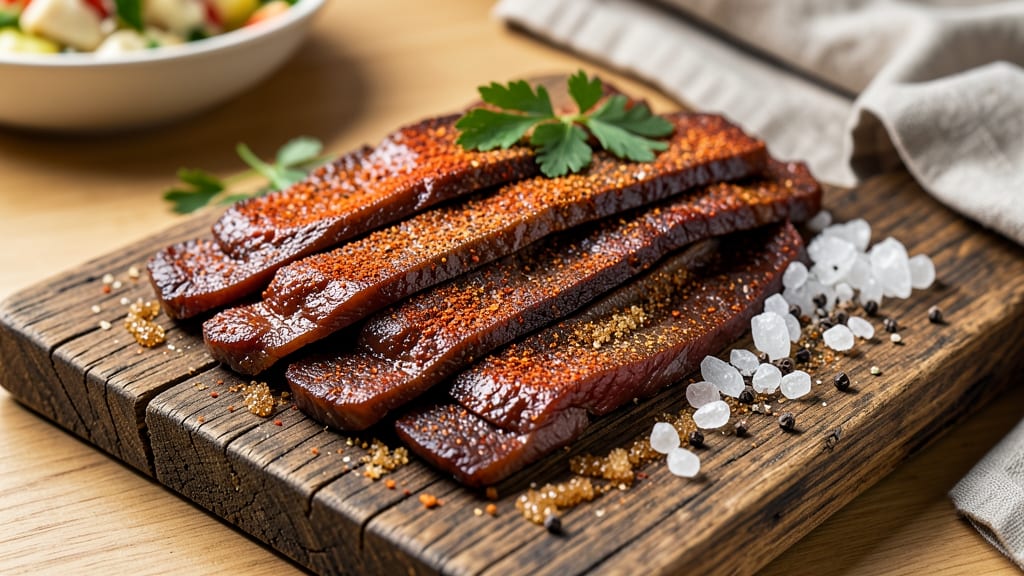
The Bearded Butcher's beef jerky recipe transforms tough cuts of beef into smoky, spiced strips that stay crispy for weeks—no fancy equipment required. This method combines traditional salt-curing with bold flavors, ensuring a product that rivals store-bought but tastes infinitely better.
The key lies in precise slicing, a well-balanced marinade, and proper drying to lock in that addictive crunch.
What sets this recipe apart is the balance of smoky paprika, garlic powder, and brown sugar—a blend that creates depth without overpowering the natural beef flavor.
Whether you use a dehydrator, oven, or even a sunny windowsill, the technique ensures even drying and a texture that’s both crisp and chewy. Safety comes first: we’ll cover how to prevent contamination and test for doneness so every bite is perfect.
The result is jerky that’s rich, flavorful, and shelf-stable for up to 3 months when stored properly. No more soggy, flavorless strips—just restaurant-quality crunch that’s perfect for hiking trips, snacking, or gifting. Ready to master the art of homemade jerky? Let’s get started with the essential steps.
This method works with any lean cut of beef, from flank steak to top round, and can be adapted for spicy, sweet, or herb-forward variations. The process is straightforward but requires patience—worth every minute for jerky that’ll have everyone asking for seconds. Let’s dive into the details.
Ingredients for bearded butcher beef jerky
Lean beef, precise seasoning, and careful drying create jerky with restaurant-quality crunch and smoky depth.
| Ingredient | Amount | Notes |
|---|---|---|
| Lean Beef (Flank Steak or Top Round) 🥩 | 2 lb | Thinly sliced against the grain |
| Kosher Salt 🧂 | ½ cup | Diamond Crystal preferred |
| Brown Sugar 🍯 | ¼ cup | Packed, light variety |
| Smoked Paprika 🌶️ | ¼ cup | High-quality, not cayenne |
| Garlic Powder 🧄 | 2 tbsp | Freshly ground preferred |
| Ground Black Pepper 🌶️ | 1 tbsp | Freshly cracked for potency |
| Onion Powder 🧅 | 1 tbsp | No added salt |
| Cayenne Pepper 🔥 | 1 tsp | Adjust for heat preference |
| Worcestershire Sauce 🍶 | 2 tbsp | Anchovy-free version if needed |
| Liquid Smoke 💨 | 1 tbsp | Optional for extra smokiness |
| Apple Cider Vinegar 🍎 | ½ cup | For tenderizing and preservation |
| Deionized or Distilled Water 💧 | 1 cup | For proper curing |
The beef cut matters most here. Flank steak or top round are ideal for their lean texture and flavor. Purchase from a trusted butcher—look for cuts with good marbling but minimal fat. Costco or local meat markets often carry pre-sliced options, but slicing yourself against the grain ensures maximum tenderness. For the spices, Penzeys or bulk bins at Whole Foods offer the freshest, most potent options. Smoked paprika should have a rich, earthy aroma, not a sharp bite. If you can't find anchovy-free Worcestershire, omit it entirely—the jerky will still shine.
Substitutions are possible but require balance. No smoked paprika? Regular paprika plus a pinch of liquid smoke mimics the depth. Brown sugar substitutes include coconut sugar or white sugar, though texture may vary slightly. For heat, swap cayenne with crushed red pepper flakes at half the amount. If you're avoiding vinegar, lemon juice works in a pinch. The curing solution (vinegar, water, salt) is non-negotiable—this prevents bacterial growth. Use glass containers for mixing to avoid plastic contamination. For the leanest jerky, trim all visible fat from the beef before slicing.
Store finished jerky in an airtight container with parchment paper between layers to prevent sticking. Keeps for 3 months at room temperature or 6 months in the freezer. For gifting, vacuum-seal portions in oxygen-free bags—this extends shelf life to nearly a year. Label with the date and flavor profile. If jerky tastes too salty, it's over-cured; if bland, the marinade time was insufficient. For optimal texture, dehydrate at 160°F for 4-6 hours until pliable but not brittle.
Why You'll Love This Recipe
- I swear by this marinade: just salt, sugar, and spices—no fancy techniques. Slice the beef thin, toss it in a bowl, and let it sit while you make coffee. That’s it.
- No-Fuss Prep: I swear by this marinade: just salt, sugar, and spices—no fancy techniques. Slice the beef thin, toss it in a bowl, and let it sit while you make coffee. That’s it.
- Smoky-Sweet Magic: The smoked paprika and brown sugar give it this perfect balance—savory with a hint of sweetness that sticks to your ribs. Honestly, I’ve never met a jerky that doesn’t disappear in minutes after this.
- Weeknight Meal Hack: Slice some extra for tacos, salads, or even a quick stir-fry. My kids grab it straight from the fridge for lunchboxes, and I toss strips into my stir-fry when I’m too tired to cook. It’s my pantry’s unsung hero.
Step-by-step instructions for smoky-spiced beef jerky
Follow this precise method to create jerky with intense smoky depth and satisfying crunch.
Prepare the Lean Beef for Maximum Surface Area
Begin by slicing the 2 lb lean beef (flank steak or top round) against the grain into strips approximately ¼-inch thick. Use a sharp boning knife or electric slicer for clean, even cuts—this ensures proper drying and tenderness. Arrange the strips on a clean cutting board and pat them completely dry with paper towels, removing any excess moisture that could prevent proper curing.
Real talk: the thinner and more uniform your slices, the faster they'll dry without becoming chewy. If you're working with thicker slices, trim them down with a razor-sharp knife. For best results, slice the beef while it's still slightly chilled—this helps maintain control and prevents the meat from becoming too soft during cutting.
Create the Dry Cure and Marinate the Beef
In a large mixing bowl, combine the 0.5 cup kosher salt, 0.25 cup brown sugar, 0.25 cup smoked paprika, 2 tbsp garlic powder, 1 tbsp ground black pepper, 1 tbsp onion powder, and 1 tsp cayenne pepper. Mix thoroughly until the dry ingredients are evenly distributed and free of any clumps. This blend forms the foundation of your jerky's complex flavor profile.
Add the beef strips to the dry mixture and toss gently but thoroughly to ensure each piece is fully coated. Transfer the marinated beef to a resealable plastic bag and seal tightly. Massage the bag to distribute the cure evenly, then refrigerate for 12-24 hours. This step is critical—it breaks down proteins and creates the perfect environment for curing. Don't skip it, even if you're eager to get to the drying phase.
Prepare the Wet Cure and Combine
In a separate bowl, whisk together the 2 tbsp Worcestershire sauce, 1 tbsp liquid smoke, 0.5 cup apple cider vinegar, and 1 cup deionized or distilled water. The vinegar and water create an acidic environment that helps tenderize the meat while preventing bacterial growth. The liquid smoke adds that authentic smoky depth that sets this recipe apart from ordinary jerky.
Remove the beef from the refrigerator and drain off any excess dry cure. Add the beef to the wet cure mixture and toss gently to coat each piece thoroughly. Return the beef to the resealable bag, ensuring all strips are submerged in the liquid. Seal the bag and refrigerate for another 12-24 hours, giving the cure ample time to penetrate the meat and develop that signature smoky-sweet flavor.
Dry the Jerky for Perfect Texture
Preheat your dehydrator to 160°F—this temperature ensures thorough drying without overcooking the meat. Arrange the marinated beef strips on the dehydrator trays in a single layer, ensuring they don't overlap. This step is where patience pays off; proper drying creates that satisfying crunch while preserving all the developed flavors.
Dry the beef for 4-6 hours, checking periodically. The jerky is ready when it's completely dry to the touch with no moisture remaining, and it should snap when bent—not bend like fresh meat. If you don't have a dehydrator, you can use a well-ventilated oven set to its lowest temperature with the door slightly ajar. The drying time may vary based on your equipment and humidity levels, so monitor closely.
Cool and Store for Maximum Shelf Life
Once fully dried, remove the jerky from the dehydrator and let it cool completely on a wire rack. This cooling phase helps set the texture and prevents any residual moisture from causing condensation in your storage container. The jerky should be completely dry with a deep mahogany color and a glossy sheen from the curing process.
Store the finished jerky in an airtight container or vacuum-sealed bag in a cool, dark place. When properly made and stored, this jerky will maintain its quality for 2-3 weeks at room temperature or up to 6 months in the refrigerator. The smoky-sweet flavor will develop even more richness over time, making it perfect for long-term storage and outdoor adventures.
Pro Tips For Making Bearded Butcher Beef Jerky
- Freeze the Meat First: I learned this the hard way—skipping the freeze makes slicing flank steak or top round into jerky strips a messy, uneven battle. Pop it in the freezer for 30-45 minutes first, then slice against the grain while still slightly firm. The strips will hold their shape better during drying, and you’ll avoid that frustrating "squishy jerky" texture.
- Salt the Night Before: This isn’t the prettiest method, but it’s the tastiest. Toss your sliced beef with kosher salt (about 1.5 tablespoons per pound) and refrigerate uncovered for 12-24 hours. The salt breaks down the muscle fibers, locking in moisture and giving you that deep, savory flavor. Yes, it takes patience, but your jerky will taste like it came from a butcher’s counter, not a dehydrator.
- Start Hot, Finish Low: After marinating, sear the strips in a screaming-hot skillet for 30 seconds per side—just until they develop a crust. Then, finish drying at 160°F (not higher) for 4-6 hours. The high heat jumpstarts the Maillard reaction for flavor, while the low temp prevents rubbery jerky. I was skeptical until I tried it—now I never skip the sear.
- Skip the Crowding: If you’re using a dehydrator, resist the urge to stack strips. Leave at least ½ inch of space between them for even airflow. I used to cram them in like sardines, and half the batch ended up chewy. Spread them out in a single layer, and you’ll get consistent texture and faster drying. Your dehydrator will thank you, too—no fogging up the works.
Wine and beer pairings for bearded butcher beef jerky
Smoky-Spiced Red Wine
A bold Zinfandel or Cabernet Sauvignon complements the smoky paprika and deep beef flavors beautifully. Look for a California Zinfandel with notes of blackberry and vanilla—these fruit-forward characteristics balance the heat and sweetness of the jerky.
I recommend a 2019 Dry Creek Vineyard Zinfandel from Sonoma County, which has just the right amount of spice to mirror the cayenne in your marinade. 🍷
Malty Amber Ales
For beer lovers, an amber ale or brown ale works perfectly with this smoky jerky. The hoppy bitterness cuts through the richness while the caramel malt enhances the brown sugar notes.
My go-to is New Belgium Fat Tire—its balanced maltiness and subtle citrus keep the jerky from feeling too heavy. If you prefer something stronger, try a Belgian-style dubbel like Allagash Dubbel, which adds a touch of spice that pairs wonderfully with the cayenne. 🍺
Light-Bodied White Wine
If you prefer white wine, a dry Riesling or Sauvignon Blanc with a hint of smokiness can be a refreshing contrast. A German Riesling with petrol notes (like a Dr. Loosen Blue Slate) adds an interesting mineral quality that complements the cured beef.
For something brighter, a New Zealand Sauvignon Blanc with its zesty citrus and herbal undertones cleanses the palate between bites. 🍷
Spiced Rum Cocktails
For a festive touch, mix dark rum with a splash of apple cider vinegar (just like your jerky marinade!) and a dash of smoked paprika for a smoky margarita twist. Serve it over ice with a lime wedge—the acidity balances the richness of the jerky.
I love using Flor de Caña 18-year rum for depth, but even a good Captain Morgan Spiced Rum works in a pinch. 🍹
Non-Alcoholic Pairings
For those avoiding alcohol, sparkling apple cider with a cinnamon stick or ginger beer adds a crisp, refreshing contrast. The carbonation helps cut through the fat, while the ginger or apple notes echo the sweetness in the jerky.
I also love pairing it with iced hibiscus tea—the tartness balances the smokiness perfectly. 🍹
Cheese and Charcuterie
For a full snack spread, pair your jerky with aged cheddar or manchego—their sharp, nutty flavors stand up to the smoky spices. Add prosciutto for a salty contrast and pickled jalapeños to amplify the heat.
A dark chocolate (70% or higher) with espresso notes finishes the pairing beautifully, balancing the sweet and smoky elements. 🧀
Nutrition facts
Frequently asked questions about homemade beef jerky
Can I use any cut of beef for jerky?
No—only lean cuts work best! Use flank steak or top round for tender, flavorful jerky. Avoid fatty cuts like ribeye or sirloin, as excess fat prevents proper drying and creates a greasy texture. The leaner the cut, the better the final result.
How do I know when jerky is fully dried?
Jerky is ready when it's completely dry to the touch, snaps when bent (not bends), and has no moisture left. At 160°F, this typically takes 4-6 hours in a dehydrator. For oven drying, check every 30 minutes after 3 hours—overdrying makes it brittle.
Why does my jerky taste bland or salty?
Bland jerky usually means insufficient marinating time (12-24 hours minimum). Salty jerky likely means too much salt in the dry cure—stick to ½ cup kosher salt per 2 lbs beef. For extra flavor, add 1 tbsp soy sauce or 1 tsp liquid smoke to the wet cure.
Can I make jerky without a dehydrator?
Use an oven set to 175°F with the door slightly open for airflow. Arrange strips on a wire rack over a baking sheet and dry for 3-5 hours, flipping halfway. For outdoor drying, use a sunny windowsill with 60% humidity or lower—this takes 2-3 days.
How long does homemade jerky last?
Properly made jerky stays fresh for 3 months at room temperature or 6 months in the freezer. Store in an airtight container with parchment paper between layers to prevent sticking. Vacuum-sealing extends shelf life to nearly a year. Always check for moisture or off smells before eating.