
Main Courses
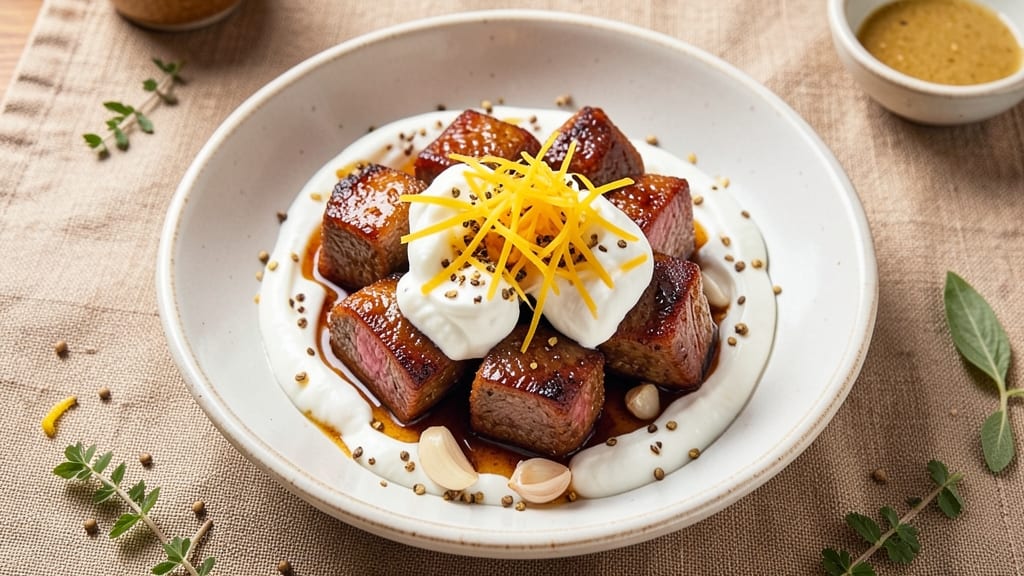
This beef achar gosht recipe brings the rich, tangy flavors of South Asian cuisine to your kitchen, where tender beef simmers in a fragrant marinade of yogurt, tamarind, and aromatic spices.
The dish originates from Bengali and Pakistani traditions, where slow-cooked beef absorbs deep layers of flavor—from the bright tang of tamarind to the warm earthiness of cumin and coriander.
What sets this recipe apart is the yogurt marinade, which not only tenderizes the meat but also adds a subtle creaminess that balances the dish's bold spices.
The process begins with a foolproof marinade—yogurt, tamarind paste, and a blend of whole spices like cinnamon, cardamom, and cloves—all of which infuse the beef overnight for maximum flavor. After browning the meat to lock in juices, it simmers in a rich, spiced gravy until fork-tender.
The result is a dish that’s restaurant-quality at home, with a perfect harmony of tangy, spicy, and creamy notes that make it unforgettable.
This recipe delivers a complete meal that pairs beautifully with steamed basmati rice, fluffy naan, or even a side of pickles to cut through the richness. The slow-cooking method ensures the beef stays juicy and tender, while the tamarind and yogurt create a tangy depth that’s both comforting and complex.
Whether you're serving it for a family gathering or a cozy weeknight dinner, this dish will transport your taste buds straight to the streets of Dhaka or Lahore.
Ready in about 3 hours (including marinating time), this beef achar gosht is perfect for those who love hearty, flavorful stews. The best part? The aromas alone will have everyone gathering around the table, eager for a taste of this timeless classic. Let’s get started!
Ingredients for beef achar gosht
Yogurt, tamarind, and spices—this trio transforms simple beef into restaurant-quality magic.
| Ingredient | Amount | Notes |
|---|---|---|
| Beef Chuck Roast 🥩 | 2 lb | Cut into 1.5-inch cubes |
| Plain Yogurt 🥛 | 1 cup | Full-fat for creaminess |
| Tamarind Paste 🍈 | ¼ cup | Adjust for tanginess |
| Ginger Root 🌿 | 1 tbsp | Freshly grated |
| Garlic Cloves 🧄 | 6 cloves | Minced fine |
| Ground Cumin 🌿 | 1 ½ tsp | Toasted for depth |
| Ground Coriander 🌿 | 1 tsp | Freshly ground preferred |
| Turmeric Powder 🌶️ | ½ tsp | Bright yellow color |
| Red Chili Powder 🌶️ | 1 tsp | Adjust for heat |
| Ground Black Pepper 🌶️ | ½ tsp | Freshly cracked |
| Cinnamon Sticks 🌿 | 2 whole | For aroma |
| Green Cardamom Pods 🌿 | 4 whole | Lightly crushed |
| Cloves 🌿 | 4 whole | Whole, for infusion |
| Onion 🧅 | 1 whole | Thinly sliced |
| Tomato Paste 🍅 | 2 tbsp | Squeeze tube preferred |
| Water 💧 | 1 ½ cups | For simmering |
| Ghee 🧈 | 2 tbsp | For browning |
| Fresh Cilantro 🌿 | ¼ cup | Chopped for garnish |
The beef is non-negotiable here—chuck roast with good marbling breaks down beautifully. Grab it from the butcher counter if possible, or look for pre-cubed beef in the freezer section at Whole Foods or Indian grocery stores (they often have it prepped). The yogurt should be plain, full-fat—Greek yogurt works too, but traditional Indian yogurt adds that authentic tang. Tamarind paste? Trader Joe's carries it, or check the international aisle at Kroger. If you can't find tamarind paste, tamarind pulp soaked in water works just as well.
No fresh ginger or garlic? Paste versions work in a pinch, but fresh is ideal. Running low on spices? Penzeys sells bulk spices that stay fresh longer. The green cardamom pods are essential—they give that signature floral note. No cardamom? Substitute with 1/4 tsp ground cardamom plus a pinch of rose water if you're feeling fancy. For the tomato paste, those little squeeze tubes from Trader Joe's are perfect—they keep forever and you won't waste a whole can. The ghee? Use clarified butter or even olive oil if you're avoiding dairy, but traditional ghee gives that unmistakable richness.
Marinate the beef overnight—24 hours max in the fridge, or it'll get mushy. The spices keep for 6 months in an airtight container, but the tamarind paste freezes beautifully if you're not using it all. Leftovers reheat like a dream—just add a splash of water and simmer for 5 minutes. This dish tastes even better the next day as the flavors meld. Portion into containers with rice and naan for easy meals all week—double the batch if you know you'll be eating it over several days.
Why You'll Love This Recipe
- Tamarind Tang Magic: The paste cuts through the richness of the beef like a bright, citrusy whisper—no fancy balance needed, just a spoonful. Honestly, that deep umami from the yogurt and ginger makes the tamarind’s sour pop without overpowering.
- One-Pot Wonder: Marinate the beef, dump it all in one pot, and walk away. The yogurt tenderizes while the garlic and ginger work their flavor magic—minimal chopping, zero fuss, and one pan to scrub later.
- Budget Feast: A chuck roast stretches across meals like nothing else: shred it for wraps, slice it for sandwiches, or reheat it for days. Between us, this recipe turns a $10 cut into a week’s worth of satisfying bites.
- Weeknight Workhorse: Slow-cooked until fall-apart tender, it’s ready when you are—perfect for game days, lazy Sundays, or that night you’d rather binge Netflix than cook. (Yes, even on a Tuesday night.)
Step-by-step instructions for beef achar gosht
Here's how to transform tough beef into tender, tangy perfection with this aromatic yogurt marinade.
Marinate the Beef Overnight for Maximum Tenderness
Cut the 2 lb beef chuck roast into 1.5-inch cubes and place them in a large mixing bowl. In a separate bowl, whisk together the 1 cup plain yogurt, 0.25 cup tamarind paste, 1 tbsp freshly grated ginger root, 6 minced garlic cloves, 1.5 tsp ground cumin, 1 tsp ground coriander, 0.5 tsp turmeric powder, 1 tsp red chili powder, and 0.5 tsp ground black pepper. This marinade should be thick and vibrant yellow-orange from the spices.
Pour the marinade over the beef cubes, ensuring each piece is fully coated. Add the 2 whole cinnamon sticks, 4 lightly crushed green cardamom pods, and 4 whole cloves to the bowl. Cover with plastic wrap and refrigerate for at least 12 hours—this overnight marinade is non-negotiable. It breaks down the tough beef fibers and infuses every bite with complex flavors. I like to marinate mine for 24 hours if possible, but even 12 hours makes a noticeable difference.
Brown the Beef in Ghee for Deep Flavor
After marinating, remove the beef from the refrigerator and let it sit at room temperature for 30 minutes. Heat a heavy-bottomed pot or Dutch oven over medium-high heat and add the 2 tbsp ghee. Once the ghee is shimmering (not smoking), add the beef cubes in a single layer, leaving space between each piece. Let them sear undisturbed for 3-4 minutes until they develop a deep golden-brown crust on all sides.
This browning step is crucial—it creates the Maillard reaction that develops rich, caramelized flavors. If the beef releases easily from the pot, it's ready to stir. Once all sides are browned, transfer the beef to a plate and set aside. You'll know it's properly browned when the beef releases easily from the pot and the ghee has a nutty aroma. Don't rush this step; patience here ensures maximum flavor.
Build the Tangy-Spiced Sauce
In the same pot, reduce the heat to medium and add the 1 whole thinly sliced onion. Cook for 4-5 minutes until softened and translucent. Stir in the 2 tbsp tomato paste and cook for another 2 minutes, stirring constantly to prevent burning. Pour in the 1.5 cups water and scrape up any browned bits from the bottom of the pot with a wooden spoon.
Return the beef to the pot along with any accumulated marinade juices. Bring the mixture to a gentle simmer, then reduce the heat to low. Cover the pot and let it cook for 1.5 to 2 hours, stirring occasionally, until the beef is fork-tender and the sauce has thickened slightly. The beef should pull apart easily with a fork, and the sauce should coat the back of a spoon. If the sauce reduces too much before the beef is tender, add 1-2 tablespoons of water at a time to maintain the proper consistency.
Finish with Fresh Cilantro and Perfect Timing
Once the beef is tender, remove the pot from heat and let it sit for 5 minutes. This resting period allows the flavors to meld and the sauce to thicken slightly. Stir in the 0.25 cup chopped fresh cilantro and adjust the seasoning if needed—add a pinch more red chili powder for heat or a splash of water if the sauce is too thick.
Serve the beef achar gosht immediately, garnished with additional cilantro if desired. The dish should have a perfect balance of tangy, spicy, and rich flavors, with tender beef that falls apart at the touch of a fork. The sauce should coat each piece beautifully, offering a harmonious blend of sweet, sour, and spicy notes. This dish pairs wonderfully with steamed basmati rice or naan bread to soak up every last bit of that delicious sauce.
Pro Tips For Making Beef Achar Gosht
- Marinate the Beef Overnight: I learned this the hard way—skipping the overnight soak means tougher meat and weaker flavor. Use 1 cup yogurt per pound of beef, plus 1 tablespoon tamarind paste mixed in, and let it sit in the fridge for at least 12 hours. The acid and enzymes do their magic, breaking down fibers and infusing every bite.
- Cook Tamarind Paste Slow: Tamarind paste burns faster than you think. Start with 1 tablespoon on medium-low heat, stirring constantly for 3-4 minutes until it darkens slightly but doesn’t smoke. After burning three batches, I finally figured out: patience here means balanced tang, not bitterness.
- Sear in Batches: Crowd the pan, and the beef steams instead of sears. Work in two batches—pat the meat dry first—using 2 tablespoons oil per batch. The crust forms faster, and the yogurt marinade doesn’t turn to soup. (Yes, even if you’re impatient like me.)
- Add Ginger Last: Cook the garlic first, but save the ginger until the very end. Slice it thin (⅛-inch) and toss it in just before serving—it stays bright and peppery, not mushy. My grandmother swore by this, and she was right: fresh ginger changes the outcome.
Storing and reheating your beef achar gosht
Refrigerator Storage
Store your beef achar gosht in an airtight container with a tight-fitting lid, allowing the sauce to settle over the beef. Keep it refrigerated at 40°F or below for up to 3 days, though I find the flavors actually deepen after the first day.
The yogurt and tamarind base create a natural preservative effect, keeping the beef moist and flavorful. For best results, store the sauce and beef together—the sauce helps maintain the beef's tenderness. 💫
Freezer Storage
For longer storage, freeze your beef achar gosht in freezer-safe containers or heavy-duty freezer bags, leaving 1-inch headspace for expansion. It keeps well for up to 3 months without significant texture loss. When ready to reheat, thaw overnight in the refrigerator.
The sauce may thicken slightly after freezing, so add 1-2 tablespoons of water when reheating to restore its original consistency. I like to portion it into meal-sized containers with rice and naan for easy grab-and-go meals.
Stovetop Reheating
My preferred method is reheating on the stovetop over medium-low heat to preserve the beef's tenderness. Add 2-3 tablespoons of water to the pot and heat for 8-10 minutes, stirring occasionally, until the beef reaches 165°F internally.
This gentle reheating prevents the beef from drying out. If the sauce thickens too much, add a splash more water. The stovetop method also helps restore the dish's rich, aromatic flavors that may mellow slightly during storage. 🔥
Microwave Reheating
For quick reheating, transfer a single portion to a microwave-safe dish and cover loosely with a microwave-safe lid. Heat on medium power (50%) for 2-3 minutes, stirring halfway through. The beef should reach 165°F—use a meat thermometer to check.
Add 1 tablespoon of water if the sauce looks too thick. Microwaving can make the beef slightly rubbery, so I recommend using this method only for leftovers you plan to eat within 24 hours of reheating.
Gravy Thickening Tips
If your reheated sauce is too thin, simmer it uncovered for 3-5 minutes to reduce. For extra richness, stir in 1 teaspoon of ghee or 1 tablespoon of yogurt while reheating. The yogurt helps restore the dish's creamy texture, while ghee adds depth.
If the beef seems dry, add 1-2 tablespoons of water or beef broth and let it simmer for another minute. These adjustments ensure your reheated dish tastes just as good as the original. ✨
Nutrition facts
Frequently asked questions
Can I substitute tamarind paste with something else?
The tangy brightness of tamarind is essential for authentic flavor, but you can use 1/4 cup lemon juice plus 1/2 teaspoon sugar as a substitute. For a closer match, try 1/4 cup lime juice with 1/2 teaspoon sugar—it won't be identical, but it'll add the necessary acidity. The yogurt marinade already provides creaminess, so focus on balancing the tang.
How do I adjust the spice level for picky eaters?
Start by reducing the red chili powder to 1/2 teaspoon and omit the whole green cardamom pods—they contain natural oils that add subtle heat. For extra mildness, add 1/4 cup coconut milk during the simmering stage to balance the spices. Always taste as you go! The yogurt and tamarind naturally mellow the heat, so don't worry about overpowering the dish.
Can I make this recipe in an Instant Pot?
Yes! After browning the beef, add all ingredients (including water) to your Instant Pot and cook on high pressure for 30 minutes, then natural release for 10 minutes. The pressure cooker reduces cooking time but may require 1-2 extra minutes of simmering afterward to thicken the sauce. For best results, use 1 cup water instead of 1.5 cups—the Instant Pot's steam helps tenderize the beef.
What's the best way to serve beef achar gosht?
This dish shines with steamed basmati rice or jeera rice (cumin rice) to soak up the sauce. For extra authenticity, serve with homemade naan, roti, or paratha. Add a side of mango chutney or onion rings to cut through the richness, and finish with fresh cilantro and lemon wedges for brightness.
Why did my beef turn out tough instead of tender?
Skipping the overnight marinade or not browning the beef properly are the most common mistakes. Always marinate for at least 12 hours and sear each piece until golden. If the beef still seems tough, extend the simmering time by 30 minutes or add 1/2 cup water and cook covered for another 20 minutes. The yogurt and tamarind should break down the fibers—if they don't, the beef may need longer cooking.