
Main Courses
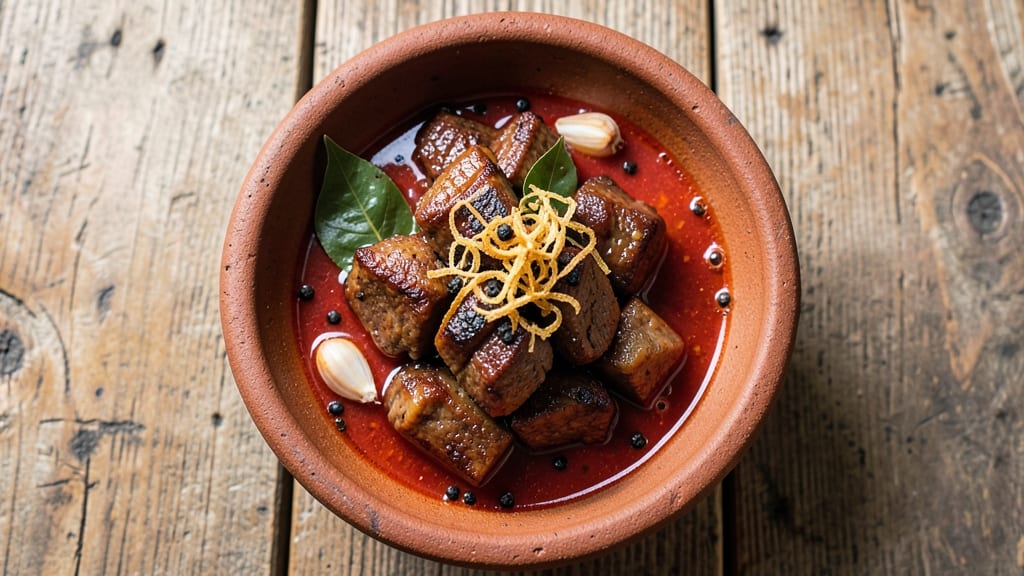
This beef adobo recipe captures the soul of Filipino home cooking in every tangy, savory bite—just like my grandmother used to make on Sunday afternoons. The slow braising process transforms tough cuts into melt-in-your-mouth tenderness, all while balancing the bold flavors of vinegar, soy sauce, and garlic.
I spent years perfecting this dish after discovering how much my family missed the taste of home when we moved away.
The beauty of adobo lies in its simplicity: just a few pantry staples and hours of gentle cooking. You'll start with beef marinated in vinegar and soy sauce, then braise it until the liquid reduces into a rich, glossy glaze.
The result is restaurant-quality Filipino comfort food that's foolproof once you understand the key steps—like deglazing the pan and skimming excess fat. Trust me, this method delivers results that'll have everyone asking for seconds.
By the time you serve this dish, your kitchen will smell like childhood memories, and your table will be covered in tender beef swimming in a glossy sauce. The perfect pairing? Steamed jasmine rice to soak up every last drop of that flavorful braising liquid.
This recipe isn't just about making dinner—it's about bringing a taste of home to your kitchen, no matter where you are.
Whether you're cooking for a family gathering or a quiet weeknight meal, this beef adobo adapts beautifully. The slow-cooked method means leftovers taste even better the next day, and the sauce freezes perfectly for future meals.
Let's get started on creating this timeless Filipino classic that's sure to become a household favorite.
Ingredients for beef adobo
Six pantry staples transform tough beef into melt-in-your-mouth Filipino comfort food.
| Ingredient | Amount | Notes |
|---|---|---|
| Beef Chuck Roast 🥩 | 3 lb | Cut into 2-inch chunks |
| Cane Vinegar 🍶 | 1 ½ cups | White vinegar substitute |
| Soy Sauce 🥢 | 1 cup | Dark soy preferred |
| Garlic Cloves 🧄 | 8 cloves | Minced, not pre-minced |
| Bay Leaves 🍃 | 2 whole | Fresh preferred |
| Black Peppercorns 🌶️ | 1 tbsp | Crushed, not ground |
| Olive Oil 🫒 | 2 tbsp | Extra-virgin for richness |
| Brown Sugar 🍚 | ½ cup | Light or dark |
| Ground Black Pepper 🌶️ | 1 tsp | Freshly ground |
| Salt 🧂 | 2 tsp | Kosher or sea salt |
| Water 💧 | 2 cups | For braising liquid |
| Jasmine Rice 🍚 | 3 cups | Uncooked, for serving |
The beef is everything here—chuck roast gives you that perfect balance of tenderness and flavor. I always grab mine from Filipino markets if available, but the regular supermarket chuck works too. Look for good marbling—it'll break down beautifully during the long braise. If you can't find chuck, short ribs or beef shank work as substitutes, though the texture will differ slightly. The vinegar matters too: cane vinegar is traditional, but white vinegar works in a pinch. My grandmother swore by Heinz soy sauce, but any good-quality dark soy will do.
No cane vinegar? White vinegar or apple cider vinegar both work—just add a pinch of sugar to balance the sharpness. Short on soy sauce? Coconut aminos or even fish sauce (start with half the amount) can mimic that umami punch. The garlic should be freshly minced—pre-minced garlic has no flavor. Brown sugar adds depth, but white sugar works too. Fresh bay leaves are ideal, but dried are fine if that's what you've got. The key is balancing the tangy, salty, and sweet flavors—taste as you go!
This dish tastes even better the next day, so make extra. Store in the fridge for up to 5 days or freeze for 3 months. The sauce thickens as it cools, so add a splash of water when reheating. Serve over steamed jasmine rice—it soaks up all that glorious sauce. Leftovers reheat beautifully in a skillet with a splash of water. Trust me, the second day is often the best day for adobo—everyone will be asking for seconds.
Why You'll Love This Recipe
- Foolproof Simplicity: The vinegar and soy sauce do most of the work—just sear the beef, toss in the aromatics, and let it braise. No fancy techniques, no hovering over the stove. I’ve made this while watching TV, and it still turns out tender.
- Umami Bomb: That balance of tangy vinegar cutting through the rich beef, with garlic and bay leaves adding depth? It’s the kind of flavor that makes you pause mid-bite. Honestly, the first time I tasted it, I immediately doubled the recipe.
- Leftovers That Shine: The sauce thickens beautifully overnight, so every reheat tastes better than the last. Pack it for lunches or serve it cold in tacos—it’s just as good the third day as it was fresh off the stove.
- Budget-Friendly Feast: A chuck roast stretches for a crowd, and the pantry staples (vinegar, soy sauce) won’t break the bank. Between us, this is my go-to for game days or when friends drop by unexpectedly—no stress, all flavor.
Step-by-step instructions for slow-braised beef adobo
This method delivers restaurant-quality Filipino adobo with tender beef and rich, tangy sauce.
Prepare the Beef and Aromatics
Cut the 3 lb beef chuck roast into 2-inch chunks and pat them dry with paper towels. This helps the meat absorb the marinade better and creates a better sear. In a small bowl, crush the 1 tbsp black peppercorns using a mortar and pestle or rolling pin—this releases their oils for deeper flavor.
Peel and mince the 8 cloves garlic finely, removing any green sprouts. The goal is to have a smooth paste rather than coarse pieces. Keep these ingredients separate for now—they'll come together in the braising liquid later. I like to work with fresh garlic because it adds a more vibrant flavor than pre-minced.
Sear the Beef for Maximum Flavor
Heat the 2 tbsp olive oil in a large Dutch oven over medium-high heat until shimmering. Working in batches if needed, add the beef chunks and sear for 3-4 minutes per side until they develop a deep golden-brown crust. Don't overcrowd the pan—this prevents proper browning and releases too much steam.
As the beef cooks, you'll notice it releases juices and fat into the pot. This is normal and actually enhances the sauce's richness. Transfer the seared beef to a plate and set aside. You'll return it to the pot once the aromatics have cooked down.
Build the Braising Liquid
In the same Dutch oven, add the minced garlic and cook for 30 seconds until fragrant—you'll smell that unmistakable garlic aroma. Immediately pour in the 1.5 cups cane vinegar and 1 cup soy sauce, scraping up any browned bits from the bottom with a wooden spoon. These bits are packed with flavor, so don't skip this step.
Add the 2 whole bay leaves, 0.5 cup brown sugar, 1 tsp ground black pepper, and 2 tsp salt to the pot. Stir everything together, then pour in the 2 cups water. The liquid should just barely cover the bottom of the pot—this ensures the beef braises rather than steams. Bring the mixture to a gentle simmer over medium heat.
Braise Until Fork-Tender
Return the seared beef to the pot, along with any accumulated juices from the plate. The liquid should come about halfway up the beef chunks. Cover the pot with a tight-fitting lid and reduce heat to low. Let the adobo simmer for 2 to 2.5 hours, stirring occasionally to prevent the bottom from sticking.
Here's where patience pays off—the beef will gradually break down into tender, melt-in-your-mouth pieces. You'll know it's done when a fork slides in easily and the meat pulls apart with minimal resistance. If the liquid reduces too much before the beef is tender, add 2-4 tablespoons water to maintain the proper braising level.
Finish and Serve with Jasmine Rice
Once the beef is fork-tender, remove the 2 whole bay leaves from the pot. Taste the sauce and adjust seasoning if needed—you might want to add a splash more soy sauce for saltiness or a bit of vinegar for tang. The sauce should be rich, slightly sweet, and balanced between tangy and savory.
Cook the 3 cups jasmine rice separately according to package instructions, fluffing it with a fork once done. Serve the beef adobo hot over the steamed rice, spooning generous amounts of the flavorful braising liquid over the top. Each bite should deliver tender beef with a perfect balance of sweet, tangy, and savory flavors.
Pro Tips For Making Beef Adobo
- Brown the Beef First: Skip the raw dump—sear the chuck roast in oil until it’s deep golden before adding vinegar. I learned this the hard way: skipping this step leaves you with mushy beef instead of tender, caramelized edges that soak up the adobo sauce like a sponge.
- Use White Vinegar First: Start with a splash of white vinegar (just 2 tablespoons) before the cane vinegar to mellow the sharpness. My grandmother swore by this, and it cuts the harsh acidity without diluting the flavor—trust me, your taste buds will notice the difference.
- Don’t Boil the Garlic: Sauté the garlic cloves whole in oil until fragrant but never let them brown or burn—just soft enough to pierce easily with a fork. After burning three batches, I finally figured out that crispy garlic ruins the sauce’s balance, turning it bitter instead of aromatic.
- Simmer Low and Slow: Cover the pot and cook on low heat for at least 2.5 hours, stirring occasionally to prevent sticking. Sounds weird, but it works: high heat turns the sauce gloppy, while low and slow keeps it silky and lets the beef fall apart with minimal effort. (Your future self will thank you.)
Make-ahead tips for leftovers
Prep Ahead for Easier Cooking
Start the marinade the night before—simply mix 1.5 cups cane vinegar, 1 cup soy sauce, 8 minced garlic cloves, 2 crushed bay leaves, and 1 tbsp crushed black peppercorns in a bowl.
Store in the fridge for up to 24 hours—this lets the flavors meld beautifully. I always prep this step when I know I'll be busy the next day. 💡
Slow Cooker Shortcut
For hands-off cooking, transfer the marinated beef to your slow cooker along with the remaining ingredients. Cook on low for 8 hours or high for 4-5 hours.
The slow cooker's gentle heat mimics the Dutch oven's braising, and you won't need to stir. Just add 2 cups water to the marinade before transferring the beef.
Freezer-Friendly Components
Freeze the raw beef chunks in a single layer on a tray for 1 hour to prevent sticking, then transfer to a freezer bag. Store the marinade separately.
When ready to cook, thaw the beef overnight in the fridge and use the marinade straight from the freezer. This method works perfectly for meal prep Sundays. ❄️
Sauce Prep for Leftovers
The braising liquid thickens as it cools, so I always make extra. Strain the sauce through a fine-mesh sieve to remove any solids, then store it in airtight containers. Use this reduced sauce as a quick glaze for grilled meats or stir it into rice for instant adobo fried rice.
It keeps in the fridge for 5 days or freezes for 3 months.
Rice Cooking Hack
Cook your jasmine rice ahead of time and keep it warm in a rice cooker's "keep warm" setting. This way, your rice is ready simultaneously with the beef.
For extra flavor, add 1 tbsp soy sauce and 1 tsp butter to the cooking water. The rice will absorb the sauce beautifully when serving. 🍚
Make-Ahead Serving Strategy
Assemble the complete dish in a slow cooker or Dutch oven, then reheat on low heat for 30-45 minutes before serving. This ensures the beef stays tender and the sauce doesn't dry out.
I often serve this for family gatherings because it's foolproof—just reheat and enjoy. The flavors actually deepen overnight, making it perfect for meal prep. 💫
Nutrition facts
Frequently asked questions
What's the best cut of beef for this Filipino recipe?
Chuck roast works perfectly because it's flavorful and breaks down beautifully during the long braise. If you can't find chuck, short ribs or beef shank also work well—they'll just have slightly different textures. The key is choosing a cut with good marbling for maximum flavor.
Can I make adobo without cane vinegar?
White vinegar or apple cider vinegar both work well. Just add a pinch of sugar (about 1 teaspoon) to balance the sharpness. The acidity is what creates that signature tangy flavor, so don't skip it entirely—it's what makes the sauce shine.
Why does my adobo sauce turn cloudy or separate?
This usually happens when the sauce cools too quickly or if too much fat rises to the surface. Skim off excess fat during cooking and reheat gently on low heat to restore clarity. The sauce should be glossy and slightly thickened—if it's watery, simmer uncovered for 5-10 minutes to reduce it.
How can I make this dish more family-friendly?
For a milder version, reduce the vinegar to 1 cup and add 1/4 cup coconut milk at the end. This balances the tanginess while keeping the rich flavors. You can also serve the beef plain and let everyone add sauce to taste—it's a great way to accommodate different preferences.
What's the secret to getting that perfect glossy sauce?
The gloss comes from reducing the liquid slowly while cooking. After the beef is tender, remove the lid and simmer uncovered for 10-15 minutes to thicken the sauce naturally. If it's still too thin, mash a few cooked beef pieces into the sauce—their natural starches will help bind it beautifully.