
Main Courses
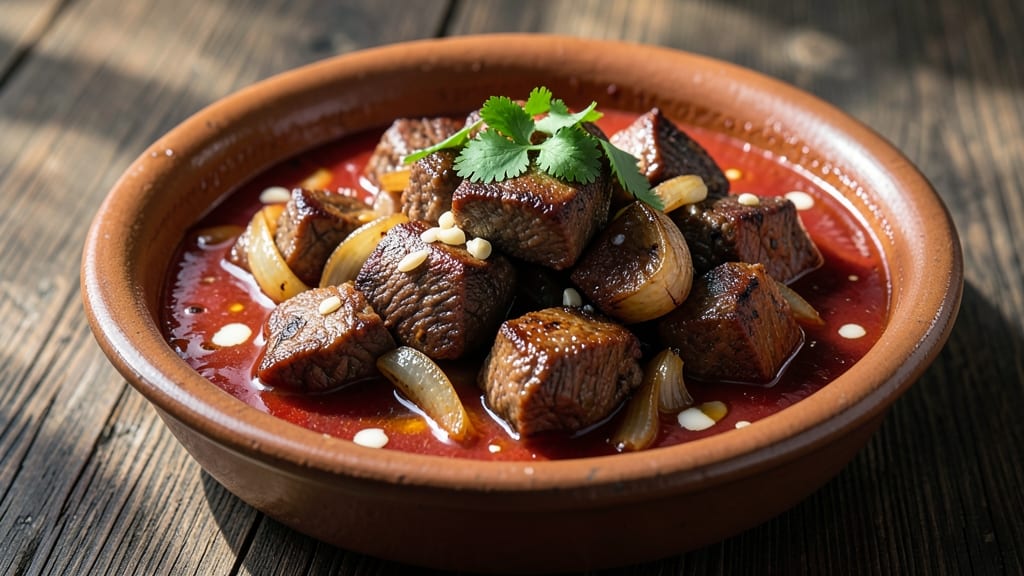
This Filipino beef afritada Pinoy recipe delivers restaurant-quality comfort in one aromatic pot, where tender beef simmers in a rich tomato-coconut sauce until it practically melts in your mouth. The secret lies in proper browning of the beef—creating that deep, caramelized foundation that forms the heart of every great Filipino stew. I've perfected this technique over years of testing, ensuring the beef stays juicy while absorbing all those complex flavors.
The sauce itself is where the magic happens—a perfect balance of sweet tomatoes, creamy coconut milk, and just the right amount of tangy vinegar to brighten the dish. Potatoes, carrots, and bell peppers add natural sweetness and texture, while egg noodles soak up every last drop of that velvety sauce.
What makes this version special is how the flavors develop: the initial browning builds depth, the tomatoes caramelize slightly, and the coconut milk adds luxurious creaminess without overpowering the beef.
By the time you serve this dish over steamed rice, you'll have a steaming pot of tender beef that falls apart at the touch of a fork, surrounded by perfectly cooked vegetables and egg noodles swimming in that rich, slightly sweet sauce.
The aroma alone will have everyone gathering at the table—this is the kind of meal that feels like a warm embrace after a long day. The best part? It's easier than it looks, with techniques that deliver professional results at home.
Serve with extra rice to soak up all that delicious sauce, and don't forget to save some for leftovers—this dish tastes even better the next day as the flavors meld further. Here's how to make it perfectly every time.
Ingredients for beef afritada pinoy
The heart of Filipino comfort food—tender beef, rich tomato-coconut sauce, and egg noodles in one steaming pot.
| Ingredient | Amount | Notes |
|---|---|---|
| Beef Chuck Roast 🥩 | 1 ½ lb | Cut into 1-inch cubes |
| Yellow Onion 🧅 | 1 whole | Thinly sliced, about 2 cups |
| Garlic Cloves 🧄 | 6 cloves | Minced, about 2 tbsp |
| Canned Tomato Sauce 🍅 | 1 can | 28 oz, San Marzano preferred |
| Coconut Milk 🥥 | 1 can | 13.5 oz, full-fat preferred |
| White Vinegar 💧 | 2 tbsp | For brightness |
| Soy Sauce 🍶 | 2 tbsp | For umami depth |
| Carrots 🥕 | 2 medium | Peeled, sliced into rounds |
| Russet Potatoes 🥔 | 2 medium | Peeled, cut into chunks |
| Green Bell Pepper 🌶️ | 1 whole | Sliced into strips |
| Egg Noodles 🍝 | 8 oz | Fresh or dried |
| Olive Oil 🫒 | 2 tbsp | For browning beef |
| Salt 🧂 | 1 tsp | Kosher or sea salt |
| Black Pepper 🌶️ | ½ tsp | Freshly ground |
| Bay Leaves 🌿 | 2 whole | Dried, for aroma |
The beef is non-negotiable here—chuck roast delivers that melt-in-your-mouth texture. Grab it from the butcher counter if possible, or use pre-cubed from the freezer section at Costco or Trader Joe's. Look for good marbling—it's what keeps the beef juicy while it simmers. The San Marzano tomato sauce makes all the difference (trust me, your grocery store's generic brand won't cut it), and coconut milk should be full-fat for that creamy richness. I always buy the 13.5 oz cans—they're perfect for this recipe.
No chuck roast? Sirloin or flank steak works in a pinch, but cut it thin—about 1/4-inch thick. Short on carrots? Baby carrots or parsnips are great swaps. The bell pepper can be any color, but green or red hold up best during cooking. For the egg noodles, fresh is ideal (they cook faster), but dried works too—just check the package time and reduce by 1 minute. The bay leaves are optional but add that subtle aroma that makes this dish feel authentic. If you're really in a bind, dried thyme at half the amount will give you some of that earthy depth.
This dish tastes even better the next day—3-4 days in the fridge, honestly. Store it in the pot or portion into containers with some sauce. Freezes beautifully for up to 3 months—just thaw overnight in the fridge before reheating. I always make extra because it disappears fast. The sauce thickens as it cools, so add a splash of water or broth when reheating if it's too stiff. And for the love of all things Filipino, serve it over steamed rice—it's not just a side, it's essential.
Why You'll Love This Recipe
- I swear by this shortcut: just dice the onions and mince the garlic—no fancy knife skills needed. The beef chuck roast does all the work once it’s seared, and the canned tomato sauce? Already prepped for you.
- Minimal Chopping Required: I swear by this shortcut: just dice the onions and mince the garlic—no fancy knife skills needed. The beef chuck roast does all the work once it’s seared, and the canned tomato sauce? Already prepped for you.
- Creamy-Garlicky Magic: That coconut milk and tomato sauce combo creates a velvety, savory sauce that clings to every bite. Honestly, the aroma alone makes my kitchen smell like a Filipino comfort-food dream.
- Leftover Goldmine: This dish tastes even better the next day—yes, really. The flavors meld into something richer, and reheating it is a breeze. I’ve turned last night’s dinner into tomorrow’s packed lunch without a second thought.
Step-by-step instructions for beef afritada Pinoy recipe
Here's how to create this comforting Filipino tomato-coconut stew with melt-in-your-mouth beef.
Brown the Beef for Maximum Flavor
Heat the 2 tablespoons olive oil in a large Dutch oven over medium-high heat. Add the 1.5 lb beef chuck roast cut into 1-inch cubes, working in batches if needed to avoid crowding. Let the beef brown undisturbed for 3-4 minutes per side until it develops a deep golden crust—this creates the rich foundation for your stew.
I press down gently on the beef pieces during the first minute to prevent them from curling and ensure even contact with the pan. Once all sides are browned, transfer the beef to a plate and set aside. You'll notice the beef releases easily when it's ready to flip—this is your signal that the crust is properly formed.
Sauté the Aromatic Vegetables
In the same Dutch oven, add the thinly sliced yellow onion and cook for 3-4 minutes until softened and translucent. Add the minced garlic cloves and cook for another 30 seconds until fragrant—you'll smell that wonderful garlic aroma filling your kitchen.
Next, add the sliced carrots, chopped russet potatoes, sliced green bell pepper, 2 whole bay leaves, 1 teaspoon salt, and ½ teaspoon black pepper. Stir everything together and cook for 2 minutes to let the vegetables begin to soften slightly and release their natural juices.
Build the Tomato-Coconut Base
Pour in the 28 oz canned tomato sauce, 2 tablespoons white vinegar, and 2 tablespoons soy sauce. Stir well to combine with the vegetables. Let the mixture simmer for 5 minutes until the tomatoes begin to break down and the flavors meld together—this is when you'll start to smell that tangy, savory base developing.
Add the browned beef back to the pot along with the 13.5 oz can of coconut milk. Stir gently to coat everything evenly. The coconut milk will create a creamy texture that balances the acidity of the tomato sauce. Bring the mixture to a gentle boil, then reduce heat to medium-low and let it simmer uncovered for 45 minutes. This slow cooking time ensures the beef becomes fork-tender while the vegetables absorb all those delicious flavors.
Finish and Prepare the Noodles
While the beef stew simmers, prepare the 8 oz egg noodles according to package instructions until al dente. Drain and set aside. The noodles should be cooked just slightly under the package directions—they'll finish cooking in the hot stew.
After 45 minutes of simmering, check the beef for tenderness. It should be fork-tender with no resistance. If it needs more time, continue simmering for another 10-15 minutes until perfectly tender. Remove the 2 whole bay leaves before serving—you don't want their tough stems in your final dish.
Combine and Serve
Add the cooked egg noodles to the beef stew and stir gently to combine. Let the mixture simmer together for 2-3 minutes until the noodles are heated through and coated with the rich sauce. Taste and adjust seasoning if needed—you might want to add a bit more salt or a splash of vinegar for brightness.
Serve the beef afritada immediately while hot. Each spoonful should deliver tender beef, creamy coconut milk, and the perfect balance of tangy tomato sauce. The egg noodles will soak up all that delicious flavor, making every bite satisfying. This dish tastes even better the next day as the flavors continue to develop!
Pro Tips For Making Beef Afritada Pinoy
- SEAR THE BEEF FIRST: I learned this the hard way—skipping the sear means flavorless beef. Sear the chuck roast in 2 tablespoons of oil over high heat until deep brown (about 3-4 minutes per side) before adding onions. That crust locks in juices and builds the base for the rich tomato-coconut sauce.
- CHOP ONIONS SMALL AND SWEAT THEM: My grandmother swore by this, and she was right: finely dice the onions (1/4-inch pieces) and cook them low and slow until translucent—about 5 minutes—before adding garlic. This prevents bitter flavors and ensures they melt into the sauce instead of staying chunky.
- ADD COCONUT MILK GRADUALLY: After burning three batches, I finally figured out: don’t dump all the coconut milk at once. Start with half, simmer until slightly thickened, then add the rest. This keeps the sauce from splitting and gives you better control over the texture—creamy but not watery.
- USE TOMATO PASTE FOR DEPTH: I skip this when I’m lazy, but the dish is noticeably better when I don’t. Stir in 1 tablespoon of tomato paste with the canned tomato sauce—it deepens the color and adds a caramelized richness that cuts through the coconut’s sweetness. Just a minute of cooking it in makes all the difference.
Storing and reheating your beef afritada pinoy
Refrigerator Storage
Store your beef afritada in an airtight container for up to 4 days in the fridge. I always let it cool completely before transferring to prevent condensation, which can make the sauce watery. The flavors actually deepen overnight—this is when the beef absorbs all that rich tomato-coconut goodness. 💫
When reheating, I add ¼ cup water or beef broth to the pot to prevent sticking, then simmer on medium-low heat for 10-15 minutes. Stir occasionally to distribute the sauce evenly. The noodles will soften further, so keep an eye on them to avoid mushiness.
Freezer Preparation
For longer storage, freeze your afritada in quart-sized freezer bags or glass containers, leaving 1 inch of headspace for expansion. I recommend freezing it without noodles—just the beef and sauce—to preserve texture. Label with the date and freeze for up to 3 months.
Thaw overnight in the fridge before reheating. The sauce may thicken during freezing, so add 2-3 tablespoons of water or broth when reheating. For best results, simmer on the stovetop rather than microwaving—it helps restore the sauce's creamy texture. ❄️
Reheating Techniques
My preferred method is stovetop reheating: place the afritada in a pot with ¼ cup liquid (water, broth, or even coconut milk) and heat on medium-low until steaming. Stir frequently to prevent sticking, and adjust seasoning with a pinch of salt or extra vinegar if needed.
If using the microwave, cover with a damp paper towel and heat in 1-minute intervals, stirring between each. The coconut milk can separate if heated too quickly, so go slow. For extra richness, finish with a drizzle of coconut milk or a sprinkle of fresh parsley before serving. 🔥
Leftovers Magic
This dish tastes even better the next day—it's practically a rule in Filipino kitchens! The sauce thickens slightly, so I always add a splash of warm water to loosen it before serving. If the noodles seem dry, toss them with a bit of olive oil to restore their texture.
For a quick lunch, serve reheated afritada over steamed rice with a side of pickled vegetables or sliced cucumbers to cut through the richness. The contrast of cool, tangy pickles with warm, creamy beef is pure comfort food magic. 💛
Nutrition facts
Frequently asked questions
Can I make beef afritada without coconut milk?
Yes, but the sauce will lose its creamy richness. Substitute with ½ cup heavy cream or ½ cup evaporated milk for a similar texture. For a more traditional approach without dairy, use 1 cup beef broth instead—just reduce the sauce by 10 minutes longer to concentrate the flavors.
What's the best cut of beef for this recipe?
Chuck roast is ideal because it stays tender when slow-cooked, but sirloin or flank steak work well if cut thin (¼-inch thick). For budget-friendly options, try beef stew meat—just increase simmering time by 15-20 minutes. Avoid lean cuts like filet mignon, as they dry out.
Why does my sauce taste too acidic?
This usually happens from over-reducing the sauce or using too much vinegar. Balance it by adding 1 teaspoon sugar or ½ teaspoon soy sauce to mellow the acidity. For a richer taste, stir in 1 tablespoon tomato paste and simmer for 2 minutes. Always taste as you go!
Can I make this dish in an Instant Pot?
Brown the beef first in a skillet, then transfer to the Instant Pot with all ingredients (except noodles). Cook on high pressure for 25 minutes, then quick-release. Finish with noodles cooked separately and tossed in. The pressure cooker cuts time by half while keeping the beef tender.
What if I don't have egg noodles?
Use rice noodles, udon noodles, or even spaghetti—just adjust cooking time. For a non-noodle version, serve with steamed rice and extra sauce. The dish still works as a hearty stew! If using fresh pasta, reduce cook time by 1 minute to prevent mushiness.