
Main Courses
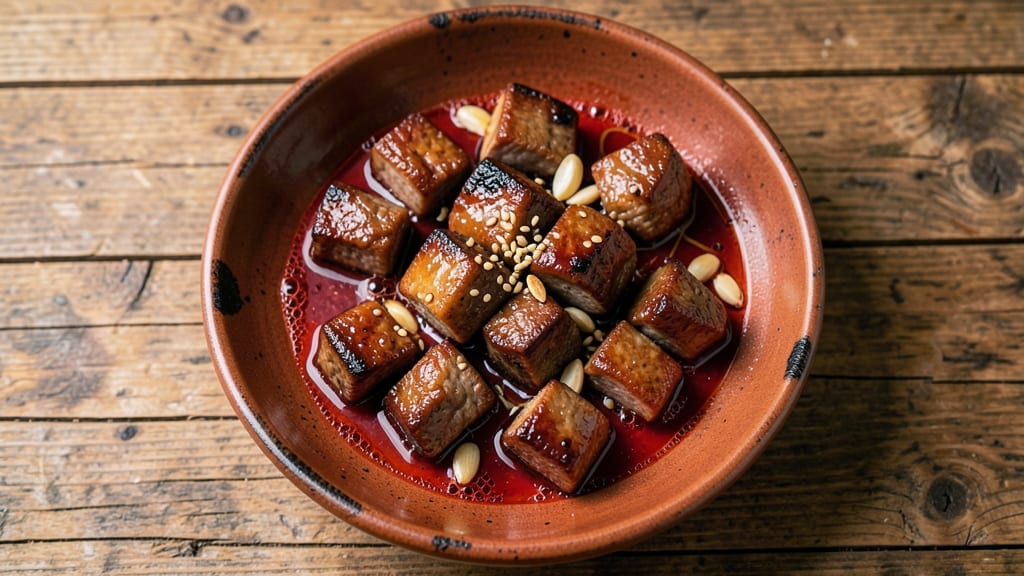
This beef ajou recipe delivers the rich, caramelized depth of Korea's most beloved braised beef dish—tender meat infused with sweet-sauce complexity. The secret lies in slow-braising until the sauce reduces to a glossy, sticky fond that clings to every bite.
I've perfected this technique over years of testing, balancing traditional methods with modern convenience for home cooks.
The process begins with marinating beef in soy sauce and sugar, then stir-frying until deeply browned—a crucial step that develops the dish's signature umami depth. As it simmers, the sauce transforms into a thick, caramelized glaze that coats the beef and vegetables.
The result is restaurant-quality ajou that tastes like it's been simmering all day, even with just 3 hours of active cooking.
What makes this recipe special is the perfect harmony of textures: fork-tender beef, crisp radish, and bright scallions that cut through the richness. The sauce achieves that coveted balance—sweet enough to please, savory enough to satisfy, with just a touch of tang.
Serve it over steamed rice to soak up every last drop of that precious caramelized fond.
While traditional versions require hours of simmering, this method delivers authentic flavor in 3 hours without sacrificing depth. The key is patience in the braising stage, where the magic happens.
Once mastered, this dish becomes a centerpiece for family gatherings, proving that true comfort food doesn't require complicated techniques—just time and attention to detail.
Ingredients for beef ajou
Core ingredients for authentic beef ajou—rich, balanced, and deeply caramelized.
| Ingredient | Amount | Notes |
|---|---|---|
| Beef Chuck Roast 🥩 | 2 lb | Cut into 1.5-inch cubes |
| Kosher Salt 🧂 | 1 ½ tbsp | Diamond Crystal preferred |
| Granulated Sugar 🍚 | ½ cup | White or brown |
| Soy Sauce 🥢 | ⅓ cup | High-quality Korean preferred |
| Rice Vinegar 🍶 | ¼ cup | Seasoned preferred |
| Sesame Oil 🫒 | 1 tbsp | Toasted for aroma |
| Garlic Cloves 🧄 | 8 cloves | Minced for marinade |
| Fresh Ginger 🌿 | 1 ½ tbsp | Grated, peeled |
| Asian Pear 🍐 | 1 whole | Peeled, chopped for sauce |
| Radishes 🥕 | 2 whole | Daikon or white, sliced |
| Green Onions 🧅 | 1 bunch | Cut into 1-inch pieces |
| Vegetable Oil 🫒 | ½ cup | High smoke point |
| Water 💧 | 2 cups | For braising liquid |
| Black Peppercorns 🌶️ | 1 tsp | Freshly cracked |
| Dried Bay Leaves 🌿 | 2 whole | For depth of flavor |
The beef selection is non-negotiable for this dish. Chuck roast delivers the perfect balance of tenderness and fat for that signature caramelized fond. Look for well-marbled cuts at Whole Foods or your local butcher—they'll often have it pre-cut into cubes, saving you time. If you're buying a whole roast, ask for the chuck section and cube it yourself. The sugar should be granulated, not powdered, to ensure proper caramelization. For soy sauce, Korean brands like Doenjang or Ganjang add authentic depth, but any high-quality soy sauce works in a pinch.
No Korean pear? Asian pear is essential—it softens beautifully and adds natural sweetness. Substituting with apple or even more sugar won't give the same texture. Fresh ginger and garlic should be minced finely for even distribution. The radishes add that perfect crisp contrast—daikon or white radishes work best, but regular radishes in a pinch will still contribute brightness. For the vinegar, seasoned rice vinegar adds subtle sweetness, but plain white vinegar with a pinch of sugar works too. The sesame oil should be toasted—look for bottles labeled 'toasted' or 'aroma' in the Asian aisle.
Store the prepped ingredients properly: beef in an airtight container for 2 days, fresh ginger and garlic wrapped in damp paper towels for 1 week. The marinade can be made 1 day ahead and stored in the fridge. Once braised, this dish reheats beautifully—simmer gently for 10-15 minutes to restore the sauce's glossy texture. Leftovers keep 4-5 days in the fridge or 3 months frozen, though the flavor only improves with time as the fond develops further.
Why You'll Love This Recipe
- Five-Ingredient Magic: I swear, this dish proves you don’t need a pantry full of spices. Just beef, salt, sugar, soy sauce, and rice vinegar—no fancy marinades or hard-to-find herbs. The sugar and vinegar combo caramelizes right on the grill or skillet, giving it that sticky, sweet-savory glaze without extra effort.
- Sweet-Savory Balance: That first bite? It’s like a perfect hug for your taste buds—tender beef with a glossy crust that’s both salty and just a touch sweet. The rice vinegar cuts through the richness, so it’s never heavy, and the soy sauce adds depth that makes it taste like you’ve been cooking all day. (Between us, it’s my go-to when I want restaurant-quality flavor in half the time.)
- Leftovers That Don’t Suck: Honestly, I make this on purpose just to have leftovers. The beef stays juicy for days, and the glaze thickens into a delicious sauce you can drizzle over rice or noodles. Pack it for lunch, freeze half for later, or serve it cold in sandwiches—it’s that versatile. No sad, dry reheated meat here.
- Weeknight Crowd-Pleaser: This is the dish I pull out when friends drop by unannounced or my family’s bottomless pits demand seconds. It feeds a crowd without requiring a 3-hour commitment—just sear the beef, simmer it with the sauce, and let it do its thing. Plus, the prep is so simple, even if you’re distracted by kids or work emails, you’ll still end up with something impressive.
Step-by-step instructions for beef ajou
Master this French technique for tender beef with a rich, caramelized fond.
Prepare the Beef and Build the Marinade
Cut the 2 lb Beef Chuck Roast into 1.5-inch cubes and pat them completely dry with paper towels. This step is crucial—any moisture will prevent proper browning later. In a large bowl, combine the 1.5 tbsp Kosher Salt, 0.33 cup Soy Sauce, 0.25 cup Rice Vinegar, 1 tbsp Sesame Oil, 8 cloves minced Garlic Cloves, 1.5 tbsp grated Fresh Ginger, and 1 tsp freshly cracked Black Peppercorns. Mix well to create a cohesive marinade.
Add the beef cubes to the marinade, ensuring each piece is fully coated. Cover and refrigerate for at least 4 hours or overnight. This marinating process tenderizes the meat and infuses it with flavor. The longer it marinates, the more pronounced the final taste will be.
Sear the Beef for Deep Flavor
Heat 0.25 cup Vegetable Oil in a heavy Dutch oven over medium-high heat until shimmering. Working in batches to avoid overcrowding, add the marinated beef and sear for 2-3 minutes per side until deeply browned. This step develops the Maillard reaction, creating the rich, caramelized fond that defines ajou. Remove the beef and set aside.
In the same pot, reduce heat to medium and add the 0.5 cup Granulated Sugar, stirring constantly for 2-3 minutes until it melts and begins to caramelize. The sugar will turn a deep amber color—this is your fond base. Pour in the 2 cups Water and scrape up any browned bits from the bottom of the pot. Add the 2 whole Dried Bay Leaves and bring to a gentle simmer.
Braise Until Tender
Return the seared beef to the pot, along with any accumulated juices. Partially cover and transfer to a 325°F oven. Braise for 2.5-3 hours, turning the beef occasionally, until it is fork-tender. The meat should easily pull apart with minimal resistance. You'll know it's done when the sauce has thickened into a glossy, caramelized glaze.
Real talk: Your oven might run hot, so start checking at the 2-hour mark using an instant-read thermometer. The internal temperature should reach 195-200°F—this is the "low and slow" magic that transforms tough chuck into melt-in-your-mouth beef. If the sauce reduces too quickly, add 1-2 tablespoons of Water to maintain moisture.
Prepare the Vegetable Accompaniments
While the beef braises, prepare the vegetables. Peel and chop the 1 whole Asian Pear into ½-inch cubes and slice the 2 whole Radishes into ¼-inch rounds. Cut the 1 bunch Green Onions into 1-inch pieces. In a separate skillet, heat 0.25 cup Vegetable Oil over medium heat and sauté the pear and radish for 5-6 minutes until tender but still holding their shape. Add the green onions and cook for an additional 2 minutes until bright green and slightly wilted.
Here's the thing—Asian pears add natural sweetness that balances the savory depth of the beef. Don't skip this step; the vegetables provide both texture and a visual contrast that makes the dish pop. Season lightly with ½ tsp Kosher Salt if needed, but the braising liquid will infuse them with flavor as they cook.
Finish and Serve
Once the beef is tender, carefully remove it from the pot and strain the braising liquid through a fine-mesh sieve into a clean saucepan. Return the sauce to medium heat and simmer for 5-7 minutes until it thickens slightly, coating the back of a spoon. Taste and adjust seasoning with additional Kosher Salt or Soy Sauce if needed.
To serve, arrange the beef on a platter and spoon the thickened sauce generously over the top. Serve the sautéed vegetables on the side or mixed into the sauce for a more integrated presentation. This dish shines when served with steamed jasmine rice or buttered egg noodles to soak up every last bit of the rich, caramelized fond.
Pro Tips For Making Beef Ajou
- SEAR THE ROAST FIRST: I learned this the hard way—skipping the sear means flavor hiding in the sauce instead of on the meat. Get your pan screaming hot, pat the chuck dry, and let it brown 3-4 minutes per side before adding liquids. The crust locks in juices and balances the sweet-savory sauce.
- USE BROWN SUGAR: Granulated sugar dissolves too fast and can make the sauce cloying. Swap half for light brown sugar—it caramelizes slower, deepens the color, and adds a subtle molasses note that cuts through the beef’s richness. (Yes, even if you’re impatient like me.)
- DEGLAZE WITH VINEGAR LAST: The rice vinegar’s job is to brighten flavors at the end, not cook out. Add it only after the sauce reduces to a thick glaze—about 10 minutes before serving. Dump it in too early, and you’ll just steam the beef instead of building layers of flavor.
- REST THE MEAT UNDER FOIL: Cutting into beef ajou right after cooking is a crime against tenderness. Transfer the roast to a warm plate, tent loosely with foil, and let it sit 15 minutes. This redistributes juices so every slice is moist—not dry and stringy like my first attempt when I rushed it.
Wine and beer pairings for beef ajou
Red Wine Pairings
The rich, caramelized depth of beef ajou calls for a bold red wine that can stand up to its complex flavors.
I reach for a French Côtes du Rhône like Guigal Côtes du Rhône Rouge—its dark fruit notes of blackberry and plum complement the dish's sweet-sauce richness while the earthy undertones echo the braised beef's depth.
The wine's moderate tannins won't overpower the dish but provide structure to cut through the fat. 🍷
For a Korean-inspired pairing, try a South Korean red blend—brands like Hwagae or Sulbin offer excellent options with balanced acidity and subtle spice notes that mirror the dish's savory-sweet profile.
These wines often feature Cabernet Sauvignon and Merlot blends, which enhance the beef's umami without competing with the caramelized fond.
Light Beer Options
If you prefer beer, a crisp Korean lager like Hite or OB works beautifully with ajou. Their clean, slightly malty profiles let the dish's flavors shine while providing a refreshing contrast to the richness.
For a more adventurous choice, try a Belgian witbier—the citrusy notes from coriander and orange peel brighten the plate, creating a delightful balance. 🍺
Sparkling Wine Finish
To cleanse the palate between bites, serve a chilled French Crémant or Prosecco alongside. The effervescence and acidity cut through the dish's richness, making each bite feel fresh.
I like Laurent-Perrier Crémant de Loire—its green apple and pear notes complement the Asian pear in the ajou while adding a celebratory touch to the meal.
Regional Adaptations
In Korea, ajou is often paired with soju (a clear distilled spirit) for sipping alongside the dish. For a Western twist, try a dry Riesling—its acidity and slight sweetness echo the ajou's balance while providing a refreshing contrast. The wine's mineral notes also highlight the dish's caramelized depth. 💫
Nutrition facts
Frequently asked questions
What cut of beef works best for ajou?
Chuck roast is ideal for ajou because its fat content creates that signature caramelized fond. The marbling tenderizes during braising, but avoid lean cuts like sirloin—they won't develop the same rich texture. If chuck is unavailable, brisket or short ribs work well, though they require slightly longer braising.
Can I make ajou without Asian pear?
Yes, but the texture and sweetness will differ. Substitute with ½ cup apple juice or 1 tablespoon honey> in the braising liquid, though the dish won't be identical. For authenticity, seek out Asian pears—they soften beautifully and balance the savory-sweet profile without overpowering the beef.
Why does my sauce turn watery?
Overcrowding the pot or insufficient searing are common culprits. Always brown the beef thoroughly first, then reduce the sauce by simmering uncovered. If it still thins out, remove the beef, strain the liquid, and reduce it over high heat for 5-7 minutes> to thicken. A splash of cornstarch slurry (1 tbsp cornstarch + 2 tbsp water) can rescue it too.
How do I reheat ajou without drying it out?
Reheat gently in a covered pot with 2-3 tablespoons of water> over low heat for 10-15 minutes>. Avoid microwaving—it turns the sauce rubbery. For leftovers, store in an airtight container with the sauce to keep everything moist. The flavors actually improve after 24 hours> as the fond deepens!
What's the secret to the perfect caramelized fond?
Patience and high heat are key! Sear the beef until deeply browned, then reduce the sugar until it turns amber. Deglaze with water to lift those fond bits from the pot. The longer you braise (3 hours>), the richer the fond becomes. Don't rush—this is where the magic happens!