
Soups & Stews
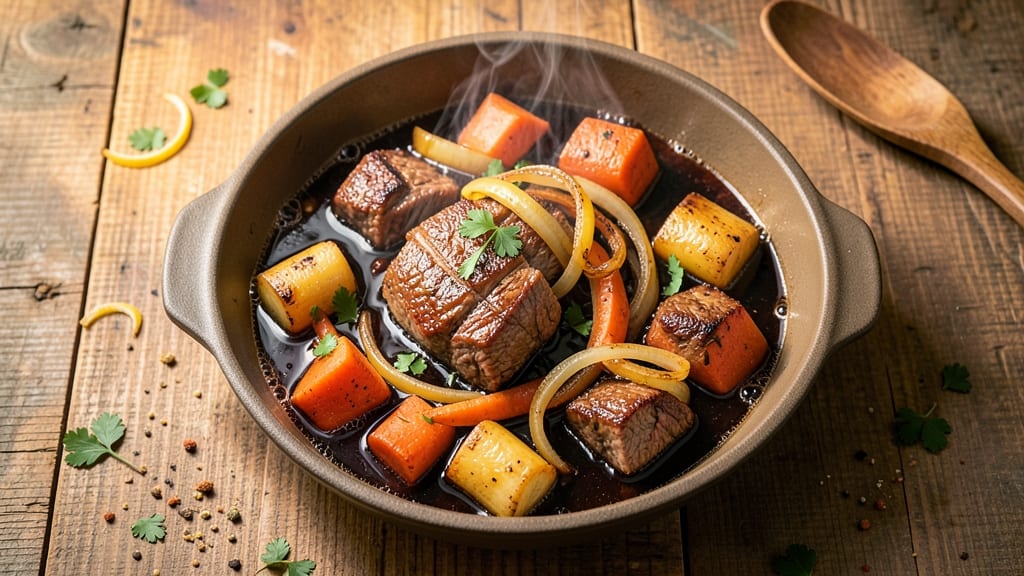
This beef ale stew recipe transforms tough cuts into melt-in-your-mouth tenderness through slow simmering, where rich ale and caramelized root vegetables create a deeply satisfying dish. The secret lies in proper searing and a long, low cook that develops complex flavors—no shortcuts, just time-tested technique.
What starts as a simple pot of ingredients becomes a hearty, aromatic stew that tastes even better the next day.
Professional cooks know the importance of browning the beef deeply before adding liquid, which builds a flavorful foundation. Using a mix of dark ale and beef broth creates depth, while root vegetables like carrots and parsnips caramelize beautifully during the slow cook.
The result is a stew with layers of umami, sweetness, and malty richness that makes every spoonful worth the wait.
By the time you finish, you'll have a restaurant-quality stew with fork-tender beef, tender vegetables, and a velvety sauce that coats every bite. This is comfort food at its finest—perfect for cold evenings or family gatherings.
The aroma alone will have everyone gathering around the table, eager for that first taste.
The beauty of this recipe is its versatility—serve it with crusty bread for soaking up every drop or alongside mashed potatoes for a complete meal. The leftovers reheat beautifully, making it ideal for meal prep. Let's get started on creating this timeless classic.
Ingredients for beef ale stew
Transform tough beef into restaurant-worthy stew with these carefully chosen ingredients.
| Ingredient | Amount | Notes |
|---|---|---|
| Chuck Roast 🥩 | 2 lb | Cut into 1.5-inch cubes |
| Dark Ale 🍺 | 2 cups | Stout or porter preferred |
| Beef Broth 🥄 | 2 cups | Low-sodium preferred |
| Yellow Onion 🧅 | 1 whole | Diced, about 1.5 cups |
| Carrots 🥕 | 4 medium | Cut into 1-inch chunks |
| Parsnips 🥕 | 2 medium | Cut into 1-inch chunks |
| Garlic Cloves 🧄 | 4 cloves | Minced, for depth |
| Tomato Paste 🍅 | 2 tbsp | For umami richness |
| Fresh Thyme 🌿 | 2 sprigs | Or 1 tsp dried |
| Fresh Rosemary 🌿 | 1 sprig | For aromatic depth |
| Olive Oil 🫒 | 2 tbsp | Extra-virgin for searing |
| Flour 🌾 | 2 tbsp | All-purpose, for dredging |
| Salt 🧂 | 1 ½ tsp | Diamond Crystal preferred |
| Black Peppercorns 🌶️ | ½ tsp | Freshly cracked |
| Bay Leaf 🌿 | 2 whole | For subtle flavor |
The chuck roast is non-negotiable—its marbling ensures melt-in-your-mouth texture. Buy from a quality butcher or pre-cut section at Whole Foods for consistent results. Look for cuts with visible fat marbling, not lean strips. Dark ale adds malty depth; Guinness or Samuel Smith's Nut Brown Ale work exceptionally well, but any robust stout will suffice. Fresh thyme and rosemary elevate the dish—harvest from your garden or buy from a reputable spice merchant for the best flavor. The tomato paste should be smooth, not chunky, for seamless blending into the sauce.
No dark ale? Substitute with beef broth and a splash of balsamic vinegar for a similar depth. Prefer dried herbs? Use half the amount of fresh, but toast them lightly in a dry pan first to intensify flavor. The flour for dredging should be all-purpose, but bread flour works better for a slightly crispier crust. If you can't find parsnips, swap them for additional carrots or a touch of sweet potato. The bay leaves should be fresh—dried leaves can impart a bitter taste if overcooked. For extra richness, add a splash of Worcestershire sauce, though it contains anchovies, so omit if vegetarian.
Store the stew in an airtight container for up to 5 days in the refrigerator, where flavors deepen overnight. Freeze for 3 months by portioning into meal-sized containers. The ale-based stew reheats beautifully—simmer gently on the stove or microwave until steaming hot. For meal prep, double the recipe and freeze portions; simply thaw and reheat for a quick weeknight dinner. The vegetables will soften further upon reheating, so adjust cooking time slightly if using leftovers.
Why You'll Love This Recipe
- Here’s what sold me: that rich, malty dark ale doesn’t just flavor the stew—it transforms it. The bitterness cuts through the richness of the beef, while the caramel notes deepen as it simmers. It’s like a cozy hug in a bowl, but better because it’s not your mom’s hug.
- Hands-Off Cooking: I swear by this stew because it’s the kind of dish you can walk away from—literally. Chuck roast gets tossed in a pot with dark ale and broth, then slow-cooks until it’s fall-apart tender. No stirring, no babysitting, just pure set-and-forget magic.
- Dark Ale Magic: Here’s what sold me: that rich, malty dark ale doesn’t just flavor the stew—it transforms it. The bitterness cuts through the richness of the beef, while the caramel notes deepen as it simmers. It’s like a cozy hug in a bowl, but better because it’s not your mom’s hug.
- Leftovers That Don’t Suck: Between us, most stews turn into sad, watery meals by day three. Not this one. The chuck roast stays juicy, the carrots hold their bite, and the ale keeps everything vibrant. I make a double batch on Sundays and eat it for lunch all week—no complaints.
Step-by-step instructions for beef ale stew
Master this slow-cooked classic with deep flavors from caramelized vegetables and malty ale.
Sear the Chuck Roast for Maximum Flavor
Pat the 2 lb chuck roast dry with paper towels and cut it into 1.5-inch cubes. Heat 2 tablespoons olive oil in a heavy Dutch oven over medium-high heat. Working in batches if needed, sear the beef cubes until deep golden brown on all sides—this takes about 3-4 minutes per batch. Don't crowd the pan, or the temperature will drop and the beef won't develop that crucial crust.
As you sear, you'll notice the meat releases its natural juices. These juices, along with the caramelized bits (fond) that form in the pan, are the foundation of your stew's rich flavor. Transfer the seared beef to a plate and set aside.
Build the Flavor Base with Vegetables and Aromatics
In the same Dutch oven, reduce the heat to medium and add the diced yellow onion. Cook for 5-6 minutes until softened and beginning to caramelize—you'll see it turn from pale to golden. Add the 4 medium carrots and 2 medium parsnips, both cut into 1-inch chunks, along with the 4 cloves minced garlic. Stir occasionally for 3-4 minutes until the vegetables soften slightly and the garlic releases its aromatic oils.
At this point, the vegetables should smell sweet and earthy. This is where the foundation of your stew's depth comes from. Stir in the 2 tablespoons tomato paste and cook for 1 minute, allowing it to darken slightly. This step deepens the umami flavor that will carry through the entire dish.
Deglaze and Create the Stew Base
Pour in the 2 cups dark ale and scrape up all the browned bits from the bottom of the pan with a wooden spoon. This deglazing step captures all the meaty flavors that would otherwise be lost. Let the mixture simmer for 3-4 minutes until the alcohol smell dissipates and the liquid reduces by about 25%. You'll notice the aroma shift from sharp and alcoholic to rich and malty.
Add the 2 cups beef broth, 2 whole bay leaf, 2 sprigs fresh thyme, 1 sprig fresh rosemary, 1.5 teaspoons salt, and 0.5 teaspoon black peppercorns. Stir well to combine all ingredients. Bring the mixture to a gentle simmer over medium-low heat. The liquid should bubble softly—this is crucial for even cooking without scorching.
Slow-Simmer to Tender Perfection
Return the seared beef cubes to the Dutch oven and bring the stew back to a simmer. Partially cover the pot with a lid, leaving a small gap for steam to escape. This helps prevent the surface from forming a skin while still allowing the flavors to meld. Simmer gently for 2 to 2.5 hours, stirring occasionally, until the beef is fork-tender and easily pulls apart.
During this time, the vegetables will soften completely and develop a sweet, caramelized flavor. The stew should thicken slightly as the liquid reduces. If it becomes too thick before the beef is tender, add a splash of water or additional broth to maintain the proper consistency. The key is patience—rushing this step will result in tough meat.
Finish and Adjust Seasoning
Once the beef is tender, remove the bay leaf and adjust the seasoning if needed. Taste the stew and add more salt or black pepper as necessary. The dark ale and tomato paste should provide enough natural saltiness, but don't hesitate to adjust to your preference. Let the stew sit off the heat for 5-10 minutes to allow the flavors to fully develop and settle.
Serve the stew hot, ladling each portion with some of the rich, flavorful liquid. The perfect beef ale stew should have tender beef that falls apart easily, sweetly caramelized vegetables, and a deep, malty broth that coats every bite. The fresh thyme and rosemary add bright herbal notes that cut through the richness, while the ale brings a subtle bitterness that balances the dish beautifully.
Pro Tips For Making Beef Ale Stew
- Sear the Chuck First: Brown that roast in batches—don’t overcrowd the pan—so it develops a deep crust before the ale even touches it. I learned this the hard way when my stew tasted more like broth than anything else.
- Use a Cold Ale: Pour the dark ale cold into the pot after browning—it’ll heat up as the stew simmers, preventing a sudden alcohol burn that ruins the flavor. (Yes, even if you’re impatient like me.)
- Don’t Skip the Onion Base: Cook the onions until they’re almost caramelized—soft, sweet, and just starting to stick—before adding anything else. This isn’t just flavor; it’s the foundation of the stew’s depth.
- Add Carrots Late: Toss the carrots in last 30 minutes—they’ll soften perfectly without turning to mush. If you add them early, you’ll end up with sad, waterlogged sticks instead of tender bites.
Common mistakes when making perfect results
Skipping the Sear
This is the biggest flavor killer in stews. When you skip searing the beef, you miss the Maillard reaction that creates deep, caramelized flavors. I've seen beginners rush this step, thinking they can compensate later—don't fall for it.
The seared crust adds complexity that no amount of ale or broth can replicate. Always take the 5-10 minutes needed to properly brown the beef in batches. 🔥
Using Lean Cuts
Chuck roast is specifically chosen for its marbling, which breaks down during slow cooking. Substituting leaner cuts like sirloin or flank steak will leave you with tough, chewy beef. The fat in chuck renders out, keeping the meat moist.
If you must use a leaner cut, consider pre-tenderizing with marinade or sous vide first, but it won't taste the same as properly cooked chuck.
Overcrowding the Pot
When you add too much liquid at once or overfill your Dutch oven, the stew won't develop proper depth of flavor. The ideal ratio is about 1 cup liquid per pound of beef.
If your stew looks watery after simmering, reduce it uncovered for 10-15 minutes to concentrate the flavors. I've seen people add extra broth halfway through—this dilutes the rich ale flavor you worked so hard to develop.
Ignoring the Deglaze
The deglazing step where you scrape up browned bits from the pan is absolutely critical. These fond particles contain concentrated meaty flavors that would otherwise burn. Many home cooks rush this step or skip it entirely, missing out on the stew's depth.
Always use 2 cups ale for deglazing and let it simmer until the alcohol smell dissipates completely—this takes about 3-4 minutes.
Rushing the Cook Time
Patience is the key to perfect stew. I've seen people walk away after 1 hour thinking the beef is done, only to find it still tough. The beef needs 2-2.5 hours of gentle simmering to become fork-tender.
The vegetables will soften completely during this time, developing their sweet, caramelized flavors. If you're short on time, consider using a pressure cooker (about 90 minutes on high pressure), but the flavor won't be as deep.
Forgetting to Skim Fat
While the stew is simmering, a thin layer of fat will rise to the surface. Skimming this off occasionally prevents the stew from becoming greasy. I recommend using a large spoon or fat separator to remove excess fat every 30 minutes during cooking.
This keeps the finished stew light and flavorful rather than heavy. The last thing you want is a stew that's more oil than anything else. 💡
Nutrition facts
Frequently asked questions
Can I substitute regular beer for ale in this stew?
While you can use beer, ale provides better depth of flavor due to its malty sweetness and lower bitterness. For a 1:1 substitution, choose a dark lager or porter—avoid light beers like pilsners, which lack the rich character needed. The alcohol content will cook off completely during simmering, leaving only the flavor behind.
How do I make this stew in a slow cooker?
Transfer the seared beef and sautéed vegetables to your slow cooker, then add all remaining ingredients. Cook on low for 8 hours or high for 4-5 hours, stirring once halfway. The liquid will reduce more than on the stovetop, so you may need to add ¼ cup broth if it gets too thick before the beef is tender.
What's the best way to reheat leftovers?
Gently reheat on the stovetop over low heat with the lid slightly ajar to prevent skin formation. Add 1-2 tablespoons broth if the stew appears dry. Microwave reheating works too—cover with a damp paper towel and heat in 1-minute intervals, stirring between each, until steaming hot.
Can I use frozen vegetables instead of fresh?
Yes, but choose no-salt-added frozen carrots and parsnips to control seasoning. Add them during the final 30 minutes of simmering to prevent mushiness. Fresh vegetables develop deeper caramelization, but frozen works well for convenience—just thaw them first to avoid watering down the stew.
Why does my stew taste bland after simmering?
Blandness usually comes from insufficient browning or not enough time. Double-check you properly seared the beef and deglazed the pan. For extra depth, add 1 teaspoon Worcestershire sauce or a pinch of smoked paprika during the final 10 minutes of cooking. The ale should provide enough natural saltiness, but taste and adjust if needed.