
Main Courses
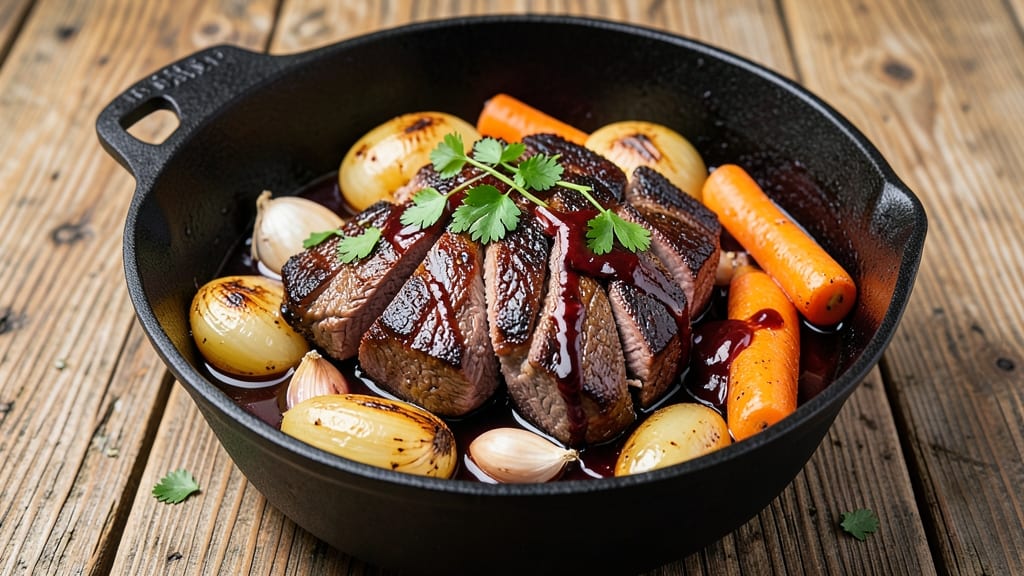
This beef and ale recipe transforms tough cuts into melt-in-your-mouth perfection through slow braising and rich ale reduction. The key lies in searing beef to develop deep caramelized fond, then simmering it with dark ale until tender and infused with malty sweetness.
Every bite delivers layers of umami from the meat, balanced by the ale's subtle bitterness and caramelized depth.
What sets this dish apart is the technique: starting with a high-heat sear creates that essential caramelized crust, while the ale—reduced by half—becomes a velvety sauce that clings to each piece.
The slow cooking process breaks down connective tissue, turning even budget-friendly cuts into restaurant-quality results. This isn't just comfort food; it's a luxurious, hands-off method that delivers professional-level flavor.
The result is beef so tender it practically falls apart, swimming in a glossy sauce with just the right balance of richness and acidity. The ale's malt profile adds complexity that store-bought gravies can't match, while the caramelized fond adds depth that transforms ordinary beef into something extraordinary.
Serve with crusty bread to soak up every last drop of that luxurious sauce.
Perfect for weekend dinners or special occasions, this recipe scales beautifully whether you're feeding four or twelve. The method remains the same—just adjust the quantities—so you can confidently create this showstopping dish whenever the craving hits. Here's how to make it happen.
Ingredients for beef and ale
Transform tough beef into luxurious braised perfection with these carefully chosen ingredients.
| Ingredient | Amount | Notes |
|---|---|---|
| Chuck Roast 🥩 | 3 lb | Well-marbled for tenderness |
| Dark Ale 🍺 | 2 cups | Stout or porter preferred |
| Yellow Onions 🧅 | 2 whole | Cut into 1-inch chunks |
| Carrots 🥕 | 1 ½ lb | Cut into 2-inch pieces |
| Garlic Cloves 🧄 | 6 cloves | Smashed, not minced |
| Tomato Paste 🍅 | ½ cup | High-quality, no sugar added |
| Beef Broth 💧 | 2 cups | Homemade or quality store-bought |
| Olive Oil 🫒 | 2 tbsp | Extra-virgin for high heat |
| Fresh Thyme 🌿 | 2 sprigs | Or 1 tsp dried thyme |
| Fresh Rosemary 🌿 | 1 sprig | Woody stems removed |
| Bay Leaves 🍃 | 2 whole | Standard dried leaves |
| Salt 🧂 | 2 tsp | Diamond Crystal preferred |
| Black Peppercorns 🌶️ | 1 tsp | Freshly cracked |
| Crusty Bread 🍞 | 1 loaf | For serving, optional |
| Flour 🌾 | 2 tbsp | For dusting cutting board |
The chuck roast is non-negotiable—its marbling ensures melt-in-your-mouth tenderness. Look for well-marbled cuts at specialty butchers or the meat department at Whole Foods or Costco for the best quality. If using frozen, thaw overnight in the fridge. The dark ale should be bold and malty; Guinness or a local craft stout work beautifully. For the vegetables, fresh is ideal, but frozen carrots and onions work in a pinch. The tomato paste should be smooth and vibrant—avoid brands with added sugar or preservatives.
No dark ale? Substitute with beef broth and a splash of balsamic vinegar for depth. Fresh thyme and rosemary can be swapped for dried at one-third the amount, but the flavor won't be as vibrant. For the tomato paste, Trader Joe's squeeze tubes are perfect—they're convenient and keep well. If you prefer a smoother sauce, blend a portion of the finished braise. The flour is only for dusting the cutting board to prevent sticking while cutting the meat—don't skip this step for even searing.
This dish tastes even better the next day, so make extra. Store in an airtight container in the fridge for 4-5 days or freeze for 3 months. The crusty bread should be toasted before serving to enhance its texture. For a restaurant-worthy presentation, garnish with fresh thyme sprigs and a drizzle of reduced ale. The sauce thickens as it cools, so add a splash of broth if needed when reheating.
Why You'll Love This Recipe
- Deep Umami Magic: That dark ale isn’t just flavor—it’s the secret weapon. The malty richness cuts through the beef’s richness while the garlic and onions build layers of warmth. One bite and you’ll understand why this tastes like a pub meal, not just dinner.
- Leftovers That Shine: This dish actually improves the next day. The beef gets even more tender, the sauce thickens into a glossy glaze, and I’ve reheated it for sandwiches, tacos, or straight from the pot. My freezer’s full of portions I didn’t even have to plan.
- Budget Pub Night: A chuck roast costs pennies per pound, and a six-pack of ale stretches further than you’d think. I feed four people for under $20, and the leftovers stretch that into five meals. Fancy night, zero guilt.
Step-by-step instructions for deep-braised beef and ale
A rich, caramelized fond builds layer upon layer of flavor in this braised chuck roast.
Sear the Chuck Roast for Maximum Flavor
Pat the 3 lb chuck roast thoroughly with paper towels to remove any moisture. Heat 2 tablespoons olive oil in a heavy Dutch oven over medium-high heat until shimmering. Place the roast in the pot, fat-side down, and sear undisturbed for 6-8 minutes until deeply browned on one side. Flip and repeat on the second side.
While searing, I press down gently on the roast during the first minute—this prevents it from curling and ensures even contact with the pan. The goal is to develop a rich, caramelized crust that will form the flavor foundation for the braise. Remove the roast and set aside temporarily on a plate.
Build the Aromatic Base with Onions and Carrots
In the same Dutch oven, add 2 whole yellow onions cut into 1-inch chunks and 1.5 lb carrots cut into 2-inch pieces. Cook over medium heat for 8-10 minutes, stirring occasionally, until the vegetables begin to soften and develop golden spots. Add 6 smashed garlic cloves, 2 sprigs fresh thyme, 1 sprig fresh rosemary, and 2 whole bay leaves, stirring to combine.
This step transforms the simple vegetables into flavorful components. The onions should begin to caramelize slightly while the carrots soften—watch for them to develop a deep golden hue. If they stick, add a splash of dark ale to deglaze. The aromatic herbs will infuse the braising liquid with their essential oils.
Deglaze and Develop the Braising Liquid
Pour in 2 cups dark ale and scrape up all the browned bits from the bottom of the pot with a wooden spoon. This deglazing step captures all the concentrated meaty flavors that would otherwise burn. Bring the liquid to a simmer and let it reduce by half—about 5-7 minutes—until slightly thickened.
Stir in 0.5 cup tomato paste and 2 cups beef broth, then return the roast to the pot, fat-side up. Add 2 teaspoons salt and 1 teaspoon freshly cracked black peppercorns. The liquid should come about halfway up the roast. This balance of liquid ensures proper braising while allowing for caramelization.
Braise Until Fork-Tender Perfection
Cover the Dutch oven and transfer to a preheated 300°F oven. Braise for 3 hours, then carefully flip the roast and continue cooking for another 1-2 hours until the meat is fork-tender and easily pulls apart. The internal temperature should reach 200-205°F—this is when collagen breaks down and the meat becomes luxuriously tender.
I check for doneness by inserting a fork—if it slides in easily and the meat separates cleanly, it's ready. The braising liquid should have reduced to a rich, glossy sauce with a deep caramelized fond on the bottom of the pot. This fond is pure flavor gold—don't miss it!
Rest and Serve with Crusty Bread
Remove the roast from the pot and transfer it to a cutting board. Tent loosely with foil and let it rest for 15-20 minutes. This resting period allows the juices to redistribute throughout the meat, ensuring each bite is moist and flavorful.
While the roast rests, skim any excess fat from the braising liquid and return the pot to medium heat. Add 2 tablespoons flour and whisk to create a light roux, cooking for 1-2 minutes until thickened. Pour the sauce over the sliced roast and serve with crusty bread for soaking up every last drop of that luxurious braising liquid.
Pro Tips For Making Beef And Ale
- SEAR THE ROAST FIRST: The chuck roast won’t caramelize properly if you start slow—get it screaming hot in a dry pan for 3-4 minutes per side before adding anything else. I learned this the hard way when my first batch tasted like stew instead of rich, flavorful beef.
- USE STALE ALE: Fresh ale is too fizzy and will make your sauce bubble over like a volcano. Let it sit open in the fridge overnight first—it’ll mellow out and taste deeper. (Yes, even if you’re impatient like me.)
- DON’T SKIP THE BROWNING: Those onions and carrots need 10 minutes of sweating in the pan before the ale goes in. Rushed cooking means bland veggies—no one wants mushy yellow onions in their beef and ale.
- ADD GARLIC LATE: Crush the cloves but don’t add them until the last 15 minutes of cooking. Burnt garlic ruins everything, and this way, they infuse just enough to brighten the dish without overpowering it. (Your future self will thank you.)
Serving suggestions for this recipe
Crusty Bread Essentials
No beef and ale braise is complete without a perfect slice of crusty bread to soak up every last drop of that rich sauce. I reach for a baguette-style loaf from my local bakery—look for one with a crisp, golden crust and soft, airy interior.
For an extra-special touch, lightly toast the bread before serving to enhance its texture and help it absorb the sauce better. A French-style or sourdough loaf also works beautifully, as their open crumb structure makes them ideal for sopping up sauces. 🍞
Classic Potato Pairings
Creamy mashed potatoes are a timeless companion to this hearty beef dish. For extra richness, fold in 2 tablespoons of butter and ¼ cup of sour cream per 2 cups of potatoes.
I like to season them with ½ teaspoon of salt, ¼ teaspoon of black pepper, and a pinch of nutmeg for warmth. Roasted baby potatoes with rosemary and garlic also add a delightful contrast in texture and flavor.
Both options complement the deep, malty notes of the ale beautifully. 🥔
Vegetable Sides
Bright, fresh vegetables cut through the richness of the braised beef. A simple green salad with arugula, shaved fennel, and lemon vinaigrette provides a refreshing balance.
For something heartier, try glazed carrots—toss 1 lb of carrots with 1 tablespoon of honey, 1 tablespoon of olive oil, and a pinch of salt, then roast at 400°F for 20 minutes.
The natural sweetness of the carrots pairs perfectly with the malty depth of the ale. 🥕
Cheese Board Accompaniment
For a more upscale presentation, serve the beef and ale with a cheese board featuring complementary cheeses like aged cheddar, brie, and blue cheese. The sharpness of the cheddar cuts through the richness, while the creamy brie adds another layer of indulgence.
Add cured meats like prosciutto or salami and crusty crackers to round out the spread. This approach turns your dish into a full, satisfying meal experience. 🧀
Wine Pairings
A bold red wine enhances the flavors of this dish without overpowering them. I recommend a Malbec or Cabernet Sauvignon—both have enough tannins and fruitiness to stand up to the rich beef and ale.
For a lighter option, a Pinot Noir offers bright acidity that complements the malty notes. Avoid heavy, oaky whites that might clash with the depth of the braise. 🍷
Make-Ahead Serving Tips
This dish tastes even better the next day, so plan ahead! Store leftovers in an airtight container in the fridge for up to 4 days. To reheat, warm the beef and sauce gently on the stovetop over medium-low heat for 10-15 minutes, stirring occasionally.
If the sauce thickens too much, add a splash of beef broth to restore its glossy texture. Serve with freshly toasted bread to keep everything feeling fresh and inviting. ⏳
Nutrition facts
Frequently asked questions
Can I substitute regular beer for dark ale in this recipe?
While you can use regular beer, dark ale adds essential depth and maltiness that lighter beers lack. For best results, choose a stout or porter—these provide the rich, caramelized notes that complement the beef. If using a lighter beer, add 1 teaspoon of molasses or 1 tablespoon of brown sugar to mimic the ale's complexity. The difference in flavor will be noticeable but still delicious!
How do I know when the beef is tender enough?
Use the fork test: Insert a fork into the thickest part of the beef. If it slides in easily and the meat separates cleanly, it's ready. The internal temperature should reach 200-205°F—this is when collagen breaks down and the beef becomes luxuriously tender. Pro tip: The longer it braises, the more flavorful it becomes, but don't exceed 4 hours total or the meat may dry out.
What's the best cut of beef for this recipe?
The chuck roast is ideal because its marbling and connective tissue create melt-in-your-mouth tenderness when braised. Other good options include short ribs (for extra richness) or brisket (for a beefier flavor). Avoid lean cuts like sirloin—they won't become tender enough during braising. Look for well-marbled cuts at specialty butchers for the best results.
Can I make this recipe in a slow cooker?
Yes! Sear the beef first in a skillet, then transfer it to the slow cooker with all other ingredients. Cook on low for 8 hours or high for 5 hours. The slow cooker won't develop the same caramelized fond as oven-braising, but the beef will still be tender and flavorful. For extra depth, reduce the ale separately on the stovetop and mix it in at the end.
Why does my sauce look too thin or too thick?
If the sauce is too thin, simmer it uncovered for 5-10 minutes to reduce it. For a thicker sauce, whisk in 1-2 tablespoons of cornstarch mixed with water or use the reserved roux from the instructions. The sauce should coat the back of a spoon but remain glossy—not gluey. If it's too thick after cooking, add a splash of beef broth to loosen it up.