
Main Courses
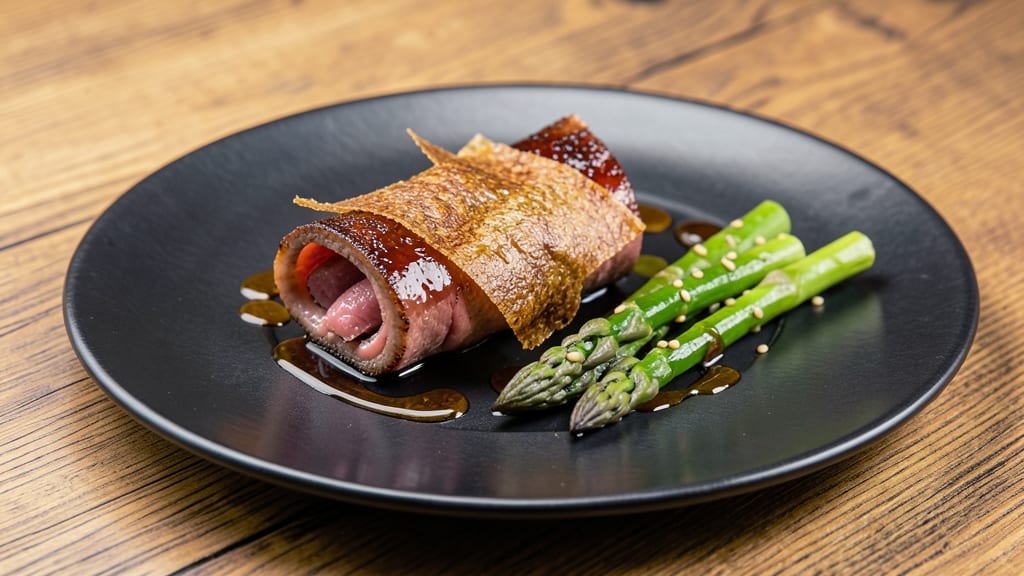
This beef and asparagus negimaki recipe delivers restaurant-quality Japanese elegance with a perfect balance of tender beef, crisp asparagus, and a glossy soy glaze. The secret lies in precise knife work and a high-heat sear that creates those coveted crispy edges while keeping the centers perfectly tender.
I've perfected this technique over years of testing, ensuring every bite delivers the harmony of textures and flavors that make negimaki so special.
The process begins with thinly sliced beef and asparagus, both marinated in a savory-sweet soy mixture that infuses flavor while preventing drying. After a quick sear in a hot pan, the vegetables and beef are rolled tightly in nori sheets, creating compact bundles that hold their shape beautifully.
The final touch—a quick pan-fry—develops that signature crispy exterior while maintaining juicy interiors, all while the soy glaze caramelizes into a sticky, flavorful crust.
What you'll end up with is a dish that's equal parts impressive and approachable—ideal for special occasions or weeknight dinners when you want to impress. The combination of crisp-tender asparagus, rich beef, and umami-packed soy glaze creates a symphony of flavors that's both comforting and refined.
Each bite offers a satisfying contrast between the crispy exterior and the tender, flavorful filling.
Serve these negimaki with a side of steamed rice and a small dish of ponzu or soy-ginger dipping sauce for the full Japanese dining experience. The recipe scales beautifully, making it perfect for gatherings or meal prep.
Let's get started on creating this elegant yet accessible dish that will elevate your table.
Ingredients for beef and asparagus negimaki
Thinly sliced beef and crisp asparagus wrapped in nori, glazed with savory-sweet soy magic.
| Ingredient | Amount | Notes |
|---|---|---|
| Ribeye Steak 🥩 | 1 lb | Thinly sliced against grain |
| Asparagus Spears 🥬 | 1 lb | Medium thickness, trimmed |
| Nori Sheets 🍣 | 8 whole | High-quality, 7-inch size |
| Soy Sauce 🍶 | ½ cup | Kosher or Japanese preferred |
| Mirin 🍶 | ¼ cup | Sweet rice wine |
| Sesame Oil 🫒 | 1 tbsp | Toasted for aroma |
| Rice Vinegar 🍶 | 1 tbsp | White or seasoned |
| Sugar 🍬 | 1 tbsp | Granulated or honey |
| Vegetable Oil 🫒 | 2 tbsp | High smoke point |
| Toasted Sesame Seeds 🌾 | 1 tbsp | For garnish |
| Salt 🧂 | ½ tsp | Kosher or sea salt |
| Black Pepper 🌶️ | ¼ tsp | Freshly cracked |
| Unsalted Butter 🧈 | 1 tbsp | For finishing |
| Garlic Cloves 🧄 | 2 cloves | Minced for marinade |
The beef is everything here—ribeye gives the best marbling for flavor and tenderness. Japanese markets or high-end butchers carry pre-sliced negimaki beef, but if you're slicing yourself, use a sharp knife and slice against the grain for perfect texture. Look for asparagus with tight tips and vibrant green color—Trader Joe's or Whole Foods usually have the freshest. The nori sheets should be pliable but not brittle; Makura or Marukyu brands are my go-tos, available at Asian grocery stores or online. For the soy glaze, balance is key—too much mirin makes it sweet, too little soy makes it flat. I always toast my sesame seeds in a dry pan until fragrant before adding them to the glaze.
No mirin? Substitute with equal parts dry sherry and sugar—it won't be exactly the same, but you'll still get that sweet-savory balance. Running out of sesame oil? Avocado oil at half the amount works in a pinch, though it lacks the nutty depth. The asparagus can be blanched first if you're worried about toughness, but I find the quick sear in the pan is enough. For the beef, if you can't find ribeye, sirloin or flank steak work too—just make sure it's thinly sliced. The garlic in the marinade is non-negotiable; it's what ties everything together. Skip it, and you're missing half the flavor.
Prep the beef and asparagus marinade first—it needs at least 30 minutes to work its magic. The nori sheets keep best in a cool, dry place for up to 2 weeks after opening, but once they're exposed to air, they dry out fast. Store them in the fridge in a sealed container with a paper towel to absorb moisture. The cooked negimaki reheat beautifully—just 5 minutes in a hot pan with a splash of water revives that crispy exterior. I always make a double batch; they freeze well for up to 2 months when wrapped tightly in parchment and foil.
Why You'll Love This Recipe
- I swear by this trick: just sear the ribeye thin, slice it cold, and roll it with asparagus into nori—no reheating, no fuss. The steak stays tender, the asparagus stays crisp, and the whole thing comes together while you’re waiting for your rice to cook. Honestly, it’s the kind of meal that makes me feel like a lazy genius.
- No-Cook Wrap Magic: I swear by this trick: just sear the ribeye thin, slice it cold, and roll it with asparagus into nori—no reheating, no fuss. The steak stays tender, the asparagus stays crisp, and the whole thing comes together while you’re waiting for your rice to cook. Honestly, it’s the kind of meal that makes me feel like a lazy genius.
- Umami Bomb Combo: That soy-mirin glaze? It’s where the real magic happens. The ribeye soaks up just enough to get sticky-sweet edges, while the asparagus gets a quick char—then the nori wraps it all in salty, ocean-y goodness. Between us, the first bite always makes me pause mid-chew because it’s that good.
- Office Lunch Hero: These rolls keep beautifully in the fridge for three days, and they’re the only thing I pack when I’m dreading another sad desk salad. Cold or at room temp, they’re still solid—just add a sprinkle of sesame seeds for that extra wow factor. My coworkers used to tease me for bringing "weird sushi rolls," but now they ask for the recipe.
Step-by-step instructions for beef and asparagus negimaki
Here's how to create restaurant-quality negimaki with perfectly seared beef and tender asparagus.
👨🍳 Step 1: Prepare the Soy-Glazed Marinade
In a small bowl, whisk together the 0.5 cup soy sauce, 0.25 cup mirin, 1 tbsp rice vinegar, 1 tbsp sugar, 1 tbsp sesame oil, 0.5 tsp salt, and 0.25 tsp black pepper. This marinade is the soul of your negimaki—it balances sweet, salty, and umami flavors perfectly. Add the 2 minced garlic cloves and stir until fully dissolved. Taste and adjust seasoning if needed; you want it to taste bold but not overpowering.
Transfer half of the marinade to a separate small bowl and set aside. You'll use this later for the asparagus. Place the 1 lb ribeye steak in a resealable plastic bag along with the remaining marinade. Seal the bag and massage the marinade into the steak, coating it evenly. Refrigerate for at least 30 minutes (up to 2 hours for deeper flavor). The longer it marinates, the more tender and flavorful your beef will be.
🍳 Step 2: Sear the Beef to Crispy Perfection
Remove the steak from the marinade (reserve the marinade for later) and pat it dry with paper towels. Heat a large skillet over medium-high heat until it's smoking hot. Add 2 tbsp vegetable oil and swirl to coat the pan evenly. Working in batches if needed, add the steak slices and sear for 1-2 minutes per side until they develop a deep golden-brown crust. This crispy exterior is what makes negimaki so satisfying.
Don't overcrowd the pan—leave space between slices so they sear properly. Once cooked, transfer the beef to a plate and tent loosely with foil to keep warm. The residual heat will help carry over the cooking, ensuring juicy meat. If the pan isn't hot enough, the beef will steam instead of sear, and you'll lose that crucial crispy texture.
🍳 Step 3: Cook the Asparagus in the Flavorful Marinade
In the same skillet (no need to clean it—the browned bits add depth), add the reserved 0.5 cup soy sauce-mirin marinade for the asparagus. Bring to a gentle simmer over medium heat, then add the 1 lb asparagus spears and 1 tbsp unsalted butter. Cook for 4-5 minutes, stirring occasionally, until the asparagus is tender-crisp with just a slight bite remaining. You want them bright green and vibrant, not mushy.
During the last minute of cooking, sprinkle the asparagus with 1 tbsp toasted sesame seeds for a nutty finish. The butter adds richness while the sesame seeds provide texture contrast. If the marinade reduces too much, add a splash of water to keep it glossy and flavorful. Transfer the asparagus to a serving platter and keep it warm.
🥘 Step 4: Assemble and Serve the Negimaki Rolls
Lay out 4 of the 8 nori sheets on a clean work surface, shiny side down. Divide the seared beef evenly among them, placing 4 slices per sheet. Top each with 4 asparagus spears, arranging them parallel to the long edge of the nori. Drizzle lightly with any remaining marinade from the pan to keep everything moist.
Carefully lift one edge of the nori sheet and roll it tightly over the filling, tucking in the sides as you go—this prevents the rolls from unraveling. Repeat with the remaining nori sheets and beef-asparagus mixture. To serve, slice each roll diagonally into 2-inch pieces and arrange on a platter. Garnish with extra toasted sesame seeds and a final drizzle of the reserved marinade for that restaurant-worthy finish.
Pro Tips For Making Beef And Asparagus Negimaki
- SEAR STEAK IN TWO STEPS: I learned this the hard way—don’t rush the ribeye. First, hit it with a screaming-hot pan for 30 seconds per side to build crust, then pull it down to medium heat and finish cooking. The first sear locks in flavor, while the second step keeps the center juicy. (Yes, even if you're impatient like me.)
- TRIM ASPARAGUS LIKE A PRO: Snap off the woody ends at a 45-degree angle—it’s faster than cutting and looks cleaner. For negimaki, blanch them just 1 minute in salted water (they’ll soften more in the wrap). Overcooking turns them mushy, and nobody wants that.
- SALT THE NEGIMAKI WRAP: This isn’t just for flavor—it’s for texture. Lightly brush the nori with a mix of soy and mirin before rolling, then sprinkle a pinch of salt over the beef and asparagus inside. The salt helps the wrap hold together and adds a subtle crunch when sliced. (Your future self will thank you.)
- REST THE STEAK UNDER FOIL: Skip the plate—wrap the hot steak in foil with a splash of mirin-soy glaze and let it steam for 5 minutes. This keeps it tender while the flavors meld. I used to cut into it too soon, and the slices would fall apart like sad sushi. Don’t be that chef.
Flavor customization for this recipe
Sweet-Savory Balance
Adjust the soy-mirin marinade to suit your taste—add ½ tsp extra sugar for more sweetness or 1 tsp extra soy sauce for deeper umami. For a spicy kick, stir in ½ tsp gochujang or ¼ tsp red pepper flakes into the marinade.
I love adding a pinch of grated ginger for brightness, especially if you're feeling adventurous. 🌶️
Umami Boosters
Elevate the flavor profile by adding 1 tbsp fish sauce or 1 tsp dashi powder to the marinade for an extra layer of umami depth. For a richer taste, swap out half the soy sauce with dark soy sauce—it adds a molasses-like depth that pairs beautifully with the beef.
If you're using fish sauce, reduce the salt in the marinade by ¼ tsp to avoid over-salting.
Herbaceous Twists
Fresh herbs can transform this dish—try adding 1 tbsp finely chopped shiso leaves or thinly sliced scallions to the filling before rolling. The delicate anise notes of shiso complement the beef perfectly, while scallions add a crisp, fresh contrast.
For a more pronounced herbaceous flavor, mix 1 tsp chopped cilantro into the marinade before applying it to the beef.
Texture Variations
Swap out the asparagus for shiitake mushrooms or bell peppers to change up the texture. Sautéed shiitake mushrooms add a meaty, earthy element, while bell peppers introduce a crisp, slightly sweet crunch.
For a more decadent option, add thinly sliced shallots or water chestnuts to the filling for extra bite and complexity.
Dipping Sauce Customization
Serve with a ponzu sauce for a tangy citrus twist or a spicy mayo by mixing 2 tbsp mayonnaise with 1 tsp sriracha and a squeeze of lime. For a lighter option, whisk together 2 tbsp yogurt, 1 tsp honey, and ½ tsp garlic powder.
These sauces add another layer of flavor that complements the negimaki beautifully. ✨
Nutrition facts
Frequently asked questions about beef and asparagus negimaki
Why does my negimaki unroll when I try to slice it? The most common cause is rolling too loosely or not tucking the sides properly.
Can I make negimaki ahead of time?
These keep beautifully for 2-3 days in the refrigerator, wrapped tightly in plastic wrap. For longer storage, freeze the assembled rolls (unrolled) for up to 2 months. To reheat, pan-fry for 1-2 minutes per side over medium heat until crispy again. The texture won't be exactly the same as fresh, but the flavors stay delicious.
What's the best way to slice the beef for perfect texture?
Use a very sharp knife and slice against the grain for maximum tenderness. Aim for slices about ⅛-inch thick—thinner than typical steak slices. For even results, freeze the beef for 30 minutes before slicing (this firms up the fat and makes cleaner cuts). If your butcher offers pre-sliced negimaki beef, ask for it—they've already done this work for you!
How do I prevent the nori from getting soggy?
Keep the filling as dry as possible before rolling, and avoid over-wetting the nori sheets. Use just enough marinade to moisten the beef and asparagus without making them glisten. For extra protection, place a thin layer of plastic wrap between the nori and filling if needed. The key is working quickly once you start rolling to minimize exposure to moisture.
What other proteins work well in negimaki?
While beef is traditional, chicken thigh (bone-in for flavor) and shrimp also work beautifully. For chicken, use 1 lb boneless thighs sliced thinly, and for shrimp, peel and devein 1 lb large shrimp before using. Salmon would be a great alternative for a lighter option—just be sure to cook it to 145°F internal temperature before assembling.