
Soups & Stews
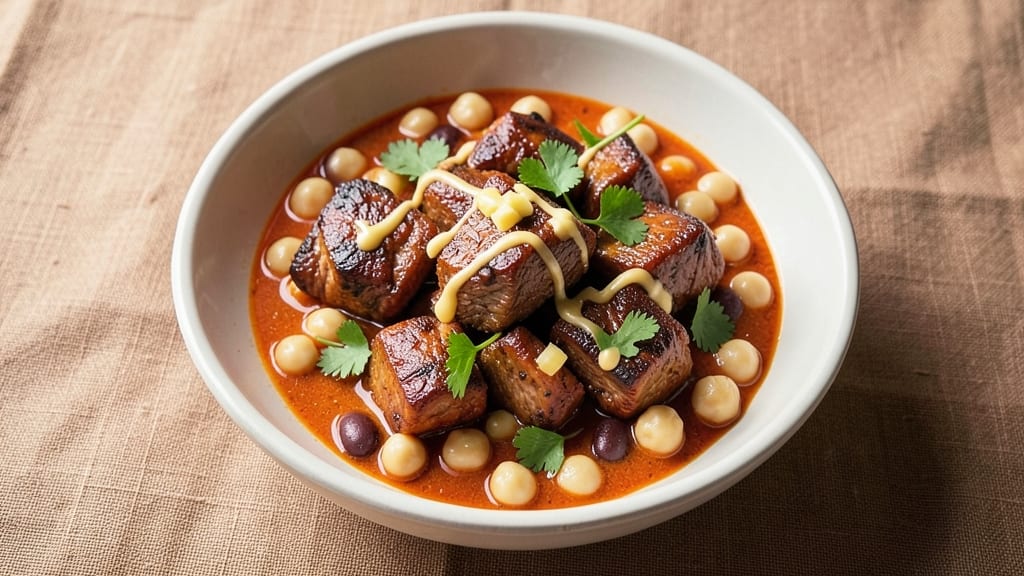
This beef and bean curry recipe delivers restaurant-quality depth with a spiced tomato-tahini base that builds layers of umami heat. The secret lies in tempering whole spices in hot oil—creating aromatic complexity that transforms simple ingredients into something extraordinary.
I developed this version after years of refining techniques to balance rich, smoky flavors with the earthy sweetness of beans and tender beef.
The process begins with searing beef in batches to develop a deep, caramelized crust before adding fragrant spices. Chickpeas and kidney beans absorb the aromatic sauce during a gentle simmer, while tahini adds a velvety richness that rounds out the dish.
This isn't just a curry—it's a complete meal with hearty texture and bold flavors that work equally well over rice or with warm naan.
What sets this recipe apart is the umami heat achieved through careful spice blending and tahini integration, creating a sauce that's both complex and approachable.
The result is tender beef, perfectly cooked beans, and a sauce that clings to every bite—rich enough to satisfy but balanced enough to enjoy without sides. Let's create this flavor-packed curry that brings warmth to any table.
For those short on time, pre-chopped beans and spice blends work perfectly, though freshly ground spices elevate the dish to new heights. The recipe scales beautifully for crowds, making it ideal for weeknight dinners or weekend gatherings. Each element comes together methodically, ensuring professional results without requiring advanced skills.
Ingredients for beef and bean curry
Restaurant-quality depth begins with these carefully selected ingredients—each playing a vital role in building umami heat and aromatic complexity.
| Ingredient | Amount | Notes |
|---|---|---|
| Beef Chuck Roast 🥩 | 1 ½ lb | Cut into 1-inch cubes, trimmed of fat |
| Chickpeas 🌱 | 1 can | Drained and rinsed, or cooked |
| Kidney Beans 🌱 | 1 can | Drained and rinsed, or cooked |
| Canned Crushed Tomatoes 🍅 | 28 oz | San Marzano preferred for sweetness |
| Tahini 🥜 | ½ cup | Sesame paste, unsweetened |
| Yellow Onion 🧅 | 1 whole | Medium size, finely diced |
| Garlic Cloves 🧄 | 6 cloves | Fresh, minced for depth |
| Ground Cumin 🌿 | 1 tbsp | Toasted for aromatic punch |
| Ground Coriander 🌿 | 1 tbsp | Freshly ground preferred |
| Turmeric Powder 🌶️ | ½ tsp | Freshly ground for vibrant color |
| Ginger Root 🌿 | 1 tbsp | Freshly grated, aromatic |
| Cayenne Pepper 🔥 | ¼ tsp | Adjust for heat preference |
| Vegetable Oil 🫒 | ½ cup | High smoke point for searing |
| Fresh Cilantro 🌿 | ¼ cup | Chopped, for garnish |
| Lemon Juice 🍋 | 1 tbsp | Freshly squeezed, brightens flavors |
The beef selection is critical—chuck roast delivers that signature fall-apart texture after slow cooking. Costco or local butchers often carry it pre-cubed, saving you time, though buying a whole roast and cubing yourself ensures better quality. For the tomatoes, San Marzano cans from Italian markets provide sweeter, more consistent flavor than generic brands. Tahini should be 100% sesame paste—avoid sweetened varieties that can overpower the dish. Fresh ginger and garlic are non-negotiable here; frozen or powdered substitutes simply can't replicate the depth of flavor. The spices? Penzeys or Spicewalla for premium quality, but even basic grocery store brands work if they're fresh.
No San Marzano tomatoes? High-quality canned tomatoes with no added salt will work in a pinch. Short on tahini? Substitute with 1/4 cup peanut butter plus 1/4 cup water, though the flavor profile shifts slightly. Fresh ginger unavailable? Ground ginger at half the amount works, but you'll lose some brightness. The cayenne can be omitted entirely for a milder version, or swapped with red pepper flakes at 1/4 teaspoon. For the beans, pre-cooked canned versions save time, but soaking overnight and cooking from dry yields superior texture. The cilantro garnish is purely decorative—skip it if you're sensitive to its flavor.
Beef cubes can be prepped ahead and refrigerated for 2 days or frozen for 3 months before cooking. The tahini mixture (tahini + lemon juice) should be made fresh day-of to prevent separation. Store the completed curry in an airtight container for 4-5 days in the fridge, though flavors deepen overnight. For freezer storage, portion into 2-cup containers—reheat gently with a splash of water to restore texture. The sauce thickens as it cools, so add a splash of water or broth when reheating if needed.
Why You'll Love This Recipe
- One-Pot Magic: I swear by this recipe when I’m too tired to wash a million dishes. The beef chuck roast slow-cooks right in the same pot as the beans and tomatoes—no extra pans, no fuss. Just dump, stir, and let it work its flavor while you sip something strong.
- Tahini Twist: Honestly, the tahini is what makes this curry ridiculously good. That nutty, creamy swirl cuts through the richness of the beef and balances the acidity of the tomatoes. A spoonful at the end? Pure satisfaction.
- Meal Prep MVP: This curry tastes even better the next day—yes, even on a Tuesday night. I make a big batch on Sundays, portion it out, and reheat it all week. The beans hold up perfectly, and the beef gets tenderer with time. (My kids actually ask for leftovers.)
- Budget-Buster Win: Between us, this recipe feeds four for under $15. Beef chuck roast is affordable, canned beans save money, and tahini adds luxury without breaking the bank. It’s the kind of dish that makes you feel like you’re eating fancy, even when you’re not.
Step-by-step instructions for beef and bean curry with tomato-tahini base
This method builds rich, balanced flavors through precise layering of spices and slow cooking.
Sear the Beef Chuck Roast for Deep Flavor
Heat the vegetable oil in a heavy Dutch oven over medium-high heat until shimmering. Working in batches to avoid crowding, add the beef chuck roast cut into 1-inch cubes and sear for 3-4 minutes per side until deep golden brown. The Maillard reaction at this stage creates complex flavors that will infuse the entire curry.
As you sear, remove each batch to a plate and set aside. Don't drain the oil—those browned bits (fond) will form the flavor base. The beef should develop a rich crust while remaining slightly pink inside, as it will finish cooking later in the slow simmer.
Build the Spice Base with Aromatics
In the same Dutch oven, reduce heat to medium and add the finely diced yellow onion. Cook for 5-6 minutes until softened and translucent, stirring occasionally. Add the minced garlic cloves and cook for an additional 30 seconds until fragrant.
Stir in the ground cumin, ground coriander, turmeric powder, grated ginger root, and cayenne pepper. Toast the spices for 1 minute until aromatic—you should smell their individual notes: earthy cumin, citrusy coriander, warm ginger, and a hint of heat from the cayenne. This step develops the spice complexity that makes the curry sing.
Incorporate Tomatoes and Tahini for Creamy Texture
Pour in the 28 oz canned crushed tomatoes, stirring to deglaze the pot and scrape up any browned bits. Add the tahini and cook for 5 minutes until the mixture thickens slightly. The tahini adds a nutty richness that balances the acidity of the tomatoes and enhances the umami depth.
Return the seared beef to the pot along with any accumulated juices. Bring to a gentle simmer, then reduce heat to low. Cover partially and let cook for 1 hour, stirring occasionally. This slow cooking breaks down the connective tissue in the beef, making it tender while allowing the flavors to meld.
Add Beans and Simmer to Perfection
After 1 hour, stir in the drained chickpeas and kidney beans. The beans will absorb the rich curry sauce while adding texture and plant-based protein. Simmer uncovered for an additional 20-25 minutes until the sauce has thickened to a velvety consistency and the beef is fork-tender.
Taste and adjust seasoning—you may need to add a pinch more salt or cayenne to balance the flavors. The curry should have a harmonious blend of spicy, earthy, and slightly sweet notes with the tahini providing a creamy counterpoint.
Finish and Serve with Fresh Garnishes
Remove from heat and stir in the lemon juice and chopped fresh cilantro. The acidity brightens the dish while the cilantro adds freshness. Let the curry rest for 10 minutes to allow the flavors to fully develop and the sauce to thicken slightly.
Serve immediately over steamed basmati rice or with warm naan bread. The curry should coat the back of a spoon with a luxurious texture, offering layers of spiced beef, tender beans, and a velvety tomato-tahini sauce that lingers on the palate.
Pro Tips For Making Beef And Bean Curry
- CUT CHUCK INTO CHUNKS: I learned this the hard way—whole roast chunks won’t tenderize properly. Use kitchen shears or a cleaver to slice the chuck into 1.5-inch cubes. Smaller pieces cook faster and soak up the tahini-tomato sauce better, especially when you’re low and slow simmering.
- TOAST BEANS FIRST: Skip the pre-cooked shortcut—dry-toast chickpeas and kidney beans in a skillet with a pinch of salt for 5 minutes before adding them. This crisps the edges and deepens their flavor, which cuts through the richness of the beef and tahini. (Yes, even if you’re impatient like me.)
- SIMMER LOW AND LONG: After browning the beef, resist the urge to rush the simmer. Cover the pot and cook on low heat for at least 2 hours, stirring occasionally. The crushed tomatoes and tahini need time to meld, and the beans will soften without falling apart. I used to walk away after 45 minutes—big mistake.
- STIR IN TAHINI LAST: Tahini burns faster than you’d think. Wait until the very end to fold it in, when the curry is thick and the beef is tender. If the sauce looks too thin, let it reduce for 2 more minutes before adding the tahini. (And if it splits? A splash of warm water fixes it—just don’t stress.)
Regional styles of this beef and bean curry
Indian Punjab Style
In Punjab, this curry transforms into a richer, creamier dish called Dal Makhani when combined with black lentils. The key difference? Add ½ cup heavy cream at the end and simmer for 10 minutes to create a velvety texture.
Garnish with cashew paste (soak ¼ cup cashews overnight) blended into the sauce for extra richness. Serve with butter naan and a side of raita (yogurt with cucumber and mint) to balance the heat. 🌶️
Punjabi cooks often use ghee instead of oil for searing, adding a toasty aroma. For authenticity, replace ½ cup of the beef with chana dal (split chickpeas) and cook them alongside the meat. The result is a hearty, protein-packed dish that’s a staple at weddings and festivals.
Caribbean Jerk-Inspired Twist
Island-style curry swaps traditional spices for jerk seasoning—think allspice, Scotch bonnet peppers, and thyme. Replace the cumin and coriander with 1 tbsp ground allspice and 1 tsp ground thyme. Add 1 chopped Scotch bonnet pepper (seeds removed for less heat) when toasting the spices.
The tahini is swapped for peanut butter (½ cup + ¼ cup coconut milk) to mimic Caribbean peanut sauce flavors. 🌴
Caribbean versions often include plantains—sauté 1 ripe plantain in oil until caramelized and serve as a side. For extra depth, marinate the beef overnight in lime juice, soy sauce, and jerk seasoning before searing. The result is a smoky, spicy-sweet curry that’s perfect with coconut rice.
Middle Eastern Lentil Adaptation
This regional take replaces beef with brown lentils (1.5 cups dry) and adds pomegranate molasses for a tangy-sweet twist. Skip the tahini and use olive oil instead. After simmering, stir in 2 tbsp pomegranate molasses and 1 tsp ground cardamom for warmth.
Top with toasted pine nuts and fresh parsley. Serve with warm pita or freekeh (smoked wheat berries) for a Middle Eastern-inspired bowl. 🍇
For extra richness, stir in ½ cup plain yogurt at the end to create a creamy, tangy sauce. Middle Eastern cooks often add diced eggplant (roasted first) for heartiness. The dish becomes lighter but equally flavorful, making it ideal for warm weather or meat-free meals.
Mexican Frijoles Charros Fusion
Transform this curry into Frijoles Charros—Mexico’s iconic cowboy bean stew—by adding chorizo and tomatillos. Replace the tahini with sour cream (½ cup) and swap cayenne for ancho chili powder (1 tbsp).
Stir in ½ lb chorizo (crumbled) and 2 roasted tomatillos (peeled and chopped) during the final 15 minutes of cooking. Serve with warm tortillas and avocado slices. 🌶️
For authenticity, add diced jalapeños and cilantro at the end. Mexican versions often include crispy tortilla strips on top for crunch. The result is a spicy, smoky, creamy** stew that’s heartier than traditional curry but equally comforting.
Nutrition facts
Frequently asked questions
Can I use ground beef instead of chuck roast for this curry?
Ground beef works in a pinch, but chuck roast delivers superior texture—tender, melt-in-your-mouth beef after slow cooking. If you must use ground beef, brown it thoroughly first (5-6 minutes) and reduce the cooking time to 30-40 minutes total. The flavor will be slightly less rich, but still delicious. For best results, choose 80/20 ground beef for fat content that helps build flavor.
How do I adjust the heat level for sensitive eaters?
Start by reducing the cayenne to ¼ teaspoon or omit it entirely. For milder heat, swap cayenne with ½ teaspoon smoked paprika instead. If you prefer no heat at all, replace the cayenne with an extra ½ teaspoon turmeric for color without spice. The tahini naturally balances heat, so even with cayenne, the dish remains approachable.
What's the best way to store leftovers?
Let the curry cool completely, then transfer to an airtight container with a lid. It keeps well in the fridge for 4-5 days—the flavors actually deepen overnight! For freezing, portion into 2-cup containers and freeze for up to 3 months. When reheating, add 1-2 tablespoons water or broth to restore texture before simmering gently.
Can I make this curry in an Instant Pot?
Sear the beef first in a separate pan, then add all ingredients to the Instant Pot. Set to High Pressure for 20 minutes, then quick-release. The beans will cook faster, so reduce their simmering time to 10 minutes after pressure cooking. For extra richness, stir in ½ cup coconut milk at the end. The Instant Pot version finishes in about 45 minutes total.
Why does my curry taste too acidic?
Acidity often comes from overcooking tomatoes or using too much lemon juice. Balance it by adding 1 teaspoon sugar or ½ teaspoon honey to sweeten the sauce. For depth, stir in 1 tablespoon tahini or peanut butter to add richness. If the tomatoes taste sharp, try San Marzano cans next time—they're naturally sweeter. The tahini and beans should naturally counterbalance any acidity in a properly made curry.