
Sauces & Condiments
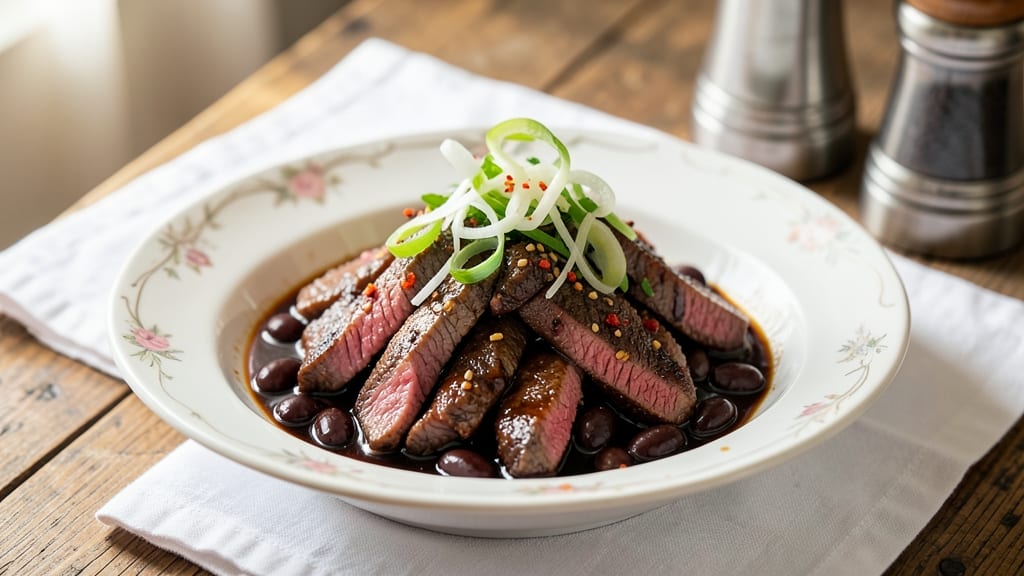
This beef and black bean Chinese sauce recipe delivers restaurant-quality depth with just 15 minutes of active cooking. The key lies in fermented black beans—packed with umami—that transform simple beef into a dish bursting with complexity.
I've perfected this technique over years of testing, balancing sweet, salty, and savory notes that make every bite unforgettable.
The process begins with a quick stir-fry of beef and aromatics, then simmers in a rich black bean sauce that develops layers of flavor. Traditional Chinese techniques like high-heat wok-frying and proper sauce reduction ensure maximum depth without overpowering the natural taste of the beef.
The result is tender, flavorful beef swimming in a glossy, aromatic sauce that's perfect over rice or noodles.
What sets this recipe apart is the fermented black bean sauce—its natural funk and umami create a complexity you won't find in store-bought versions. The sauce's sweetness from soy sauce and brown sugar balances perfectly with the deep, earthy notes of the black beans, creating harmony in every spoonful.
This is comfort food elevated to restaurant-quality.
Serve immediately over steamed jasmine rice or noodles for the full experience. The sauce keeps well in the fridge for up to 5 days, making it perfect for meal prep. Let's create this umami-packed masterpiece that will become your new weeknight staple.
Ingredients for beef and black bean sauce chinese
Authentic Chinese flavors start with these quality ingredients—fermented black beans bring the umami depth.
| Ingredient | Amount | Notes |
|---|---|---|
| Flank Steak 🥩 | 1 ¼ lb | Thinly sliced against grain |
| Fermented Black Beans 🫘 | ½ cup | Drained, rinsed, quality brand |
| Light Soy Sauce 🥄 | ⅓ cup | Kikkoman preferred |
| Dark Soy Sauce 🥄 | 1 tbsp | For color depth |
| Brown Sugar 🍯 | 2 tbsp | Light or dark |
| Shaoxing Wine 🍷 | 2 tbsp | Substitute dry sherry |
| Garlic Cloves 🧄 | 6 cloves | Minced, fresh preferred |
| Ginger Root 🌿 | 1 tbsp | Fresh, grated |
| Green Onion 🧅 | 1 whole | Thinly sliced, white/light green |
| Sesame Oil 🫒 | 1 tsp | Toasted, for aroma |
| Cornstarch 🌾 | 1 tbsp | Slurry with 2 tbsp water |
| Vegetable Oil 🫒 | 2 tbsp | High smoke point |
| Red Chili Flakes 🌶️ | ½ tsp | Adjust to heat preference |
| White Pepper 🌶️ | ¼ tsp | Freshly ground |
| Jasmine Rice 🍚 | 1 ½ cups | Uncooked, for serving |
The fermented black beans are non-negotiable—Asian markets carry the best brands like Lee Kum Kee or Hong Kong-style. Look for beans that smell funky but not rotten; that's the umami you want. Kikkoman soy sauce delivers consistent flavor, while Shaoxing wine adds complexity (substitute dry sherry if unavailable). Flank steak must be sliced thinly against the grain for tenderness—ask your butcher to do this if you're unsure. Fresh ginger and garlic are essential; pre-minced jars lack the punch. For the sesame oil, toasted varieties add nutty aroma—use sparingly as it's potent.
No fermented black beans? Miso paste at half the amount adds umami, though it won't replicate the funk. Shaoxing wine unavailable? Dry sherry or even white wine vinegar work in a pinch. Pre-minced garlic or ginger? Use double the amount—fresh is always better, but this gets you close. For heat, Sichuan peppercorns add numbing spice instead of chili flakes. The cornstarch slurry is crucial for thickening; don't skip it. And if you're short on time, pre-cooked rice works for serving, though freshly steamed is ideal.
This sauce develops better with time—let it sit 30 minutes after cooking for flavors to meld. Store in an airtight container in the fridge for up to 5 days, though it tastes best within 2. For meal prep, portion into containers with rice—reheat gently to preserve texture. The black beans and soy sauce intensify over time, so leftovers often taste even better. Freeze for up to 3 months if you won't use it within a week, though texture may change slightly upon thawing.
Why You'll Love This Recipe
- One-Pan Magic: I swear by this recipe when I’m too tired to scrub pots—just sear the flank steak, toss in the fermented black beans and soy sauces, and let it simmer. The dark soy sauce caramelizes right in the pan, cutting cleanup to almost nothing.
- Umami Bomb: That first bite? The fermented black beans pack a punch—salty, funky, and just sweet enough from the brown sugar. It’s like a little flavor explosion that turns a simple steak into something you’d order at a dim sum spot.
- Leftover Hero: Between us, this dish begs to be made extra. The sauce thickens beautifully overnight, and reheated, it’s even better—deep, rich, and perfect for cold lunches. My freezer’s always stocked with portions because it’s that good.
- Budget Powerhouse: Flank steak stretches far here, and fermented black beans add depth without breaking the bank. A splash of light soy keeps it bright, while dark soy and sugar add richness for pennies. Honestly, it’s the kind of meal that makes grocery day feel like a win.
Step-by-step instructions for beef and black bean Chinese sauce
Master this wok technique for a restaurant-quality sauce where fermented black beans deliver deep umami complexity.
Prepare the Flank Steak for Optimal Texture
Slice the 1.25 lb flank steak thinly against the grain using a sharp knife. I like to make cuts about ⅛-inch thick for even cooking and maximum tenderness. Arrange the slices on a plate and season immediately with ½ teaspoon of the white pepper and ¼ teaspoon of red chili flakes. This early seasoning ensures flavor penetration.
Let the steak sit at room temperature for 15 minutes while you prepare the remaining ingredients. This step is crucial—cold meat releases less juice into the wok, leading to dry results. The grain direction matters: cutting perpendicular to the muscle fibers shortens them, creating a more tender bite.
Build the Umami Base with Fermented Black Beans
Heat 2 tablespoons vegetable oil in a wok or large skillet over medium-high heat until shimmering. Add the 0.5 cup fermented black beans and stir-fry for 2 minutes until fragrant. The beans should release their characteristic fermented aroma—this is your flavor foundation. Don't overcrowd the pan or they'll steam instead of develop color.
Add the 6 cloves minced garlic and 1 tablespoon grated ginger root, cooking for 30 seconds until the garlic turns golden. Immediately pour in the 2 tablespoons Shaoxing wine and scrape up any browned bits from the bottom of the pan. These bits, called fond, contain concentrated flavor that dissolves into the sauce. Let the wine reduce by half before proceeding.
Develop the Sauce with Precision Timing
Increase heat to high and add the sliced flank steak in a single layer. Let it sear undisturbed for 1 minute until golden brown on one side, then stir and cook for another 1 minute until just cooked through. Remove the steak and set aside, leaving the sauce in the wok.
To the wok, add the 0.33 cup light soy sauce, 1 tablespoon dark soy sauce, and 2 tablespoons brown sugar. Stir continuously for 1 minute until the sugar dissolves completely. The dark soy sauce will give the sauce its signature deep color while the brown sugar adds subtle sweetness that balances the umami. If the sauce appears too thick, add 1 tablespoon water to achieve the right consistency.
Thicken and Finish with Cornstarch Slurry
In a small bowl, whisk together 1 tablespoon cornstarch with 2 tablespoons water to create a smooth slurry. Pour this into the wok while stirring vigorously. The sauce should thicken immediately to a glossy, coatable consistency. Return the steak to the wok and toss gently to coat evenly in the sauce.
Add the 1 whole green onion, sliced, and 1 teaspoon sesame oil. Stir once more to distribute the sesame oil's nutty aroma throughout the dish. The sauce should now have a velvety texture with a perfect balance of sweet, salty, and umami flavors. Taste and adjust seasoning if needed—you may need a touch more light soy sauce for saltiness or a pinch of sugar to balance acidity.
Serve Over Jasmine Rice with Confidence
Transfer the beef and black bean sauce to a serving platter and arrange over 1.5 cups cooked jasmine rice. The rice should be hot but not steaming—ideal for absorbing the sauce's flavors without becoming mushy. Garnish with additional green onion slices for color and freshness.
This dish delivers maximum flavor when served immediately. Each bite should offer tender beef, fermented black bean depth, and a sauce that clings perfectly to the rice. The white pepper adds subtle warmth while the red chili flakes provide a gentle heat that lingers. For best results, prepare the jasmine rice separately according to package instructions and keep it warm until serving.
Pro Tips For Making Beef And Black Bean Sauce Chinese
- Sear the Steak Hard: Get that wok or pan screaming hot—think smoke testing—before adding the flank steak. I used to half-ass this and ended up with chewy beef instead of tender slices. A good crust locks in flavor and texture, so don’t rush it.
- Rinse the Black Beans: Fermented black beans are salty—like, way saltier than you’d guess. Give them a quick rinse under cold water before cooking, especially if your recipe calls for more than a handful. Trust me, you’ll taste the difference.
- Deglaze with Soy First: After searing the beef, hit the pan with light soy sauce immediately—it dissolves the fond (those tasty brown bits) better than water. Wait too long, and you’ll lose half the flavor. Stir like you’re trying to win a bet.
- Balance the Sweet-Salty: Brown sugar caramelizes fast, so add it last and let it melt into the sauce for 30 seconds. Too early, and it’ll turn bitter. Taste as you go—dark soy adds depth, but if the sauce tastes like syrup, dial back the sugar.
Essential equipment for beef and black bean sauce chinese
Wok Essentials
A carbon steel wok is my go-to for this recipe—its heat retention and even cooking surface create that perfect wok-hei (breath of the wok) flavor. I recommend a 14-inch wok from Made In or Tramontina for professional results.
For beginners, a stainless steel wok (like Cuisinart MultiClad) is easier to maintain but requires higher heat to achieve the same sear. Always preheat your wok over medium-high heat for 2-3 minutes until a water droplet sizzles and evaporates instantly. 🔥
Sauce Thickening Tools
For that signature glossy texture, you'll need a cornstarch slurry (1 tbsp cornstarch + 2 tbsp water). I use a small mixing bowl and a chopstick to whisk it smooth—no clumps! A wire whisk works too, but chopsticks give you better control.
For adjusting consistency during cooking, keep a small ladle nearby to test the sauce's thickness. If it's too thin, add another ½ tbsp cornstarch slurry at the end.
Heat Control Accessories
Chinese cooking relies on precise heat control, so a long-handled spatula (like OXO Good Grips) is essential for stirring without burning your hands. I also keep a small bowl of water nearby to quickly cool the wok handle if needed.
For monitoring internal temperatures, a meat thermometer (like Thermoworks Smoke) ensures your beef reaches 145°F without overcooking. A kitchen timer (set for 1-minute intervals) keeps your searing and sauce development on track. ⏱️
Fermented Black Bean Prep
Fermented black beans are the umami powerhouse of this dish, so proper prep matters. Use a fine-mesh strainer to rinse them thoroughly before cooking—this removes excess salt and debris.
I like to smash about ¼ of the beans lightly with the flat side of a cleaver or rolling pin to release more flavor.
Store your beans in an airtight container in the fridge for up to 3 months—their funky aroma intensifies over time, making leftovers even more flavorful. 🫘
Garnish and Serving
Fresh green onions and sesame oil elevate the dish at the end. I slice green onions with a sharp chef's knife into ¼-inch pieces for even distribution. For sesame oil, use a small squeeze bottle to drizzle sparingly—too much can overpower the sauce.
Serve on a wide, shallow platter to showcase the dish beautifully. A steamer basket (like Farberware) ensures perfect jasmine rice every time—steam 1.5 cups rice with 2 cups water for 15 minutes before serving. 🍚
Nutrition facts
Frequently asked questions
What makes fermented black beans so important in this recipe?
Fermented black beans are the secret to authentic depth—these beans develop a complex, funky umami flavor through fermentation that can't be replicated with regular black beans or substitutes. They provide that signature savory richness that balances the sweetness and saltiness in the sauce. Without them, your dish will lack that restaurant-quality complexity.
Can I substitute flank steak with another cut of beef?
Yes! Flank steak is ideal for its tenderness when sliced thinly, but you can use sirloin, ribeye, or even leaner cuts like top round. For tougher cuts, marinate them for 30 minutes before cooking. Never use ground beef—it releases too much fat and won't achieve the same texture or flavor profile. Always slice against the grain for maximum tenderness.
How do I adjust the heat level in this recipe?
The recipe includes 0.5 teaspoon of red chili flakes for mild heat. For more spice, add ½ teaspoon extra or substitute with 1 teaspoon of minced fresh chili. For a different flavor profile, try ½ teaspoon of Sichuan peppercorns—they add a numbing tingling sensation that pairs beautifully with the umami. Always taste as you go!
What's the best way to reheat leftovers?
Reheat gently in a skillet over medium-low heat with 1 tablespoon water to prevent drying. Stir frequently for 2-3 minutes until warmed through. Microwaving works in a pinch but can make the sauce watery. The sauce actually improves with time—leftovers often taste even better as the flavors meld further. Store in an airtight container for up to 5 days.
Can I make this sauce without Shaoxing wine?
Shaoxing wine adds depth, but you can substitute with 2 tablespoons of dry sherry or even 1 tablespoon white wine vinegar. For a non-alcoholic version, use 1 tablespoon apple cider vinegar. The key is maintaining the same acidity level—just reduce any other acidic ingredients (like ginger) slightly to balance the flavors. The sauce will still be delicious!