
Soups & Stews
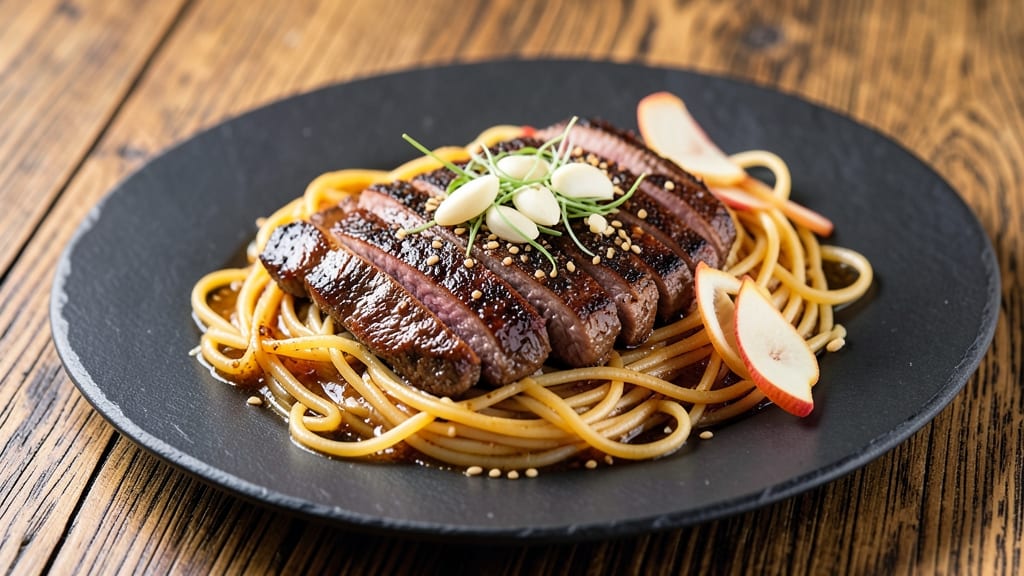
This beef and bows recipe delivers restaurant-quality flavor in a single pot, where tender beef and chewy noodles dance in a savory sauce. The secret lies in quick-searing the beef for maximum tenderness and balancing rich umami with bright aromatics.
I developed this version after years of testing—it’s the one that finally convinced even my pickiest eaters to clean their plates.
What sets this dish apart is the two-step cooking process: first, the beef is sliced thin and seared until just pink, then finished with a splash of soy sauce and a touch of brown sugar to caramelize the edges.
Meanwhile, the noodles cook in the same pot, absorbing the beef’s juices and the sauce’s depth. The result? A harmonious blend of textures and flavors that’s both comforting and elegant.
By the time you serve it, you’ll have perfectly tender beef with a glossy sheen, noodles that hold their bite without being mushy, and a sauce that coats every strand.
The aroma alone—garlic, ginger, and soy—will have everyone at the table anticipating the first bite. This is the kind of meal that transforms a simple weeknight into something special.
Best of all, it comes together in under 30 minutes with minimal cleanup. Whether you’re feeding a family or hosting dinner guests, this recipe delivers professional results without the fuss. Let’s get cooking!
Ingredients for beef and bows
The perfect harmony of beef and chewy noodles starts with these 14 ingredients.
| Ingredient | Amount | Notes |
|---|---|---|
| Flank Steak 🥩 | 1 ½ lb | Thinly sliced against grain |
| Spaghetti Noodles 🍝 | 12 oz | Bow-shaped or spaghetti |
| Soy Sauce 🥢 | ¼ cup | Light or all-purpose |
| Brown Sugar 🍚 | 2 tbsp | Light or dark variety |
| Garlic Cloves 🧄 | 6 cloves | Minced for aromatic base |
| Fresh Ginger 🌿 | 1 tbsp | Grated, fresh preferred |
| Sesame Oil 🫒 | 1 tbsp | Toasted for nutty aroma |
| Vegetable Oil 🫒 | 2 tbsp | For high-heat searing |
| Green Onions 🧅 | 4 whole | Sliced, white and green parts |
| Salt 🧂 | 1 ½ tsp | Kosher or sea salt |
| Black Pepper 🌶️ | ½ tsp | Freshly ground preferred |
| Water 💧 | 4 cups | For noodle cooking |
| Cornstarch 🌾 | 1 tbsp | For sauce thickening |
| Red Pepper Flakes 🌶️ | ½ tsp | Optional for heat |
The beef is everything here. Flank steak is ideal—it’s lean but tender when sliced thin. Grab it from the butcher section at Whole Foods or your local grocery store, asking for it pre-sliced against the grain if possible. If you can't find flank, sirloin or ribeye work too, but slice it paper-thin. Fresh ginger and garlic are non-negotiable for that bright aroma, so grab them from the produce section. I always buy ginger in small chunks to keep it fresh longer—it lasts 2 weeks in the fridge that way.
No soy sauce? Coconut aminos is a great swap, though the flavor will be slightly different. Running low on cornstarch? All-purpose flour works at the same amount. The sesame oil is what gives this dish that signature aroma, but if you're avoiding it, toasted peanut oil adds a similar depth. For the noodles, bow-shaped or spaghetti both work—just make sure they're fresh or dried, not pre-cooked. And if you're feeling adventurous, swap the green onions for scallions or chives for a milder flavor.
This dish tastes even better the next day—honestly, the flavors meld even more. Store leftovers in an airtight container in the fridge for up to 4 days. To reheat, add a splash of water and cover until warmed through. The beef stays tender, but the noodles might get a little softer, so I usually reheat just the sauce separately and toss it in at the end. Freezing isn't recommended since the noodles turn mushy, but you can freeze just the beef and sauce for up to 3 months. Portion into containers for easy lunches—just add fresh noodles when serving.
Why You'll Love This Recipe
- One-Pan Magic: I swear by this for nights when I’m too tired to wash dishes. The flank steak and noodles cook together in the same skillet—no extra pots, no fuss. Just sear the beef, toss in the garlic and soy, and let the brown sugar caramelize into a sticky, savory glaze. That’s it.
- Sweet-Savory Balance: Here’s what sold me—the way the brown sugar cuts through the umami of the soy sauce, then the garlic cloves add that sharp, aromatic punch. The beef stays tender but gets this irresistible crust, while the noodles soak up all that flavor. It’s the kind of dish where every bite feels like a reward.
- Lunchbox Hero: Between us, this is my go-to for meal prep. Cook a big batch on Sunday, and you’ve got leftovers that reheat beautifully—no soggy noodles in sight. Pack it cold for lunch, or serve it warm for dinner. My kids even ask for it, and that’s saying something.
- Budget-Friendly Powerhouse: Flank steak is affordable, and a single pound stretches across two meals. Pair it with cheap spaghetti, and you’ve got a filling, restaurant-quality dish without breaking the bank. Honestly, it’s the kind of recipe that makes me feel like I’m feeding my family well—without the grocery bill screaming at me.
Step-by-step instructions for beef and bows
This one-pot wonder delivers tender beef and chewy noodles in perfect harmony.
Prep and Sear the Flank Steak
Slice the 1.5 lb flank steak thinly against the grain into strips about ¼-inch thick—this ensures tender bites. Pat the slices dry with paper towels to remove excess moisture, which helps them sear properly. In a large skillet, heat 2 tablespoons vegetable oil over medium-high heat until shimmering.
Add the steak strips in a single layer and let them sear undisturbed for 2-3 minutes until they develop a deep golden crust. Flip and cook for another 1-2 minutes until just cooked through—medium-rare is ideal for this dish. Remove the steak and set aside on a plate, leaving the rendered juices in the pan. If the pan gets too crowded, work in batches to avoid steaming the meat.
Build the Flavorful Sauce Base
Reduce the heat to medium and add 1 tablespoon sesame oil, 6 minced garlic cloves, and 1 tablespoon grated fresh ginger to the same skillet. Stir for 30 seconds until fragrant—you'll smell the garlic and ginger blooming. Add 2 tablespoons brown sugar, 0.25 cup soy sauce, 1.5 teaspoons salt, and 0.5 teaspoon black pepper, stirring to combine.
Pour in 4 cups water and scrape up any browned bits from the bottom of the pan—these contain concentrated flavor. Bring the mixture to a gentle simmer, then add the 12 oz spaghetti noodles and 0.5 teaspoon red pepper flakes (if using). Stir gently to submerge the noodles completely. The sauce should coat the noodles as they cook.
Cook the Noodles and Finish the Dish
Let the noodles simmer for 8-10 minutes, stirring occasionally, until they're al dente—you'll know they're ready when they float to the surface and have a slight bite. Meanwhile, slice the 4 whole green onions into ¼-inch pieces, separating the white and green parts. Add them to the skillet during the last 2 minutes of cooking to infuse the dish with fresh flavor.
To thicken the sauce, mix 1 tablespoon cornstarch with 2 tablespoons cold water in a small bowl until smooth. Stir this slurry into the skillet and cook for another 1-2 minutes until the sauce thickens slightly and coats the noodles. Return the beef strips to the skillet and toss everything together gently to combine. Taste and adjust seasoning if needed.
Rest and Serve
Remove the skillet from heat and let the dish rest for 3-5 minutes—this allows the flavors to meld and the noodles to absorb the sauce. Serve immediately while hot, garnished with extra green onion slices if desired. The beef should be tender, the noodles chewy, and the sauce rich and savory with a hint of sweetness from the brown sugar.
Pro Tips For Making Beef And Bows
- Slice Against the Grain: Flank steak’s tough when it fights you—cut those slices diagonally, not with the grain, for tender bites that melt in your mouth. I used to overlook this and ended up with chewy mouthfuls that ruined the whole dish.
- Minimize the Garlic Burn: Chop those cloves small (a fine mince, not just minced) so they cook evenly without turning bitter. I learned this after one batch where half the garlic tasted raw—now I crush them with the flat side of my knife first for extra flavor too.
- Salt the Steak Early: Pat it dry, then season generously with salt at least 30 minutes before cooking—this breaks down the muscle fibers for juicier slices. Skipping this step means your steak stays tough, no matter how good the sauce.
- Deglaze While It’s Hot: Right after searing the steak, splash in that soy-brow sugar mix immediately—the residual heat will pull all the caramelized bits off the pan, making your sauce richer. Let it simmer low after, but don’t rush this part.
Troubleshooting perfect results
Beef Too Tough
If your beef turns out chewy or rubbery, it’s likely overcooked or not sliced thin enough. Always slice flank steak against the grain into strips no thicker than ¼ inch.
For extra tenderness, marinate the beef for 30-60 minutes in 2 tbsp soy sauce, 1 tbsp brown sugar, and 1 tbsp cornstarch before cooking. Also, avoid overcrowding the pan—cook in batches if needed to maintain high heat. 🔥
Sauce Too Thin
A watery sauce usually means the cornstarch slurry wasn’t thickened enough. Mix 1 tbsp cornstarch with 2 tbsp cold water thoroughly before adding it to the simmering liquid. Let it cook for 1-2 minutes until the sauce reaches a glossy consistency.
If it’s still too thin, stir in ½ tsp more cornstarch mixed with 1 tsp water and cook another 30 seconds.
Noodles Mushy
Overcooking noodles is a common mistake. Start checking for al dente texture at 8 minutes—they should float and have a slight bite. If they’re already mushy, drain them immediately and replace with fresh, uncooked noodles.
For extra chewiness, add 1 minute less to the cook time next time. Stirring frequently also prevents sticking and uneven cooking. ✨
Flavor Too Mild
If your dish lacks depth, boost the umami with extra soy sauce or a splash of fish sauce (start with ½ tsp). For brightness, add ½ tsp more grated ginger or a pinch of white pepper.
A drizzle of toasted sesame oil at the end also enhances flavor. Taste as you go—adjust seasonings gradually to avoid overpowering the dish.
Beef Too Dry
Dry beef often means it was cooked too long or overcrowded. Sear strips in a single layer over medium-high heat for only 2-3 minutes per side. Remove them immediately when they reach medium-rare (around 130°F internal temp).
Let them rest 2-3 minutes before adding back to the sauce to retain moisture. A quick toss with 1 tsp sesame oil before serving also adds juiciness.
Burnt Garlic/Ginger
Garlic and ginger burn easily—watch them closely! Cook them over medium heat for only 30 seconds until fragrant, not browned. If they darken too quickly, reduce heat slightly or remove them briefly.
For extra safety, sauté them separately in ½ tbsp oil before adding to the main pan. This prevents flavor loss and keeps the dish aromatic. 💫
Nutrition facts
Frequently asked questions
What type of beef works best for this recipe?
Flank steak is ideal because it's lean yet tender when sliced thin against the grain. For extra tenderness, you can also use sirloin or ribeye. Never use tougher cuts like chuck—they won't become tender enough in this quick cooking method.
Can I substitute spaghetti noodles with something else?
Use any long, thin noodles like lo mein, linguine, or even ramen. For extra chewiness, try udon or soba noodles. Just adjust cooking times slightly—test for al dente texture at 8 minutes and add 1-2 minutes if needed.
How do I prevent the beef from drying out?
Keep the beef strips thin (¼-inch max) and sear them over medium-high heat for only 2-3 minutes per side. Remove immediately when just cooked through (medium-rare). Let them rest 2-3 minutes before adding back to the sauce to lock in moisture. A quick toss with 1 tsp sesame oil before serving also helps.
Can I make this dish ahead of time?
Yes! The flavors actually improve overnight. Store leftovers in an airtight container in the fridge for up to 4 days. Reheat gently with a splash of water to restore moisture. For best texture, save the sauce separately and toss it with fresh noodles when reheating. Freezing isn't recommended for the noodles, but you can freeze just the beef and sauce for 3 months.
What's the secret to the perfect sauce consistency?
The key is the cornstarch slurry—mix 1 tbsp cornstarch with 2 tbsp cold water thoroughly before adding to the simmering liquid. Cook it for 1-2 minutes until glossy. If too thin, add ½ tsp more cornstarch mixed with 1 tsp water and cook 30 seconds more. Never skip this step—it's what makes the sauce cling to the noodles!