
Soups & Stews
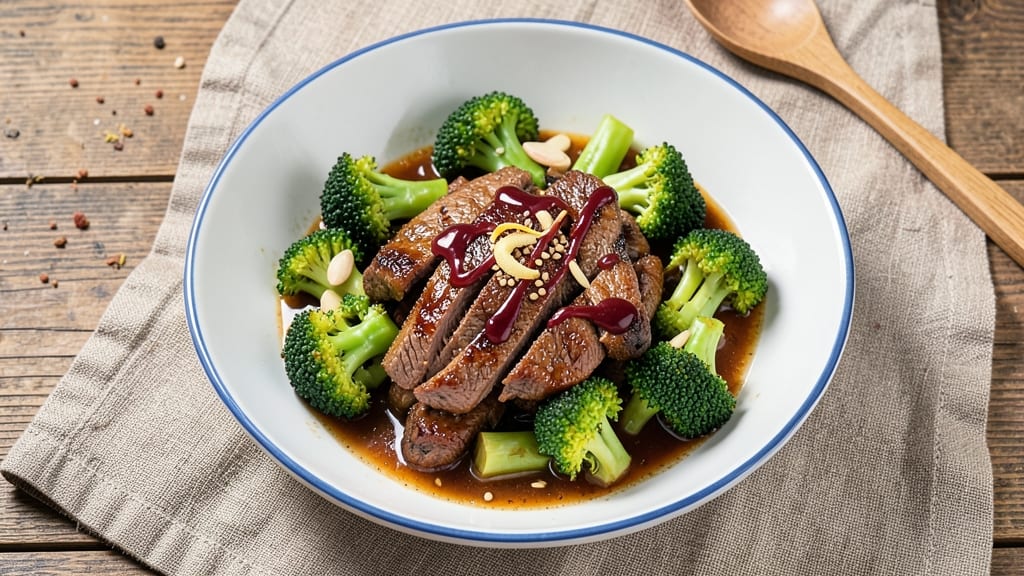
This Filipino beef and broccoli recipe transforms ordinary stir-fry into a restaurant-worthy dish with crispy edges and bold soy-ginger flavors. The secret lies in marinating the beef overnight, ensuring tender, flavorful bites that caramelize beautifully during stir-frying.
Traditional Filipino ingredients like oyster sauce and banana ketchup add depth that elevates this classic beyond basic takeout versions.
What sets this recipe apart is the balance of textures—crispy beef with tender broccoli florets, all coated in a glossy, savory-sweet sauce. The marinade combines garlic, ginger, and soy sauce for an aromatic foundation, while a quick stir-fry in a hot wok creates those coveted caramelized edges.
It’s the kind of dish that tastes like a home-cooked version of your favorite Filipino restaurant special.
The result is a dish packed with umami and brightness, perfect for serving over steamed jasmine rice. The sauce clings to every bite, delivering layers of flavor with each forkful. Whether you're feeding a family or meal prepping for the week, this recipe delivers satisfying, restaurant-quality results without the fuss.
For extra authenticity, serve with a side of sinigang (Filipino tamarind soup) or crispy garlic fried rice. The crispy edges on the beef are the star here—don’t skip the high-heat sear, as it’s what makes this dish truly special.
Ingredients for beef and broccoli filipino
Filipino flavors meet restaurant-quality texture with these carefully chosen ingredients.
| Ingredient | Amount | Notes |
|---|---|---|
| Flank Steak 🥩 | 1 ½ lb | Thinly sliced against the grain |
| Broccoli Florets 🥦 | 2 cups | Medium-sized, cut into bite-sized pieces |
| Garlic Cloves 🧄 | 6 cloves | Minced finely for marinade |
| Fresh Ginger 🌿 | 2 tbsp | Grated finely, no fibers |
| Soy Sauce 🍶 | ½ cup | Light or regular, not low-sodium |
| Oyster Sauce 🍲 | 2 tbsp | High-quality, not imitation |
| Banana Ketchup 🍌 | 1 tbsp | Filipino specialty, not regular ketchup |
| Sesame Oil 🫒 | 1 tbsp | Toasted, for aroma |
| Cornstarch 🌾 | 1 tbsp | For crispy coating |
| Vegetable Oil 🫒 | 3 tbsp | High smoke point for stir-frying |
| Brown Sugar 🍚 | 1 tbsp | Lightly packed |
| White Wine Vinegar 🍷 | 1 tbsp | For brightness |
| Green Onions 🧅 | 2 whole | Sliced thin for garnish |
| Salt 🧂 | 1 tsp | Diamond Crystal preferred |
| Black Pepper 🌶️ | ½ tsp | Freshly cracked |
The flank steak is non-negotiable here—its lean texture slices beautifully against the grain for tender bites. Look for marbled cuts at your local butcher or Costco for the best quality. If you can't find flank, sirloin works as a substitute, though it won't be as tender. The broccoli should be bright green and firm—avoid any florets with yellowing stems. For the banana ketchup, specialty Asian markets carry authentic brands like Del Monte, but if you're in a pinch, a mix of regular ketchup and a dash of banana puree works in a bind. The oyster sauce should be glossy and unctuous—Lee Kum Kee is the gold standard, but any brand with no added MSG will suffice.
No banana ketchup? A splash of mango puree or even extra soy sauce can mimic its subtle sweetness. The soy sauce should be light, not dark—Kikkoman is a reliable choice. For extra crispiness on the beef, toss the sliced steak with 1 tbsp cornstarch before stir-frying. If you're avoiding gluten, tamari replaces soy sauce in equal parts. The ginger should be fresh—dried lacks the bright punch this dish needs. For a deeper umami kick, add 1 tsp fish sauce (ensure it's gluten-free if needed), though traditional Filipino versions often omit it entirely. The sesame oil is purely for aroma—add it last to preserve its nutty fragrance.
Marinate the beef for at least 4 hours, but overnight yields the best results. Store the marinade in an airtight container in the fridge for up to 3 days, though the flavors peak within 24 hours. The broccoli holds well for 2 days in the fridge if prepped ahead, but it's best used fresh for optimal texture. This dish reheats beautifully—2-3 minutes in a hot skillet with a splash of water restores its crispy edges. For meal prep, portion into glass containers to maintain freshness for 4 days in the fridge or 3 months frozen. The sauce thickens as it cools, so add a splash of water when reheating if needed.
Why You'll Love This Recipe
- One-Pan Magic: I swear by this for nights when I’m too tired to wash extra dishes. Sear the flank steak, toss in the broccoli and garlic-ginger sauce, then let it all simmer together—no flipping pans, no stress.
- Umami Bomb: That combo of soy sauce and ginger? It’s chef’s kiss—deep, savory, with just a little kick. The broccoli stays crisp-tender, and the steak? So tender it melts like butter.
- Leftover Goldmine: Serve it over rice for dinner, then reheat the next day for lunch—still tastes fresh. Honestly, I make double portions just so I can enjoy it twice without feeling guilty.
- Budget-Friendly Powerhouse: Flank steak stretches further than you’d think, and broccoli is one of the most affordable veggies. For under $15, I feed four people a meal that feels fancy but costs next to nothing.
Step-by-step instructions for soy-ginger stir-fry with crispy edges
Master this Filipino classic with perfectly tender beef and crispy broccoli florets.
Marinate the Flank Steak
In a medium bowl, combine the 1.5 lb flank steak with all 6 cloves minced garlic, all 2 tbsp grated ginger, the 0.5 cup soy sauce, 2 tbsp oyster sauce, 1 tbsp banana ketchup, 1 tbsp brown sugar, 1 tbsp white wine vinegar, 1 tsp salt, and 0.5 tsp black pepper. Mix thoroughly until the meat is fully coated and the marinade penetrates the fibers. Cover and refrigerate for at least 30 minutes (or up to 4 hours for deeper flavor). The marinade should look glossy and well-distributed.
Slice the flank steak thinly against the grain into ¼-inch strips after marinating. This ensures tender bites that cook quickly without becoming chewy. The marinade will develop a rich, aromatic scent—this is your cue that it's ready for cooking.
Prepare the Broccoli and Cornstarch Coating
Blanch the 2 cups broccoli florets in boiling water for 1 minute, then immediately transfer to an ice bath to stop cooking. This preserves their vibrant green color and slight crunch. Drain well and pat dry with a kitchen towel—any moisture will prevent crispy edges during stir-frying.
In a small bowl, toss the blanched broccoli with 1 tbsp cornstarch. This creates a light, crispy coating that mimics the texture of traditional Filipino stir-fries. The cornstarch should cling evenly to each floret without forming clumps.
Stir-Fry the Beef to Perfect Doneness
Heat a wok or large skillet over high heat until smoking, then add 2 tbsp vegetable oil. Once shimmering, add the marinated beef in a single layer. Let it sear undisturbed for 1-2 minutes until the edges develop a deep golden crust. This initial sear locks in juices and builds flavor.
Stir-fry the beef for an additional 2-3 minutes until it reaches 145°F internally and turns a rich caramel color. Remove the beef from the wok and set aside, reserving any accumulated juices in the pan. The beef should be tender yet still holding its shape—overcooking will make it tough.
Create the Signature Sauce
Return the wok to high heat and add the remaining 1 tbsp vegetable oil. Toss in the cornstarch-coated broccoli and stir-fry for 2-3 minutes until the edges turn golden and crispy. Remove the broccoli and set aside with the beef.
Deglaze the wok with the reserved beef juices, scraping up any browned bits from the bottom. Add 1 tbsp sesame oil and simmer for 1 minute until the sauce thickens slightly. The sauce should coat the back of a spoon with a glossy sheen—this ensures it clings perfectly to the beef and broccoli.
Combine and Finish with Garnish
Return the beef and broccoli to the wok, tossing gently to coat everything evenly in the sauce. Cook for an additional 1-2 minutes just to heat through. The final dish should have crispy broccoli florets, tender beef with caramelized edges, and a glossy, well-balanced sauce.
Divide the stir-fry among 4 plates, garnishing each serving with 2 thinly sliced green onions. Serve immediately with steamed jasmine rice to soak up every last bit of that rich, umami-packed sauce. The contrast of crispy broccoli and tender beef creates the perfect bite in every mouthful.
Pro Tips For Making Beef And Broccoli Filipino
- Slice Thin, Cook Fast: Flank steak loves a sharp knife—cut it against the grain into ¼-inch strips, no thicker. I learned this the hard way: thicker slices end up chewy, even with marinade. Toss them in a hot pan for 2-3 minutes max, or they’ll turn into shoe leather.
- Blanch Broccoli First: Drop broccoli florets in boiling salted water for 90 seconds, then ice bath. This keeps them bright green and prevents mush when they hit the sauce later. (Yes, even if you’re impatient like me—trust the process.)
- Toast Garlic Low and Slow: Sauté minced garlic in oil on medium-low until golden, not brown. Burnt garlic tastes bitter and overpowers the dish. If your kitchen runs hot, pull the pan off heat briefly—it’s easier than playing hero.
- Marinate Overnight, But Not Too Long: A 4-6 hour soy-ginger-garlic soak tenderizes the beef without turning it mushy. Any longer, and the acidity starts breaking down the fibers. (Pro move: Add 1 tsp fish sauce to the marinade—it deepens the umami.)
Perfect pairings for beef and broccoli filipino
Filipino Rice Pairings
Serve this beef and broccoli stir-fry with steamed jasmine rice—it's the classic pairing that soaks up every last drop of that glossy soy-ginger sauce. For extra authenticity, use Filipino-style rice like Calrose or Dinoray, which has a slightly sticky texture perfect for this dish.
I like to cook my rice with a pinch of salt and a splash of coconut milk for a subtle sweetness that complements the savory stir-fry. 🍚
Crispy Garlic Fried Rice
Transform leftover rice into crispy garlic fried rice—a perfect side that adds texture contrast. Sauté 3 minced garlic cloves in 1 tbsp vegetable oil until golden, then add 2 cups day-old rice, breaking up any clumps.
Stir in 1 egg, 1 tbsp soy sauce, and ½ tsp black pepper until everything is evenly coated. The garlic's bold flavor cuts through the richness of the beef and broccoli beautifully. 🧄
Sinigang Soup Companion
Balance the richness of this dish with a light and tangy sinigang—Filipino tamarind soup. The sour and savory broth made with tamarind pods, shrimp paste, and assorted vegetables like radish and eggplant creates a refreshing contrast.
I often serve sinigang as a starter or alongside the beef and broccoli for a full Filipino meal experience. The acidity in the soup cleanses your palate between bites. 🍲
Spicy Atchara Slaw
Add a fresh, tangy crunch with atchara slaw, a Filipino carrot and green papaya salad.
Thinly slice 1 cup carrots and 1 cup green papaya, then toss with 2 tbsp vinegar, 1 tbsp sugar, ½ tsp salt, and 1 tsp chili flakes for a spicy kick.
The bright acidity and crunch balance the hearty flavors of the beef and broccoli perfectly. 🌶️
Wine and Beer Pairings
For a white wine pairing, go for a dry Riesling—its crisp acidity and subtle sweetness complement the soy-ginger sauce without overpowering it. If you prefer beer, a light lager like San Miguel or Heineken works beautifully.
The effervescence cleanses your palate between bites, while the mild bitterness balances the dish's richness. 🍺
Garnishes for Extra Flavor
Finish your dish with crispy garlic fried shallots for an aromatic crunch or toasted sesame seeds for a nutty depth. A drizzle of banana ketchup (the same one used in the recipe) adds a sweet-tangy note that ties everything together.
I also love sprinkling freshly cracked black pepper and thinly sliced green onions for a pop of color and freshness. ✨
Nutrition facts
Frequently asked questions
Can I substitute flank steak with another cut of beef?
Yes, but choose tender cuts like sirloin or ribeye—they slice well and stay tender. Avoid tough cuts like chuck roast. For best results, slice against the grain to ¼-inch strips and marinate for at least 4 hours. The cornstarch coating works best with leaner cuts to achieve crispy edges.
What makes this Filipino beef and broccoli different from Chinese versions?
The key differences are the banana ketchup and white wine vinegar, which add a sweet-tangy depth absent in Chinese recipes. Filipino versions also use oyster sauce and a longer marinade time (often overnight) for deeper flavor. The broccoli is blanched first to maintain crispness, a technique less common in Chinese stir-fries.
How do I prevent the beef from becoming chewy?
Slice the beef thinly against the grain and marinate for at least 4 hours (overnight is ideal). Cook over high heat for only 2-3 minutes total—overcooking dries it out. The cornstarch coating helps create crispy edges that mask any slight toughness. Always use a meat thermometer to check for 145°F internal temp.
Can I make this dish gluten-free?
Yes! Replace the soy sauce with tamari (gluten-free soy sauce) and use coconut aminos for extra umami. Check your oyster sauce label—some brands contain wheat. The cornstarch coating remains safe for gluten-free diets. The banana ketchup is typically gluten-free, but verify the ingredients.
What's the best way to reheat leftovers?
Reheat in a hot skillet with a splash of water for 2-3 minutes to restore crispiness. Microwaving works in a pinch, but the sauce may become watery. For extra flavor, add 1 tsp soy sauce or a drizzle of banana ketchup when reheating. Store leftovers in an airtight container for up to 4 days in the fridge.