
Main Courses
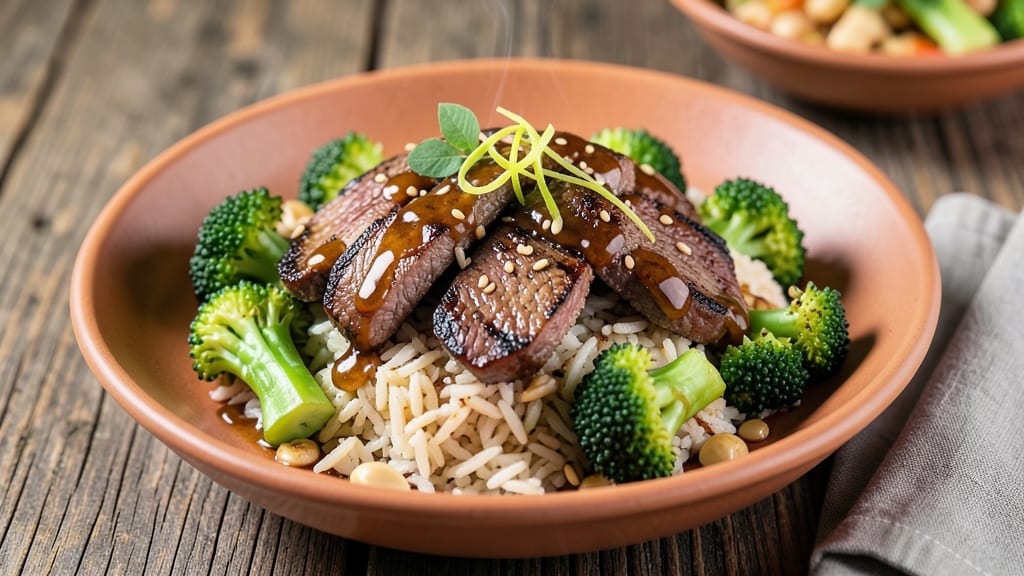
This beef and broccoli fried rice recipe delivers the perfect balance of crispy wok-fired edges, tender beef, and vibrant broccoli in every bite. The secret lies in high-heat stir-frying to lock in texture while building layers of flavor through garlic, ginger, and a silky soy-based sauce.
I’ve perfected this dish over years of testing, ensuring each component—rice, protein, and vegetable—cooks to ideal doneness without sacrificing authenticity.
The foundation starts with day-old rice (never freshly cooked), which absorbs the sauce beautifully while maintaining its structure. Thinly sliced beef strips sear quickly in the wok, developing a caramelized crust, while broccoli florets stay crisp-tender from just a few minutes of cooking.
The sauce, a harmonious blend of soy sauce, oyster sauce, and a touch of sesame oil, ties everything together with umami depth and aromatic warmth.
What you’ll end up with is a restaurant-quality dish that’s packed with protein, fiber, and satisfying texture—crispy rice grains, juicy beef, and bright broccoli all coated in a glossy, savory glaze.
The aroma alone will have everyone gathering around the table, and the first bite delivers that perfect contrast of silky sauce, chewy beef, and crunchy broccoli. This is the kind of meal that feels indulgent yet remains balanced enough for a weeknight dinner.
Serve it steaming hot with a sprinkle of green onions and a side of chili oil for extra heat. The recipe scales easily for crowds, and leftovers reheat beautifully, making it ideal for meal prep.
Let’s get cooking—this fried rice is a game-changer for anyone craving bold, wok-fired flavors at home.
Ingredients for beef and broccoli fried rice
Day-old rice, tender beef, and vibrant broccoli—this wok-fired combo delivers restaurant-quality texture and flavor.
| Ingredient | Amount | Notes |
|---|---|---|
| Day-Old Cooked White Rice 🍚 | 4 cups | Cold, separate grains preferred |
| Ribeye Steak 🥩 | ¾ lb | Thinly sliced against grain |
| Broccoli Florets 🥦 | 3 cups | Cut into bite-sized pieces |
| Garlic Cloves 🧄 | 4 cloves | Minced finely for aroma |
| Fresh Ginger 🌿 | 1 ½ tbsp | Grated finely, no chunks |
| Soy Sauce 🍶 | ⅓ cup | Light or all-purpose preferred |
| Oyster Sauce 🍲 | 2 tbsp | For umami depth |
| Sesame Oil 🫒 | 1 tbsp | Toasted for aroma |
| Vegetable Oil 🫒 | ½ cup | High smoke point |
| Green Onions 🧅 | ¼ cup | Sliced thin for garnish |
| Salt 🧂 | ½ tsp | Kosher or sea salt |
| Black Pepper 🌶️ | ¼ tsp | Freshly ground |
| Chili Oil 🌶️ | 1 tbsp | Optional for heat |
The rice is non-negotiable—day-old, cold, and separate grains are key for that signature wok-fired crunch. Costco or Trader Joe's sell pre-cooked rice in bulk, which saves time. For the beef, ribeye or sirloin works best—thinly sliced against the grain ensures tender bites. Look for well-marbled cuts at the butcher counter if you want extra richness. Broccoli should be fresh, with bright green florets—Trader Joe's has the best pre-cut florets for convenience. The garlic and ginger need to be freshly minced for maximum flavor; pre-minced jarred versions won’t cut it here.
No ribeye? Flank steak or sirloin works just as well—just slice it thinly. Fresh broccoli wilting? Frozen florets are a great substitute, but thaw and drain them well first. The soy sauce can be swapped for tamari if gluten-free, and if you’re avoiding oyster sauce, hoisin sauce at half the amount adds a similar depth. Sesame oil is aromatic but optional—if you skip it, add an extra 0.5 tbsp toasted sesame seeds for texture. For the chili oil, Lao Gan Ma is a pantry staple, but any chili oil will do.
Rice keeps 3-4 days in the fridge once cooked, so plan ahead. The beef should be sliced and refrigerated in an airtight container for up to 2 days. Broccoli stays fresh 5-7 days wrapped in a damp towel. This dish reheats beautifully—just 2 minutes in the microwave or stir-fry in a hot pan for that crispy texture again. I always double the batch and freeze half for lazy weeknights.
Why You'll Love This Recipe
- One-Pan Magic: I swear by this trick—just toss everything on one screaming-hot pan. No dirty dishes, no fuss, and that ribeye strips into tender, juicy shreds while the broccoli crisps just enough to hold its bite. Honestly, I’ve made fried rice that took three pans and twice the cleanup. This? Not even close.
- Umami Bomb: That ribeye—thinly sliced, still packed with marbled fat—melts into the rice like a secret weapon. Add the garlic and ginger sizzling in the wok, and suddenly you’ve got this deep, savory punch that makes store-bought takeout taste like a sad memory. Between us, I’ve tried cheaper cuts, but nothing beats the richness here.
- Lunchbox Hero: Pack this for work or school, and you’ll be the star of the day. The rice stays firm, the beef stays tender, and the broccoli holds up—no soggy bits, no drama. My kid actually finishes his lunch now, and that’s saying something. Plus, it reheats like a dream, so leftovers? Always a win.
- Budget Flex: Ribeye might sound fancy, but a single steak stretches across two meals without breaking the bank. Use day-old rice? You’re already saving cash. Swap in frozen broccoli when fresh is pricey, and suddenly this becomes my go-to when groceries are tight. Tastes like a splurge, costs like a steal. (Yes, even on a Tuesday night.)
Step-by-step instructions for wok-fired beef and broccoli fried rice
This method delivers restaurant-quality texture and flavor every time—crispy edges, tender beef, and vibrant broccoli.
🍳 Step 1: Prep and Sear the Ribeye
Slice the 0.75 lb ribeye steak thinly against the grain into ¼-inch strips. Heat 0.25 cup vegetable oil in a wok or large skillet over high heat until shimmering. Add the steak in a single layer and sear for 1-2 minutes until deep brown and just cooked through. Remove with a slotted spoon and set aside—this prevents overcooking during the stir-fry.
Real talk: Don't crowd the pan. If your steak overlaps, it'll steam instead of sear. Work in batches if needed, but keep the oil hot between additions. The beef should have a caramelized crust while staying tender inside. Season lightly with 0.25 tsp black pepper now—we'll balance flavors later.
🥘 Step 2: Stir-Fry Broccoli and Aromatics
In the same wok, add 0.25 cup vegetable oil (you'll use about 0.5 cup total) and increase heat to high. Add 3 cups broccoli florets and stir-fry for 2-3 minutes until bright green and just tender-crisp. Push broccoli to one side, then add 4 cloves minced garlic and 1.5 tbsp grated ginger to the empty space. Stir for 30 seconds until fragrant—this releases their full aroma without burning.
Here's the thing—broccoli should stay vibrant. If it starts wilting too quickly, reduce heat slightly. The goal is crunchy florets that hold their shape while releasing sweetness into the wok. Don't skip this step; the garlic and ginger form the flavor base for everything else.
🍳 Step 3: Combine Rice and Sauces
Add the 4 cups cold day-old rice, breaking up any clumps with your hands or a spatula. Drizzle 0.33 cup soy sauce and 2 tbsp oyster sauce over the rice, then toss vigorously for 1-2 minutes until the rice is evenly coated and slightly sticky. The rice should sizzle as it absorbs the sauces—this indicates proper heat transfer.
I press down gently on the rice with a spatula during the first minute—this prevents it from sticking to the wok and ensures even contact with the hot surface. If the mixture looks dry, add 1-2 tablespoons water to help distribute the sauces. The rice should be glossy from the sauces but not soggy.
🥘 Step 4: Finish with Beef and Seasonings
Return the seared ribeye strips to the wok along with 1 tbsp sesame oil and 1 tbsp chili oil (if using). Toss everything together for 1-2 minutes until the beef is reheated through and the rice is uniformly coated in the oils. Sprinkle with 0.25 cup sliced green onions and adjust seasoning with 0.5 tsp salt if needed—taste as you go.
This is the moment that matters: the sesame oil adds nutty depth while the chili oil introduces subtle heat. The green onions brighten the dish and provide fresh contrast. Remove from heat immediately—fried rice continues cooking from residual heat. If the rice seems dry, a quick toss with 1 tablespoon hot water revives the texture.
⏰ Step 5: Serve Immediately for Perfect Texture
Transfer the fried rice to serving plates and garnish with additional green onions if desired. Serve while steaming hot—the contrast between crispy edges and tender centers is what makes this dish exceptional. Each bite should deliver silky rice, tender beef, and crunchy broccoli all in one perfect mouthful.
Don't walk away. Fried rice loses its texture quickly as it cools. If you have leftovers, refrigerate and reheat in the wok over medium heat with a splash of water to restore crispiness. The key to success lies in the high heat and constant motion—never let the rice sit undisturbed for more than 10 seconds at a time.
Pro Tips For Making Beef And Broccoli Fried Rice
- STIR-FRY IN BATCHES: Don’t toss everything in at once—start with the ribeye strips on high heat until they sear. Once browned, pull them out and work in the broccoli and garlic in the same pan. I learned this the hard way: crowding the pan steams the veggies instead of crisping them, and you end up with sad, limp broccoli.
- USE COLD RICE: Grab that day-old rice from the fridge—it’s drier and won’t turn mushy. If you’re in a pinch, spread freshly cooked rice on a tray and pop it in the freezer for 10 minutes. Cold rice absorbs the sauce better and holds its shape under the wok’s assault.
- SALT THE BEEF AFTER SEARING: Season the ribeye after it’s browned, not before. The salt dissolves into the juices during cooking, and if you salt raw meat, it releases moisture that turns to steam instead of a crust. Sprinkle it on once the strips hit the pan—trust me, the texture changes everything.
- FINISH WITH GINGER ZEST: Skip the minced ginger if you’re short on time, but don’t skip the zest. Rub a microplane over fresh ginger and toss it in at the very end—it brightens the dish without overpowering. (Yes, even if you’re impatient like me.) The aroma hits differently this way.
Creative variations of this recipe
Spicy Chili Oil Twist
For a fiery kick, add 1 tbsp chili crisp (like Lao Gan Ma) or ½ tsp gochujang to the sauce mixture. The heat cuts through the richness of the beef while adding depth.
I like to finish with an extra ½ tsp chili flakes for visual drama and an extra layer of spice. 🌶️
Vegetarian Swap
Replace the ribeye with 1 lb extra-firm tofu pressed and cubed, or shitake mushrooms sliced into strips. Marinate the tofu in 1 tbsp soy sauce + 1 tsp cornstarch for 10 minutes before cooking. The mushrooms add an earthy umami that mirrors beef’s depth perfectly.
Seafood Fusion
Swap beef for 1 lb shrimp or scallops, both seared in the same high-heat oil. For shrimp, toss with ½ tsp salt + ½ tsp black pepper before cooking. Scallops caramelize beautifully and add a luxurious texture. Garnish with lemon zest to brighten the dish.
Breakfast Version
Add 2 fried eggs nestled into the fried rice after cooking, with yolks still runny. Top with 2 tbsp scallions and a sprinkle of toasted sesame seeds. The eggs add protein and richness, making it a hearty breakfast or brunch dish.
Protein-Packed Add-Ins
Boost nutrition with ½ cup edamame (shelled) or ½ cup corn kernels for extra fiber and sweetness. Both cook quickly in the wok and add vibrant color. For a smoky twist, stir in 2 tbsp crispy bacon bits after cooking.
Sweet & Tangy Glaze
Replace oyster sauce with 2 tbsp hoisin sauce + 1 tbsp honey, then finish with a drizzle of 1 tsp rice vinegar. This balances the savory notes with a touch of sweetness and tang, perfect for those who prefer milder flavors.
Nutrition facts
Frequently asked questions
Why is day-old rice better for fried rice?
Day-old rice is drier and separate-grain, which prevents mushiness when stir-fried. Freshly cooked rice releases too much moisture, turning fried rice into a sticky mess. The starches in cold rice also absorb the sauce better, creating that perfect glossy texture. Always use rice that's been refrigerated for at least 6 hours.
Can I make this without a wok?
A large skillet or cast-iron pan works perfectly—just make sure it has high sides to prevent splatter. The key is maintaining high heat and using enough oil (about 0.5 cup total) to create a thin layer for crispy edges. A nonstick pan helps prevent sticking, but it won't give the same wok-fired texture.
How do I prevent my fried rice from getting soggy?
Soggy fried rice happens when rice sits too long or gets overcooked. Always serve immediately after cooking, and avoid adding water unless absolutely necessary. If reheating leftovers, use medium heat in a dry pan for 2-3 minutes, stirring constantly. For extra insurance, spread leftovers on a baking sheet and broil for 1-2 minutes to restore crispiness.
What's the best way to slice beef for fried rice?
Slice against the grain into ¼-inch strips—this ensures tender bites. Use a sharp knife and freeze the beef for 15 minutes first to make slicing easier. For even better texture, pound the beef slightly with a meat mallet before cooking. The thinner the slices, the faster they'll cook without becoming chewy.
Can I use frozen broccoli instead of fresh?
Yes, but thaw and drain it thoroughly first. Frozen broccoli works best when you blot it dry with paper towels to remove excess moisture. Add it to the wok 1 minute after the garlic and ginger to prevent wilting. For extra flavor, toss the thawed florets with ½ tsp soy sauce before cooking.