
Soups & Stews
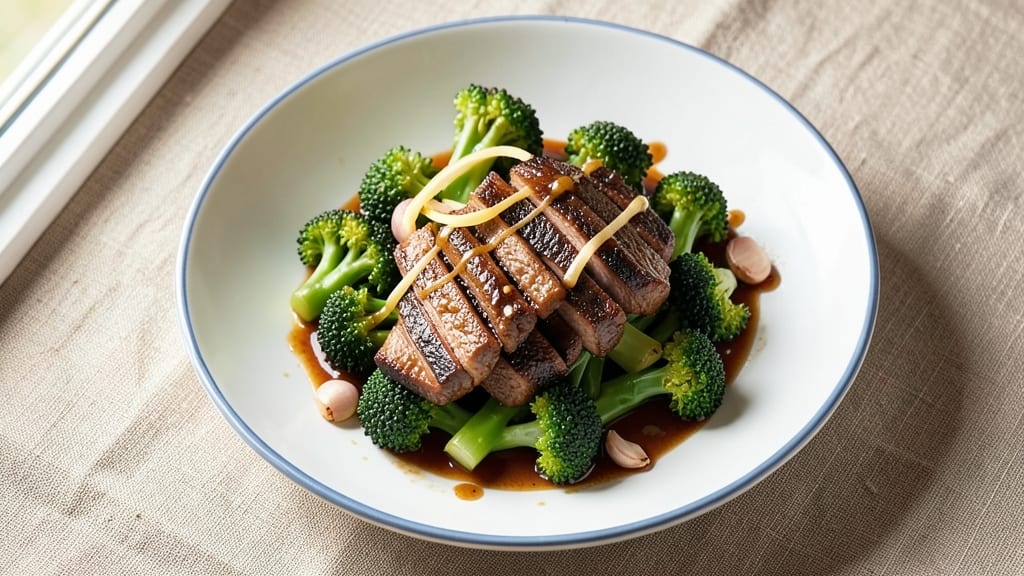
This beef and broccoli hoisin recipe delivers the perfect balance of wok-fired crunch and silky hoisin sauce that clings to every bite. The secret lies in high-heat stir-frying—achieving that signature "wok hei" smokiness while keeping the beef tender and broccoli vibrant.
I've refined this technique over years of testing, ensuring the sauce reduces just enough to coat without overwhelming the dish.
The process starts with searing flank steak in thin strips, then quickly adding broccoli to preserve its bright green color. A simple hoisin sauce—made with just five ingredients—ties everything together with its perfect sweet-savory depth.
What makes this recipe stand out is the two-stage cooking method: first, a quick sear for flavor, then a gentle toss to marry all components without overcooking.
By the end, you'll have a restaurant-worthy dish with caramelized beef, crisp-tender broccoli, and a glossy hoisin glaze that's rich but not heavy. The sauce should coat the beef and broccoli lightly, with just enough stickiness to hold everything together.
Serve over steamed rice for the full experience—each bite delivers that perfect contrast of textures and flavors.
This recipe works equally well in a wok, cast-iron skillet, or even an air fryer for a hands-off approach. Whether you're cooking for a weeknight dinner or a special occasion, the technique remains the same—just adjust the heat and timing to your preferred method. Let's get started on this crowd-pleaser!
Ingredients for beef and broccoli hoisin
Wok-fired beef and vibrant broccoli meet silky hoisin sauce in this restaurant-quality dish.
| Ingredient | Amount | Notes |
|---|---|---|
| Flank Steak 🥩 | 1 lb | Thinly sliced against grain |
| Broccoli Florets 🥦 | 4 cups | Cut into bite-sized pieces |
| Hoisin Sauce 🍯 | ½ cup | Store-bought or homemade |
| Sesame Oil 🫒 | 1 tbsp | Toasted for aroma |
| Garlic Cloves 🧄 | 4 cloves | Minced finely |
| Fresh Ginger 🌿 | 1 tbsp | Grated finely |
| Neutral Oil 🫒 | 2 tbsp | Avocado or vegetable oil |
| Soy Sauce 🍶 | 1 tbsp | Light or all-purpose |
| Brown Sugar 🍚 | 1 tbsp | Packed lightly |
| Sesame Seeds 🌾 | 1 tbsp | Toasted for garnish |
| Green Onions 🧅 | 3 whole | Sliced diagonally |
| Salt 🧂 | ½ tsp | Kosher or sea salt |
| Black Pepper 🌶️ | ¼ tsp | Freshly ground |
| Rice Vinegar 🍶 | 1 tsp | For brightness |
Flank steak is your secret weapon here—look for well-marbled cuts at the butcher counter or pre-sliced Asian market sections. Costco's pre-sliced flank steak works perfectly, but if slicing yourself, cut against the grain for that signature tenderness. Broccoli should be bright green with tight florets—Trader Joe's or Whole Foods carry the freshest. The hoisin sauce is non-negotiable for authentic flavor; Lee Kum Kee is my go-to, but any quality Asian market brand works. For the ginger, fresh is best—it adds a zesty punch that powdered can't match, but if you're in a pinch, use 1/4 tsp ground ginger.
No hoisin sauce? Substitute 1 tbsp soy sauce plus 1 tsp brown sugar—it won't be identical, but it'll get you close. Swapping sesame oil? Avocado oil works in a bind, though it lacks that nutty aroma. The garlic can be pre-minced from a jar (though fresh is always better), and if you're missing rice vinegar, apple cider vinegar at half the amount adds brightness. For the broccoli, frozen works perfectly—just thaw and drain well before cooking. The key is high heat—cast iron or wok delivers that signature wok hei, but a heavy skillet works too.
Prep everything before cooking—this dish moves fast. The sauce keeps for 3 months in the fridge, so make extra. Store cooked beef and broccoli separately for 3-4 days in airtight containers, then reheat with a splash of water to revive the sauce. For leftovers, freeze in single portions—perfect for quick lunches. The sesame seeds and green onions are best added fresh after reheating, so save those until serving time.
Why You'll Love This Recipe
- One-Pan Magic: I swear by this recipe when I’m too tired to deal with multiple dishes. Sear the flank steak, toss in the broccoli, and let the hoisin sauce do the rest—no extra pans, no extra stress. The sesame oil finishes it all with that signature aroma that hits you the second you walk in the door.
- Sweet-Savory Crunch: That hoisin sauce is the star—thick, sticky, and packed with fermented goodness that balances the beef’s richness. A quick minced garlic toss and a drizzle of sesame oil? Instant umami bomb. My kids don’t even realize they’re eating veggies, and honestly, neither do I half the time.
- Lunchbox Hero: Between us, this is my go-to for meal prep. Slice the cooled beef thin, toss it with broccoli florets, and pack it in containers—it stays fresh for days. (Yes, even on a Tuesday night when you’re scrambling.) The hoisin keeps everything from drying out, and the flavors only get better the next day.
- Budget-Friendly Feast: Flank steak stretches further than you’d think when sliced thin, and broccoli’s one of those veggies that’s always on sale. A little hoisin goes a long way, and sesame oil adds luxury without breaking the bank. I’ve fed four people for under $15 with this—leftovers included, because let’s be real, it’s that good.
Step-by-step instructions for wok-fired beef and broccoli with hoisin
Here's how to create that perfect balance of tender beef, crisp-tender broccoli, and velvety hoisin sauce.
Prep the Flank Steak for Maximum Tenderness
Slice the 1 lb flank steak thinly against the grain into ¼-inch strips—this is crucial for quick cooking and fork-tender results. Pat the slices dry with paper towels to remove any surface moisture, which helps them sear properly. In a small bowl, combine 1 tbsp soy sauce, 1 tbsp brown sugar, 0.5 tsp salt, and 0.25 tsp black pepper. Add the steak strips and toss to coat evenly. Let them marinate for 10-15 minutes at room temperature while you prep the rest.
This marinade does double duty—it tenderizes the meat and adds depth of flavor. The brown sugar helps caramelize the edges during cooking, giving you that beautiful mahogany crust. Don't skip the room temperature step; cold meat won't sear evenly and will release juices instead of developing that perfect crust.
Build the Hoisin-Ginger Sauce Base
In a small bowl, whisk together the 0.5 cup hoisin sauce, 1 tbsp sesame oil, 1 tsp rice vinegar, 1 tbsp fresh ginger (finely grated), and 4 cloves garlic cloves (minced). Set this sauce aside—it's the flavor foundation that ties everything together. The ginger and garlic will infuse the hoisin with bright, aromatic depth while the vinegar adds a subtle tang that balances the richness.
Here's the thing—don't rush this step. Let the sauce sit for 5 minutes while you cook the beef. This gives the aromatics time to bloom and the flavors to meld. The sesame oil will add a nutty aroma that permeates the entire dish, while the vinegar prevents the sauce from becoming too heavy.
Sear the Beef to Perfection
Heat a wok or large skillet over high heat until it's smoking hot. Add 2 tbsp neutral oil and swirl to coat. Working in batches if needed (don't overcrowd), add the marinated steak strips and sear for 1-2 minutes per side until they develop a deep golden-brown crust. Remove the beef and set aside on a plate.
You'll know it's ready when the edges are beautifully caramelized and the beef releases easily from the pan. If it sticks, your pan isn't hot enough—let it recover for 30 seconds before trying again. The high heat is key here; it creates that wok-hei (breath of the wok) flavor that separates home cooking from restaurant-quality dishes.
Stir-Fry the Broccoli for Crisp-Tender Texture
In the same wok, add another 1 tbsp neutral oil and stir-fry the 4 cups broccoli florets over high heat for 2-3 minutes. The florets should remain vibrant green with just a hint of crispness at the edges—this is what we call "crisp-tender." You want them to still have a slight bite, not completely softened.
Here's where timing matters: broccoli cooks fast. Start checking after 2 minutes—if it's already too soft, you've overcooked it. The goal is bright, fresh-tasting broccoli that still has structure. If your wok isn't hot enough, the broccoli will steam instead of developing that perfect texture. Don't be afraid of high heat—it's what creates that wok-fried crunch.
Combine and Finish with Hoisin Magic
Return the seared beef to the wok with the broccoli. Pour in the prepared hoisin-ginger sauce and toss everything together vigorously for 1-2 minutes until the beef and broccoli are evenly coated. The sauce should cling beautifully to both components, creating that signature glossy finish. If it's too thick, add 1-2 tablespoons of water to loosen it to your desired consistency.
This is the moment that matters: the sauce should coat every piece of beef and broccoli, creating that perfect balance of sweet, salty, and umami flavors. Taste and adjust seasoning if needed—you might want to add a pinch more salt or a splash of rice vinegar for brightness. Garnish with 1 tbsp toasted sesame seeds and 3 whole green onions (sliced diagonally) for that restaurant-quality presentation.
Serve Immediately with Perfect Texture
Transfer the beef and broccoli to serving plates while it's still piping hot. The dish should be served immediately—this isn't something that improves with resting. Each bite should deliver that perfect contrast: tender beef with a slightly chewy crust, crisp-tender broccoli, and that velvety hoisin sauce that ties everything together.
Serve with steamed jasmine rice to soak up all that delicious sauce. The rice acts as a neutral canvas that lets the beef and broccoli shine while providing the perfect vehicle for every last drop of that silky hoisin magic. And here's the best part—this dish tastes even better the next day when the flavors have had time to meld even more completely.
Pro Tips For Making Beef And Broccoli Hoisin
- Slice Steak Against the Grain: Flank steak’s stubborn grain fights tenderness—cut thin strips across it, not with it. I used to ignore this and ended up with chewy bites; now I double-check with the grain lines before slicing.
- Blanch Broccoli First: Toss florets in boiling water for 30 seconds, then ice bath. This stops cooking, keeps them bright green, and ensures they’re ready in minutes when the beef’s done—no more al dente debates mid-stir-fry.
- Don’t Rush the Hoisin: Thin it with 1 tablespoon water before adding to the pan. Too thick? It’ll clump and burn. Too thin? The sauce turns gloppy. Start with this ratio, then adjust—hoisin’s stickier than you think.
- Use Garlic’s Power Wisely: Mince cloves finely—no big chunks hiding in your sauce. Sauté them in sesame oil for 30 seconds until fragrant (but not brown). Overcook, and they’ll turn bitter—trust me, I’ve tasted it.
Common mistakes when making great beef and broccoli hoisin
Overcrowding the Pan
One of the most common mistakes is adding too much beef or broccoli to the pan at once. When you overcrowd, the ingredients steam instead of sear, resulting in soggy broccoli and bland beef.
I always work in batches—I sear the beef in single layers so it develops that beautiful caramelized crust. For broccoli, 2-3 minutes per batch at high heat ensures crisp-tender florets. 🔥
Skipping the Marinade
Many home cooks skip marinating the beef entirely, but this step is crucial for both flavor and texture. The 10-15 minute marinade with soy sauce, brown sugar, salt, and pepper tenderizes the meat and creates that perfect crust during searing.
I've found that even a quick 5-minute marinade makes a noticeable difference—don't rush this step!
Undercooking the Beef
Beef and broccoli should be cooked to 145°F internal temperature for medium doneness, but many people pull it out too soon. Use an instant-read thermometer to check—thin slices like flank steak cook faster than you might expect.
I recommend 1-2 minutes per side for perfect doneness without drying out the meat. 🌡️
Low Heat Cooking
This dish relies on high heat to achieve that signature wok-hei flavor. If your pan isn't hot enough, the beef will turn gray and the broccoli will steam instead of developing crisp-tender edges.
Let your pan get smoking hot before adding oil—this ensures proper searing. A cast iron skillet or wok is ideal for maintaining high heat.
Adding Sauce Too Early
Many people add the hoisin sauce right at the start, but this dilutes the flavors and prevents proper searing. I always cook the beef and broccoli separately first, then combine with the sauce at the very end. This two-stage approach ensures maximum flavor development—don't rush this step for quick results.
Overcooking the Broccoli
Broccoli should be bright green with just a hint of crispness—overcooking turns it into a sad, mushy pile. I check mine after 2 minutes and adjust heat as needed.
If your pan isn't hot enough, the broccoli will steam instead of developing that perfect texture. The goal is crisp-tender, not mushy! 🥦
Nutrition facts
Frequently asked questions
Can I substitute flank steak with another cut?
Flank steak is ideal, but sirloin or ribeye work well too—just slice against the grain for tenderness. For a leaner option, try top round, but marinate it 20-30 minutes longer. Avoid tough cuts like chuck; they won't achieve the same texture.
How do I make the hoisin sauce thicker or thinner?
For a thicker sauce, simmer it uncovered for 1-2 minutes to reduce. Need it thinner? Add 1 tbsp water at a time until it reaches your desired consistency. The sauce should coat the back of a spoon but still flow easily. Stir constantly to prevent burning.
Can I use frozen broccoli instead of fresh?
Yes! Thaw frozen broccoli completely, drain well, and pat dry with a paper towel. It works perfectly and saves prep time. Just watch the cooking time—frozen broccoli may need 30-60 seconds less than fresh to reach crisp-tender.
What's the best way to reheat leftovers?
Reheat in a skillet over medium heat with 1 tbsp water to revive the sauce. Stir frequently for 2-3 minutes until warmed through. Avoid microwaving—it makes the broccoli soggy. For extra flavor, add a splash of soy sauce or a pinch of sugar.
Can I make this dish ahead of time?
Yes! Cook the beef and broccoli separately, then store in airtight containers for 3-4 days. Reheat components separately and toss with fresh sauce. For best results, reheat the sauce alone and combine just before serving. The flavors actually improve overnight!