
Soups & Stews
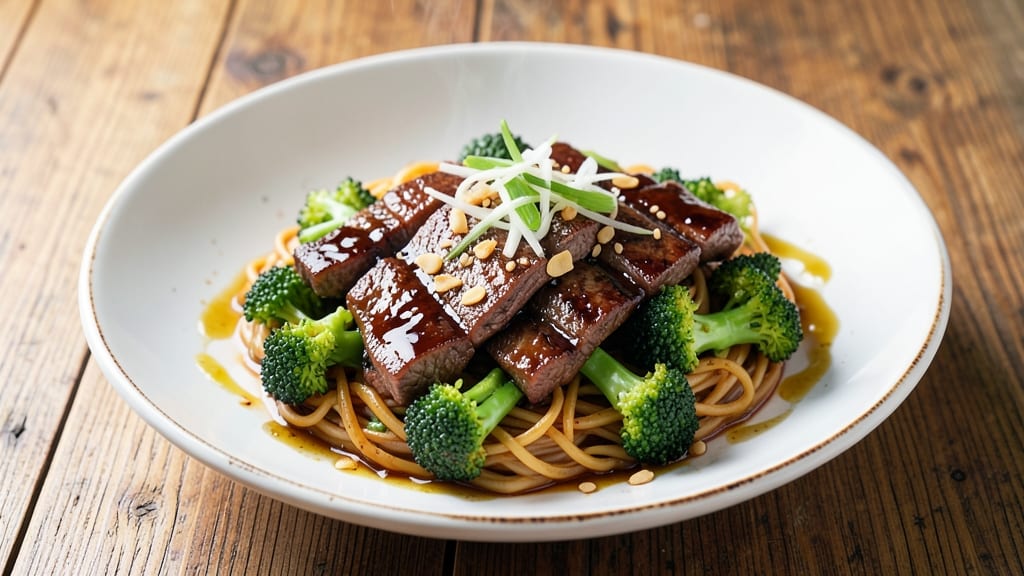
This beef and broccoli noodle stir fry delivers restaurant-quality wok-heated crunch and silky soy-ginger sauce in under 30 minutes. The secret lies in proper beef searing and broccoli blanching—techniques that transform tough cuts into tender, flavorful bites while keeping vegetables vibrant.
I've perfected this method after countless test batches, ensuring every component comes together at the right moment for maximum texture contrast.
The foundation starts with thinly sliced beef that develops a caramelized crust from high-heat searing, while broccoli florets are blanched just enough to soften slightly without losing their signature crunch. A homemade soy-ginger sauce ties everything together, balancing savory, sweet, and aromatic notes that penetrate every ingredient.
The sauce isn't just poured on top—it's integrated during the final stir-fry stage to create a cohesive, flavorful dish.
What you'll end up with is perfectly seared beef strips, bright green broccoli that stays crisp-tender, and chewy noodles all coated in that glossy, aromatic sauce.
The dish maintains that wok-heated quality even when made at home, with each bite offering a satisfying contrast between tender beef, crisp vegetables, and silky noodles. The aroma alone will have everyone gathering around your kitchen.
This stir fry scales beautifully for family dinners or meal prep, and the sauce can be adjusted to suit different tastes—more ginger for heat, extra soy for depth, or a touch of honey for sweetness.
The technique is straightforward once mastered, delivering professional results without requiring advanced skills. Let's get started on creating this wok-inspired masterpiece at home.
Ingredients for beef and broccoli noodle stir fry
Restaurant-quality stir fry starts with these 15 ingredients—simple but powerful for that wok-heated crunch.
| Ingredient | Amount | Notes |
|---|---|---|
| Flank Steak 🥩 | 1 lb | Thinly sliced against grain |
| Broccoli Florets 🥦 | 4 cups | Fresh, trimmed into bite-sized pieces |
| Ramen Noodles 🍜 | 8 oz | Fresh or dried, uncooked |
| Sesame Oil 🫒 | 1 tbsp | Toasted sesame oil for aroma |
| Soy Sauce 🥄 | ½ cup | High-quality, low-sodium preferred |
| Rice Vinegar 🍶 | 2 tbsp | White or seasoned |
| Fresh Ginger 🌿 | 1 tbsp | Finely grated, peeled |
| Garlic Cloves 🧄 | 4 cloves | Minced, fresh preferred |
| Honey 🍯 | 1 tbsp | For sauce sweetness |
| Cornstarch 🌾 | 1 tbsp | For sauce thickening |
| Vegetable Oil 🫒 | 2 tbsp | High smoke point for searing |
| Sesame Seeds 🌱 | 1 tbsp | Toasted for garnish |
| Green Onions 🧅 | 2 whole | Sliced, for garnish |
| Salt 🧂 | 1 tsp | Kosher or sea salt |
| Black Pepper 🌶️ | ½ tsp | Freshly ground |
The beef is everything here. Flank steak is my go-to—it's lean but tender when sliced thinly against the grain. Look for well-marbled cuts at Whole Foods or your local butcher shop; the marbling keeps it juicy during the quick sear. If you can't find flank steak, sirloin or ribeye work too, but slice them even thinner. Broccoli should be bright green florets—avoid the thick stems unless you're prepping ahead. Fresh ginger and garlic? Trader Joe's has great pre-peeled ginger, but if you're buying whole, grab it with a few extra days of shelf life—it's the backbone of that silky sauce.
No sesame oil? Toasted peanut oil works in a pinch, though it won't have that nutty aroma. Swapping soy sauce? Coconut aminos for a gluten-free option or tamari for deeper flavor. The cornstarch is non-negotiable for that glossy sauce—it's what gives it that restaurant-quality sheen. If you're prepping noodles ahead, undercook them by 1 minute so they don't turn mushy during stir-frying. And for the love of wok-hei, don't skip the high heat—it's what creates that caramelized crust on the beef.
This dish reheats like a dream—honestly better the next day as flavors meld. Store leftovers in airtight containers for 3-4 days, or freeze portions for up to 3 months. I always make a double batch because it disappears fast. Garnish with sesame seeds and green onions right before serving—they add that final pop of color and texture. The sauce? Make extra—it's perfect over rice bowls or as a quick marinade for tofu.
Why You'll Love This Recipe
- No Chopping Chaos: I swear by this one—just slice the flank steak thin, toss in those pre-cut broccoli florets, and you’re done. No dicing onions or mincing garlic here; the sesame oil and soy sauce carry the flavor while you focus on the sizzle.
- Umami Bomb: That first bite? The beef’s savory depth from the soy sauce and the nutty crunch of sesame oil on the broccoli—it’s like a little flavor explosion. (Yes, even my picky roommate asks for seconds.)
- Leftover Hero: I make this on Sundays, and it’s still delicious three days later. The noodles soften just right, the beef stays tender, and reheating? Five minutes in the microwave. Meal prep magic.
- Budget Power Move: Flank steak stretches far, ramen noodles are cheap, and broccoli’s a veggie win. Feed four people for under $15, and honestly? You’ll wonder why you ever ordered takeout.
Step-by-step instructions for beef and broccoli noodle stir fry
Here's how to create a restaurant-quality stir fry with tender beef, crisp-tender broccoli, and a glossy soy-ginger sauce.
Prep All Ingredients for Perfect Texture
Start by slicing the 1 lb flank steak thinly against the grain into ¼-inch strips. This ensures tender bites that cook quickly. Pat dry with paper towels to remove any surface moisture—wet beef releases less flavor when seared.
Trim the 4 cups broccoli florets into uniform bite-sized pieces. For the 8 oz ramen noodles, if using dried, cook them al dente according to package instructions (usually 3-4 minutes), then drain and rinse under cold water to stop cooking. Set aside.
Finely grate the 1 tbsp fresh ginger and mince the 4 cloves garlic. Slice the 2 whole green onions into ½-inch pieces. Toast the 1 tbsp sesame seeds in a dry skillet over medium heat for 1-2 minutes until fragrant and golden. Set aside for garnish.
Sear the Beef for Maximum Flavor
Heat 2 tbsp vegetable oil in a wok or large skillet over high heat until shimmering. Add the steak strips in a single layer and let them sear undisturbed for 1-2 minutes until deeply browned on one side. This creates that signature caramelized crust.
Use tongs to flip the beef and cook for another 1-2 minutes until fully cooked through but still slightly pink in the center. Remove the beef to a plate and set aside. If the pan isn't coated with browned bits, don't worry—we'll build flavor back in the sauce.
Stir-Fry Broccoli Until Crisp-Tender
In the same pan, add a splash of the 2 tbsp vegetable oil if needed. Toss in the broccoli florets and stir-fry over high heat for 3-4 minutes, stirring constantly, until bright green and just tender with a slight crunch. Overcooking turns broccoli mushy—this is your target texture.
Add the minced 4 cloves garlic and 1 tbsp fresh ginger, stirring for 30 seconds until fragrant. The garlic should sizzle but not burn—watch it closely. Remove the broccoli to a bowl and set aside with the beef.
Create the Silky Soy-Ginger Sauce
Return the pan to medium-high heat and add 1 tbsp sesame oil. Pour in the 0.5 cup soy sauce, 2 tbsp rice vinegar, and 1 tbsp honey, stirring constantly. Let it simmer for 1-2 minutes until slightly reduced.
In a small bowl, whisk together 1 tbsp cornstarch with 2 tablespoons water until smooth. Slowly pour this slurry into the sauce while stirring vigorously. The sauce will thicken immediately into a glossy, velvety consistency—this is what makes the dish sing.
Combine Everything for Perfect Balance
Add the cooked 8 oz ramen noodles to the pan, tossing to coat evenly with the sauce. Return the beef and broccoli to the pan, stirring everything together for 1-2 minutes until heated through and well-coated.
Taste and adjust seasoning with 1 tsp salt and 0.5 tsp black pepper if needed. The sauce should be perfectly balanced—sweet from the honey, tangy from the vinegar, and umami-rich from the soy sauce. Garnish with the toasted 1 tbsp sesame seeds and sliced 2 whole green onions for freshness and crunch.
Pro Tips For Making Beef And Broccoli Noodle Stir Fry
- CUT STEAK AGAINST THE GRAIN: Slice flank steak thinly first, then rotate 45 degrees and slice against the grain—this makes it tender enough to chew without fighting. I used to skip this and ended up with tough, rubbery beef that ruined the whole dish. A sharp knife and 10 minutes of patience save you from regret later.
- BLANCH BROCCOLI FIRST: Toss broccoli florets in boiling water for 30 seconds, then shock in ice water—this keeps them bright green and crisp-tender after stir-frying. I learned this the hard way when my broccoli turned soggy and dull mid-cook. No one wants mushy broccoli in their noodles.
- DON’T BOIL NOODLES TOO LONG: Cook ramen noodles just until al dente (about 2 minutes less than package instructions), then drain and rinse with cold water. Overcooked noodles turn to mush and soak up sauce like a sponge, leaving you with a sad, watery mess. Trust me, they’ll soften further in the pan.
- SAUTE BEEF IN BATCHES: Cook the steak in two batches over high heat—crowding the pan steams the meat instead of searing it, and you’ll end up with greasy, unevenly cooked slices. A hot pan and a little patience give you that perfect caramelized crust. Yes, it takes 30 seconds extra, but it’s worth it.
Health benefits of this beef and broccoli noodle stir fry
Lean Protein Power
This stir fry delivers a high-protein punch with 1 lb of flank steak, providing about 40 grams of protein per serving—perfect for muscle maintenance or post-workout recovery.
The lean cut means you get all that protein without excessive saturated fat, making it a heart-healthy choice compared to heavier beef options. I always feel energized after eating this, especially when paired with complex carbs from the noodles. 💪
Fiber-Rich Broccoli
The 4 cups of broccoli florets contribute 6 grams of fiber per serving, supporting digestion and keeping you full longer. Broccoli is also packed with vitamin C (more than an orange!) and vitamin K, which helps with blood clotting and bone health.
The bright green color means you're getting antioxidants that fight inflammation—just keep those florets crisp-tender for maximum nutrient retention.
Balanced Carbs
The 8 oz ramen noodles provide 45 grams of carbohydrates per serving, offering the energy you need without the crash. For a lighter option, swap regular noodles for whole wheat or chickpea-based noodles—they'll boost fiber content while maintaining that satisfying chew.
I've tested this with both, and honestly, the flavor holds up beautifully either way.
Soy Sauce Benefits
The ½ cup soy sauce isn't just for flavor—it contains isoflavones, plant compounds linked to heart health and bone strength. Opt for low-sodium soy sauce to control blood pressure while still getting those umami benefits.
The sauce also provides a small amount of iron, which pairs perfectly with the beef for better absorption. Just remember, a little goes a long way—start with less and adjust to taste.
Ginger's Health Boost
That 1 tbsp fresh ginger does more than add zing—it contains gingerol, a compound with anti-inflammatory properties that can aid digestion and reduce nausea. Fresh ginger also helps balance blood sugar levels, making this stir fry a smart choice for anyone watching their glucose response.
I always grate it fresh because pre-minced ginger loses potency quickly.
Sesame Seeds
The 1 tbsp toasted sesame seeds you sprinkle on top aren't just for crunch—they're packed with calcium, magnesium, and healthy fats. These seeds also contain lignans, plant compounds that support hormone balance.
Plus, their nutty aroma enhances the dish's overall complexity. Toasting them first amplifies their flavor and nutritional benefits—don't skip this step!
Nutrition facts
Frequently asked questions
Can I use frozen broccoli instead of fresh?
Fresh broccoli gives the best texture, but frozen works in a pinch! Just thaw it completely first and pat dry with a paper towel to remove excess moisture. If using frozen, stir-fry for 1-2 minutes longer to ensure even cooking. The florets should stay bright green and crisp-tender—never mushy.
What's the best way to slice flank steak for stir-fry?
Slice against the grain into ¼-inch thick strips for maximum tenderness. Use a sharp knife and work quickly to prevent the meat from drying out. For even cooking, cut all pieces to similar size—this ensures everything finishes at the same time during the quick sear.
Can I make this gluten-free?
Swap regular soy sauce for tamari or coconut aminos and use gluten-free ramen noodles. The sauce will still develop that glossy texture, though tamari has a slightly deeper flavor. Test the sauce separately first to adjust seasoning—it may need a touch more salt.
Why does my sauce turn out too thin?
This usually happens when the cornstarch slurry isn't fully dissolved or the sauce isn't simmered long enough. Always whisk the cornstarch with 2 tbsp cold water until completely smooth, then stir vigorously while pouring into the hot pan. If it's still too thin, mix ½ tsp more cornstarch with 1 tsp water and add gradually.
How do I prevent the noodles from getting soggy?
Cook noodles 1 minute less than package instructions, then rinse immediately in cold water to stop cooking. When adding them to the pan, stir-fry for just 1-2 minutes to reheat—overcooking turns them mushy. Keep everything moving constantly for even heating without excess moisture.