
Soups & Stews
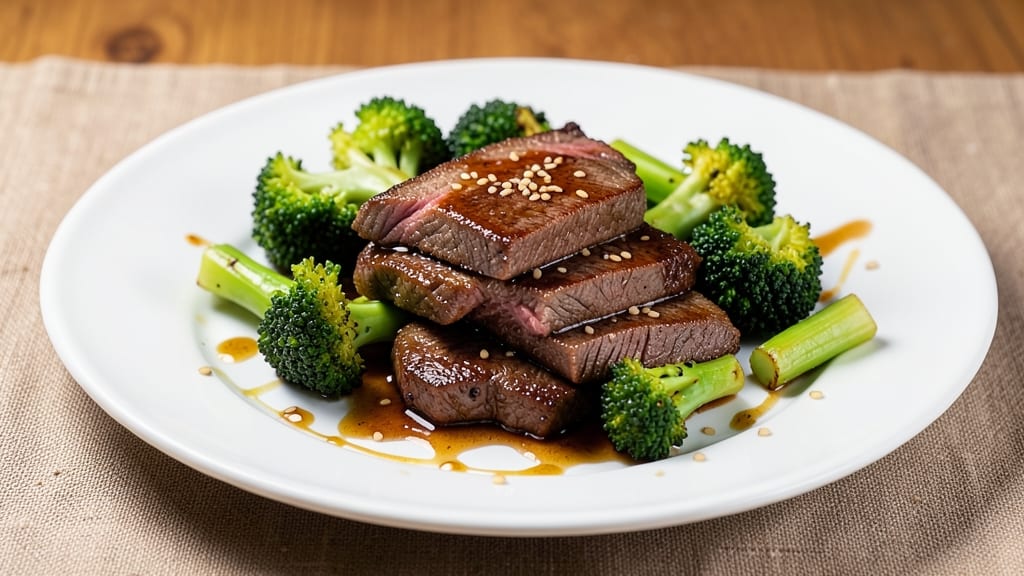
This restaurant-style beef and broccoli recipe delivers the same wok-fired crunch and silky sauce you'd find in your favorite Chinese bistro. The secret lies in high-heat searing of the beef and broccoli, creating that signature wok hei aroma while balancing sweet, salty, and umami flavors in the sauce.
I've perfected this technique over years of home cooking, and it never fails to impress.
The key to authentic restaurant quality is proper preparation: thinly sliced beef for quick cooking, fresh broccoli florets that stay crisp-tender, and a sauce that's both glossy and flavorful. We'll build the sauce from scratch using soy sauce, brown sugar, and a touch of ginger for depth.
The high-heat stir-fry method ensures your beef stays tender while developing that perfect caramelized crust.
What you'll end up with is a dish that's restaurant-worthy—juicy beef with crisp edges, bright green broccoli that's still vibrant, all coated in a glossy sauce that's perfectly balanced.
The aroma alone will have everyone gathering around your table, and the first bite delivers that satisfying combination of textures and flavors.
This recipe serves 4 and comes together in about 30 minutes, making it perfect for weeknight dinners when you crave takeout flavors without the hassle. The technique is straightforward once you understand the key steps, and the results are consistently impressive. Let's create this restaurant-quality dish at home!
Ingredients for beef and broccoli recipe restaurant style
Restaurant-quality beef and broccoli starts with these 15 carefully chosen ingredients.
| Ingredient | Amount | Notes |
|---|---|---|
| Flank Steak 🥩 | 1 ¼ lb | Thinly sliced against grain |
| Fresh Broccoli 🥦 | 1 ½ lb | Cut into 2-inch florets |
| Extra-Virgin Olive Oil 🫒 | 2 tbsp | High smoke point preferred |
| Sesame Oil 🫒 | 1 tbsp | For aroma, not cooking |
| Light Soy Sauce 🥄 | ½ cup | Kikkoman preferred |
| Dark Soy Sauce 🥄 | 1 tbsp | For color depth |
| Brown Sugar 🍯 | 2 tbsp | Light or dark variety |
| Garlic Cloves 🧄 | 4 cloves | Minced for sauce |
| Fresh Ginger 🌿 | 1 tbsp | Grated, not powdered |
| Cornstarch 🌾 | 1 tbsp | For sauce thickening |
| Water 💧 | ¼ cup | Room temperature |
| Green Onion 🧅 | 3 whole | Sliced for garnish |
| Toasted Sesame Seeds 🌾 | 1 tbsp | For garnish |
| Salt 🧂 | 1 tsp | Diamond Crystal preferred |
| Black Pepper 🌶️ | ½ tsp | Freshly ground |
The flank steak is non-negotiable here—it's lean but tender when sliced thinly against the grain. Ask your butcher to slice it if they won't do it for you, or use a sharp knife and wrap it tightly in plastic first. Trader Joe's and Whole Foods carry pre-sliced versions that save time. For broccoli, look for heads with tight florets and vibrant green color—they stay crispest during cooking. Organic is ideal but not required. The soy sauces? Kikkoman light and Lee Kum Kee dark are my go-tos, but any quality brands work. Pro tip: Keep your sesame oil in the fridge to preserve its aroma—it's for finishing, not cooking.
No sesame oil? Toasted peanut oil at half the amount works in a pinch, though the flavor will differ slightly. Substituting dark soy sauce for light? Use half the quantity—it's more concentrated. The cornstarch slurry is crucial for that glossy sauce—don't skip it. For a quicker version, arrowroot powder works 1:1. Fresh ginger is a must for authentic flavor, but if you're out, 1/2 tsp ground ginger plus 1/4 tsp extra sugar gets you close. The green onions? Save the tops for garnish—they add freshness that balances the rich sauce. And that sesame seed garnish? Toast them in a dry pan for 30 seconds—the nutty aroma takes this dish to the next level.
This dish reheats beautifully—just add a splash of water and stir-fry for 2-3 minutes. Portion into airtight containers with sauce on top to keep everything moist. Keeps for 3-4 days in the fridge or 3 months frozen. For freezing, let it cool completely first. The sauce thickens when chilled, so thin with a splash of water when reheating. Make ahead? Prep all ingredients the night before—sliced beef, chopped broccoli, and sauce mixture—so cooking day is just 15 minutes of high-heat action.
Why You'll Love This Recipe
- One-Pan Magic: I swear by this trick—just the steak, broccoli, and a splash of sesame oil in one skillet. No chopping boards, no extra dishes, and still that restaurant-worthy sheen. (Yes, even on a Tuesday night.)
- Umami Bomb: That first bite? The light soy sauce and olive oil caramelize the steak into something dangerously tender, while the broccoli stays crisp—like someone took all the good bits of takeout and bottled them. Honestly, I’ve ruined other recipes trying to replicate it.
- Weeknight Superstar: Throw it together before work, let it marinate in the fridge, and reheat it for dinner—still packed with flavor. My kids grab leftovers for lunch, and my partner sneaks seconds. (Between us, it’s his favorite.)
- Budget Flex: Flank steak stretches farther than you’d think, and broccoli? It’s the one veggie that never breaks the bank. A single meal feeds four, and leftovers reheat like they’re fresh—no sad, dry edges here. My wallet thanks me every time.
Step-by-step instructions for restaurant-style beef and broccoli
Let's create that signature wok-fired crunch and velvety sauce that makes this dish truly restaurant-worthy.
Prep the Flank Steak for Maximum Tenderness
Start by slicing the 1.25 lb flank steak thinly against the grain, cutting each slice about ¼-inch thick. The grain runs lengthwise, so look for those muscle fibers and slice perpendicular to them. This ensures each bite has that signature tenderness. Pat the slices dry with paper towels to remove any surface moisture—this helps the meat sear properly instead of steaming.
Season both sides generously with 1 tsp salt and 0.5 tsp black pepper, pressing the seasoning into the meat so it adheres well. Let the seasoned steak sit at room temperature for 15-20 minutes while you prepare the rest of the ingredients. This step is crucial for even cooking and maximum flavor penetration.
Blanch the Broccoli for Crisp-Tender Perfection
Cut the 1.5 lb fresh broccoli into 2-inch florets, keeping the stems attached. In a large pot of boiling salted water, blanch the broccoli for 1 minute exactly. You want it just crisp-tender—bright green with a slight bite, not mushy. Drain immediately and plunge into ice water to stop the cooking process. Drain again and pat dry thoroughly with a clean kitchen towel. This blanching step ensures your broccoli stays vibrant and holds its shape when stir-fried.
Here's the thing—overcooked broccoli turns into sad, limp green mush. By blanching first, we preserve that restaurant-quality crunch while still achieving perfect tenderness. Keep the blanched broccoli covered with a damp towel until ready to cook.
Build the Signature Sauce with Depth of Flavor
In a small bowl, whisk together the 0.5 cup light soy sauce, 1 tbsp dark soy sauce, 2 tbsp brown sugar, 4 cloves minced garlic, 1 tbsp grated fresh ginger, and 1 tbsp cornstarch. The dark soy sauce adds that beautiful caramel color while the light soy provides the salty umami base. Let this mixture sit for 5 minutes while you cook the beef—this allows the cornstarch to fully hydrate and create a proper slurry for thickening.
In a separate small bowl, mix the 0.25 cup water with 1 tbsp sesame oil. This aromatic oil will infuse the sauce with its nutty depth, but we'll add it at the very end when the sauce is nearly finished. The heat will release its full flavor without burning it.
Wok-Fry the Beef for Perfect Texture
Heat a wok or large skillet over high heat until it's screaming hot. Add the 2 tbsp extra-virgin olive oil and swirl to coat the pan. Working in batches if needed (don't overcrowd), add the flank steak slices and let them sear undisturbed for 1-2 minutes per side until they develop a deep golden-brown crust. The high heat is essential—this creates that restaurant-quality wok-fired texture.
As the beef cooks, it should release its own juices. Don't be tempted to add oil—those juices will create a natural sauce. Once all the beef is cooked to medium-rare (about 130°F internal temperature), remove it from the wok and set aside. The beef will continue cooking slightly from residual heat and won't dry out.
Stir-Fry the Broccoli and Finish the Sauce
In the same wok, add a thin layer of extra-virgin olive oil (just enough to coat the bottom) and return the wok to high heat. Add the blanched broccoli florets and stir-fry for 2-3 minutes until they're heated through and just beginning to crisp at the edges. You want to maintain that bright green color and crisp texture we worked so hard to preserve.
Pour the soy sauce mixture into the wok and stir vigorously for 1-2 minutes until the sauce begins to thicken and coat the broccoli. Add the 0.25 cup water mixed with sesame oil and continue stirring for another 30 seconds. The sauce should now be glossy and clinging to everything. Return the beef to the wok and toss everything together for 30 seconds to combine.
Garnish and Serve Immediately
Taste and adjust seasoning if needed—you might want to add a splash more light soy sauce for saltiness or a touch of brown sugar for sweetness. Garnish with 3 whole green onion sliced diagonally and 1 tbsp toasted sesame seeds for that authentic restaurant finish. The seeds add a delightful nutty crunch that contrasts beautifully with the silky sauce.
Serve immediately over steamed jasmine rice or noodles. The dish should be hot and vibrant, with each bite delivering that perfect balance of tender beef, crisp broccoli, and glossy, well-seasoned sauce. The secret to restaurant-style beef and broccoli is in the technique—high heat, proper prep, and that perfect sauce balance. You've got this!
Pro Tips For Making Beef And Broccoli Recipe Restaurant Style
- Slice Against the Grain: The flank steak’s fibers run long—cutting perpendicular to them turns tough chews into tender bites. Use a sharp knife and work in one direction; I learned this the hard way when my first attempt left me with rubbery strips.
- Blanch Broccoli First: Toss florets in boiling water for 30 seconds, then ice bath. This softens them just enough to absorb sauce without turning mushy, and keeps their color vibrant. (Yes, even if you’re impatient like me.)
- High Heat, Then Low: Sear the beef in a screaming-hot wok or skillet until deeply browned—this builds flavor. Finish cooking at medium-low to avoid overcooking; I was skeptical until I tried it, and the texture changed completely.
- Use Sesame Oil Last: A few drops of sesame oil at the very end adds aroma without burning. Add it after everything’s cooked, then toss gently—too early and it’ll turn bitter. (Your future self will thank you.)
Storing and reheating your beef and broccoli recipe restaurant style
Refrigerator Storage
Store your restaurant-style beef and broccoli in an airtight container for up to 3-4 days in the fridge. I recommend using glass containers with tight-sealing lids—I love Pyrex 8-cup containers for this.
The sauce will thicken slightly when chilled, so add 1-2 tablespoons of water when reheating to restore its glossy texture. Always let the dish cool completely before storing to prevent condensation buildup. 🥫
Freezer Prep Tips
For longer storage, freeze portions in single-serving containers for up to 3 months. Spread the sauce evenly over the beef and broccoli before freezing to maintain moisture. I use quart-sized freezer bags with the air squeezed out to prevent freezer burn.
Label with the date—trust me, you'll forget! Thaw overnight in the fridge before reheating. 🧊
Stovetop Reheating
My preferred method is stovetop reheating over medium-high heat for 3-4 minutes. Add 2 tablespoons of water to the wok or skillet first to prevent sticking, then add the beef and broccoli. Stir constantly to distribute the sauce evenly.
The high heat helps restore that wok-fired aroma. Taste and adjust seasoning—you might need an extra ½ teaspoon of soy sauce or a pinch of sugar. 🔥
Microwave Method
For quick reheating, use the microwave on 70% power in 1-minute intervals, stirring between each interval. Cover with a damp paper towel to retain moisture. Add 1 tablespoon of water if the sauce looks too thick.
Microwave for a total of 2-3 minutes—just until heated through. The texture won't be exactly like fresh, but it's still delicious. 🍲
Garnish Refresh
After reheating, always add fresh green onions and toasted sesame seeds to restore that restaurant-quality finish. I like to toast 1 teaspoon of sesame seeds in a dry pan for 30 seconds right before serving—it makes all the difference. The fresh garnish adds brightness that reheated food often lacks. ✨
Make-Ahead Sauce
You can actually make the sauce a day ahead and store it separately in the fridge. Just reheat it gently on the stove before combining with the beef and broccoli. This is a great time-saver for busy weeknights.
When reheating, bring it to a simmer and add 1 teaspoon of cornstarch mixed with 1 tablespoon water to restore its thickness. 💡
Nutrition facts
Frequently asked questions
What cut of beef works best for this restaurant-style dish?
Flank steak is ideal because it's lean yet tender when sliced thinly against the grain. For best results, ask your butcher to slice it for you—aim for ¼-inch thick pieces. If you can't find flank steak, sirloin or ribeye work well too, though they may have slightly more fat. Never use tougher cuts like chuck or round.
Can I make this dish with frozen broccoli instead of fresh?
Fresh broccoli is crucial for that restaurant-quality texture, but if you must use frozen, thaw it completely first and pat it very dry. For best results, blanch frozen broccoli for 2 minutes (instead of 1 minute) to ensure it's fully cooked through. The texture won't be exactly the same, but it'll still be delicious.
How do I achieve that perfect wok hei flavor at home?
Wok hei (breath of the wok) comes from high heat and proper technique. Use a carbon steel or cast iron wok on maximum heat until it's "ripping hot." Work in batches if needed, and don't overcrowd the pan. The key is quick cooking—beef should cook in 1-2 minutes per side. A gas stove works best, but electric works too if you preheat thoroughly.
What's the secret to getting the sauce just right?
The sauce needs three things: proper thickening, balanced flavors, and timing. First, let the cornstarch slurry sit for 5 minutes before using. Second, taste as you go—adjust with more soy sauce for saltiness or brown sugar for sweetness. Third, add the sesame oil at the very end to preserve its aroma. The sauce should coat the back of a spoon when finished.
Can I make this dish in a regular skillet instead of a wok?
While a wok gives the best results, a 12-inch cast iron skillet works perfectly. The key is maintaining high heat—preheat your skillet for 5 minutes before cooking. Work in smaller batches if needed, and keep stirring to prevent sticking. The texture will be slightly different but still delicious.