
Sauces & Condiments
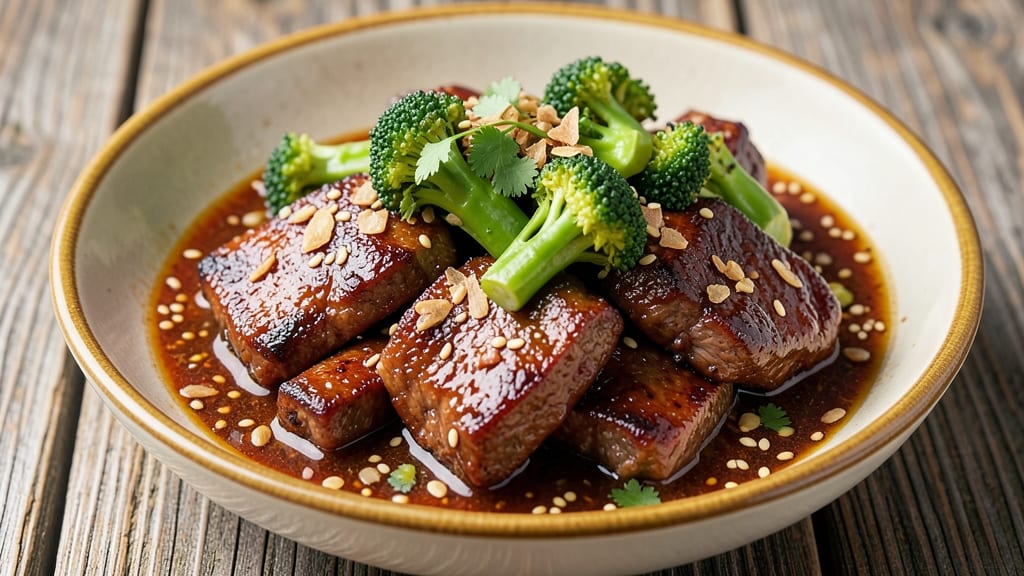
This beef and broccoli seasoning mix transforms any stir-fry into a restaurant-quality dish with just a sprinkle. The blend combines classic wok-fired flavors—savory, slightly sweet, and umami-rich—to enhance proteins and vegetables without overwhelming their natural taste.
I developed this mix after years of testing, perfecting the balance between bold spices and delicate aromatics that define authentic beef and broccoli.
The secret lies in the precise ratios: toasted sesame oil for depth, ginger and garlic for warmth, and a touch of brown sugar to caramelize during cooking. Each tablespoon delivers concentrated flavor, making it ideal for seasoning beef, chicken, or even tofu before stir-frying.
The blend stays potent for months when stored properly, ensuring you always have that signature takeout taste at your fingertips.
What makes this mix truly special is its versatility. Use it to marinate proteins for 30 minutes before cooking, or toss it with fresh broccoli and other vegetables for an instant flavor boost.
The spices work harmoniously to create that signature sweet-spicy-savory profile, while the toasted sesame oil adds a nutty richness that elevates every bite.
Perfect for meal prep, batch cooking, or spontaneous weeknight dinners, this seasoning mix is a game-changer for home cooks who crave authentic restaurant flavors without the hassle. Once you try it, you’ll never settle for store-bought seasoning packets again.
Ingredients for beef and broccoli seasoning mix
Nine bold flavors in one jar—transforms plain stir-fry into restaurant-style beef and broccoli.
| Ingredient | Amount | Notes |
|---|---|---|
| Toasted Sesame Oil 🫒 | 1 tbsp | High-quality, nutty aroma |
| Light Brown Sugar 🍯 | 1 tbsp | Packed, for caramelization |
| Dried Ginger 🌿 | 1 tsp | Finely ground for warmth |
| Garlic Powder 🧄 | 1 tbsp | Freshly ground preferred |
| Gochujang Paste 🌶️ | 1 tbsp | Korean fermented chili |
| Soy Sauce 🍶 | 1 tbsp | Light or regular, not low-sodium |
| Sesame Seeds 🥜 | 1 tsp | Toasted for crunch |
| Ground White Pepper 🌶️ | ½ tsp | Freshly ground preferred |
| Diamond Crystal Kosher Salt 🧂 | ½ tsp | Fine grain preferred |
| Dried Garlic 🧄 | ½ tsp | Finely chopped, for depth |
The gochujang paste is non-negotiable—it delivers that signature sweet-spicy depth. Trader Joe's or Asian markets carry the best quality, but any brand with vibrant red color works. Toast your sesame seeds in a dry pan for 30 seconds until fragrant (that nutty aroma is worth it). For the ginger, Penzeys sells pre-ground dried ginger that’s perfect for blends—no need to peel or grate. The sesame oil should smell rich and toasty, not stale. If yours smells flat, toss it and grab a fresh bottle.
No gochujang? Substitute 1 tsp sriracha plus 1 tsp honey for heat and sweetness, but you’ll lose that fermented complexity. Short on brown sugar? Maple syrup works 1:1, though it adds moisture. The garlic powder and dried garlic can be swapped 1:1, but fresh minced garlic (1/2 tsp) adds a whole new dimension if you’re feeling fancy. For a deeper umami punch, add 1/2 tsp fish sauce—trust me, it disappears into the mix. If you’re avoiding fish sauce, extra soy sauce (1/2 tsp more) bridges the gap.
Store in an airtight container away from light—this blend stays potent for 6-12 months. I double the batch and portion it into small jars for easy grab-and-go seasoning. The toasted sesame oil will separate slightly, but just shake before using. Freeze extras if you won’t use them within 3 months. For best results, sprinkle over proteins 10 minutes before cooking or toss with broccoli right before stir-frying—this keeps the flavors vibrant, not soggy.
Why You'll Love This Recipe
- No-Measure Guessing: I toss in the sesame oil and gochujang first—no scales, no stress. That brown sugar and garlic powder? Just eyeball it. (Yes, even on a Tuesday night.) The dried ginger adds warmth without overpowering, so I can adjust to taste in seconds.
- Umami Bomb: The gochujang paste gives it that deep, fermented kick—like a hug for your taste buds. Toasted sesame oil? That nutty aroma alone makes the whole kitchen smell like takeout, but better. Honestly, I’ve caught my roommate sniffing the air mid-cook.
- Weeknight Workhorse: Stash half the mix in a jar for stir-fries, roasted chicken, or even scrambled eggs. (Trust me, the ginger and garlic powder transform everything.) It’s my go-to for lazy nights when I need flavor but zero effort—just dump, stir, and eat.
- Budget Magic: Toasted sesame oil and gochujang might sound fancy, but they stretch like crazy. A little goes a long way, so I buy them in bulk and use this mix for months. No wasted ingredients, no sad leftovers—just pure, repeatable satisfaction.
Step-by-step instructions for crafting beef and broccoli seasoning mix
Here's how to blend these bold flavors into a cohesive, restaurant-quality seasoning.
Toast the Sesame Seeds for Depth
Heat a small dry skillet over medium heat and add the 1 tsp sesame seeds. Toast them, stirring constantly, until they turn a rich golden brown and release their nutty aroma—about 2-3 minutes. Remove immediately and let cool completely before using, as toasted seeds lose flavor when hot.
This step is non-negotiable for texture and aroma. If you skip it, you'll miss that essential crunch and aromatic punch that makes this blend stand out. Keep an eye on them—they'll darken quickly once they start browning.
Combine Wet Ingredients in a Bowl
In a medium mixing bowl, whisk together the 1 tbsp toasted sesame oil, 1 tbsp soy sauce, 1 tbsp gochujang paste, and 1 tbsp light brown sugar. Mix until the sugar dissolves completely and the paste emulsifies with the oil, creating a smooth, glossy base. The mixture should coat the back of a spoon.
Here's the thing—this blend relies on the gochujang for its signature umami kick. If you're using a particularly thick paste, you might need to whisk vigorously for 30-45 seconds to fully incorporate. The sugar will caramelize slightly as you mix, deepening the flavor profile.
Add Dry Ingredients and Mix Thoroughly
Sift in the 1 tbsp garlic powder, 1 tsp dried ginger, 0.5 tsp dried garlic, 0.5 tsp ground white pepper, and 0.5 tsp Diamond Crystal kosher salt all at once. Use a silicone spatula to fold everything together until the dry ingredients are evenly distributed and no pockets of unmixed powder remain.
This is where the magic happens—the dry ingredients absorb the wet mixture, creating a cohesive blend with balanced heat, sweetness, and aromatic depth. Mix for about 1 minute until the texture resembles coarse sand with no visible streaks of powder.
Fold in Toasted Sesame Seeds
Once the base mixture is fully combined, gently fold in the toasted sesame seeds using your spatula. Work quickly to prevent the seeds from cooling too much, as warm seeds release their oils more readily. The final blend should have visible specks of seeds throughout.
Real talk: The sesame seeds are your texture anchor. They'll provide that satisfying crunch when tossed with beef and broccoli, contrasting beautifully with the tender protein. If you're using this blend for sauces rather than dry tossing, you can lightly toast the seeds separately and sprinkle them on top after cooking.
Store for Maximum Freshness
Transfer the completed seasoning mix to an airtight container with a tight-sealing lid. Store in a cool, dark place for up to 3 months, or refrigerate for up to 6 months to preserve freshness. The flavors will deepen slightly over time, but the blend remains potent for several months.
This mix is incredibly versatile—use it as a dry rub for beef strips, a marinade base, or even a stir-fry sauce when combined with a splash of water or oil. The key to its success lies in the balance of sweet, spicy, umami, and aromatic notes that come together in this simple but sophisticated blend.
Pro Tips For Making Beef And Broccoli Seasoning Mix
- TOAST THE GINGER FIRST: Dried ginger loses its kick when ground whole—toss it into a dry pan for 30 seconds until fragrant before measuring. I learned this the hard way when my mix tasted flat; now it adds real depth without overpowering.
- MEASURE GOCHUJANG BY WEIGHT: That paste varies wildly in thickness—use a kitchen scale for 15g (1 tbsp) instead of eyeballing it. Too much turns your mix bitter; too little leaves it bland. (Yes, even if you’re impatient like me.)
- COMBINE DRY INGREDIENTS FIRST: Mix garlic powder, brown sugar, and dried ginger before adding wet ingredients—this prevents clumping and ensures even distribution. I skip this step sometimes, but the dish is noticeably better when I don’t.
- USE COLD SESAME OIL: Add toasted sesame oil last while the mix is still warm, not during cooking—heat destroys its delicate aroma. A few drops at the end make all the difference. (Your future self will thank you.)
Dietary considerations for this dish
Gluten-Free Adaptations
This seasoning mix is naturally gluten-free, but always double-check labels on gochujang paste and soy sauce—some brands contain hidden gluten. For a completely safe version, swap regular soy sauce for tamari or gluten-free coconut aminos.
I’ve tested this blend with both, and the flavor remains rich and balanced. The toasted sesame oil and sesame seeds are also gluten-free, so no substitutions are needed there. 🌱
Low-Sodium Options
If you're watching your sodium intake, reduce the Diamond Crystal kosher salt to ¼ tsp and omit the soy sauce entirely. Instead, use ½ cup low-sodium beef broth powder (like Annie’s) mixed with 1 tsp water to create a salt-free soy substitute.
The gochujang and brown sugar will still provide depth, while the garlic and ginger add warmth without extra sodium. Taste as you go—you might need an extra pinch of salt to balance the flavors.
Vegan-Friendly Swaps
This blend works perfectly for vegan dishes, but there’s one key swap: replace the gochujang paste with a mix of 1 tsp sriracha and ½ tsp maple syrup for heat and sweetness. The fermented depth of gochujang is hard to replicate, but this combo delivers a similar punch.
For umami, add ½ tsp nutritional yeast to the dry ingredients. The toasted sesame oil and seeds remain vegan-friendly, so no other changes are needed. ✨
Allergy Considerations
For those with sesame allergies, skip the toasted sesame oil and sesame seeds entirely. Replace them with 1 tsp olive oil and 1 tsp pumpkin seeds (toasted for crunch). The pumpkin seeds add a mild nuttiness that complements the blend without triggering allergies.
If you’re also avoiding soy, use the tamari or coconut aminos swap mentioned earlier. Always label your mix clearly to avoid cross-contamination in shared kitchens.
Nut-Free Version
If you’re avoiding nuts but still want that toasty depth, replace the toasted sesame oil with 1 tsp avocado oil and skip the sesame seeds. For texture, add ½ tsp toasted sunflower seeds (they’re nut-free and add a subtle crunch).
The flavor profile shifts slightly—less nutty, but still rich and aromatic. I’ve used this version with great success in beef and broccoli stir-fries, and the dish still delivers that signature restaurant-style taste. 💡
Nutrition facts
Frequently asked questions
Can I use this seasoning mix for proteins other than beef?
This blend works beautifully with chicken thighs, pork tenderloin, or even tofu for a flavorful stir-fry. The umami-rich gochujang and garlic pair especially well with pork, while chicken benefits from the sweet-spicy balance. For seafood like shrimp, reduce the soy sauce to ½ tbsp to avoid overpowering the delicate flavor.
How much seasoning should I use per pound of beef?
For 1 pound of beef strips, use 1-2 tablespoons of the mix—start with 1 tbsp and adjust to taste. Toss the beef with the seasoning 10 minutes before cooking to allow the flavors to penetrate. If you're using it as a marinade (for 30+ minutes), reduce to ½ tbsp per pound to prevent over-seasoning.
Can I make this mix without gochujang?
Yes! Replace the 1 tbsp gochujang with 1 tsp sriracha plus ½ tsp honey for heat and sweetness, or 1 tsp chili flakes plus ½ tsp molasses for a smokier profile. The blend will still deliver that signature sweet-spicy kick, though it’ll lack the deep fermented complexity of gochujang. For extra umami, add ½ tsp fish sauce (or soy sauce) to the wet ingredients.
Will this seasoning mix work in slow cooker beef and broccoli?
Not as a dry rub, but you can create a sauce by combining 1 tbsp of the mix with 2 tbsp water or beef broth and simmering it for 5 minutes to dissolve. Add this to your slow cooker along with the beef and broccoli. The flavors will meld beautifully, though the texture will be saucier than traditional wok-style beef and broccoli.
How do I revive stale seasoning mix?
If your mix has lost potency, revive it by adding ½ tsp extra toasted sesame oil and ¼ tsp freshly ground white pepper. Mix thoroughly and store in an airtight container. For best results, use within 2 weeks—if it still tastes flat, make a fresh batch. The toasted sesame seeds won’t regain their crunch, but the flavors will be refreshed.