
Sauces & Condiments
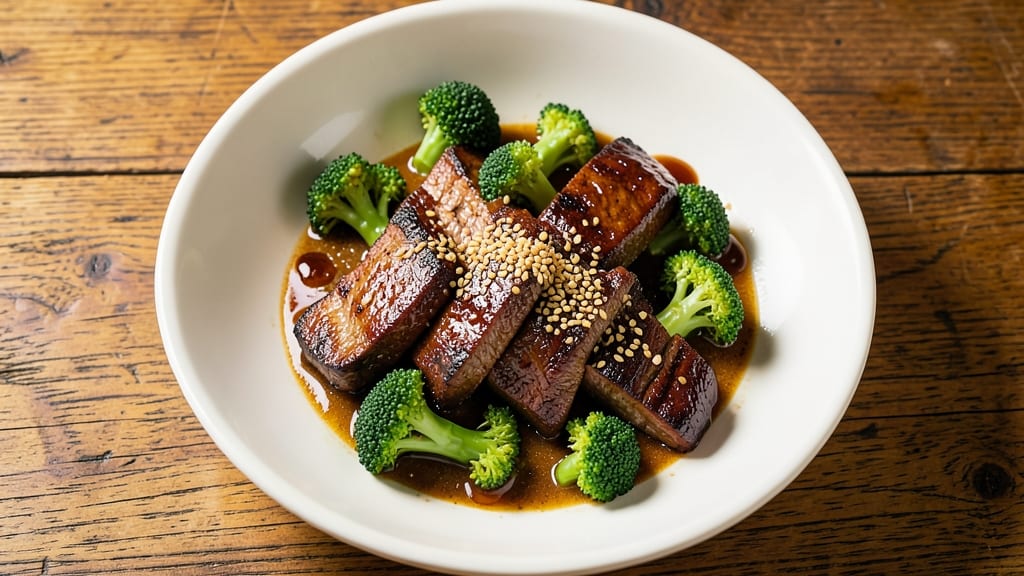
This beef and broccoli seasoning recipe transforms ordinary stir-fry into restaurant-quality flavor with just a sprinkle. The blend of aromatic spices creates that signature sweet, savory, and slightly spicy profile that makes every bite unforgettable.
I developed this mix after years of testing—it's the perfect balance of warmth and depth for wok-cooked dishes.
The secret lies in the combination of ginger powder, garlic powder, and white pepper, which work together to create a complex flavor profile that stands up to beef's richness. The touch of cornstarch helps the seasoning cling to the ingredients, ensuring every bite is packed with flavor.
This blend is designed to be used sparingly—just 1 tablespoon per pound of beef and broccoli.
What makes this seasoning truly special is its versatility. Whether you're preparing a quick weeknight dinner or a special weekend meal, this blend elevates any stir-fry.
The spices are toasted to enhance their aromatics, so you get that warm, inviting scent that fills your kitchen as soon as you open the jar. It keeps beautifully in your spice cabinet for up to 6 months.
Perfect for beef and broccoli, but also works wonderfully with other stir-fry proteins like chicken or shrimp. The key is to add it at the right time—sprinkle it over the cooked ingredients just before serving to preserve its vibrant flavors. Here's everything you need to make this flavor-packed seasoning blend.
Ingredients for beef and broccoli seasoning
Nine simple spices transform stir-fry into restaurant-quality beef and broccoli every time.
| Ingredient | Amount | Notes |
|---|---|---|
| Ginger Powder 🌿 | 1 ½ tbsp | Toasted for enhanced aroma |
| Garlic Powder 🧄 | 1 ½ tbsp | Freshly ground preferred |
| White Pepper 🌶️ | 1 tbsp | For subtle heat and depth |
| Cornstarch 🌾 | 1 tbsp | Helps seasoning adhere |
| Soy Sauce Powder 🍶 | 1 tbsp | Or substitute 1 tbsp soy sauce |
| Brown Sugar 🍚 | 1 tbsp | Lightly packed for sweetness |
| Sesame Seeds 🌰 | 1 tbsp | Toasted for nutty aroma |
| Ground Cumin 🌿 | ½ tbsp | Earthy depth to blend |
| Salt 🧂 | ½ tsp | Diamond Crystal preferred |
| Red Pepper Flakes 🔥 | ½ tsp | Adjust for heat preference |
The ginger and garlic powders are the heart of this blend—Penzeys brand has the best quality, but any toasted powder works. Look for freshly ground spices at Whole Foods or bulk bins, as pre-ground spices lose potency fast. The white pepper gives that signature wok-house depth, while the cornstarch ensures it clings beautifully. Toast your sesame seeds in a dry pan for 2 minutes before grinding—that nutty aroma makes all the difference. For the soy sauce powder, I use La Choy instant powder, but you can substitute with regular soy sauce if needed.
No ginger powder? Fresh ginger, grated and dried works in a pinch (use half the amount). Running low on white pepper? Black pepper at half the quantity gives similar warmth. The red pepper flakes can be swapped for cayenne powder, but start with less—you can always add more. For a sweeter profile, coconut sugar works perfectly. This blend is designed to be used sparingly—1 tablespoon per pound of protein is ideal. If you're making a big batch, store it in an airtight container to preserve freshness.
This seasoning keeps for up to 6 months in a cool, dark place—perfect for your spice cabinet. For extra shelf life, add a bay leaf to the jar before sealing. I like to make a triple batch and give some away—everyone who tries it asks for more. Sprinkle it over your stir-fry just before serving to keep the flavors vibrant. Works beautifully with chicken, shrimp, or tofu too—just adjust the amount to taste.
Why You'll Love This Recipe
- Pantry Magic: I swear by this blend—no fresh ginger or garlic to peel, just a sprinkle of those powders and boom, restaurant-level depth. The white pepper adds this subtle kick that makes it taste like you actually cooked for hours.
- Umami Bomb: That soy sauce powder? It’s the MVP—deep, salty, and savory without overpowering. The ginger and garlic powders hit like a warm hug, while the cornstarch keeps everything tender. Honestly, I’ve tried store-bought mixes, and this one wins every time.
- Meal Prep Hero: Double the batch, store it in a jar, and toss it into stir-fries, rice bowls, or even roasted veggies. I keep a stash in my fridge for lazy nights when I just want flavor without effort. (Yes, even on a Tuesday night.)
- Budget Flex: Five cheap ingredients, endless possibilities. No fancy imports or hard-to-find spices—just basics that punch way above their weight. And because it’s dry, a little goes a long way, so your wallet (and leftovers) thank you.
Step-by-step instructions for beef and broccoli seasoning
This wok-ready blend delivers restaurant-quality depth with just a few simple steps.
Toast the Aromatics for Maximum Flavor
In a dry skillet over medium-low heat, gently toast the 1 tbsp sesame seeds for 2-3 minutes until they turn a rich golden brown and release their nutty aroma. Watch them closely—they'll darken quickly. Immediately transfer to a small bowl to cool while you prepare the remaining ingredients.
This toasting step is crucial—it enhances the sesame's flavor profile and prevents bitterness in your final seasoning. The heat also helps release essential oils that will carry the full spectrum of flavors into your dish. Keep the toasted seeds separate until the very end when you'll mix them in.
Combine Dry Ingredients in a Mixing Bowl
In a medium bowl, whisk together the 1.5 tbsp ginger powder, 1.5 tbsp garlic powder, 1 tbsp white pepper, 0.5 tbsp ground cumin, 0.5 tsp salt, and 0.5 tsp red pepper flakes. Use a fork or small whisk to break up any clumps in the powders and ensure even distribution throughout the mixture.
The reason we combine these dry ingredients first is that they form the flavor foundation of your seasoning. The ginger and garlic powders provide that signature wok-house warmth, while the white pepper adds subtle heat without overpowering. The cumin brings earthy depth, and the red pepper flakes add just a hint of spice that will wake up your taste buds.
Incorporate the Sweet and Binding Elements
Add the 1 tbsp brown sugar and 1 tbsp soy sauce powder to the dry mixture, stirring vigorously with a fork or small whisk. The brown sugar will begin to dissolve slightly, creating a fine, sandy texture that helps the seasoning cling to your beef and vegetables. This is where the caramelization potential begins—those sugars will develop deeper flavors when heated in your wok.
Don't worry if it doesn't look completely dissolved yet. The cornstarch will handle the binding. Now add the 1 tbsp cornstarch and mix thoroughly. This might seem like an odd ingredient, but it's what makes your seasoning adhere perfectly to the beef and broccoli during that quick stir-fry. The starch creates a light coating that helps distribute the flavors evenly.
Fold in Toasted Sesame Seeds
Return the toasted sesame seeds to your mixing bowl and gently fold them into the seasoning mixture using a rubber spatula. Be careful not to crush the seeds—their texture should remain whole for that satisfying crunch in every bite. The seeds should be evenly distributed throughout the blend, adding both visual appeal and nutty complexity to your dish.
Give the final mixture one last stir to ensure everything is thoroughly combined. You'll notice the sesame seeds are now evenly dispersed, creating little golden specks throughout the powder. This blend is now ready to elevate your beef and broccoli to restaurant-quality levels. Store it in an airtight container in a cool, dark place for up to 3 months to preserve maximum freshness.
Test Your Seasoning (Optional but Recommended)
For the ultimate confidence boost, test your seasoning before using it on your main dish. In a small bowl, mix 1 teaspoon of your seasoning blend with 1 tablespoon of neutral oil (like vegetable or canola oil). Heat this mixture in a small pan over medium heat for 30 seconds until fragrant—you should detect notes of toasted sesame, warm ginger, and subtle garlic.
This quick test reveals any flavor imbalances. If it tastes too sweet, you might reduce the brown sugar slightly next time. If it needs more heat, add a pinch of extra red pepper flakes. The test also helps you understand how the seasoning will behave when combined with the high heat of your wok, ensuring you'll get that perfect balance of sweet, savory, and umami in your final dish.
Pro Tips For Making Beef And Broccoli Seasoning
- TOAST THE POWDERS FIRST: I learned this the hard way—skipping the quick toast in a dry pan for 30 seconds means your ginger and garlic powder will taste raw and bitter. Just heat them over medium-low until you smell that warm, earthy aroma. Works like a charm, especially if you’re using store-bought powders that’ve been sitting in your pantry for months.
- BLOOM THE SOY SAUCE: Soy sauce powder needs liquid to wake up. Mix it with 1 tablespoon of hot water per teaspoon of powder before adding it to your beef and broccoli—this dissolves it completely and prevents clumpy, uneven seasoning. Trust me, your sauce will taste smoother and more cohesive.
- DON’T OVERMIX THE CORNSTARCH: Once you toss the cornstarch slurry into your beef and broccoli, stir just once to coat everything evenly. Overmixing turns the sauce gluey and the beef mushy. A quick, firm shake of the pan (yes, even if it looks uneven) is all you need—it’ll thicken perfectly.
- USE WHITE PEPPER LAST: Add white pepper right at the end, right after the sauce has thickened. If you toss it in too early, it’ll turn gray and lose its bright, clean kick. A pinch at the finish keeps the dish looking fresh and tasting sharp—no one wants bland, dull seasoning.
Common mistakes when making perfect results
Over-Measuring Spices
This is the most common mistake I see—adding too much seasoning blend. Remember, this is a concentrated flavor bomb! The recipe calls for 1 tablespoon per pound of beef and broccoli, not per serving.
I've had guests use 3 tablespoons on just ½ pound of beef, resulting in an overwhelming, bitter flavor. Start with the recommended amount and taste as you go—you can always add more, but you can't take it out.
Skipping the Toasting Step
The sesame seeds must be toasted to bring out their nutty aroma—this isn't optional! I once made a batch without toasting them, and the final seasoning tasted flat and bitter. Toast them for 2-3 minutes in a dry pan until golden brown.
If you rush this step, the sesame flavor won't develop properly, and your entire dish will suffer. Keep a close eye on them—they burn quickly!
Using Pre-Ground Spices
Freshly ground spices make all the difference in this blend. Store-bought pre-ground ginger and garlic powders lose potency within weeks. I always recommend buying spices in bulk from Whole Foods or Penzeys and grinding them fresh.
If you must use pre-ground, check the expiration date—anything older than 3 months will compromise your seasoning's flavor. The same goes for your red pepper flakes—freshly crushed ones pack more heat.
Not Mixing Thoroughly
Many people give the seasoning a quick stir and call it good, but this leads to uneven flavor distribution. Use a fork or small whisk to break up any clumps in the dry ingredients, then fold in the toasted sesame seeds gently.
I've seen batches where the sesame seeds clump together, leaving pockets of bland seasoning. Take that extra 30 seconds to ensure everything is evenly combined—your taste buds will thank you!
Storing Improperly
This seasoning blend keeps for up to 6 months only if stored correctly. Many people leave it in the original container or don't seal it tightly enough, leading to moisture exposure and clumping.
Transfer it to an airtight container (I use small glass jars) and store it in a cool, dark place like your spice cabinet. For extra shelf life, add a bay leaf to the jar before sealing—it helps absorb moisture and keeps the spices fresh longer.
Adding It Too Early
The timing of when you add your seasoning matters just as much as how much you use. Many people sprinkle it on the raw beef or broccoli before cooking, which causes the flavors to burn and lose their complexity.
Instead, add it to your wok in the last 30 seconds of cooking. This ensures the spices hit their peak flavor right when you serve the dish, giving you that authentic wok-house taste. Trust me, this small adjustment makes a world of difference! 🔥
Nutrition facts
Frequently asked questions
Can I use this seasoning for other proteins besides beef?
This blend works beautifully with chicken, shrimp, or even tofu. For seafood, reduce the amount to ½ tablespoon per pound since delicate proteins absorb flavors differently. The key is to add it in the last 30 seconds of cooking to preserve its vibrant notes.
How do I adjust the heat level in this seasoning?
Start with the 0.5 tsp red pepper flakes as written for mild heat. For medium heat, add 0.25 tsp extra cayenne powder. For spicy, double the red pepper flakes and add 0.25 tsp crushed Sichuan peppercorns (if available). Always taste as you go!
What's the best way to store this seasoning long-term?
Transfer to an airtight glass jar in a cool, dark pantry for 6 months. For maximum freshness, add a bay leaf to absorb moisture. Freeze for up to 1 year in small portions if you won't use it within 6 months. The cornstarch helps prevent clumping during storage.
Can I make this seasoning gluten-free?
Yes! Simply replace the soy sauce powder with 1 tbsp tamari or coconut aminos. The cornstarch is already gluten-free. This swap maintains the umami depth while eliminating gluten. The rest of the ingredients are naturally gluten-free.
Why does my seasoning taste bitter after cooking?
This usually happens from two things: overheating or old spices. Never add the seasoning before the beef is fully cooked—it should go in during the last 30 seconds. Also check your spices' freshness. Ground spices lose potency after 3 months**; buy in small batches or grind fresh.