
Soups & Stews
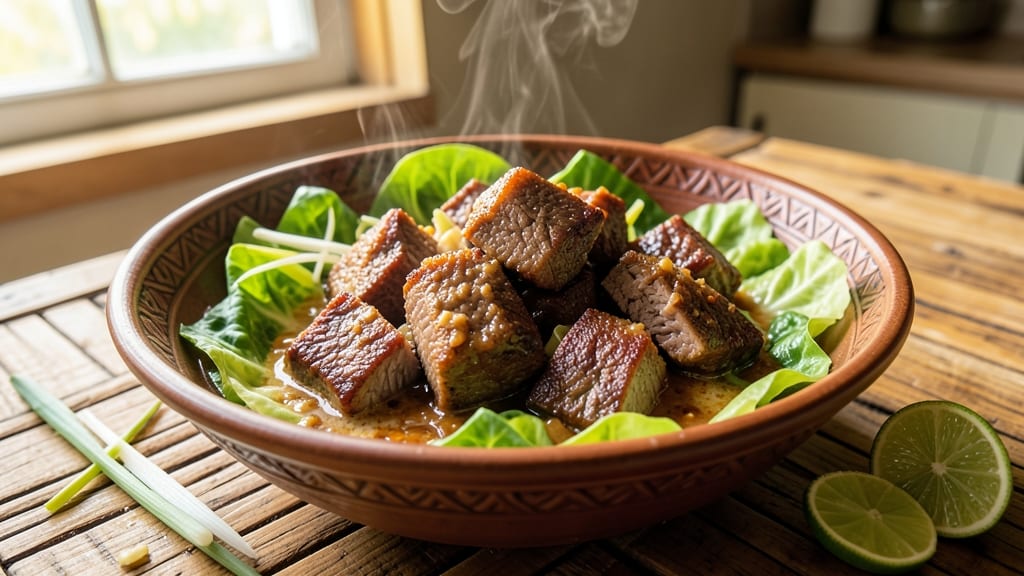
This beef and cabbage Filipino recipe delivers the rich, aromatic flavors of home-style Filipino cooking in one comforting, slow-braised dish. The secret lies in marinating the beef with soy sauce and ginger—creating deep umami and warmth—before simmering it with tender cabbage until everything melts into a silky, coconut-infused sauce.
What makes this dish special is how the layers of flavor develop over time, transforming simple ingredients into something truly special.
The technique is straightforward yet precise: sear the beef for depth, then braise it with coconut milk and vinegar for that signature tangy richness. The cabbage softens just enough to absorb the sauce while staying slightly crisp, offering both texture and nutrition.
This dish is perfect for family dinners or meal prep, as the flavors only improve with time—ideal for busy weeknights or weekend gatherings.
By the end, you’ll have a pot of tender beef and cabbage swimming in a glossy, aromatic sauce that’s balanced between sweet, savory, and tangy. The coconut adds a velvety depth, while the vinegar brightens every bite.
Serve it with steamed rice to soak up every last drop of that flavorful braising liquid.
This recipe is a testament to Filipino comfort food—simple yet sophisticated, hearty yet healthy. The slow cooking process ensures the beef is fork-tender, and the cabbage retains just enough bite to keep the dish interesting. Ready to bring a taste of Filipino home cooking to your table?
Ingredients for beef and cabbage filipino
The heart of Filipino home cooking—simple ingredients that transform into rich, comforting flavors.
| Ingredient | Amount | Notes |
|---|---|---|
| Beef Chuck Roast 🥩 | 1 ½ lb | Cut into 1-inch cubes |
| Green Cabbage 🥬 | 1 small head | Cut into wedges, core removed |
| Coconut Milk 🥥 | 1 can (13.5 oz) | Full-fat for creaminess |
| Soy Sauce 🍶 | ½ cup | Light or dark variety |
| Fresh Ginger 🌿 | 2 tbsp | Grated, for marinade |
| Garlic Cloves 🧄 | 4 cloves | Minced for marinade |
| Canola Oil 🫒 | 2 tbsp | For searing beef |
| White Vinegar 💧 | ¼ cup | For tangy brightness |
| Brown Sugar 🍯 | 2 tbsp | Balances flavors |
| Bay Leaves 🍃 | 2 whole | For aromatic depth |
| Salt 🧂 | 1 tsp | Kosher or sea salt |
| Black Pepper 🌶️ | ½ tsp | Freshly ground preferred |
| Green Onions 🧅 | 3 whole | Sliced for garnish |
The beef is everything here. Chuck roast stays tender while absorbing all those amazing flavors—sirloin or ribeye will stay tough. Look for a roast with good marbling at Costco or your local butcher, but the pre-cut cubes from the grocery store meat section work fine too. Fresh ginger and garlic are non-negotiable for that authentic depth—grate your own ginger instead of using powder. The cabbage should be firm with vibrant green leaves; red cabbage works too if you want a different color. For the coconut milk, full-fat canned versions like Thai Kitchen or Goya give the best creaminess—none of that watery stuff.
No fresh ginger? Substitute 1 tbsp ground ginger, but it won't be quite the same. Running low on soy sauce? Tamari or coconut aminos work in a pinch. The brown sugar adds just enough sweetness to balance the tang—white sugar works too, but the molasses notes in brown sugar are worth it. For extra richness, add 1 tbsp fish sauce (optional but traditional). The green onions are purely decorative, so skip them if you're not a garnish person. If you want to make this ahead, the flavors actually improve after 24 hours in the fridge—just reheat gently with a splash of water.
This dish tastes even better the next day—make extra for lunches. Store leftovers in an airtight container for up to 5 days in the fridge, or freeze portions for 3 months. The sauce thickens as it cools, so add a splash of water when reheating. For meal prep, portion into containers with rice—double the recipe if you're feeding a crowd. The cabbage stays crisp enough to eat, but if yours gets too soft, add a few extra minutes of simmering time next batch.
Why You'll Love This Recipe
- One-Pot Magic: I swear by this—just brown the beef, toss in the cabbage and coconut milk, and let it simmer. No chopping mountains of veggies, no last-minute pan cleanup. The cabbage softens right in the pot while the beef melts into tender shreds, all thanks to that ginger-soy base.
- Creamy-Savory Balance: That coconut milk turns the dish velvety, but the soy and ginger keep it sharp. It’s like a hug in a bowl—rich enough to satisfy, bright enough to keep you reaching for seconds. The cabbage adds that fresh crunch, cutting through the richness perfectly.
- Lunchbox Hero: Between us, this is my go-to for meal prep. The flavors only get better the next day, and it reheats like a dream. Pack it in containers for work lunches or school lunches—kids love the mild taste, and adults? We’re all sneaking extra servings.
- Budget Stretch: A beef chuck roast feeds four for under $15, and the cabbage lasts forever. Honestly, I’ve made this for date nights and family dinners alike—no fancy ingredients, just pure, satisfying comfort. Leftovers? Even better cold, straight from the fridge.
Step-by-step instructions for soy-ginger braised beef with cabbage
Here's how to create this rich, aromatic Filipino dish with tender beef and silky cabbage.
Sear the Beef for Deep Flavor
Heat the 2 tablespoons canola oil in a large Dutch oven over medium-high heat until shimmering. Working in batches to avoid crowding, add the 1.5 lb beef chuck roast cut into 1-inch cubes, spreading them out in a single layer. Let them sear undisturbed for 2-3 minutes per side until developing a deep brown crust.
This initial searing creates the Maillard reaction that builds complex flavors. I press down gently on the beef with a wooden spoon during the first minute to prevent curling. Once all pieces are golden brown, transfer them to a plate and set aside.
Build the Aromatic Base
In the same Dutch oven, reduce heat to medium and add the 2 tablespoons grated fresh ginger and 4 cloves minced garlic. Sauté for 1-2 minutes until the ginger becomes fragrant and the garlic turns golden - you'll smell that irresistible aroma. Add the 2 whole bay leaves and let them toast for 30 seconds to release their earthy notes.
Here's where the magic begins. Stir in the 0.5 cup soy sauce, 0.25 cup white vinegar, and 2 tablespoons brown sugar, scraping up any browned bits from the bottom. Let this mixture simmer for 2 minutes until slightly reduced and syrupy. This creates the flavor foundation for your braise.
Combine and Simmer the Braise
Return the seared beef to the Dutch oven and pour in the 1 can (13.5 oz) coconut milk. Stir gently to combine, then add 1 teaspoon salt and 0.5 teaspoon black pepper. Bring to a gentle simmer over medium-low heat, then reduce to low heat and cover partially with a lid.
Simmer for 1 hour, stirring occasionally, until the beef becomes fork-tender. The sauce should thicken slightly but remain velvety. If it reduces too much, add 2-3 tablespoons water to maintain the right consistency. This slow cooking transforms tough beef into melt-in-your-mouth tenderness.
Prepare and Add the Cabbage
While the beef simmers, cut the 1 small head green cabbage into wedges, removing the core. In a separate bowl, toss the cabbage with 1 tablespoon canola oil, 1 teaspoon soy sauce, and a pinch of salt to prevent it from becoming too bitter.
After the beef has simmered for 45 minutes, add the prepared cabbage to the Dutch oven. Stir gently to coat in the sauce, then cover and continue simmering for an additional 20-25 minutes until the cabbage is tender but still holds its shape. The cabbage should absorb the rich flavors while maintaining its vibrant color.
Finish and Garnish
Remove the 2 bay leaves from the braise. Taste and adjust seasoning if needed - you might want to add a splash more soy sauce for saltiness or a touch of vinegar for brightness. The dish should balance sweet, savory, tangy, and umami flavors.
To serve, divide the beef and cabbage among plates. Garnish with 3 whole green onions sliced diagonally. This dish tastes even better the next day as the flavors deepen, so consider making it ahead and reheating gently before serving.
Pro Tips For Making Beef And Cabbage Filipino
- Brown the Beef First: That chuck roast won’t develop rich flavor if you toss it straight into the coconut milk. Sear it hard in a hot pan with 1 tablespoon of oil until deep brown—about 5-6 minutes per side—before adding any liquid. I used to skip this, and the dish always tasted flat until I realized how much difference crispy edges make.
- Slice Cabbage Thin: Thick cabbage wedges stay crunchy and undercooked. Cut the cabbage into ¼-inch slices instead, so they soften evenly in the coconut milk. Pro tip: Remove the core first, then slice lengthwise into quarters before cutting thin—it goes faster, and you won’t waste edible parts.
- Simmer Slow and Low: This isn’t a race. After adding coconut milk and soy sauce, reduce heat to a gentle simmer (small bubbles, occasional swirls) and cover partially. Too much heat curdles the coconut milk or turns the beef tough. My first batch ended up like glue—now I keep it at a whisper of a boil.
- Toast the Ginger: Skip the raw ginger paste if you want depth. Peel and thinly slice a 2-inch knob, then dry-toast it in the same pan you seared the beef for 30 seconds until fragrant. Mash it slightly before adding to the pot—it releases oils that elevate the whole dish. (Yes, even if you’re impatient like me.)
Pro cooking tips for this recipe
Sear Like a Pro
Don’t skip the sear—this is where the beef develops its deep, caramelized crust that holds all those rich flavors. Use a large Dutch oven (I love my Le Creuset) and work in batches if needed to avoid crowding.
The key is patience: let each piece develop that golden-brown crust for 2-3 minutes per side before moving it. I press down gently with a wooden spoon during the first minute to prevent curling. This step builds the foundation for the entire dish. 🔥
Marinade Magic
Fresh ginger and garlic are non-negotiable for authentic flavor. Grate the ginger yourself—pre-packaged ground ginger just doesn’t cut it. For the marinade, combine ½ cup soy sauce, 2 tbsp brown sugar, ¼ cup white vinegar, and 2 tbsp grated ginger in a bowl.
Let the beef soak in this mixture for at least 30 minutes (or overnight if you have time). This step infuses the beef with layers of umami and warmth that will shine through during the braise.
Low and Slow Wins
After searing, the beef needs gentle, consistent heat to break down its tough fibers. Simmer on low heat (around 300°F) for 1 hour, covered, so the beef becomes fork-tender without drying out. I use a meat thermometer to check—aim for 195°F internal temperature for perfect tenderness.
If the sauce reduces too much, add 2-3 tbsp water to maintain that silky consistency. This slow cook transforms tough cuts into melt-in-your-mouth bites.
Cabbage Timing
Add the cabbage only after 45 minutes of braising to avoid overcooking it. Toss the wedges in 1 tbsp oil, 1 tsp soy sauce, and a pinch of salt before adding them to the pot.
This prevents bitterness and helps them absorb the rich flavors. Simmer for 20-25 minutes—just until tender but still holding its shape. Overcooking turns cabbage mushy, so keep an eye on it. 🥬
Sauce Balance
The sauce should be a harmonious blend of sweet, savory, tangy, and umami. Taste as you go—add a splash more soy sauce for saltiness, vinegar for brightness, or brown sugar for sweetness.
The coconut milk adds creaminess, but if it separates, stir in 1 tbsp cornstarch mixed with water to thicken it slightly. The goal is a velvety, glossy sauce that coats every bite.
Make-Ahead Pro Tip
This dish tastes even better the next day as the flavors deepen. Let it cool completely, then store in an airtight container in the fridge for up to 5 days. Reheat gently on the stovetop with a splash of water or coconut milk to restore its velvety texture.
For meal prep, double the recipe and portion it with rice—it’s a crowd-pleaser for busy weeks. 💫
Nutrition facts
Frequently asked questions
Can I substitute beef chuck roast with another cut?
Yes, but choose wisely! For tender results, use beef short ribs or chuck shoulder—both stay juicy during braising. Avoid lean cuts like sirloin or flank steak, as they'll dry out. If using short ribs, reduce simmering time to 45 minutes after adding cabbage, since they cook faster.
Why does my cabbage turn bitter?
Bitterness happens when cabbage cooks too long or lacks seasoning. Toss wedges with 1 tsp soy sauce and 1 tbsp oil before adding to the pot. Simmer for only 20-25 minutes—overcooking releases bitter compounds. For extra insurance, add ½ tsp sugar when tossing the cabbage to balance flavors.
How can I make this dish spicier?
Add 1-2 tbsp sili (Filipino chili paste) or 1 tsp cayenne pepper when building the aromatic base. For heat control, start with ½ tsp and adjust to taste. If using sili, reduce vinegar slightly (¼ cup) since it's already tangy. Garnish with sliced jalapeños for extra kick!
Can I make this in an Instant Pot?
Sear beef first, then add all ingredients except cabbage. Cook on high pressure for 30 minutes, then quick-release. Add cabbage and cook on sauté mode for 10 minutes. The pressure cooker reduces cooking time while keeping beef tender. Use ½ cup water instead of coconut milk if needed for proper pressure building.
What sides pair best with this dish?
Steamed jasmine rice is classic, but also try garlic fried rice or sautéed string beans. For a complete meal, add lumpia (Filipino spring rolls) or atchara (pickled papaya) for tangy contrast. The rich beef and cabbage balance perfectly with lighter, crisp sides that cut through the sauce.