
Main Courses
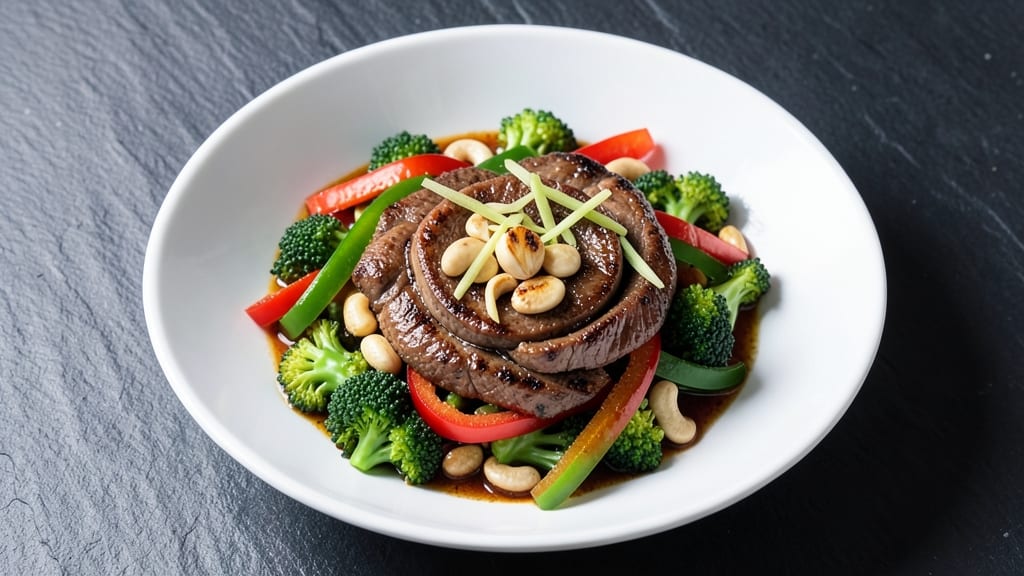
This beef and cashew stir-fry recipe delivers restaurant-quality wok heat with a perfect balance of nutty sweetness and savory depth. The secret lies in high-heat stir-frying that keeps beef tender-crisp while toasted cashews add satisfying crunch.
I've perfected this technique to ensure every bite delivers that signature wok-fired flavor without requiring specialized equipment—just a sturdy skillet and proper timing.
The foundation starts with thinly sliced beef marinated in soy sauce and cornstarch, which creates that signature tender yet slightly chewy texture. Cashews toast quickly in the same pan, releasing their natural oils that create a rich, nutty aroma.
What makes this recipe special is how the sweet-savory sauce—made with just a few pantry staples—coats everything perfectly without overpowering the beef's natural flavor.
By the time you're done, you'll have a dish that's restaurant-quality at home: perfectly seared beef strips, toasted cashews with golden edges, and vegetables that stay crisp-tender. The sauce clings beautifully, creating pockets of umami and sweetness in every bite.
This stir-fry comes together in under 30 minutes, making it ideal for weeknight dinners or meal prep.
Serve it over steamed jasmine rice or noodles for the full experience, and don't forget to garnish with fresh cilantro or sesame seeds for that final touch of freshness.
The balance of textures—crispy cashews, tender beef, and slightly charred vegetables—makes this one of those dishes that disappears faster than you can say "takeout." Let's get cooking!
Ingredients for beef and cashew stir fry
Restaurant-quality stir-fry starts with these carefully balanced ingredients for perfect wok heat and nutty-sweet harmony.
| Ingredient | Amount | Notes |
|---|---|---|
| Flank Steak 🥩 | 1 ½ lb | Thinly sliced against grain |
| Raw Cashews 🥜 | 1 cup | Unsalted, toasted in pan |
| Bell Peppers 🌶️ | 2 whole | Red/yellow, sliced into strips |
| Broccoli Florets 🥦 | 2 cups | Cut into bite-sized pieces |
| Garlic Cloves 🧄 | 4 cloves | Minced, aromatic foundation |
| Fresh Ginger 🌿 | 1 tbsp | Grated, for zesty kick |
| Low-Sodium Soy Sauce 🍶 | ½ cup | For umami depth |
| Cornstarch 🌾 | 2 tbsp | For tenderizing beef |
| Honey 🍯 | 1 tbsp | For nutty-sweet balance |
| Sesame Oil 🫒 | 1 tbsp | For aromatic finish |
| Vegetable Oil 🫒 | 3 tbsp | High smoke point for stir-fry |
| Green Onions 🧅 | 3 whole | Sliced, for garnish |
| Toasted Sesame Seeds 🌱 | 1 tbsp | For crunchy texture |
| Diamond Crystal Kosher Salt 🧂 | ½ tsp | For seasoning |
| Ground Black Pepper 🌶️ | ¼ tsp | Freshly ground |
The flank steak is non-negotiable for this dish—its lean yet tender texture holds up beautifully to high-heat stir-frying. Ask your butcher to slice it thinly against the grain (about 1/8-inch thick) for that signature tender-crisp bite. If you can't get pre-sliced, freeze the steak for 30 minutes before slicing for cleaner cuts. For cashews, raw unsalted works best—they toast beautifully in the pan, releasing their natural oils that create that rich, nutty aroma. Trader Joe's and bulk bins at Whole Foods offer the best quality at reasonable prices. Avoid pre-toasted cashews—they burn quickly and lack that fresh toasted flavor.
No flank steak? Sirloin or ribeye sliced thinly will work, though they're slightly more tender. Short on bell peppers? Substitute snap peas or zucchini for a different texture. The soy sauce is crucial for umami—Kikkoman or Pearl River Bridge are reliable brands, but any low-sodium variety will do. For extra depth, add a splash of Shaoxing wine (about 1 tbsp) to the sauce. The honey should be light amber for a smooth sweetness that complements the savory elements. If you're avoiding honey, agave nectar at half the amount works beautifully. Fresh ginger is ideal, but powdered works in a pinch—just use one-third the amount.
This stir-fry reheats beautifully—store leftovers in an airtight container for up to 4 days in the fridge. For longer storage, freeze portions for 3 months—the flavors actually meld better over time. I like to portion mine into individual containers for easy meal prep during the week. The cashews and vegetables can be prepped ahead and stored separately in the fridge for 2 days before cooking. Garnish with fresh cilantro if you have it, but the sesame seeds and green onions add plenty of freshness on their own.
Why You'll Love This Recipe
- No Chopping Chaos: I swear by this one—just slice the flank steak thin, toss in pre-cut bell peppers and broccoli florets, and you’re done. The cashews? Buy them raw and toast them in the same pan as the beef. That’s how you save 15 minutes without skipping flavor.
- Umami Bomb: That first bite of seared flank steak with toasted cashews? It’s like a flavor grenade. The garlic cloves sizzle into the pan, then the beef gets this perfect crust, while the cashews add crunch and richness. Honestly, I’ve made stir-fries that cost twice as much but taste half as good.
- Lunchbox Hero: Between us, this is my go-to for meal prep. Pack the leftovers in containers—it reheats like a dream, and the broccoli stays crisp instead of soggy. My kids actually eat their veggies when they’re hidden in this, and I still get compliments from coworkers who think I’m a gourmet chef.
- Budget Power Move: Flank steak stretches further than you’d think when sliced thin, and raw cashews are cheaper than nuts you’d buy pre-toasted. A single pan, minimal oil, and no fancy sauces needed. I’ve fed four people for under $12 with this—no guilt, just good food. (Yes, even on a Tuesday night.)
Step-by-step instructions for beef and cashew stir-fry
Master this wok technique for perfectly tender beef and nutty crunch in every bite.
Prep and Marinate the Flank Steak
Begin by slicing the 1.5 lb flank steak thinly against the grain into ¼-inch thick strips. This cut ensures maximum tenderness when cooked quickly. Place the sliced steak in a bowl and add the 2 tbsp cornstarch, 0.5 tsp diamond crystal kosher salt, and 0.25 tsp ground black pepper. Toss gently to coat evenly - the cornstarch creates a light crust that prevents the beef from drying out during the high-heat stir-fry.
Let the marinated steak rest for 15 minutes at room temperature. This brief resting period allows the cornstarch to adhere properly and ensures even cooking when it hits the hot wok. The steak should be completely dry before cooking - any moisture will cause it to steam instead of sear.
Toast the Cashews and Prep Vegetables
Heat a clean dry skillet over medium heat and add the 1 cup raw cashews. Toast them for 3-4 minutes, stirring constantly until they turn a light golden color and become fragrant. Remove from heat immediately and set aside - they'll continue to cook from residual heat. Over-toasting will make them bitter.
While the cashews toast, slice the 2 whole bell peppers into ¼-inch strips and cut the 2 cups broccoli florets into bite-sized pieces. Mince the 4 cloves garlic and grate the 1 tbsp fresh ginger. Keep all prepped vegetables separate until ready to cook - this prevents them from releasing moisture and becoming soggy.
Stir-Fry the Beef at High Heat
Heat a wok or large skillet over high heat until smoking, then add 2 tbsp vegetable oil. Swirl to coat the surface evenly. Add the marinated steak strips in a single layer and stir-fry for 1-2 minutes until they turn light brown and are 80% cooked. The high heat is crucial here - it creates that signature wok-hei flavor while keeping the beef tender.
Remove the beef from the wok and set aside. Add the remaining 1 tbsp vegetable oil to the wok, then add the garlic and ginger. Stir-fry for 30 seconds until fragrant - this builds the aromatic foundation for your dish. Add the bell peppers and broccoli florets, stirring constantly for 2-3 minutes until the vegetables are bright green and crisp-tender. Overcooking will make them mushy.
Combine and Finish with Sauce
Return the beef to the wok. Add the 0.5 cup low-sodium soy sauce, 1 tbsp honey, and 1 tbsp sesame oil. Stir everything together for 1-2 minutes until the sauce coats the beef and vegetables evenly. The honey adds a subtle sweetness that balances the savory soy sauce and complements the nutty cashews.
Push the stir-fry to one side of the wok and add the toasted cashews to the empty space. Stir gently to warm them through for 30 seconds - this prevents them from becoming too soft. Taste and adjust seasoning if needed, adding a splash more soy sauce if the dish needs more umami.
Garnish and Serve Immediately
Transfer the stir-fry to serving plates and garnish with sliced green onions and toasted sesame seeds. The green onions add a fresh contrast while the sesame seeds provide a satisfying crunch. Serve immediately while everything is hot - the textures and flavors work best when the dish is piping hot from the wok.
This stir-fry delivers perfect wok-hei with tender beef, crisp vegetables, and nutty cashews. The cornstarch coating keeps the beef moist while achieving that signature sear, and the honey-soy sauce creates a balanced sweet-savory flavor profile that pairs beautifully with the crunchy cashews.
Pro Tips For Making Beef And Cashew Stir Fry
- Slice Thin, Sear Fast: Flank steak fights back when it’s thick—cut it against the grain into ¼-inch strips, then sear in batches over screaming-high heat for 1-2 minutes per side. Crowd the pan and it’ll steam instead of brown, leaving you with sad, gray beef instead of restaurant-quality bites.
- Toast Cashews Low and Slow: Skip the high-heat blitz in the pan—cashews burn faster than you’d think. Spread them on a dry skillet over medium-low heat, stirring every 30 seconds until they’re fragrant and just golden. (Yes, they’ll take 5-6 minutes, but rushed toasting makes them taste like sawdust.)
- Prep Veggies in Two Sizes: Tiny broccoli florets and diced bell peppers cook at different speeds. Cut half the peppers into matchsticks and leave the other half in 1-inch chunks—this way, nothing turns to mush while you’re waiting for the steak to finish. (Pro move: blanch broccoli first if you’re really impatient.)
- Add Garlic Late, Stir Like Crazy: Mince garlic after the beef is out of the pan—raw garlic cloves in a hot wok taste like medicine. Toss them in the last 30 seconds, then immediately dump everything onto a plate and give it a rough mix. (This stops them from burning and keeps the stir-fry from turning into a garlic paste.)
Troubleshooting great beef and cashew stir fry
Undercooked Beef Fix
If your beef strips remain pale and rubbery after cooking, you likely didn't cook them long enough at high heat. The key is high heat (400°F+) for 1-2 minutes—they should reach 145°F internal temperature.
Remove the beef immediately when it's 80% cooked (light brown edges) and finish cooking with the vegetables. This prevents overcooking while ensuring proper doneness. 🔥
Mushy Vegetables
Vegetables turning soggy means they released moisture too early. Always prep them just before cooking and keep them separate until the very last minute. For extra crispness, stir-fry them over high heat for 2-3 minutes max—they should stay bright green and slightly firm.
If using watery veggies like zucchini, pat them dry with a paper towel first. 🥦
Sauce Too Thin
A watery sauce usually means the vegetables released too much moisture. To thicken, stir in 1 tsp cornstarch mixed with 1 tbsp water and cook for 30 seconds until the sauce glistens.
Alternatively, reduce the sauce by simmering uncovered for 1-2 minutes on medium heat. For prevention, add a pinch of baking soda (⅛ tsp) to the sauce to help emulsify it. 💡
Cashews Too Soft
Over-toasting cashews in the pan makes them lose their crunch. Toast them in a dry skillet over medium heat for 3-4 minutes until golden, then remove immediately. For extra crunch, toast them in a 350°F oven for 5-6 minutes before adding to the stir-fry.
Add them to the wok only at the very end to warm through without overcooking. 🥜
Stir-Fry Too Dry
If your stir-fry lacks moisture, the beef absorbed too much oil or the sauce didn't coat everything properly. For next time, use 1 tbsp less oil and add 1 tbsp water or beef broth with the sauce to create steam.
Also, stir-fry in batches if needed—don't overcrowd the pan. The sauce should coat the back of a spoon for best results. ✨
Burnt Flavor
Burnt aromatics (garlic or ginger) happen when they sit too long in hot oil. Cook them for only 30 seconds until fragrant, then immediately add the beef and vegetables.
If using a wok, ensure it's properly preheated to high heat before adding oil. For extra safety, add garlic and ginger after removing the beef the first time. 🌶️
Nutrition facts
Frequently asked questions
Can I use ground beef instead of flank steak?
Ground beef works but won't give the same texture. For best results, use 80/20 ground beef (20% fat) and form it into small patties or thin strips. Cook for 2-3 minutes until browned and fully cooked to 160°F. The fat content adds juiciness, but you'll need less oil in the pan since ground beef releases its own.
How do I make this dish gluten-free?
Replace the soy sauce with tamari or coconut aminos (both gluten-free). Check labels to ensure no cross-contamination. For extra umami, add 1 tsp gluten-free fish sauce to the sauce mixture. All other ingredients are naturally gluten-free, including the cashews and vegetables.
What's the best way to reheat leftovers?
Reheat in a skillet over medium heat with 1 tsp vegetable oil for 3-4 minutes, stirring constantly. Add 1 tbsp water or broth to prevent drying. Microwaving works too—cover with a damp paper towel and heat for 1-2 minutes on high. The cashews may lose some crunch but regain it slightly when reheated.
Can I make this without sesame oil?
Use 1 tbsp neutral oil (like vegetable or canola) instead. For flavor, add ½ tsp toasted sesame seeds directly to the sauce or sprinkle extra on top when serving. The dish will still taste delicious—sesame oil just adds that signature aroma.
Why do my cashews burn so quickly?
Cashews burn easily because their oils have a low smoke point. Toast them over medium heat (not high) and stir constantly. For foolproof results, toast them in a 350°F oven for 5-6 minutes before stir-frying. Remove them from the pan immediately after toasting—they'll continue cooking from residual heat.