Soups & Stews
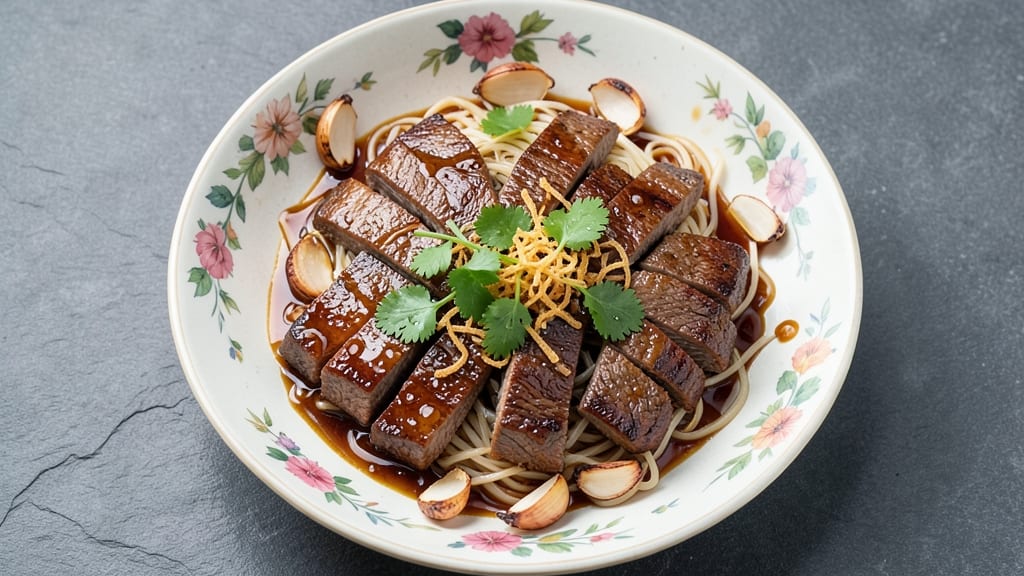
This beef and glass noodle recipe delivers restaurant-quality flavor with minimal effort, combining tender beef, chewy glass noodles, and a tangy hoisin glaze that balances sweet and savory notes.
The secret lies in properly searing the beef for maximum tenderness and preparing the glass noodles just right—soaking them until they're pliable yet still retain their signature chew.
I developed this version after years of experimenting with different sauces and cooking techniques, and it consistently delivers results that taste like they came from a bustling Asian eatery.
The foundation of this dish is a simple yet bold sauce made with hoisin, soy sauce, and a touch of brown sugar, which creates a glossy glaze that coats both the beef and noodles perfectly.
You'll also need just a handful of fresh ingredients—thinly sliced onions, garlic, and a handful of cilantro—to round out the dish. The beauty of this recipe is its flexibility: you can adjust the heat level to your preference or swap the beef for chicken if needed.
By the time you're done, you'll have a dish that's rich in flavor yet light enough to enjoy as a meal on its own.
The beef will be perfectly tender with a slight char from the searing, the glass noodles will be chewy and satisfying, and every bite will be infused with that irresistible hoisin glaze.
This recipe is perfect for weeknight dinners, meal prep, or even a quick lunch when you're craving something hearty yet easy to make.
Serve it with a side of quick-pickled vegetables or a sprinkle of fresh herbs for added freshness. The combination of textures and flavors makes this dish incredibly versatile—it works as a main course or even as a filling for lettuce wraps.
Let's get started on creating this flavorful, satisfying meal that's sure to become a favorite in your rotation.
Ingredients for beef and glass noodle
These simple yet flavorful ingredients transform into a restaurant-worthy beef and glass noodle dish.
| Ingredient | Amount | Notes |
|---|---|---|
| Flank Steak 🥩 | 1 ½ lb | Thinly sliced against grain |
| Glass Noodles 🍜 | 8 oz | Dried, cellophane noodles |
| Hoisin Sauce 🍶 | ½ cup | Store-bought or homemade |
| Light Soy Sauce 🥄 | ¼ cup | For umami depth |
| Brown Sugar 🍯 | 2 tbsp | Lightly packed |
| Garlic Cloves 🧄 | 4 cloves | Minced finely |
| Yellow Onion 🧅 | 1 whole | Thinly sliced |
| Sesame Oil 🫒 | 1 tbsp | Toasted for aroma |
| Vegetable Oil 🫒 | 2 tbsp | High smoke point |
| Fresh Cilantro 🌿 | ¼ cup | Chopped for garnish |
| Red Chili Flakes 🌶️ | ½ tsp | Adjust to taste |
| Salt 🧂 | 1 tsp | Kosher preferred |
| Black Pepper 🌶️ | ½ tsp | Freshly cracked |
| Green Onion 🧅 | 2 whole | Sliced thinly |
The beef is everything here. Flank steak is my go-to for its lean texture and how it slices beautifully against the grain—ask your butcher to cut it thin if they won't do it for you. For the glass noodles, Asian markets carry the best selection, but any grocery store will have the dried kind. Soak them for 10-15 minutes until pliable but still chewy. The hoisin sauce? La Choy or Lee Kum Kee are solid choices, but homemade is worth it if you're feeling ambitious—just blend soy sauce, garlic, vinegar, and a touch of sugar.
No hoisin? Mix 2 tbsp soy sauce + 1 tbsp brown sugar + 1 tsp sesame oil as a quick substitute. The brown sugar in this recipe caramelizes beautifully with the soy sauce, so don't skip it. Fresh garlic is ideal, but garlic powder at half the amount works in a pinch. For extra heat, add 1 tsp sriracha or chili garlic sauce to the sauce mix. The cilantro adds freshness, but basil or mint works if that's what you've got. And if you're swapping beef for chicken, use boneless thighs for juiciness—slice them thinly after cooking.
Glass noodles keep 3-4 days in the fridge once soaked, but they're best fresh. Store leftover sauce in a jar for up to 1 week—it's perfect for quick stir-fries later. I always make extra sauce because it's so versatile. The beef can be prepped ahead and refrigerated for 1 day before cooking, but slice it just before serving so it stays tender. For meal prep, assemble the dish and refrigerate for up to 2 days, but reheat gently to keep the noodles from getting mushy.
Why You'll Love This Recipe
- One-Pan Magic: I swear, this dish is basically hands-off after the initial sear. Slice that flank steak thin, toss it in the pan with the noodles and sauce, then walk away while it caramelizes—no flipping, no fuss. The glass noodles soak up the sauce like sponges, so you’re not left with dry strands.
- Sweet-Savory Balance: Between the hoisin’s sticky richness and the brown sugar’s caramelized bite, every bite is a little flavor explosion. Honestly, the light soy sauce ties it all together so well that even picky eaters in my family ask for seconds.
- Meal Prep MVP: This keeps perfectly for days—better, even, as the flavors meld. I make a big batch on Sundays, pack it for lunches, and still have leftovers for dinner. The glass noodles hold up better than rice, and the beef stays tender (no sad, chewy slices here).
- Budget-Friendly Feast: Flank steak stretches far when sliced thin, and glass noodles are a steal compared to fresh. A single pound of beef and a bag of noodles feed four for under $15—plus, the hoisin and soy sauce are pantry staples I already had. Frugal but ridiculously satisfying.
Step-by-step instructions for beef and glass noodle stir-fry
Here's how to create a restaurant-quality stir-fry with tender beef and chewy noodles.
Prepare the Glass Noodles
Place the 8 oz glass noodles in a large bowl and cover completely with hot water (about 4 cups). Let them soak for 10-12 minutes until they become soft and pliable but still hold their shape. I like to test them by pinching a strand—they should feel tender but not mushy.
Drain the noodles in a colander and rinse briefly under cold water to stop the cooking process. Toss them with 1 tablespoon sesame oil and set aside. This step is crucial—the noodles should be tender but still hold their shape when stir-fried later. Over-soaking makes them too soft and gummy.
Marinate and Slice the Flank Steak
Slice the 1.5 lb flank steak thinly against the grain into ¼-inch thick strips. Place them in a bowl and mix with 0.25 cup light soy sauce, 1 teaspoon salt, and 0.5 teaspoon black pepper. Let this marinate for 15-20 minutes at room temperature while you prepare the rest.
For best results, I like to pat the steak dry before slicing—this helps it sear better. The marinade should coat the beef evenly, but don't over-marinate or the meat will become too tender and fall apart during cooking. The flank steak's natural flavor pairs perfectly with the soy sauce's umami punch.
Build the Stir-Fry Sauce
In a small bowl, whisk together 0.5 cup hoisin sauce, 2 tablespoons brown sugar, 4 cloves minced garlic, and 0.5 teaspoon red chili flakes. This sauce will give your stir-fry that signature tangy-sweet balance. Taste it now—it should be rich and slightly spicy, with a hint of heat from the chili flakes.
Set this sauce aside while you cook the beef. The hoisin sauce is the star here, so don't skimp on quality. If you're using store-bought, look for one with minimal additives for the best flavor. The brown sugar will caramelize slightly during cooking, adding depth to the sauce's complexity.
Stir-Fry the Beef and Aromatics
Heat 2 tablespoons vegetable oil in a large wok or skillet over high heat until shimmering. Add the marinated beef in a single layer and let it sear undisturbed for 1-2 minutes until browned on the bottom. Stir-fry for another 2-3 minutes until the beef is cooked through but still tender.
Remove the beef and set aside. In the same pan, add 1 whole thinly sliced yellow onion and cook for 1-2 minutes until softened. Return the beef to the pan and pour in the prepared sauce. Stir everything together and cook for 1-2 minutes until the sauce thickens slightly and coats the beef evenly.
Combine and Finish
Add the prepared glass noodles to the pan and toss everything together for 2-3 minutes until the noodles are heated through and coated with the sauce. The noodles should be tender but still hold their shape, with a slight chewiness that's characteristic of glass noodles.
Garnish with 0.25 cup chopped fresh cilantro and 2 thinly sliced green onions just before serving. The fresh herbs add a bright contrast to the rich, savory flavors. Serve immediately while hot—this dish is best enjoyed right away when the noodles are still chewy and the beef is tender.
Pro Tips For Making Beef And Glass Noodle
- Slice Against the Grain: Flank steak fights you if you don’t cut it properly—trim the fat first, then slice perpendicular to the grain into ¼-inch strips. Thinner slices cook faster and stay tender, while thicker ones turn chewy. (Yes, even if you’re impatient like me, resist the urge to rush this.)
- Soak Noodles Just Enough: Glass noodles soak up water like sponges, but over-soaking turns them mushy. Drop them in cold water for 10-15 minutes, then drain and rinse immediately—they’ll finish cooking in the pan. I learned this the hard way after serving a bowl of sad, limp noodles.
- Balance the Sauce Ratio: Hoisin and soy sauce are bold, so use them sparingly at first—start with 2 tablespoons hoisin, 1 tablespoon soy, and 1 teaspoon brown sugar, then taste as you go. Too much sauce makes the dish cloying; too little leaves it flat. (Your future self will thank you for testing it early.)
- Sear the Beef in Batches: Crowd the pan, and your steak will steam instead of sear. Cook the strips in two batches over high heat for 2-3 minutes per side until caramelized—this builds flavor without drying them out. Skip this, and you’ll end up with bland, gray beef instead of sticky, savory bites.
Common mistakes when making your beef and glass noodle
Over-Soaking Noodles
Glass noodles are delicate—soaking them too long turns them mushy and unappetizing. I’ve ruined this dish countless times by leaving them in hot water for more than 15 minutes.
Test them by pinching: they should feel tender but still hold their shape. For extra insurance, drain and rinse them under cold water immediately after soaking to halt cooking. 🌊
Skipping the Marinade
The beef needs that 15-20 minute soy marinade to tenderize and absorb flavor. Without it, the flank steak stays tough and bland. Pat the meat dry before slicing—this helps the marinade cling better and creates a better sear.
If you’re short on time, at least let it sit for 10 minutes while you prep other ingredients.
Low-and-Slow Cooking
High heat is your friend here! Cooking the beef on medium heat instead of high lets it steam instead of sear, making it rubbery. Get your wok or skillet screaming hot before adding oil—it should shimmer like a mirror.
If your pan isn’t hot enough, the beef will release juices that turn to steam, cooking the meat unevenly. 🔥
Undercooking the Beef
Flank steak needs to reach 145°F internal temperature for safety, but pulling it too early makes it chewy. Use a meat thermometer to check—insert it sideways into the thickest slice.
If you’re unsure, cook it an extra 30 seconds beyond your target time. The beef should be tender but still hold its shape when sliced.
Ignoring the Sauce Timing
Adding the sauce too early steams the beef instead of glazing it. Wait until the beef is nearly done before pouring in the sauce—this lets it caramelize and coat the meat beautifully.
Stir constantly during the final 2 minutes of cooking to prevent sticking. The sauce should thicken enough to coat the back of a spoon by the end. 🍶
Overcrowding the Pan
Stuffing too much beef into the pan at once drops the temperature and causes steaming. Cook in two batches if needed, keeping the first batch warm while you finish the second.
A crowded pan also makes it harder to toss everything together evenly. Use a large wok or skillet—at least 12 inches wide—to give everything room to breathe.
Nutrition facts
Frequently asked questions
What's the best way to store leftover beef and glass noodles?
Store leftovers in an airtight container in the fridge for up to 3 days. The noodles will soften further, so reheat gently in a pan with a splash of water or broth to restore their chewiness. For longer storage, freeze the sauce separately and the cooked beef/nodules together for up to 2 months. Thaw overnight in the fridge before reheating.
Can I substitute flank steak with another cut?
Yes! Try sirloin or ribeye for similar tenderness, or chicken thighs if you prefer poultry. For extra-lean options, use lean ground beef (80/20) but reduce cooking time slightly. The key is thin slicing against the grain—this works for all cuts. Just adjust marinating time to 10 minutes for chicken.
How do I make this dish spicier?
Boost the heat by adding 1 tsp sriracha or ½ tsp chili crisp to the sauce, or stir in 1 tbsp chopped fresh chili (like Thai bird's eye) at the end. For residual heat, sprinkle ½ tsp cayenne pepper over the noodles before serving. Remember—glass noodles absorb flavors well, so add spices gradually and taste as you go.
Why are my glass noodles mushy?
Over-soaking is the most common cause! Test noodles at 10 minutes—they should be pliable but still hold shape. Rinse with cold water immediately after draining to stop cooking. If they're already mushy, drain well and toss with 1 tsp cornstarch before stir-frying to restore texture. Always use hot (not boiling) water for soaking.
What sides pair well with this dish?
Try quick-pickled veggies (cucumber or carrot), steamed bok choy, or a simple cucumber salad. For a complete meal, add steamed jasmine rice or egg rolls. The dish's rich flavors balance well with light, crisp textures. Garnish with lime wedges—squeezing fresh lime over the noodles brightens the dish instantly.