
Soups & Stews
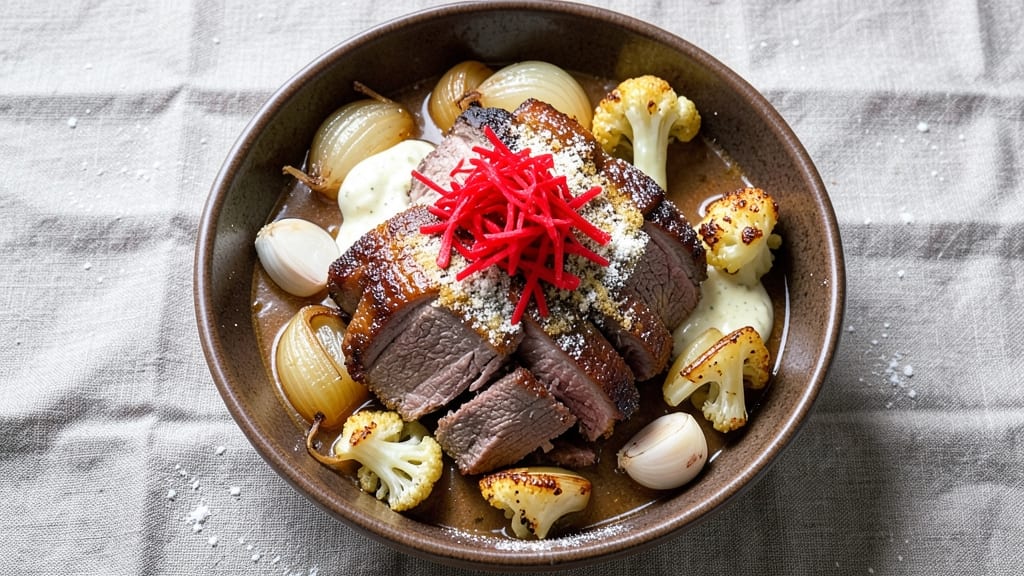
This beef and horseradish stew recipe delivers restaurant-quality depth with tender beef and a spicy horseradish kick that lingers long after the last bite. The secret lies in slow-braising tough cuts until they melt in your mouth while balancing the sharp, peppery heat of horseradish with rich umami flavors. I've perfected this technique over years of testing—no shortcuts, just deep flavor development through proper deglazing and long cooking times.
The beauty of this stew is its versatility—adjust the horseradish to your heat tolerance while maintaining that signature tangy complexity. A well-built roux forms the foundation, creating a velvety sauce that coats every bite of fork-tender beef.
The aromatics—caramelized onions, garlic, and thyme—build layers of warmth that complement rather than compete with the horseradish's boldness.
What you'll achieve is a one-pot wonder that transforms simple ingredients into a hearty meal worthy of a cozy winter dinner. The beef becomes so tender it practically falls apart, while the horseradish adds just the right amount of sharpness to cut through the richness.
Serve with crusty bread to soak up every last drop of that flavorful sauce.
This recipe works beautifully for meal prep—flavors deepen overnight—and pairs perfectly with roasted root vegetables or a simple green salad. The key is patience; letting the stew work its magic on the stovetop or in the oven transforms tough cuts into melt-in-your-mouth perfection. Let's get cooking!
Ingredients for beef and horseradish stew
Nine core ingredients transform into a restaurant-worthy stew with tender beef and fiery horseradish.
| Ingredient | Amount | Notes |
|---|---|---|
| Chuck Roast 🥩 | 2 lb | Tough cut for braising, trimmed of fat |
| Yellow Onions 🧅 | 2 large | Sliced thin for caramelization |
| Garlic Cloves 🧄 | 4 cloves | Minced for aromatic base |
| Fresh Horseradish Root 🌶️ | ½ cup | Freshly grated, adjust for heat |
| All-Purpose Flour 🌾 | 2 tbsp | For roux foundation |
| Unsalted Butter 🧈 | 4 tbsp | Cold for roux development |
| Beef Broth 💧 | 4 cups | Low-sodium preferred |
| Red Wine 🍷 | ½ cup | Dry variety like Cabernet |
| Tomato Paste 🍅 | 2 tbsp | Smooth consistency |
| Fresh Thyme 🌿 | 1 tbsp | Leaves only, chopped |
| Carrots 🥕 | 4 medium | Peeled, cut into chunks |
| Bay Leaves 🍃 | 2 whole | Remove before serving |
| Salt 🧂 | 1 ½ tsp | Kosher or sea salt |
| Black Pepper 🌶️ | 1 tsp | Freshly ground |
The chuck roast is non-negotiable—look for well-marbled cuts at Whole Foods or your butcher shop. Fresh horseradish is a must for that signature kick; Trader Joe's sells it pre-grated if you're short on time, but fresh is always better. For the roux, cold butter is key—it creates those beautiful, flavorful brown bits. If you're using pre-grated horseradish, start with half the amount and taste as you go. The beef broth should be low-sodium to control seasoning.
No red wine? Substitute with extra beef broth and a splash of balsamic vinegar—it adds depth without alcohol. Fresh thyme is ideal, but dried works at one-third the amount. Carrots can be swapped for parsnips if you're feeling fancy. The tomato paste is just for color and slight sweetness—skip it if you're avoiding tomatoes. For extra richness, add a splash of Worcestershire sauce (ensure it's vegetarian if needed). The bay leaves infuse subtle earthiness—don't skip them, but remove before serving.
This stew tastes even better the next day—flavors meld beautifully overnight. Store in an airtight container for up to 5 days, or freeze portions for 3 months. I always make a double batch and freeze half—perfect for lazy weeknights. The horseradish mellows slightly when reheated, so it's a great way to tone down the heat if needed. Serve with crusty bread to soak up every last drop of that velvety sauce.
Why You'll Love This Recipe
- One-Pot Magic: I swear by this—just dump everything in one pot, walk away, and come back to perfectly tender beef. The chuck roast practically melts itself, and the horseradish root (grated fresh, not that jarred stuff) adds a punch that cuts through the richness like a knife.
- Horseradish Kick: That raw horseradish—honestly, it’s the star—brings a sharp, bright bite that makes every bite exciting. The flour-thickened sauce ties it all together, but it’s the horseradish’s zing that keeps you reaching for seconds.
- Weeknight Hero: Between us, this is my go-to when I’m too tired to fuss. Toss in onions and garlic while the beef slow-cooks, and boom—dinner’s ready. Even my picky teenager doesn’t complain (he just asks for extra bread).
- Budget Feast: A chuck roast stretches for days—I’ve had this stew for lunch, dinner, and even stuffed in sandwiches the next day. It’s the kind of meal that makes grocery money go further without sacrificing flavor. (Yes, even on a Tuesday night.)
Step-by-step instructions for beef and horseradish stew
This method delivers melt-in-your-mouth beef with a perfect balance of horseradish heat and rich, velvety sauce.
Sear the Chuck Roast for Deep Flavor
Pat the 2 lb chuck roast dry with paper towels—this ensures a proper sear. Heat a Dutch oven over medium-high heat and add 2 tbsp unsalted butter. Once the butter foams, add the chuck roast and sear on all sides until deeply browned, about 8-10 minutes total. You want that caramelized crust—it's the foundation of flavor.
Real talk: Don't rush this step. The beef should release easily from the pan when it's ready. If it sticks, it's not browned enough. Once seared, remove the roast and set it aside on a plate. Here's where the magic begins—those browned bits in the pan will dissolve into the stew, creating a rich, complex base.
Build the Aromatic Base with Onions and Horseradish
In the same Dutch oven, add 2 tbsp unsalted butter and reduce heat to medium. Add the 2 large yellow onions, sliced thin, and cook for 8-10 minutes until softened and golden. Stir occasionally so they caramelize evenly—this adds sweetness that balances the horseradish's kick.
Add the 4 cloves garlic cloves, minced, and cook for 30 seconds until fragrant. Here's the thing—don't let the garlic burn. Immediately add the 0.5 cup freshly grated horseradish root and stir. The horseradish will start to mellow slightly as it cooks, but it'll still deliver that signature peppery heat. Add 1 tbsp fresh thyme and stir for another 30 seconds to bloom the flavors.
Create the Roux and Deglaze
Sprinkle the 2 tbsp all-purpose flour over the onions and horseradish mixture. Stir vigorously for 1-2 minutes to cook off the raw flour taste. This creates a roux that will thicken our stew beautifully. Pour in the 0.5 cup red wine and scrape up all those browned bits from the bottom of the pan—this is called deglazing, and it captures all that seared flavor.
Let the wine simmer for 2-3 minutes until reduced by half. This step concentrates the wine's flavor and removes some of its alcohol. Add the 2 tbsp tomato paste and stir to combine. The tomato paste adds depth and helps balance the acidity of the horseradish. Here's where the sauce starts to take shape—keep an eye on it and stir occasionally to prevent sticking.
Simmer the Stew to Tender Perfection
Return the seared chuck roast to the Dutch oven. Add the 4 cups beef broth, 4 medium carrots (peeled and cut into chunks), 2 whole bay leaves, 1.5 tsp salt, and 1 tsp black pepper. Bring to a gentle boil, then reduce heat to low and cover. Let it simmer for 2.5 hours, stirring occasionally. This low-and-slow cooking breaks down the tough beef fibers, transforming them into tender, fork-tender slices.
After 2 hours, check the beef for tenderness. It should be easily pierced with a fork. If it's not quite there, continue cooking for another 30 minutes. The stew should reduce slightly, creating a thick, velvety sauce. You'll notice the horseradish flavor mellowing as it cooks—this is normal and actually enhances the overall taste. The carrots should be tender but still hold their shape.
Finish and Serve with Confidence
Remove the 2 whole bay leaves from the stew. Taste and adjust the seasoning if needed—you might want to add a pinch more salt or pepper to balance the flavors. The stew should be rich, slightly tangy from the horseradish, and deeply flavorful from the seared beef and caramelized onions.
Serve the stew hot, ladled over crusty bread or mashed potatoes. The beef should pull apart easily, and the sauce should coat the back of a spoon with a perfect balance of heat and richness. This is the moment you've been waiting for—each bite delivers that perfect harmony of tender beef and spicy horseradish. Enjoy immediately while it's hot and the flavors are at their peak!
Pro Tips For Making Beef And Horseradish Stew
- Sear the Chuck Hard: That roast won’t hold together if you treat it gently—get it deep brown in a hot pan with oil before adding anything. I used to skip this, and the stew always ended up mushy. Two minutes per side, no rushing, or you’ll regret it later.
- Peel and Grate Horseradish Fast: Skip the peeler—just rub the root under cold water with a spoon to loosen the skin, then grate it raw. Cooking kills horseradish’s kick, so add it fresh at the end or mix a little into the roux for depth. (Yes, it’s messy, but worth it.)
- Don’t Rush the Roux: Whisk that flour-butter mix over medium heat until it smells nutty, not burnt—about 5 minutes. I learned this the hard way after one batch tasted like cardboard. Keep stirring, or you’ll end up with a gluey mess instead of flavor.
- Save the Onion Water: When dicing onions, keep the soaking liquid in a small bowl. Stir a splash back into the stew at the end—it’s packed with dissolved sugars and flavor. (Your future self will notice the difference.)
Serving suggestions for beef and horseradish stew
Crusty Bread Pairing
Nothing complements this stew like a warm, crusty loaf of bread to soak up the rich horseradish-infused sauce. I recommend a sourdough or baguette with a thick, chewy crust—it holds up perfectly to the stew's hearty texture.
For extra indulgence, try a rosemary focaccia from your local bakery, like those from Panera Bread or Whole Foods. The bread's natural oils absorb the sauce beautifully, creating a flavorful bite every time. 🥖
Roasted Root Vegetables
To balance the stew's richness, roasted root vegetables add natural sweetness and earthy depth. Toss parsnips, carrots, and sweet potatoes in 2 tbsp olive oil, 1 tsp salt, and ½ tsp black pepper, then roast at 400°F for 30 minutes until caramelized.
The natural sugars in the vegetables contrast perfectly with the horseradish's sharpness. I often roast them in the same oven as the stew to save energy and time.
Simple Green Salad
A bright, crisp salad cuts through the stew's richness and cools the palate. Toss 4 cups mixed greens (like arugula and spinach) with 2 tbsp olive oil, 1 tbsp apple cider vinegar, and ½ tsp Dijon mustard.
Add ¼ cup toasted walnuts and 2 tbsp crumbled goat cheese for texture. The acidity of the vinaigrette helps balance the horseradish's heat, making each bite more refreshing. 🥗
Creamy Mashed Potatoes
For a comforting side, serve the stew over creamy mashed potatoes made with Yukon Gold potatoes, butter, and warm milk. The smooth texture contrasts with the stew's hearty beef and spicy horseradish.
Garnish with a sprinkle of fresh chives or a pat of herb butter for extra flavor. This combo is especially cozy during colder months and makes the stew feel even more indulgent.
Pickled Vegetables
Add a tangy crunch with pickled red onions, cucumbers, or radishes. Thinly slice 1 red onion and pickle it in a mixture of 1 cup vinegar, 1 tsp sugar, and ½ tsp salt for 30 minutes.
The acidity and brightness of the pickles cut through the richness of the stew, adding a refreshing contrast. Store-bought pickles work too—just look for ones with minimal added sugar. 🥒
Cheese Board Accompaniment
For a more interactive serving experience, set out a small cheese board with aged cheddar, brie, and sharp gouda. The cheeses complement the stew's flavors while offering a variety of textures.
Pair with crackers or sliced baguette and a dry red wine (like a Cabernet Sauvignon) for a complete dining experience. The cheese adds a creamy contrast to the spicy horseradish, making every bite more satisfying. 🧀
Nutrition facts
Frequently asked questions
Can I substitute horseradish root with prepared horseradish?
Yes, but adjust carefully! Prepared horseradish is much stronger than fresh root. Start with 1-2 teaspoons instead of ½ cup fresh, taste as you go, and add more gradually. Fresh horseradish mellows during cooking, while prepared versions retain their full heat. For milder heat, mix with a little honey or sugar.
What's the best cut of beef for this recipe?
Use a well-marbled cut like chuck roast or short ribs for maximum tenderness. The fat keeps the meat moist during long cooking. Avoid lean cuts like sirloin—they'll dry out. If chuck is unavailable, try beef shank or even brisket (cut into chunks). Never use tender cuts like filet mignon—they'll turn mushy.
How do I make this stew less spicy?
Reduce the horseradish by half or omit it completely. Add 1-2 tablespoons of honey or brown sugar to balance the heat, or stir in ½ cup heavy cream at the end to mellow flavors. For extra richness, serve with buttery mashed potatoes or crusty bread to soak up the spice.
Can I make this in a slow cooker?
Brown the beef first in a skillet, then transfer everything to the slow cooker. Cook on low for 7-8 hours or high for 4-5 hours. The slow cooker's gentle heat enhances tenderness. Add extra broth if needed—the sauce will thicken as it cooks. The horseradish flavor will be milder but still present.
Why did my stew turn out too thin?
This usually happens from overcooking or insufficient roux. For next time, simmer uncovered for the last 15-20 minutes to reduce the sauce naturally. If it's still too thin, mix 1 tablespoon cornstarch with cold water and stir it in. For prevention, make sure your roux is properly cooked before adding liquids.