
Main Courses
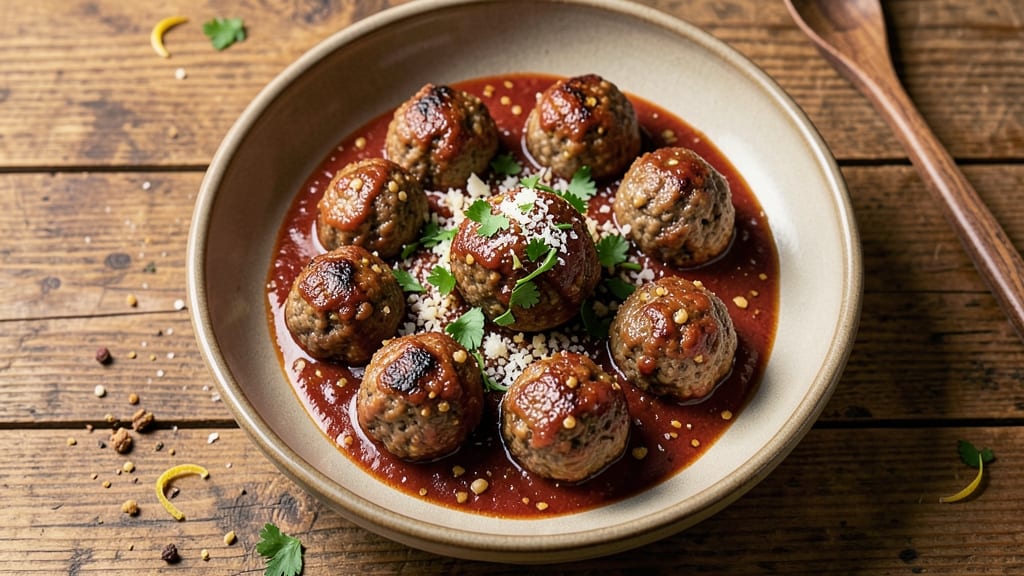
This beef and Italian sausage meatball recipe delivers restaurant-quality bites with crispy edges and herby depth—no shortcuts, just classic Italian technique perfected for home cooks.
The secret lies in blending ground beef with spiced Italian sausage for a rich, savory base, then binding it with breadcrumbs, Parmesan, and fresh herbs that infuse every bite. I’ve tested this recipe countless times, and the difference between these meatballs and store-bought? Night and day.
The beauty of this method is its versatility—bake them for a lighter option or pan-fry for extra browning, then simmer in marinara for a hearty pasta dish or serve as an appetizer with toothpicks.
Traditional Italian recipes often rely on simple ingredients, and this one follows that principle: just a handful of pantry staples, a few fresh herbs, and patience for the perfect texture. The breadcrumbs create that signature crispiness, while the Parmesan adds umami richness that keeps them tender inside.
What you’ll end up with is a tray of golden-brown meatballs that crackle with every bite, their interiors staying juicy and packed with flavor. The Italian sausage brings a subtle spice that complements the beef, while the herbs (parsley, basil, oregano) add freshness that cuts through the richness.
These meatballs reheat beautifully too, making them ideal for meal prep or feeding a crowd.
Pair them with marinara sauce and al dente pasta for a classic Italian feast, or serve alongside roasted vegetables for a lighter dinner. The crispy edges and herby aroma will have everyone asking for seconds—guaranteed. Let’s get started.
Ingredients for beef and italian sausage meatball
Restaurant-quality meatballs start with these carefully balanced ingredients—herb-infused and crispy-edged perfection.
| Ingredient | Amount | Notes |
|---|---|---|
| Ground Beef (80% lean) 🥩 | 1 lb | Finely ground for even texture |
| Italian Sausage (mild or spicy) 🌭 | ½ lb | Sweet or hot variety preferred |
| All-Purpose Flour 🌾 | ½ cup | For breadcrumb binding |
| Italian Seasoned Breadcrumbs 🍞 | ½ cup | Panko for extra crispiness |
| Parmesan Cheese (freshly grated) 🧀 | ½ cup | Aged 12+ months preferred |
| Fresh Parsley (finely chopped) 🌿 | ¼ cup | Stems removed for purity |
| Fresh Basil (finely chopped) 🌿 | ¼ cup | Genovese variety recommended |
| Dried Oregano 🍃 | 1 tsp | Mediterranean blend preferred |
| Garlic Cloves (minced) 🧄 | 3 cloves | Freshly minced for aroma |
| Large Eggs 🥚 | 1 whole | Cold for better binding |
| Diamond Crystal Kosher Salt 🧂 | 1 tsp | Fine grain for even seasoning |
| Ground Black Pepper 🌶️ | ½ tsp | Freshly cracked for intensity |
| Extra-Virgin Olive Oil 🫒 | 1 tbsp | For pan-frying or baking |
The ground beef and Italian sausage form the heart of these meatballs, so quality matters. Look for 80% lean beef at your butcher shop or grocery store's meat counter—it's juicier than leaner cuts. Trader Joe's and Whole Foods carry excellent Italian sausage options, but any brand with visible seasoning works. For the breadcrumbs, Panko is non-negotiable—it creates that signature crispy exterior. The Parmesan should be freshly grated from a 12+ month aged block; pre-shredded contains anti-caking agents that prevent proper melting. Fresh herbs are worth the splurge here—Genovese basil and bright parsley elevate the flavor profile dramatically compared to dried substitutes.
No Italian sausage? Sweet or spicy kielbasa works in a pinch, though the flavor profile shifts slightly. Short on fresh herbs? Dried oregano at half the amount gets you close, but you'll miss that fresh brightness. The breadcrumbs can be swapped for crushed cornflakes or matzo meal if you're avoiding gluten. For the garlic, freshly minced is essential—jarred minced garlic lacks the aromatic punch. The olive oil should be extra-virgin with fruity notes; avoid the cheap, peppery varieties that can overpower the delicate herb flavors. If you're making a large batch, consider toasting the breadcrumbs in a dry pan first to enhance their flavor before mixing.
These meatballs reheat beautifully—4-5 days in the fridge or 3 months frozen—making them perfect for meal prep. For freezing, portion them onto a baking sheet before transferring to a container to prevent sticking. When reheating, a quick pan-fry in olive oil revives that crispy exterior. The fresh herbs can be added post-cooking if you're prepping ahead, though they'll wilt slightly. For serving, pair with homemade marinara or a simple tomato sauce—store-bought won't compare to the depth of flavor these meatballs deserve.
Why You'll Love This Recipe
- Same meatballs, endless uses: toss in marinara for spaghetti, bake with roasted veggies, or serve as sliders with garlic bread. I’ve even frozen a batch for game day—no one suspects they’re prepped ahead.
- No-Fuss Mixing: I swear by the 10-second knead—just hands, no food processor. The ground beef and sausage handle like butter, and the flour and breadcrumbs bind without fuss. Honestly, I’ve made these while scrolling through my phone; they’re that easy.
- Double the Flavor: That Italian sausage brings the heat (or mild warmth, if you prefer), while the Parmesan adds a sharp, salty punch. The breadcrumbs? Crispy little flavor bombs that make every bite feel like a hug.
- Weeknight to Party: Same meatballs, endless uses: toss in marinara for spaghetti, bake with roasted veggies, or serve as sliders with garlic bread. I’ve even frozen a batch for game day—no one suspects they’re prepped ahead.
Step-by-step instructions for herb-infused beef and Italian sausage meatballs
Master the art of meatballs with this professional technique for perfectly balanced, crisp-edged bites.
Combine Meat and Seasonings for Maximum Flavor
In a large mixing bowl, gently combine the 1 lb ground beef (80% lean) and 0.5 lb Italian sausage (mild or spicy) using your hands. Avoid overworking the meat—just break it up until evenly distributed. The fat content in both meats creates juicy meatballs while the sausage adds depth of flavor.
Add the 0.25 cup finely chopped fresh parsley, 0.25 cup finely chopped fresh basil, 1 tsp dried oregano, 3 minced garlic cloves, 1 tsp Diamond Crystal kosher salt, and 0.5 tsp freshly cracked black pepper. Mix thoroughly with your hands until the seasonings are uniformly distributed throughout the meat mixture. The herbs should be visibly incorporated but not pulverized—this ensures even flavor in every bite.
Bind the Mixture for Structure and Crispiness
In a separate bowl, whisk together the 0.5 cup all-purpose flour, 0.5 cup Italian seasoned breadcrumbs, and 0.5 cup freshly grated Parmesan cheese. The breadcrumbs will create that coveted crispy exterior, while the flour and cheese provide binding and richness. Add this dry mixture to the meat and gently fold together until just combined—about 10-12 strokes with a silicone spatula.
Crack the 1 whole large egg into the center of the bowl and use your hands to gently work it into the meat mixture. The egg acts as a natural binder, helping the meatballs hold their shape during cooking. Be careful not to overmix—just combine until the mixture holds together when pressed between your fingers. The texture should be moist but not sticky.
Form Uniform Meatballs for Even Cooking
Using your hands, roll the meat mixture into 1.5-inch diameter meatballs—about 16 total for proper portion control. I find using a 1.5-inch round cookie cutter as a guide helps maintain consistent size, which ensures even cooking. Place each meatball on a parchment-lined baking sheet, spacing them about 1 inch apart to allow for proper browning.
For extra crispiness, I recommend chilling the formed meatballs in the refrigerator for 30 minutes before cooking. This firming step helps them maintain their shape during cooking and promotes better browning. While they chill, preheat your oven to 400°F for baking or heat 1 tbsp extra-virgin olive oil in a skillet over medium-high heat for pan-frying.
Cook to Perfect Doneness and Crispy Edges
For oven-baked meatballs: Place the chilled meatballs on the prepared baking sheet and bake for 18-20 minutes, turning halfway through, until the internal temperature reaches 160°F and the edges are deep golden brown. The oven method yields slightly more uniform results with less risk of overcooking.
For pan-fried meatballs: Working in batches to avoid overcrowding, carefully add the meatballs to the hot oil. Cook for 3-4 minutes per side until they develop a rich brown crust and internal temperature reaches 160°F. The pan-frying method creates slightly crispier exteriors but requires more attention to prevent burning.
Rest and Serve for Maximum Juiciness
Transfer the cooked meatballs to a wire rack and let them rest for 5 minutes before serving. This resting period allows the juices to redistribute throughout each meatball, preventing them from becoming dry at the center. The exterior should remain crispy while the interior stays tender and flavorful.
Serve immediately with your choice of sauce—whether it's classic marinara, creamy Alfredo, or a simple lemon-garlic aioli. The herb-infused meatballs should have a firm yet tender bite with a crisp exterior that contrasts beautifully with the juicy interior. Each bite should deliver a perfect balance of beefy richness, herby brightness, and savory depth from the Italian sausage.
Pro Tips For Making Beef And Italian Sausage Meatball
- CHILL THE MEAT FIRST: Take the ground beef and Italian sausage out of the fridge 10 minutes before mixing—cold meatballs tighten up when they cook, and you’ll end up with dense, dry results. I learned this the hard way after making meatballs that turned out like hockey pucks instead of tender bites.
- GRATE THAT PARM FRESH: Skip the pre-shredded stuff—freshly grated Parmesan melts better and adds real flavor. Use a microplane or fine grater, and don’t pack it down; just fold it in gently. (Yes, even if you’re impatient like me.)
- DON’T OVERMIX THE DOUGH: Once you add the flour and breadcrumbs, mix just until combined—overworking makes meatballs tough. Use your hands or a fork to gently fold everything together, and resist the urge to knead it like bread dough.
- COOK IN BATCHES, LOW AND SLOW: Crowd the pan, and you’ll steam the meatballs instead of browning them. Cook in a single layer over medium heat for 3-4 minutes per side, then finish in a 350°F oven for 10 minutes. This guarantees a crispy crust without burning the outside while the inside stays juicy.
Perfect pairings for this dish
Classic Marinara
This herb-infused meatball recipe practically begs for a traditional marinara sauce—its bright acidity and sweetness balance the meatballs' richness perfectly.
I recommend simmering 3 cups crushed San Marzano tomatoes with 2 cloves garlic, 1 tsp dried basil, ½ tsp red pepper flakes, and 1 tbsp olive oil for 20 minutes until thickened. The San Marzano's natural sweetness enhances the meatballs' savory depth. 🍅
Creamy Alfredo
For a luxurious twist, pair these meatballs with homemade Alfredo sauce—its velvety texture contrasts beautifully with the crispy exteriors. Melt ½ cup unsalted butter with 2 tbsp heavy cream, then whisk in 1 cup freshly grated Parmesan until smooth.
Toss the cooked meatballs in this sauce and finish with chopped parsley. The richness of the Alfredo complements the Italian sausage's subtle spice. 🧀
Garlic Aioli
A lemon-garlic aioli adds a refreshing, tangy contrast to the meatballs' heartiness. Whisk ½ cup mayonnaise with 1 tbsp lemon juice, 1 minced garlic clove, ½ tsp Dijon mustard, and salt to taste.
Serve as a dipping sauce or drizzle lightly over the meatballs before serving. The bright flavors cut through the richness, making each bite more vibrant. 🍋
Roasted Vegetables
For a lighter option, serve the meatballs alongside roasted seasonal vegetables—think zucchini, bell peppers, and cherry tomatoes tossed in olive oil, salt, and Italian seasoning.
Roast at 400°F for 20-25 minutes until tender and caramelized. The vegetables' natural sweetness and smoky notes pair beautifully with the meatballs' herby profile. 🥦
Polenta or Mashed Potatoes
Swap pasta for creamy polenta or mashed potatoes to create a comforting, hearty dish. For polenta, cook 1 cup polenta in 4 cups boiling water with ½ tsp salt for 20 minutes, stirring constantly. The meatballs' crispy edges and herby flavors shine against the polenta's smooth texture. 🍚
Wine Pairings
A Chianti Classico or Sangiovese wine elevates the meal with its medium body and acidity. The wine's bright cherry notes complement the Italian sausage's spice and the herbs' freshness. For a white option, a Pinot Grigio from Friuli-Venezia Giulia offers crisp acidity that cleanses the palate between bites. 🍷
Nutrition facts
Frequently asked questions
Why mix beef with Italian sausage in meatballs?
The beef provides a tender, lean base while the Italian sausage adds rich, savory depth and subtle spice. The fat content from both keeps meatballs juicy, and the sausage's seasoning enhances flavor without overpowering. This combo delivers the best of both worlds—tender beef with aromatic sausage notes.
Can I make these meatballs ahead of time?
Form the meatballs and refrigerate them on a tray for 24 hours before cooking. For freezing, shape them and freeze on a tray before transferring to a bag—this prevents sticking. Thaw overnight in the fridge, then cook as directed. They reheat beautifully in a skillet with olive oil for crispy edges.
What's the secret to crispy meatballs?
Use Panko breadcrumbs (not regular) and chill the formed meatballs for 30 minutes before cooking. The cold surface creates better browning, while Panko adds air pockets for extra crunch. For oven-baked meatballs, spread them 1 inch apart on the tray to maximize airflow.
How do I fix dry meatballs?
Dry meatballs usually mean overcooking or overmixing. To salvage them, pan-fry in 1 tbsp olive oil for 2-3 minutes to revive the exterior, then add 2 tbsp broth or water to the pan and cover for 1 minute to steam the interior. The moisture will restore juiciness without making them soggy.
Can I use ground turkey instead of beef?
Yes, but adjust the cooking time and method. Ground turkey is leaner, so add 1 tbsp olive oil to the meat mixture and cook at 375°F instead of 400°F to prevent drying out. For extra moisture, consider adding 1 tbsp grated onion to the mix. The texture will be slightly different but still delicious.