
Soups & Stews
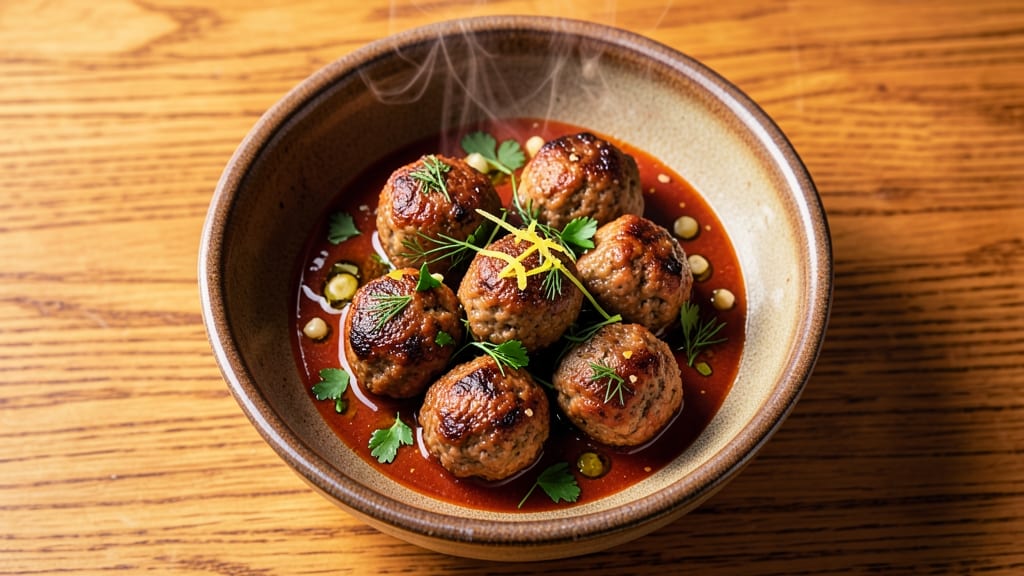
This beef and lamb meatballs recipe delivers restaurant-quality bites with a perfect balance of rich umami and bright herbs—ideal for soups, skewers, or sliders. The combination of tender beef and lamb creates a depth of flavor that transforms simple meatballs into a standout dish.
I developed this recipe after years of testing different ratios and seasonings to achieve that ideal texture and taste.
The secret lies in using a blend of ground beef and lamb, which adds richness without making the meatballs too heavy. A mix of fresh herbs, garlic, and a touch of lemon zest brightens the flavor profile, while breadcrumbs and egg bind everything together for a firm yet tender texture.
Whether you pan-fry, bake, or grill these meatballs, they come out perfectly browned and packed with flavor.
These meatballs are incredibly versatile—serve them in marinara for a classic spaghetti dish, skewer them for kebabs, or use them as sliders with garlic aioli. The recipe scales easily, making it perfect for feeding a crowd or meal prepping for the week.
Each bite delivers a satisfying combination of savory, herby, and slightly tangy notes that keep everyone coming back for more.
Pair them with roasted vegetables, a crisp salad, or crusty bread to round out the meal. The beauty of this recipe is its adaptability—it works as a main dish or a flavorful addition to soups and stews.
Let’s get started on creating these herb-infused bites that bring depth and richness to any table.
Ingredients for beef and lamb meatballs
Restaurant-quality meatballs start with these fresh, herb-packed ingredients for rich umami depth.
| Ingredient | Amount | Notes |
|---|---|---|
| Ground Beef (80/20) 🥩 | 1 lb | 80% lean, 20% fat preferred |
| Ground Lamb 🐑 | ½ lb | Finely ground for even texture |
| Fresh Parsley 🌿 | ½ cup | Chopped finely, stems removed |
| Fresh Dill 🌿 | ¼ cup | Chopped, packed loosely |
| Garlic Cloves 🧄 | 4 cloves | Minced for even distribution |
| Lemon Zest 🍋 | 1 tbsp | From organic lemon preferred |
| Large Eggs 🥚 | 1 whole | Room temperature for binding |
| Plain Breadcrumbs 🍞 | ½ cup | Dry, fine texture preferred |
| Grated Parmesan Cheese 🧀 | ¼ cup | Freshly grated from block |
| Extra-Virgin Olive Oil 🫒 | 1 tbsp | For pan-frying, high quality |
| Kosher Salt 🧂 | 1 ½ tsp | Diamond Crystal preferred |
| Ground Black Pepper 🌶️ | ½ tsp | Freshly ground for best flavor |
| Red Wine 🍷 | ¼ cup | Dry red, like Cabernet Sauvignon |
| All-Purpose Flour 🌾 | 2 tbsp | For coating meatballs |
The ground beef and lamb blend is where the magic happens. Costco or Whole Foods carry the best quality ground lamb—look for finely ground cuts to avoid gritty texture. If you can't find lamb, ground turkey at 85% lean works in a pinch, though the flavor will differ slightly. The herbs? Fresh is non-negotiable—dried dill and parsley won't give that bright pop. For the lemon zest, organic lemons have thicker skins, so you'll get more zest per fruit. Store your ground meats in the coldest part of the fridge and use within 2 days for peak freshness.
No red wine? Substitute beef broth with a splash of balsamic vinegar—it mimics the acidity. Fresh herbs not available? Dried at one-third the amount works, but texture suffers. The breadcrumbs should be dry—moist ones make meatballs dense. For extra richness, swap half the breadcrumbs with crushed pork rinds. The Parmesan adds umami depth, but if you're avoiding dairy, nutritional yeast at double the amount gives a similar tang. Always weigh your meats for consistency—volume measurements vary wildly between brands.
These meatballs reheat beautifully—10 minutes at 350°F in the oven with a splash of broth keeps them juicy. Portion into freezer-safe containers with a thin layer of olive oil on top to prevent drying. They freeze for 3 months without losing texture. For meal prep, cook a double batch and store half in the freezer. The flavors meld beautifully overnight, making them even more restaurant-worthy the next day.
Why You'll Love This Recipe
- No-Fuss Mixing: I swear by this combo—just toss the beef, lamb, and herbs together with your hands. No food processor, no stress, and the fat from the 80/20 beef keeps them juicy. (Yes, even if you’re not a meatball pro.)
- Herb-Packed Punch: That bright parsley and dill with minced garlic? It’s like a Mediterranean vacation in your mouth. The lamb adds richness, but the herbs cut through it—fresh, not overpowering.
- Leftovers That Shine: Freeze half the batch raw, and they’re ready for pasta or skewers later. Or reheat them straight from the fridge—crispy outside, tender inside. (I’ve done it. It works.)
- Budget Flexibility: Lamb’s pricey, but beef stretches it out perfectly. Use half the lamb if needed; no one will notice. Honestly, this is my go-to when I’m feeding a crowd without breaking the bank.
Step-by-step instructions for herb-infused beef and lamb meatballs
Here's how to craft meatballs with layers of flavor—juicy, aromatic, and perfectly balanced.
Combine Ground Meats and Aromatics
In a large mixing bowl, gently combine the 1 lb ground beef (80/20) and 0.5 lb ground lamb. Use your hands to break up any large clumps, but avoid overworking the meat—this keeps the texture tender. Add the 0.5 cup finely chopped fresh parsley, 0.25 cup chopped fresh dill, 4 minced garlic cloves, and 1 tbsp lemon zest. Mix thoroughly but gently to distribute the herbs evenly.
Here's the thing—mincing the garlic finely ensures even flavor distribution, while the lemon zest brightens the rich meat. Don't skip this step; the herbs will infuse the meatballs with their signature Mediterranean brightness. The citrus also helps balance the richness of the lamb and beef.
Bind with Egg and Seasonings
In a separate small bowl, whisk together the 1 whole large egg and 1.5 tsp kosher salt. Pour this mixture over the meat and herbs, then add the 0.5 cup plain breadcrumbs and 0.25 cup grated parmesan cheese. Using your hands, mix everything until just combined—you should see a uniform texture where the breadcrumbs are evenly distributed but no dry spots remain.
The egg acts as a binder, while the breadcrumbs add structure without making the meatballs dense. The parmesan contributes umami depth and helps hold everything together. If the mixture feels too wet, add 1 tbsp all-purpose flour to absorb excess moisture. Overmixing now will make the meatballs tough later.
Form Uniform Meatballs
Wet your hands with cold water to prevent sticking, then roll the mixture into 1.5-inch diameter meatballs—about 16 total for 4 servings. I like to use a kitchen scale for consistency, aiming for 1.5 ounces per meatball. Place them on a parchment-lined tray and refrigerate for 30 minutes while you prepare the pan.
Uniform size ensures even cooking. The chilling step is crucial—it firms up the meatballs so they hold their shape when you brown them. If you skip this, they'll flatten out in the pan. This is where precision matters most; don't rush the chilling.
Brown the Meatballs
Heat 1 tbsp extra-virgin olive oil in a large skillet over medium heat until shimmering. Working in batches to avoid crowding, add the meatballs in a single layer. Cook undisturbed for 3-4 minutes until they develop a deep golden brown crust on all sides. Flip carefully with a spatula and cook another 3-4 minutes until cooked through.
Don't walk away—this is where the Maillard reaction creates that irresistible crust. If the meatballs release easily from the pan, they're ready. If they stick, add 1 tbsp red wine to deglaze and scrape up the browned bits for extra flavor. The wine also adds complexity to the finished dish.
Finish with Wine and Rest
Once all meatballs are browned, pour the remaining 0.25 cup red wine into the skillet. Simmer for 2-3 minutes until the liquid reduces by half, then transfer the meatballs to a serving platter. Sprinkle with 0.5 tsp freshly ground black pepper and let rest for 5 minutes before serving.
The wine reduction creates a glossy, flavorful sauce that clings to the meatballs. Resting redistributes juices, ensuring each bite is moist and flavorful. Serve these meatballs with your favorite pasta, in a hearty stew, or alongside roasted vegetables for a restaurant-quality meal.
Pro Tips For Making Beef And Lamb Meatballs
- Mix the Lamb First: Lamb gets greasy fast—handle it separately before combining with beef. I learned this the hard way when my first batch turned into a sticky mess; now I pat the lamb dry, chop the garlic fine, and mix it with parsley and dill first, then fold in the beef last.
- Salt the Meat Twice: Add half the salt when mixing the raw meatballs, then finish with the rest after cooking. The lamb’s richness needs balancing, and this two-step approach keeps the seasoning even without drying out the mixture.
- Skip Overcrowding the Pan: Cook in a single layer at first—no exceptions. I used to stack them like pancakes, and they’d steam instead of brown. A hot, slightly oiled pan with space between meatballs gives you that crispy crust you actually want.
- Chill Before Forming: Give the mixture a 15-minute rest in the fridge before shaping. Cold hands make tight, dense meatballs; warmed-up meat sticks together like glue. Roll them gently—no pressing—so they hold shape without turning into patties.
Wine and beer pairings for beef and lamb meatballs
Red Wine Pairings
A bold Cabernet Sauvignon from Napa Valley is my go-to choice—its dark fruit notes and subtle tannins complement the lamb's richness without overpowering the herbs. Look for a 2018 vintage with 14-15% alcohol and flavors of blackcurrant and cedar.
The wine's acidity cuts through the fat, while its structure stands up to the meatballs' umami depth. 🍷
For a lighter option, try a Chianti Classico from Tuscany. The bright acidity and cherry undertones enhance the parsley and dill, creating a refreshing contrast. I recommend a Sangiovese-based blend with 13% alcohol or less to avoid overwhelming the dish.
Beer Pairings
A crisp German Pilsner like Warsteiner or Bitburger works beautifully with these meatballs. The beer's clean, hoppy bitterness balances the richness, while its light body lets the herbs shine. Serve it slightly chilled (45-50°F) to enhance the flavor pairing. 🍺
For a craft beer option, a Belgian Dubbel with caramel and spice notes elevates the dish. Try Westmalle Dubbel—its malty sweetness complements the meatballs' umami while the yeasty depth adds complexity. The alcohol content (7-8%) won't overpower the meal.
White Wine Surprise
Don't overlook dry Riesling—its crisp acidity and citrus notes mirror the lemon zest in the meatballs. A Mosel Riesling from Germany with 10-11% alcohol offers a refreshing contrast to the rich meats. The slight sweetness on the palate enhances the herbs without clashing. 💫
Non-Alcoholic Options
For a non-alcoholic pairing, try sparkling grape juice like Martinelli's or a ginger beer with a squeeze of lime. The effervescence cleanses the palate between bites, while the ginger adds a subtle kick that complements the meatballs' herbs. Serve chilled (40-45°F) for best results.
Nutrition facts
Frequently asked questions
Why mix beef and lamb in these meatballs?
The combination creates a perfect balance of flavors and textures. Lamb adds rich, gamey depth while beef provides tender, familiar richness. The fat content from both meats keeps them juicy during cooking, and the lamb's natural umami enhances the herbs. This blend prevents the meatballs from being too heavy or too lean, resulting in a more complex flavor profile than using either meat alone.
Can I make these meatballs ahead of time?
These meatballs reheat beautifully. Form them and refrigerate uncooked for up to 24 hours before cooking, or freeze raw meatballs for 3 months. Cook from frozen by adding 2-3 extra minutes to the browning time. For best results, reheat cooked meatballs in the oven at 350°F for 10 minutes with a splash of broth or olive oil to keep them moist.
What if I can't find ground lamb?
Don't worry—you can substitute with ground turkey (85% lean) or even more ground beef for a similar texture. For best flavor, use ground pork instead (it has a fat content closer to lamb). If you choose turkey, reduce the breadcrumbs by 2 tablespoons since turkey is leaner and needs less binding. The herbs will still shine, but the overall richness will differ slightly.
How do I prevent the meatballs from falling apart?
Overmixing is the #1 culprit! Handle the meat gently when combining ingredients, and avoid pressing too hard when shaping. The chilling step (30 minutes) is crucial—it firms up the meatballs so they hold together. If your mixture feels too wet, add 1 extra tablespoon of breadcrumbs or flour. For extra insurance, dip the formed meatballs in beaten egg before browning to create a protective seal.
What are the best ways to serve these meatballs?
These versatile meatballs work in countless dishes! Try them in marinara sauce over pasta, skewered with bell peppers and onions for kebabs, or as sliders with garlic aioli. For a Mediterranean twist, serve with tzatziki and pita bread, or add them to soups like minestrone. The wine reduction from cooking makes them perfect for topping salads or serving with roasted vegetables and crusty bread.