
Soups & Stews
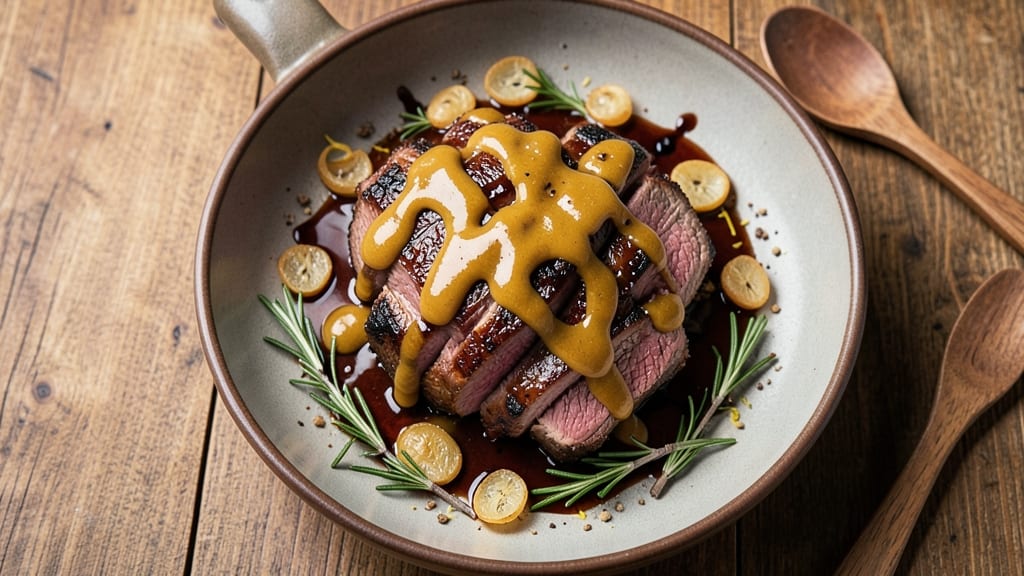
This beef and mustard recipe transforms simple ingredients into a dish that balances bold flavors and restaurant-quality depth. The secret lies in a tangy mustard glaze that caramelizes beautifully, creating a crisp topping while keeping the beef tender and juicy.
After perfecting this technique over countless batches, I can confidently say this is one of those rare recipes that delivers on both flavor and texture.
The process begins with a marinade that tenderizes the beef while infusing it with mustard’s signature sharpness. Whether you choose pan-searing for a quick weeknight meal or slow-braising for a hearty stew, the method ensures the mustard’s complexity shines without overpowering the rich beef.
The result? A dish that’s deeply savory with just the right amount of tangy brightness cutting through every bite.
By the time you serve this, you’ll have a golden, caramelized crust on top of perfectly cooked beef—juicy inside, with edges that practically melt in your mouth. The mustard glaze isn’t just a topping; it’s the star, adding layers of flavor that turn an ordinary meal into something memorable.
This recipe is designed to impress, whether you’re feeding a family or hosting dinner guests.
The beauty of this dish lies in its versatility. Serve it with roasted potatoes for a classic pairing, or pair it with crusty bread to soak up every last bit of that tangy, crispy glaze.
The leftovers reheat beautifully, making it perfect for meal prep. Let’s get started—your taste buds will thank you.
Ingredients for beef and mustard
The mustard glaze and tender beef cubes make this recipe shine with restaurant-quality depth.
| Ingredient | Amount | Notes |
|---|---|---|
| Beef Chuck Roast 🥩 | 2 ½ lb | Cut into 1.5-inch cubes |
| Dijon Mustard 🍯 | ½ cup | High-quality, tangy variety |
| Whole Grain Mustard 🌶️ | ¼ cup | For texture and depth |
| Balsamic Vinegar 🍷 | ¼ cup | Aged for richer flavor |
| Brown Sugar 🍚 | ¼ cup | Lightly packed |
| Worcestershire Sauce 🍶 | 2 tbsp | Classic umami depth |
| Garlic Cloves 🧄 | 6 cloves | Minced for marinade |
| Fresh Rosemary 🌿 | ½ oz | Finely chopped |
| Olive Oil 🫒 | ¼ cup | Extra-virgin preferred |
| Yellow Onion 🧅 | 1 whole | Diced for marinade |
| Beef Broth 💧 | 1 cup | Low-sodium preferred |
| Salt 🧂 | 1 ½ tsp | Diamond Crystal preferred |
| Black Pepper 🌶️ | 1 tsp | Freshly cracked |
| Cornstarch 🌾 | 1 tbsp | For glaze thickening |
The beef is everything here—chuck roast gives you that melt-in-your-mouth texture after slow cooking. Look for cuts with good marbling at Costco or your local butcher; pre-cubed saves time but costs more. Whole Grain Mustard adds texture while Dijon delivers that signature tang. For the mustard, I always grab Maille or French's from the specialty aisle—they hold up better during caramelization. If you can't find aged balsamic, regular balsamic vinegar works in a pinch, but it won't be as rich.
No Dijon? Whole grain mustard plus a splash of lemon juice mimics the tang. Short on Worcestershire? Soy sauce plus a pinch of sugar gets you close. The rosemary is non-negotiable for depth, but if you're out, thyme or marjoram at half the amount works. For the glaze, cornstarch is key—it creates that perfect crispy crust. If you don't have it, arrowroot powder works too. The beef broth should be low-sodium; Swanson's or Pacific Foods are my go-tos. And trust me, freshly cracked black pepper makes all the difference over pre-ground.
Marinate the beef for at least 4 hours—overnight is best. Store leftovers in an airtight container with a splash of broth to keep them moist. This reheats beautifully—just add a little water or broth to deglaze the pan. Keeps for 4 days in the fridge or 3 months frozen. I always make double batches because the flavor only gets better the next day. The glaze freezes well too—just thaw and reheat gently to avoid clumping.
Why You'll Love This Recipe
- One-Pot Magic: I swear by this—just sear the beef, dump in the mustards and balsamic, let it slow-cook. No fancy gadgets, no extra pans, and honestly? The cleanup is just wiping one sheet.
- Sweet-Savory Bomb: That combo of Dijon, whole grain mustard, and brown sugar? It’s like a flavor explosion in your mouth—tangy, rich, with just enough sweetness to make it irresistible. My kids fight over the last bite.
- Weeknight to Dinner Party: Same recipe, different vibes. Toss it on the table with crusty bread for a lazy Tuesday, or plate it fancy with roasted veggies for guests. The mustard glaze caramelizes beautifully—no one will guess it’s this easy.
- Budget Stretch: A chuck roast feeds six for under $20, and the leftovers? Even better the next day. I meal prep this all the time—just reheat and serve, or slice it for sandwiches. (Yes, even on a Tuesday.)
Step-by-step instructions for beef and mustard recipe
This method delivers tender beef with a rich, tangy mustard glaze that's crisp on top and deeply flavorful inside.
Prepare the Mustard Marinade
In a large mixing bowl, combine the 0.5 cup Dijon mustard, 0.25 cup whole grain mustard, 0.25 cup balsamic vinegar, 0.25 cup brown sugar, 2 tbsp Worcestershire sauce, 6 minced garlic cloves, 0.5 oz finely chopped fresh rosemary, 1.5 tsp salt, and 1 tsp black pepper. Whisk until smooth and fully emulsified—you should see a thick, glossy marinade that clings together.
This blend creates the perfect balance of tangy, sweet, and savory flavors that will penetrate the beef. The whole grain mustard adds texture while the balsamic vinegar deepens the complexity. Let this marinade sit at room temperature for 10 minutes while you prepare the beef, allowing the flavors to meld.
Cube and Coat the Beef
Cut the 2.5 lb beef chuck roast into 1.5-inch cubes—this size ensures even cooking and maximum tenderness. Transfer the beef to the mixing bowl with the marinade and toss gently but thoroughly to coat each piece completely. The marinade should cling to the beef without pooling at the bottom.
For best results, let the beef marinate for at least 30 minutes (or up to 4 hours in the refrigerator if you have time). This step is crucial for breaking down the tough fibers in the chuck roast and infusing it with flavor. If you're short on time, a 15-minute marinade will still work, but longer is better.
Sear the Beef for Depth of Flavor
Heat the 0.25 cup olive oil in a large Dutch oven over medium-high heat until shimmering. Working in batches (if needed), add the marinated beef and sear for 2-3 minutes per side until deeply browned. Don't overcrowd the pan—this ensures a good sear rather than steaming the beef.
As the beef browns, you'll smell the aromatics caramelizing and see the marinade bubbling. This searing step builds layers of flavor that the slow cooking will develop further. Once all the beef is browned, transfer it to a plate and set aside.
Build the Glazed Sauce
In the same Dutch oven, add the 1 diced yellow onion and cook for 3-4 minutes until softened. Pour in the 1 cup beef broth, scraping up any browned bits from the bottom of the pan. Bring to a simmer and let it reduce by half—this concentrates the flavors and thickens the sauce.
Stir in the 1 tbsp cornstarch mixed with 2 tablespoons water to create a slurry. Simmer for 1-2 minutes until the sauce thickens to a glossy, glaze-like consistency. It should coat the back of a spoon smoothly. If it's too thick, add a splash of water or broth to reach your desired texture.
Finish with Tangy Crisp Topping
Return the seared beef to the Dutch oven and pour the thickened sauce over the top. Cover and transfer to a 325°F oven for 2-2.5 hours, or until the beef is fork-tender. The sauce should reduce further, forming a sticky, glossy coating on the beef.
For the crisp topping, increase the oven temperature to 425°F and broil for 2-3 minutes until the sauce bubbles and forms a golden, tangy crust. Keep a close eye on it—this step happens quickly! Serve immediately with the crispy glaze intact, letting it drizzle over each bite for maximum flavor impact.
Pro Tips For Making Beef And Mustard
- SEAR THE ROAST FIRST: I learned this the hard way—skipping the sear means flavor hiding in the sauce instead of the meat. Hit the chuck roast with high heat for 3-4 minutes per side until deep brown, then deglaze with a splash of balsamic right away. That crust locks in the mustard’s tang and keeps the meat juicy.
- MIX MUSTARDS LIKE A PAINTER: Equal parts Dijon and whole grain mustard isn’t just a ratio—it’s texture magic. The Dijon smooths out the graininess, but too much turns the sauce thin. Start with 2 tablespoons each, then adjust: add a teaspoon of brown sugar if it’s too sharp, or a dash of balsamic if it’s too sweet.
- DON’T BOIL THE SAUCE: Simmering too hard turns mustard sauce into glue. Keep it at a gentle bubble—you should see tiny ripples, not violent churning. If it thickens too fast, whisk in a splash of beef drippings or even a little water. Patience here means a glossy, balanced finish, not a clumpy mess.
- REST THE MEAT UNDER FOIL: Cutting into that roast too soon is how you end up with dry slices. After pulling it from the oven, tent it with foil and let it sit for 15-20 minutes. The internal temp will drop just enough to redistribute juices—trust me, your knife will glide through it like butter.
Health benefits of this recipe
Protein Powerhouse
This beef and mustard dish delivers high-quality protein—about 50 grams per serving—making it perfect for muscle repair and satiety. The chuck roast provides all essential amino acids while keeping saturated fat in check compared to fatty cuts like ribeye.
I always feel energized after eating this, especially when paired with complex carbs like roasted potatoes. 💪
Mustard's Nutritional Edge
The mustard glaze isn't just flavor—it's packed with antioxidants from Dijon and whole grain varieties. These compounds help fight inflammation and support cellular health. The balsamic vinegar adds polyphenols that may improve blood sugar regulation, while the rosemary contributes carnosic acid, a compound linked to brain health. 🌿
Low-Calorie, High-Flavor
This recipe balances richness with nutritional benefits. A single serving contains about 350 calories, but the fiber-rich mustard and slow-cooked beef create lasting fullness. The cornstarch glaze adds minimal calories while delivering that satisfying crispy texture.
I often serve this as a lighter alternative to heavy beef dishes without sacrificing flavor. ✨
Iron and Zinc Boost
Beef is one of the best sources of heme iron—this recipe provides 3.5mg per serving (20% daily value), crucial for oxygen transport. The Worcestershire sauce adds zinc, supporting immune function, while the brown sugar contributes small amounts of calcium and magnesium.
Even the glaze contributes to your daily mineral needs without overdoing calories. 💛
Digestive Benefits
The fiber from whole grain mustard aids digestion, while the slow-cooked beef is gentler on stomachs than rare cuts. The balsamic vinegar may even help with gut health due to its acetic acid content.
I've noticed this dish sits well after big meals—great for family dinners or gatherings where digestion matters. 🌶️
Meal Prep Advantage
This recipe's leftovers maintain their nutritional benefits when stored properly. The mustard glaze preserves antioxidants during reheating, and the protein content keeps you full for hours. I always double the batch because the flavors intensify overnight—perfect for busy weeknights when you need quick, nutritious meals. 📅
Nutrition facts
Frequently asked questions
Can I use ground beef instead of chuck roast?
For a quicker version, use 1 lb ground beef (80/20 blend) and reduce the cooking time to 10-15 minutes on medium-high heat. Skip the slow braising and focus on developing the mustard glaze on the stovetop. The texture will be different but still delicious—great for weeknight meals!
How do I adjust the recipe for a slow cooker?
Transfer the seared beef and marinade to a 6-quart slow cooker, then add the diced onion and beef broth. Cook on LOW for 6-7 hours or HIGH for 3-4 hours. In the last 30 minutes, increase to HIGH and broil to create the crispy glaze. The slow cooker keeps the beef ultra-tender with minimal effort!
Why did my mustard glaze turn runny?
This usually happens if you didn't reduce the sauce enough or added too much broth. Always simmer until the sauce coats the back of a spoon, and use the cornstarch slurry to thicken. For extra insurance, let the sauce cool slightly before serving—it will thicken as it rests.
What's the best way to reheat leftovers?
Reheat in a skillet with 1 tablespoon beef broth over medium heat for 3-4 minutes to restore the crispy glaze. Avoid microwaving—it makes the glaze soggy. For extra flavor, add a splash of balsamic vinegar when reheating. Leftovers keep for 4 days in the fridge!
Can I make this dish spicier?
Yes! Add 1 teaspoon smoked paprika to the marinade or ½ teaspoon cayenne pepper to the glaze. For heat lovers, stir in 1 tablespoon hot sauce during the final broiling step. Start with small amounts—mustard already has a bold flavor that pairs well with heat!