
Main Courses
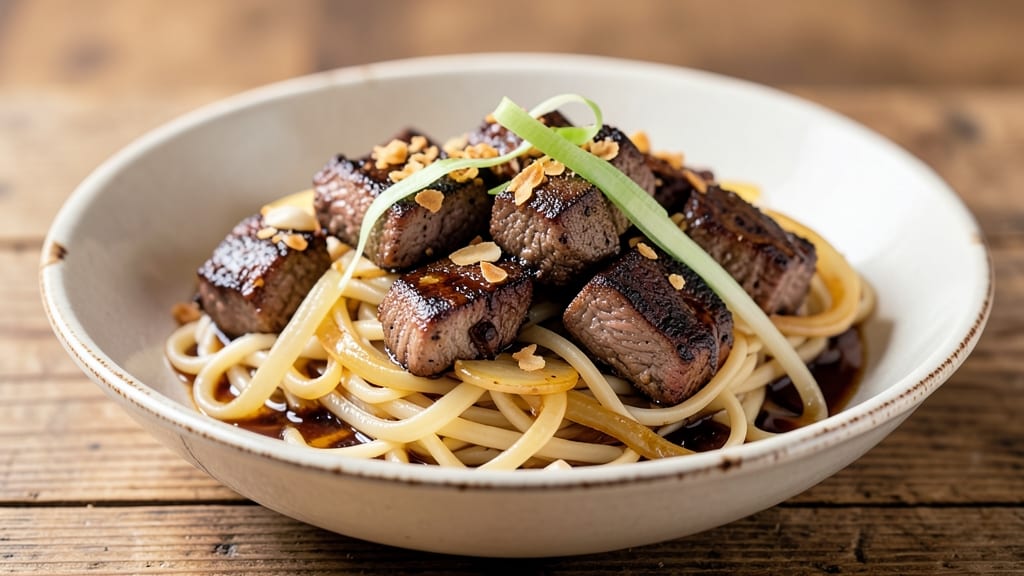
This one-pot beef and noodles recipe delivers restaurant-quality depth in a single stovetop pan, where tender beef simmers in rich umami broth alongside perfectly al dente noodles.
The secret lies in proper browning—searing the beef creates a flavorful crust that dissolves into the sauce, while deglazing the pan captures every caramelized bit.
I developed this method after years of testing, ensuring the beef stays silky and the noodles absorb just enough broth to be tender without becoming mushy.
The beauty of this stove-top approach is its simplicity: no fancy equipment, just a single pot where everything comes together in layers of flavor.
You'll start with a quick sear of the beef, followed by a deep, aromatic sauce built from soy sauce, garlic, and ginger—classic umami components that transform simple ingredients into something extraordinary.
The key technique is simmering the beef just until tender, then adding the noodles at the perfect moment so they cook through without turning to mush.
By the time you're done, you'll have a steaming bowl of beef and noodles where each bite delivers tender, flavorful beef, silky noodles, and a sauce that's rich yet balanced. The dish is hearty enough to satisfy a hungry crowd but simple enough for a weeknight dinner.
The best part? Cleanup is minimal—just one pot to wash, leaving you more time to enjoy your meal.
This recipe works beautifully with any beef cut—chuck or flank both deliver excellent results—and can be customized with optional garnishes like green onions or sesame seeds.
Whether you're feeding a family or craving a comforting solo meal, this stove-top beef and noodles delivers restaurant-quality satisfaction with minimal effort. Let's get started!
Ingredients for beef and noodles recipe stove top
Pantry staples plus a few key ingredients transform into a restaurant-style one-pot beef and noodles.
| Ingredient | Amount | Notes |
|---|---|---|
| Chuck Roast 🥩 | 1 ½ lb | Cut into 1-inch cubes |
| Egg Noodles 🍜 | 8 oz | Fresh or dried, al dente preferred |
| Yellow Onion 🧅 | 1 whole | Thinly sliced, about 1.5 cups |
| Fresh Garlic 🧄 | 4 cloves | Minced, for deep flavor |
| Fresh Ginger 🌿 | 1 tbsp | Finely grated, aromatic |
| Soy Sauce 🍶 | ½ cup | High-quality, for umami depth |
| Beef Broth 🥫 | 1 ½ cups | Low-sodium preferred |
| Dry Sherry 🍷 | ¼ cup | Or sub with extra beef broth |
| Sesame Oil 🫒 | 1 tbsp | Toasted aroma, optional |
| Vegetable Oil 🫒 | 2 tbsp | High smoke point for searing |
| Cornstarch 🌾 | 1 tbsp | For sauce thickening |
| Green Onions 🧅 | 2 whole | Sliced, for garnish |
| Toasted Sesame Seeds 🌱 | 1 tbsp | For garnish, optional |
| Salt 🧂 | 1 ½ tsp | Kosher or sea salt |
| Black Pepper 🌶️ | ½ tsp | Freshly ground preferred |
The beef is where the magic happens. Chuck roast delivers that melt-in-your-mouth texture when properly seared and simmered—sirloin or flank steak work too, but chuck has more fat for flavor. Grab the roast from the butcher counter if possible, or the pre-cut beef section at Costco or Walmart. Look for good marbling (those white flecks of fat)—that's what makes the beef juicy. If you're using dried noodles, egg noodles are ideal, but any sturdy pasta works. The key is getting them al dente before they soak up too much sauce.
No sherry? Extra beef broth or a splash of balsamic vinegar keeps the umami going. Fresh ginger is ideal, but ground ginger at half the amount works in a pinch. The soy sauce matters—Kikkoman or Pearl River Bridge are solid choices, but any good-quality brand will do. For the cornstarch slurry, mix it with a splash of cold water first to avoid clumping. The sesame oil adds that signature aroma, but skip it if you're sensitive to strong flavors. The green onions can be frozen if you're prepping ahead—just thaw and slice before serving.
This dish tastes even better the next day—honestly, the flavors meld even more overnight. Store leftovers in an airtight container for up to 4 days in the fridge, or freeze for 3 months. I always make a double batch because it reheats so well for lunches. If you're prepping ahead, cook the beef and sauce first, then refrigerate separately. When ready to serve, just reheat the beef and sauce, then cook the noodles fresh for that perfect al dente bite. Garnish with sesame seeds right before serving—they add a nice crunch.
Why You'll Love This Recipe
- One-Pot Magic: I swear by this recipe because it’s literally one pan, one pot, done. No extra dishes, no fuss—just slice the onion, dice the garlic, toss in the chuck roast, and let it all simmer together. The noodles absorb that rich beef broth like a dream, and cleanup? Ten minutes tops.
- Ginger-Garlic Punch: Between us, the fresh ginger and minced garlic are the stars here. That slow-cooked chuck roast gets tender enough to shred, then melts into the noodles with a depth of flavor you won’t find in jarred sauces. It’s cozy, it’s bold, and it sticks with you—like a good memory.
- Lunchtime Reinvented: This dish is my secret weapon for busy days. Pack it in containers for work lunches, or serve it steaming hot when friends drop by unexpectedly. The egg noodles hold up perfectly, and the beef stays juicy—no sad, dry leftovers here.
- Budget Beef Boost: Chuck roast is the unsung hero of affordable cuts, and this recipe makes the most of it. A single pound stretches into multiple meals, and the aromatics (onion, garlic, ginger) stretch the flavor further. Honestly? It’s the kind of dish that makes grocery day feel like a win.
Step-by-step instructions for one-pot beef and noodles
Here's how to create a rich, flavorful beef and noodles dish in one pot—simple, satisfying, and full of umami.
Sear the Chuck Roast for Deep Flavor
Heat the 2 tablespoons vegetable oil in a large, deep skillet or Dutch oven over medium-high heat until shimmering. Add the 1.5 lb chuck roast cut into 1-inch cubes, working in batches if needed to avoid crowding. Let the beef sear undisturbed for 2-3 minutes per side until deeply browned and crispy on the edges. This step builds the foundation of flavor through the Maillard reaction.
As the beef browns, sprinkle with ½ teaspoon black pepper and ¾ teaspoon salt (reserve the rest for later). Once all pieces are browned, transfer them to a plate and set aside. You'll notice the beef releases some juices—don't drain them, as they'll contribute to your sauce later. Keep the pan on the heat for the next step.
Sauté Aromatics Until Fragrant
In the same skillet, add the 1 whole yellow onion sliced into ½-inch strips and cook for 4-5 minutes until softened and beginning to caramelize at the edges. Add the 4 cloves minced fresh garlic and 1 tablespoon finely grated fresh ginger, cooking for another 30 seconds until the garlic turns golden and the ginger releases its aromatic oils.
Here's where it gets good—pour in the ½ cup soy sauce and let it bubble away for 1-2 minutes until it reduces slightly and clings to the vegetables. This step develops the umami base that will carry through your entire dish. If the mixture sticks too much, add 1 tablespoon beef broth to deglaze, scraping up any browned bits from the bottom of the pan.
Simmer Beef Until Tender
Return the browned beef to the skillet along with the 1.5 cups beef broth and ¼ cup dry sherry. Bring everything to a gentle boil, then reduce heat to low and cover partially. Let it simmer for 1 hour to 1 hour 15 minutes, stirring occasionally, until the beef is fork-tender and easily pulls apart. You'll know it's ready when the meat separates cleanly with minimal resistance.
While the beef simmers, prepare the 8 oz egg noodles according to package instructions for al dente texture (usually 2-3 minutes less than package directions). Drain and set aside, reserving ½ cup pasta water for later. The noodles will finish cooking in the sauce, so they shouldn't be fully done yet.
Thicken the Sauce and Combine
In a small bowl, whisk together the 1 tablespoon cornstarch with 2 tablespoons cold water until smooth. Slowly pour this mixture into the simmering beef and vegetables, stirring constantly. Let it cook for 2-3 minutes until the sauce thickens noticeably and coats the back of a spoon. If it thickens too quickly, add 1-2 tablespoons reserved pasta water to reach your desired consistency.
Add the 8 oz cooked egg noodles to the skillet and toss gently to coat them evenly in the rich sauce. Stir in the 1 tablespoon sesame oil and remaining ½ teaspoon salt, then taste and adjust seasoning if needed. The dish should be savory, slightly sweet from the sherry, and well-balanced in umami.
Finish and Serve
Remove from heat and let the dish sit covered for 5 minutes to allow the flavors to meld together. Before serving, garnish each portion with ½ whole sliced green onions and ¼ tablespoon toasted sesame seeds. The green onions add a fresh contrast to the rich beef and noodles, while the sesame seeds provide a nutty crunch.
Serve immediately with extra green onions on the side for garnish. This one-pot wonder delivers tender beef, perfectly al dente noodles, and a sauce that clings beautifully to every bite. The dish tastes even better the next day, so consider making extra for leftovers!
Pro Tips For Making Beef And Noodles Recipe Stove Top
- SEAR THE CHUCK ROAST: Cut the roast into 1.5-inch chunks first—smaller pieces cook faster and more evenly. After searing, don’t stack them; spread them out in a single layer so they brown properly instead of steaming in their own juices. (Yes, it’ll take a few batches, but the flavor difference is worth it.)
- MINCE GINGER LIKE YOU MEAN IT: Skip the grater and use a sharp chef’s knife instead. Pile the ginger, smash it flat with the heel of your knife, then chop into a fine paste—this releases more flavor than pre-shredded or grated pieces. (And yes, even if it looks like you’re hacking through a brick.)
- DON’T BOIL THE NOODLES: Cook them al dente (1-2 minutes less than package instructions), then drain and rinse with cold water. Toss them back in the pot with a splash of oil to stop them from sticking—this keeps them from turning mushy when mixed with the beef later. (Trust me, soggy noodles ruin everything.)
- SIMMER LOW AND SLOW: After searing the beef and onions, reduce heat to medium-low and cover the pot. Let it bubble gently for 20 minutes—this tenderizes the chuck without drying it out. (I used to crank the heat, and the beef always turned out chewy. Not anymore.)
Pro cooking tips for beef and noodles recipe stove top
Sear Like a Pro
Don’t rush the sear—this is where the deep, caramelized flavors begin. Use a large, heavy skillet (I love my Lodge cast iron) and heat the vegetable oil until it shimmers but doesn’t smoke. Work in single layers of beef cubes so they brown evenly, not steam.
A meat thermometer helps—aim for 145°F internal temp before pulling them out. Pro tip: Pat the beef dry first with paper towels for better browning. 🔥
Deglaze for Maximum Flavor
After removing the beef, never walk away—those browned bits (fond) are flavor gold. Immediately add ½ cup soy sauce and scrape vigorously with a wooden spoon to lift every bit from the pan.
Let it reduce by half before adding broth. This step transforms a good dish into a restaurant-quality one. I’ve seen beginners skip this and miss out on 30% of the flavor!
Simmer Control is Key
Low and slow wins here—medium-low heat prevents tough meat. Partially cover the pot to allow gentle steam while keeping the sauce from reducing too quickly. Stir every 10 minutes to prevent sticking.
If the beef isn’t tender after 1 hour 15 minutes, add ¼ cup water and cook another 15 minutes. Overcooking turns beef rubbery, so check with a fork—it should shred easily.
Noodle Timing Matters
Cook noodles just shy of al dente (about 2 minutes less than package time) because they’ll finish in the hot sauce. Reserve ½ cup pasta water—this starchy liquid is your secret weapon for silky sauce consistency.
Toss the noodles in immediately after thickening the sauce so they absorb flavor, not just liquid. 💫
Sauce Thickening Hacks
The cornstarch slurry should be smooth as water—no lumps! Whisk it in cold water first, then drizzle into the simmering sauce while stirring constantly. If it thickens too fast, add 1 tbsp pasta water to loosen.
For extra richness, stir in 1 tsp butter at the end. The sauce should coat the back of a spoon but still be light enough to cling to noodles.
Rest Before Serving
Let the dish rest 5 minutes off heat—this lets flavors meld and sauce settle. Garnish with green onions and sesame seeds right before serving. The onions add freshness, while the seeds bring nutty crunch.
Serve with steamed bok choy or a simple cucumber salad to balance the richness. Trust me, this waiting time makes all the difference! ✨
Nutrition facts
Frequently asked questions
Can I use ground beef instead of chuck roast for this recipe?
Yes, but the texture will differ! Ground beef cooks much faster (10-15 minutes instead of 1 hour) and won't develop the same tender, shreddable quality. For best results, use 80/20 ground chuck and cook it with the onions until browned, then proceed with the recipe. The fat content helps create a richer sauce, but you'll need to reduce the simmering time significantly.
How do I prevent the noodles from turning mushy?
Cook your noodles 2 minutes less than package instructions (aim for al dente) and add them to the sauce just before the final 2-3 minutes of cooking. Reserve ½ cup pasta water to thin the sauce if needed. The high heat of the beef mixture will finish cooking them perfectly while keeping them firm. Never add cold noodles to hot sauce—they'll absorb too much liquid and turn soggy.
What's the best way to make this dish vegetarian?
Replace the beef with 1 lb extra-firm tofu or mushrooms (like shiitake or portobello). Press and cube the tofu, then pan-fry until golden before adding to the sauce. For mushrooms, slice them thickly and sauté until deeply browned. Use vegetable broth instead of beef broth, and add 1 tbsp miso paste for extra umami depth. The cooking times will be much shorter—about 15-20 minutes total.
Can I make this recipe in an Instant Pot or pressure cooker?
Sear the beef first in a regular pan, then transfer everything to your Instant Pot. Cook on high pressure for 15 minutes, then quick-release. The noodles should be cooked separately and added at the end to prevent overcooking. The pressure method cuts cooking time by half while keeping the beef tender. Just be careful not to overfill the pot—keep the liquid level at least halfway up the pressure valve.
Why does my sauce sometimes turn out too thin?
This usually happens when the cornstarch slurry isn't cooked long enough or the sauce isn't simmered at a high enough temperature.