
Main Courses
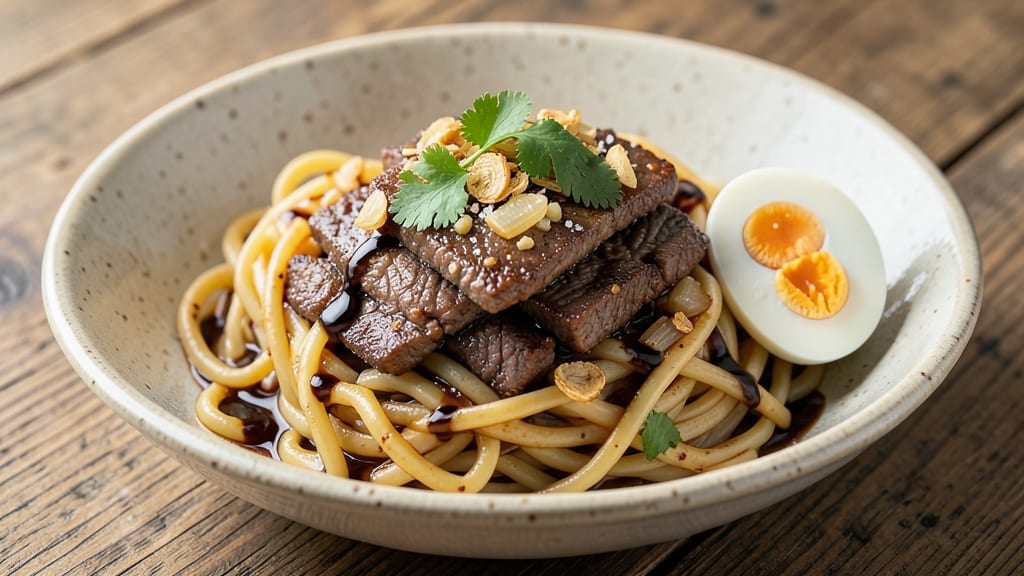
This beef and noodles recipe using canned beef proves that pantry staples can deliver restaurant-quality flavor—no fancy ingredients required. I developed it after realizing how often canned beef transforms simple meals into something hearty and satisfying, especially when paired with the right seasonings and technique.
The key is balancing the salty canned beef with bright, fresh flavors to avoid heaviness.
The beauty of this one-pan meal lies in its simplicity: boil noodles while you prepare the sauce, then combine everything in the same pot for minimal cleanup.
A splash of soy sauce, a pinch of sugar, and a handful of aromatics elevate the canned beef, turning it into a flavorful centerpiece. The result is a comforting dish that’s ready in under 30 minutes—perfect for weeknights when you need dinner on the table fast.
What you’ll end up with is a bowl of tender noodles coated in a savory, slightly sweet sauce, where every bite delivers a perfect mix of textures and flavors. The canned beef stays juicy and integrated into the dish, rather than overpowering it, thanks to the careful balance of seasonings.
This recipe is proof that pantry-friendly meals can be just as delicious as anything from a takeout menu.
Serve it with a sprinkle of green onions or sesame seeds for freshness, and pair it with steamed vegetables or a simple side salad to round out the meal. The best part? Leftovers reheat beautifully, making it ideal for meal prep. Let’s get cooking!
Ingredients for beef and noodles recipe using canned beef
Pantry staples transform into restaurant-quality beef noodles in one pot—no fancy ingredients needed!
| Ingredient | Amount | Notes |
|---|---|---|
| Canned Beef 🥩 | 14 oz | Drained, high-quality brand preferred |
| Egg Noodles 🍜 | 8 oz | Medium or wide egg noodles |
| Yellow Onion 🧅 | 1 whole | Diced, about 1 cup |
| Garlic Cloves 🧄 | 3 cloves | Minced, fresh preferred |
| Fresh Ginger 🌿 | 1 tbsp | Grated, or 1 tsp ground |
| Soy Sauce 🍶 | 2 tbsp | Light or all-purpose |
| Oyster Sauce 🍶 | 1 tbsp | For depth of flavor |
| Sesame Oil 🫒 | 1 tsp | Toasted for aroma |
| Granulated Sugar 🍚 | 1 tsp | Balances saltiness |
| Vegetable Oil 🫒 | 1 tbsp | For sautéing |
| Green Onions 🧅 | 2 whole | Sliced, for garnish |
| Salt 🧂 | ½ tsp | Adjust to taste |
| Black Pepper 🌶️ | ¼ tsp | Freshly ground |
| Water 💧 | 4 cups | For boiling noodles |
The canned beef is the star, so pick a high-quality brand—look for labels that say 'beef with natural flavors' rather than just 'canned beef.' I always grab Libby's or Stormy Weather from the Asian aisle, as they're less salty and hold up better in the sauce. Fresh ginger and garlic are non-negotiable here—they cut through the saltiness of the canned beef and add brightness. Grocery stores like H-Mart or Trader Joe's usually have fresh ginger year-round, and you only need a small amount. If you're short on time, ground ginger works in a pinch, but fresh makes all the difference.
No oyster sauce? Substitute with an extra tablespoon of soy sauce plus a pinch of sugar—it won't be identical, but it'll work. Short on sesame oil? Swap for a few drops of toasted sesame seeds at the end for that nutty aroma. The egg noodles can be any shape, but wider noodles hold up better to the sauce. If you're out of fresh ginger, substitute with 1/2 teaspoon of ground ginger plus a splash of lemon juice to mimic the freshness. And if you've got vegetable or chicken bouillon cubes on hand, toss one into the boiling water for extra depth—just don't overdo it or the noodles will get mushy.
This dish reheats like a dream—honestly, it tastes even better the next day once everything melds together. Store leftovers in an airtight container for up to 4 days in the fridge, or freeze portions for 3 months. I like to double the recipe and freeze half for lazy nights. The noodles will soften slightly when reheated, so add a splash of water or broth to loosen the sauce. Garnish with extra green onions and a drizzle of sesame oil right before serving—that's the secret to restaurant-quality flavor.
Why You'll Love This Recipe
- Here’s what sold me: I make a big batch on Sunday, and it’s still ridiculously good by Thursday. Toss it cold in a lunchbox, reheat it with a fried egg on top, or even chop it into a stir-fry later. It’s the ultimate meal extender.
- Pantry Magic: I swear by this—no fresh meat, no fancy prep, just open a can and you’re halfway there. The canned beef’s savory depth (thanks to that soy sauce and garlic punch) means you’re not sacrificing flavor for convenience.
- Umami Bomb: That crisp-tongue hit of ginger and garlic sizzling in the pan? It’s the secret weapon. The canned beef soaks it up like a sponge, turning every bite into a little flavor explosion—no fancy marinating required.
- Leftover Hero: Here’s what sold me: I make a big batch on Sunday, and it’s still ridiculously good by Thursday. Toss it cold in a lunchbox, reheat it with a fried egg on top, or even chop it into a stir-fry later. It’s the ultimate meal extender.
Step-by-step instructions for beef and noodles recipe using canned beef
This one-pan wonder comes together faster than you can say "pantry meal."
Sauté Onions, Garlic, and Ginger Until Fragrant
Heat the 1 tablespoon vegetable oil in a large skillet or wok over medium-high heat. Add the diced yellow onion and cook for 3-4 minutes until softened and just beginning to turn golden at the edges. Here's where the magic starts—you'll smell that sweet onion aroma filling your kitchen.
Add the minced garlic cloves and grated fresh ginger to the pan. Stir constantly for 30-45 seconds until the garlic becomes fragrant but doesn't brown. Watch it carefully—garlic burns faster than you think. You want it to smell incredible, not bitter. If you're using ground ginger, add it now along with the garlic.
Add Canned Beef and Seasonings
Drain the 14 oz canned beef thoroughly and add it to the skillet. Stir to combine with the onions and aromatics, breaking up any large chunks with a wooden spoon. This helps distribute the flavors evenly throughout the dish.
Add the 2 tablespoons soy sauce, 1 tablespoon oyster sauce, 1 teaspoon granulated sugar, 0.5 teaspoon salt, and 0.25 teaspoon black pepper to the pan. Stir everything together and let it cook for 2-3 minutes until the beef is heated through and the sauce begins to thicken slightly. The sugar will help balance the saltiness while the oyster sauce adds that rich umami depth.
Cook the Noodles Directly in the Pan
Add the 8 oz egg noodles and 4 cups water to the skillet. Stir immediately to prevent the noodles from sticking to the bottom. Bring the mixture to a boil over high heat, then reduce to medium heat and simmer uncovered for 8-10 minutes, stirring occasionally.
You'll know the noodles are done when they're tender and the water has mostly been absorbed. The noodles should be al dente with just a slight bite—this ensures they don't turn mushy. If the mixture looks dry before the noodles are fully cooked, add ½ cup hot water and continue cooking.
Finish with Sesame Oil and Garnish
Once the noodles are perfectly cooked, remove the skillet from heat. Drizzle in the 1 teaspoon sesame oil and stir gently to distribute it evenly. The sesame oil adds a nutty aroma that takes this dish to the next level. Let the mixture sit for 1 minute off the heat to allow the flavors to meld together.
Garnish with sliced green onions right before serving. The bright green color and mild onion flavor provide a beautiful contrast to the rich beef and noodles. Taste and adjust seasoning if needed—you might want to add a bit more soy sauce for saltiness or a pinch of sugar to balance flavors.
Serve Immediately While Hot
Transfer the beef and noodles to serving bowls, making sure each portion gets a good distribution of beef and sauce. The noodles should be coated in that savory, slightly sweet sauce with tender beef pieces throughout.
This dish is best served immediately while hot. The flavors continue to develop as it sits, so don't wait too long. Pair it with steamed vegetables or a simple side salad for a complete meal. The beauty of this recipe is its simplicity—just a few pantry staples transformed into a satisfying, restaurant-quality dish.
Pro Tips For Making Beef And Noodles Recipe Using Canned Beef
- Drain and Rinse the Beef: Canned beef comes packed in juice or broth, which can turn your noodles into a soggy mess if left in. Drain it first, then rinse under cold water to cut the grease—this keeps the texture light and prevents the sauce from getting oily. I learned this the hard way after serving a dish that tasted more like a beef broth soup.
- Sear the Onions Low and Slow: High heat caramelizes onions too fast, burning them before they soften properly. Cook them over medium-low with a splash of water or broth to steam them gently—this breaks down their fibers without turning them bitter. Sounds counterintuitive, but it makes a real difference in flavor.
- Skip the Crowded Pan: Tossing everything in at once leads to uneven cooking and a greasy finish. Sauté onions and garlic first, then push them to the edges of the pan and add the beef in a single layer. This lets the beef brown properly instead of steaming in its own juices—yes, even if you’re impatient like me.
- Upgrade with Toasted Ginger: Fresh ginger’s sharp bite mellows when toasted—rub a small knob over the pan’s surface for 30 seconds until fragrant. This adds depth without overpowering, and it works even if you’re using pre-minced ginger (just dry it first on a paper towel). I was skeptical until I tried it; now I won’t skip it.
Essential equipment for great beef and noodles recipe using canned beef
Skillet Essentials
A large skillet or wok (10-12 inches) is your best friend for this recipe—it gives enough space for the noodles to cook without crowding. I swear by my Calphalon stainless steel skillet because it heats evenly and handles high heat without warping.
If you're working with a budget, a well-seasoned cast iron skillet (like Lodge) works perfectly too—just make sure it's properly preheated before adding oil. The deep sides help prevent splattering when you add the water for the noodles. 🔥
Knife and Cutting Board
Invest in a sharp chef's knife (I use a Wüsthof 8-inch) for dicing the onion and mincing garlic—it makes prep faster and safer. A cutting board with non-slip feet (like the OXO Good Grips) keeps your ingredients in place while you chop.
For ginger, a microplane is a game-changer—it creates a fine, even grating that dissolves beautifully into the sauce. If you don't have one, a small knife and cutting board work fine, but it takes a little more effort. 🌿
Measuring Tools
Precision matters with seasonings, so grab a small measuring spoons set (I love the OXO Good Grips set) for the soy sauce, oyster sauce, and sesame oil.
A digital kitchen scale (like the Escali Primo) is optional but helpful if you're new to measuring spices by weight—it ensures consistency every time.
For the noodles, a measuring cup works perfectly, but if you're using fresh or homemade noodles, a gram scale gives you the most accurate results. 📏
Wooden Spoon
A wooden spoon (I prefer a sturdy 12-inch one) is a must for stirring the noodles—it won't scratch your skillet like metal utensils can. Wood also helps distribute heat evenly, preventing hot spots that can burn the onions or garlic.
Keep it handy while cooking to gently stir the noodles and prevent sticking. Pro tip: Soak it in warm, soapy water after cooking to make cleanup a breeze. 🍜
Optional: Ladle and Serving Bowls
For serving, a heat-resistant silicone spatula or ladle makes transferring the noodles to bowls effortless. I like to use wide, shallow bowls (like stoneware or ceramic) to showcase the dish—it lets the vibrant colors of the green onions and sesame oil shine.
If you're serving family-style, a large platter works too, but individual bowls keep the flavors intact for each person. 🍽️
Nutrition facts
Frequently asked questions
Can I use any type of canned beef for this recipe?
For the best results, choose a high-quality canned beef with natural flavors rather than heavily processed varieties. Brands like Libby's or Stormy Weather (found in Asian grocery stores) work perfectly—they're less salty and hold up better in the sauce. Avoid the cheapest brands, as they often contain more sodium and preservatives that can make the dish taste unbalanced.
What if I don't have oyster sauce? Can I substitute it?
If you're missing oyster sauce, substitute with 1 extra tablespoon of soy sauce plus ½ teaspoon of sugar to mimic its umami depth and slight sweetness. For a vegetarian option, use 1 tablespoon of vegetarian oyster sauce or 1 teaspoon of fish sauce (if you eat fish). The key is balancing the saltiness with a touch of sweetness.
Why do my noodles turn mushy when I cook them in the pan?
Mushy noodles usually happen when they overcook or absorb too much liquid. To fix this, reduce the water by ½ cup or cook the noodles for 1-2 minutes less than package instructions. Stir frequently and keep the heat at medium—high heat can cause uneven cooking. If the pan gets too dry, add just enough water to keep the noodles submerged, but not so much that they turn to paste.
Can I make this recipe with fresh beef instead of canned?
Yes, but you'll need to adjust the cooking time and method. Use 1 pound of thinly sliced beef (like flank steak or sirloin), sear it in the skillet until browned (3-4 minutes per side), then remove and set aside. Add the onions and aromatics, cook until soft, then return the beef to the pan to finish with the sauce. Fresh beef adds a richer texture but requires more prep time.
How do I store leftovers to keep them tasting fresh?
Store leftovers in an airtight container in the fridge for up to 4 days. To reheat, add a splash of water or broth to the pan and warm over medium heat until heated through. For freezing, portion the dish into single-serving containers and freeze for up to 3 months. The noodles will soften slightly when reheated, so add extra liquid as needed. Garnish with fresh green onions before serving to brighten the flavors.