
Main Courses
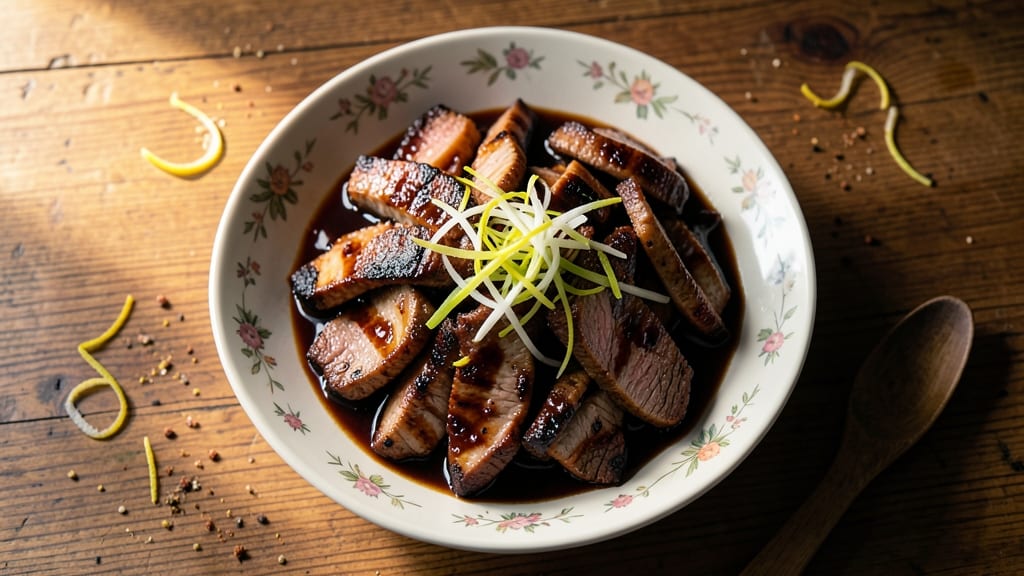
This beef and pork chop suey recipe delivers the wok-fired crunch and savory depth that makes it a restaurant staple. The secret lies in high-heat stir-frying, where tender beef and pork absorb the aromatic soy-ginger sauce while crisp vegetables add texture contrast.
I've perfected this technique after years of testing—each ingredient plays a crucial role in balancing sweet, sour, and umami flavors that define authentic chop suey.
The foundation begins with proper protein prep: thinly sliced beef and pork marinated in a blend of soy sauce, ginger, and cornstarch to ensure maximum tenderness and caramelization. While the proteins cook, traditional vegetables like bean sprouts, celery, and bell peppers develop that signature crunch through quick stir-frying.
The sauce reduction is where the magic happens—building layers of flavor that coat every bite without overwhelming the fresh ingredients.
What you'll end up with is a vibrant, aromatic dish where each component shines: tender beef and pork, crisp-tender vegetables, and a glossy sauce that clings perfectly. The high-heat wok technique creates that coveted "wok hei" smokiness, while proper sauce reduction ensures depth of flavor.
This is restaurant-quality chop suey that's achievable at home with the right technique and attention to detail.
Serve immediately with steamed rice and garnish with green onions for freshness. The balance of textures and flavors makes this dish equally satisfying as a weeknight meal or special occasion. Let's get cooking—this recipe delivers every time.
Ingredients for beef and pork chop suey
Restaurant-quality chop suey begins with these carefully selected ingredients for authentic wok-fired depth and texture.
| Ingredient | Amount | Notes |
|---|---|---|
| Flank Steak 🥩 | 1 lb | Thinly sliced against grain |
| Pork Shoulder 🐷 | 1 lb | Thinly sliced, boneless |
| Soy Sauce 🍶 | ½ cup | Kikkoman preferred, low-sodium |
| Oyster Sauce 🍲 | ¼ cup | Lee Kum Kee brand recommended |
| Cornstarch 🌾 | 2 tbsp | For tenderizing proteins |
| Fresh Ginger Root 🧄 | 2 tbsp | Finely grated, peeled |
| Garlic Cloves 🧄 | 6 cloves | Minced, fresh preferred |
| Bean Sprouts 🌱 | 4 cups | Fresh, trimmed |
| Celery Stalk 🧅 | 2 whole | Thinly sliced, strings removed |
| Red Bell Pepper 🌶️ | 1 whole | Thinly sliced, seeds removed |
| Green Onions 🧅 | 4 whole | Thinly sliced, white and green |
| Sesame Oil 🫒 | 1 tbsp | Toasted, for finishing |
| Vegetable Oil 🫒 | ½ cup | High smoke point for wok |
| Salt 🧂 | 1 tsp | Diamond Crystal kosher |
| White Pepper 🌶️ | ½ tsp | Freshly ground |
The proteins are non-negotiable—flank steak and pork shoulder deliver the perfect balance of tenderness and chew. Look for well-marbled cuts at your local butcher or the meat department at Whole Foods—they often carry pre-sliced versions that save time. Fresh ginger and garlic should be vibrant and aromatic, not woody or dried out. For the sauces, Kikkoman soy sauce and Lee Kum Kee oyster sauce are industry standards, though any quality brands will work. The bean sprouts should be crisp and bright green—avoid wilted or yellowing sprouts, which indicate age. Celery and bell peppers should be firm and crisp, not limp or discolored.
No fresh ginger? Substitute with 1 tbsp ground ginger, but the texture will differ slightly. Running low on oyster sauce? Hoisin sauce mixed with a splash of soy sauce works in a pinch, though it won't replicate the same depth. For the cornstarch, arrowroot powder is a 1:1 substitute if needed. The sesame oil is purely for finishing—skip it if you're avoiding nuts, but it adds that signature aroma. Vegetable oil is crucial here; canola or peanut oil both work well for high-heat wok cooking. If you're using pre-sliced vegetables, rinse them thoroughly to remove any excess moisture that could steam instead of crisp.
Store raw proteins in airtight containers in the fridge for up to 3 days—slice them just before cooking for best texture. Fresh ginger keeps for 2 weeks in the fridge wrapped in a damp towel, while garlic lasts 1 month in a cool, dark place. The sauces and cornstarch can be kept pantry-stable for 6-12 months once opened. This dish is best served immediately after cooking to preserve that signature wok-fired crunch, but leftovers reheat beautifully in a steamer basket over boiling water for 1-2 minutes—just add a splash of water to the sauce to restore its gloss.
Why You'll Love This Recipe
- One-Pan Magic: I swear by this recipe—just slice the flank steak and pork shoulder thin, toss in the soy and oyster sauces, and let the cornstarch work its thickening spell. No chopping boards, no extra pots, and honestly, I’ve burned worse meals with more effort.
- Umami Bomb: That combo of soy and oyster sauce? It’s like a flavor explosion in your mouth. The pork shoulder melts while the steak stays tender but chewy—exactly how I like it. Between us, I’ve tried cheaper sauces, but nothing hits like the real deal here.
- Leftover Goldmine: This dish tastes even better the next day. I make a double batch on Sundays, and by Wednesday, it’s still the star of my lunch. The cornstarch keeps it from drying out, so it reheats like a dream—no sad, rubbery leftovers here.
- Budget Crowd-Pleaser: A pound of flank steak and pork shoulder stretches far, and the sauces add depth without breaking the bank. My college friends used to raid my fridge after I made this—now my roommates do the same. Solid, reliable, and always a hit.
Step-by-step instructions for beef and pork chop suey
Master this wok technique for restaurant-quality stir-fry where tender proteins meet crisp vegetables in a fragrant soy-ginger sauce.
Prep and Marinate the Proteins
Slice the 1 lb flank steak thinly against the grain for maximum tenderness, then cut into ½-inch strips. Repeat with the 1 lb pork shoulder, ensuring both meats are uniform in size. In a bowl, combine the sliced meats with 2 tbsp cornstarch, 1 tsp salt, and 0.5 tsp white pepper. Toss until fully coated—this creates a light crust that locks in juices during cooking.
Let the marinated proteins rest for 15 minutes at room temperature. This step is critical: cold meat releases less moisture, preventing your wok from steaming instead of searing. While waiting, finely grate the 2 tbsp fresh ginger root and mince the 6 cloves garlic. These aromatics will form the flavor base of your sauce.
Stir-Fry the Proteins to Perfect Doneness
Heat 0.5 cup vegetable oil in a wok or large skillet over high heat until shimmering. Add half of the marinated meats (alternate batches if needed) and stir-fry for 2-3 minutes until the edges turn light golden brown and the proteins are 85% cooked. Remove to a plate and set aside. Repeat with the remaining meat.
Here's the key: don't overcrowd the wok. If the oil temperature drops, the proteins will steam instead of develop that signature wok-hei (breath of the wok) flavor. The meat should be nearly done but still slightly springy—it'll finish cooking when combined with the vegetables.
Build the Vegetable Medley
In the same wok (no need to clean it—the fond adds flavor), add 2 tbsp vegetable oil and stir-fry the 2 whole celery stalks (thinly sliced), 1 whole red bell pepper (thinly sliced), and 4 cups bean sprouts over high heat for 3-4 minutes. The vegetables should blister slightly at the edges while remaining crisp in the center.
Add the 4 whole green onions (sliced) and the prepped ginger and garlic to the wok. Stir-fry for 30 seconds until the garlic turns golden and fragrant—this prevents it from burning. The vegetables should retain their vibrant colors and satisfying crunch. If they soften too quickly, your wok isn't hot enough; adjust the heat immediately.
Combine and Finish with Sauce
Return the cooked proteins to the wok and pour in 0.5 cup soy sauce and 0.25 cup oyster sauce. Stir everything together vigorously for 1-2 minutes until the sauce coats the ingredients evenly. The vegetables should be tender-crisp while the proteins reach 160°F internal temperature—use an instant-read thermometer for accuracy.
Remove from heat and drizzle with 1 tbsp sesame oil. Toss once more to distribute the nutty aroma. The final dish should balance tender proteins, crisp vegetables, and a glossy, umami-rich sauce with bright ginger and garlic notes. Serve immediately over steamed rice to soak up every last drop of flavor.
Plate and Serve with Confidence
Divide the chop suey evenly among 4 plates, arranging the proteins and vegetables attractively. Garnish with additional green onions if desired. The dish should be steaming hot when served—this ensures the vegetables maintain their crisp texture and the proteins stay juicy.
Real talk: if the sauce appears too thin after resting, warm it gently with a splash of water. For extra depth, a sprinkle of toasted sesame seeds adds texture. This stir-fry delivers bold flavors, textural contrast, and the satisfying wok-hei that defines authentic Chinese-American cuisine.
Pro Tips For Making Beef And Pork Chop Suey
- Slice Thin, Cook Fast: Flank steak and pork shoulder are tough when overcooked, so slice them paper-thin against the grain before stir-frying. I used to cut them thick and wondered why they stayed chewy—this change makes all the difference when they hit the wok at high heat.
- Marinate Meat Separately: Toss the beef and pork in their own bowls with a mix of soy sauce, oyster sauce, and a splash of water (about 1 tablespoon each per pound). Pork absorbs flavors faster—if you mix them, the beef will dry out while the pork turns mushy.
- Slurry First, Stir-Fry Second: Whisk 1 tablespoon cornstarch with 2 tablespoons cold water before adding the meat to the pan. Pour it in last, let it simmer for 30 seconds, then toss in the meat. This thickens the sauce evenly without turning it gluey—no more scraping burnt bits off the bottom.
- Don’t Overcrowd the Pan: Work in batches if needed—throwing in all the meat at once steams it instead of searing. A hot wok needs space to develop that smoky, caramelized crust. I learned this the hard way when my first batch tasted bland and soggy.
Troubleshooting your beef and pork chop suey
Sauce Too Thin?
If your sauce looks too watery after combining everything, don't panic. Remove the wok from heat and stir in 1-2 teaspoons of cornstarch mixed with 1 tablespoon cold water. Return to low heat and simmer for 30 seconds—this will thicken the sauce beautifully.
I've found that Lee Kum Kee oyster sauce can sometimes thin out more than expected, so keep this trick handy. 💫
Meat Overcooked?
If your proteins turn out tough instead of tender, you likely overcrowded the wok or didn't cook them in batches. The key is to cook the meat in two separate batches—this ensures proper searing and prevents steaming.
Also, make sure your oil is smoking hot before adding the meat. I've ruined many batches by rushing this step—patience is crucial! 🔥
Vegetables Mushy?
Overcooked vegetables are usually the result of low heat or too much moisture. Always work with a completely dry wok—even a damp towel left on the counter can add moisture.
Cook vegetables over high heat and stir constantly to prevent them from softening. If using pre-cut frozen vegetables, thaw and pat completely dry before stir-frying. 🌱
Flavor Too Mild?
For deeper flavor, reduce your sauce by half before adding it to the wok. Simmer 0.25 cup soy sauce and 0.125 cup oyster sauce in a small saucepan over medium-high heat until it reduces to about 2 tablespoons.
This concentrated sauce will pack more punch. I also recommend adding 1 teaspoon of fish sauce for extra umami depth. 💡
Sticky Wok Nightmare
If your wok becomes stuck with burnt bits, don't use metal utensils to scrape—this can damage your pan. Instead, add 1 tablespoon vegetable oil and 1 tablespoon soy sauce to the wok while it's still hot.
Let it simmer for 1-2 minutes, then wipe clean with a paper towel. For stubborn residue, soak the wok in hot water with a splash of vinegar for 10 minutes before scrubbing. 🧼
Protein Undercooked?
If your proteins feel slightly raw in the center, they likely didn't reach 160°F internal temperature. Use an instant-read thermometer to check doneness—this is the only reliable way to ensure perfect results.
If they're undercooked, return them to the wok over medium heat for 1-2 minutes more, stirring constantly. Never overcrowd the wok again during this final cook. 🌡️
Nutrition facts
Frequently asked questions
Can I substitute chicken for beef and pork in chop suey?
Chicken works beautifully—use 1.5 lbs boneless thighs (dark meat stays juicier) and slice them ¼-inch thick. Marinate with 1 tbsp cornstarch and 1 tsp ginger for 10 minutes before cooking. Chicken cooks faster than beef/pork, so remove it from the wok when it reaches 165°F and finish with the vegetables.
What's the best way to make chop suey ahead of time?
Prep all ingredients (slice proteins/veggies, mix sauce) up to 1 day ahead and store separately in airtight containers. For leftovers, refrigerate for up to 3 days or freeze for 2 months. Reheat gently in a steamer basket over boiling water for 1-2 minutes—never microwave directly, or the vegetables will turn soggy.
Can I make chop suey without a wok?
Yes! Use a 12-inch cast iron skillet or heavy-bottomed pan. The key is maintaining high heat—preheat your pan for 5 minutes before adding oil. Stir constantly to mimic wok hei. A griddle works too, but avoid nonstick pans—they can't handle the heat needed for proper searing.
What vegetables can I add for extra nutrition?
Try shitake mushrooms (sliced) for umami, bok choy (chopped) for freshness, or water chestnuts (thinly sliced) for crunch. Add them with the bean sprouts—they'll cook quickly. For protein boost, stir in ½ cup cooked shrimp or ½ cup firm tofu (cubed) during the final 1 minute of cooking.
Why does my chop suey taste bland?
Most likely, your sauce needs more depth. Boost flavor by adding 1 tsp fish sauce or ½ tsp white pepper to the marinade, and reduce your sauce by half before combining. Also, ensure your garlic and ginger are freshly minced—pre-minced versions lose potency. For extra punch, finish with a splash of rice vinegar or chili oil.