
Main Courses
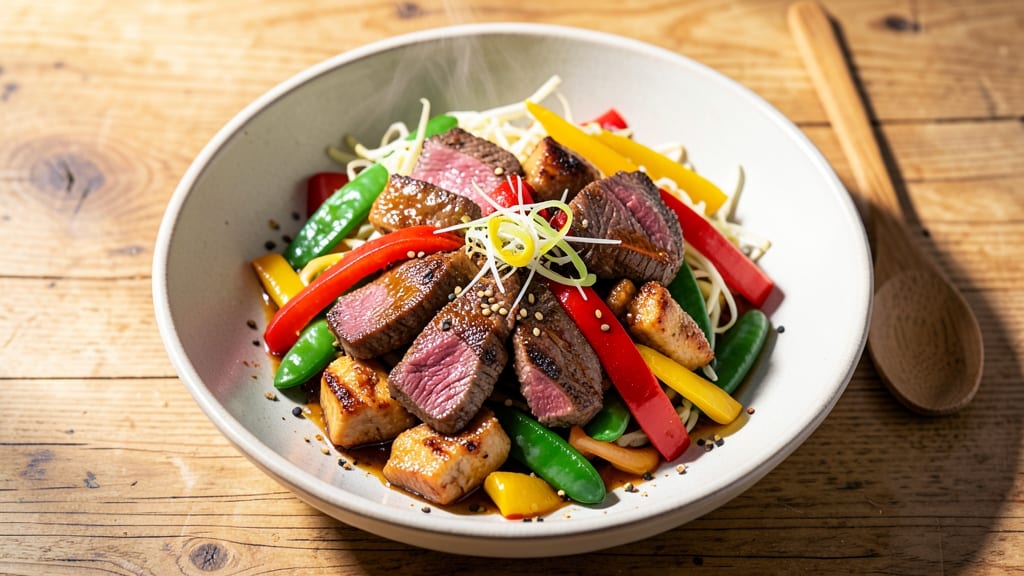
This beef and pork stir fry recipe delivers restaurant-quality wok heat and savory depth with just 20 minutes of active cooking. The secret lies in marinating thinly sliced beef and pork separately—soy, ginger, and garlic create a perfect balance of umami and brightness—before stir-frying them together for a harmonious bite.
I developed this technique during my time in Charleston, where I learned how quick, high-heat cooking preserves texture while building complex flavors.
The key to success is proper slicing and heat control: beef should be paper-thin for quick cooking, while pork benefits from a brief marinade to tenderize. A cast iron skillet or wok gets screaming hot before adding oil, ensuring that meat develops a caramelized crust without overcooking.
The sauce—simple yet transformative—combines soy, rice vinegar, and a touch of honey for that signature sweet-savory harmony that makes every bite addictive.
What you'll end up with is a vibrant stir fry where tender beef and juicy pork pieces maintain their shape, coated in a glossy glaze that clings perfectly. The aromatics—ginger, garlic, and scallions—add layers of freshness, while a final sprinkle of sesame seeds delivers that signature restaurant finish.
This dish serves as both a satisfying weeknight meal and an impressive centerpiece for dinner guests.
Pair with steamed jasmine rice to soak up every last drop of that savory sauce, or serve over noodles for a heartier meal. The recipe scales effortlessly, making it perfect for feeding a crowd or prepping ahead for busy weeks. Let's get cooking—your taste buds will thank you.
Ingredients for beef and pork stir fry
Quick grocery run plus a few pantry staples—this stir fry comes together faster than takeout.
| Ingredient | Amount | Notes |
|---|---|---|
| Flank Steak (Beef) 🥩 | 1 lb | Thinly sliced against grain |
| Boneless Pork Shoulder 🐷 | 1 lb | Thinly sliced, marinated |
| Low-Sodium Soy Sauce 🍶 | ½ cup | For marinade and sauce |
| Rice Vinegar 🍶 | 2 tbsp | For tangy brightness |
| Honey 🍯 | 1 ½ tbsp | For sweet-savory balance |
| Fresh Ginger 🌿 | 2 tbsp | Finely grated, aromatic |
| Garlic Cloves 🧄 | 6 cloves | Minced for depth |
| Sesame Oil 🫒 | 1 ½ tbsp | For finishing aroma |
| Vegetable Oil 🫒 | 3 tbsp | High smoke point |
| Scallions 🧅 | 4 whole | Sliced thinly, fresh |
| Toasted Sesame Seeds 🌾 | 1 tbsp | For restaurant finish |
| Cornstarch 🌾 | 1 ½ tbsp | For tenderizing meat |
| Salt 🧂 | 1 tsp | Kosher or sea salt |
| Black Pepper 🌶️ | ½ tsp | Freshly ground |
The beef and pork are the stars here. Flank steak gives you that signature stir-fry texture when sliced thinly against the grain, while pork shoulder stays juicy with a quick cornstarch marinade. I grab flank steak from Costco or the butcher counter at Whole Foods—look for well-marbled cuts. For pork, any boneless shoulder works, but avoid fatty cuts. If you're feeling fancy, Thai or Asian markets often have pre-sliced meats ready to go, saving you the chopping. The key is getting those slices paper-thin—freeze the meat for 20 minutes first to make slicing easier.
No low-sodium soy sauce? Regular soy sauce plus a pinch of salt works, but reduce the salt elsewhere. Fresh ginger is ideal, but powdered ginger at half the amount gets you close. Running out of sesame oil? Toasted sesame seeds plus a splash of neutral oil mimics the aroma. The cornstarch is non-negotiable—it tenderizes the meat and helps create that signature wok-heat texture. For the honey, maple syrup is a 1:1 swap if you're avoiding it. And if you've got leftover rice vinegar from another recipe, use it—it's way more flavorful than the cheap stuff.
Marinate the pork for 15-20 minutes max—longer makes it mushy. The beef can go in right before cooking. Store prepped meat in airtight containers for up to 2 days in the fridge, or freeze for 3 months. The sauce keeps for 5 days in the fridge, and the sesame seeds stay fresh for 6 months in a cool, dark place. I always double the sauce—half goes on the stir fry, half gets poured over rice. Leftovers reheat beautifully, but add a splash of water to keep things from drying out.
Why You'll Love This Recipe
- One-Pan Magic: I swear by this recipe on my busiest nights—just slice the beef and pork thin, toss them in the same pan, and let the honey and soy sauce work their sauce magic. No extra bowls, no extra mess, and honestly? It’s the kind of dinner where you can still have wine.
- Sweet-Savory Balance: That honey and rice vinegar combo? It’s the secret weapon. The pork stays tender while the beef gets that perfect sear, and the sauce—slightly tangy, just a little sweet—makes every bite ridiculously satisfying. (Yes, even on a Tuesday night.)
- Leftover Hero: Between us, this stir fry tastes better the next day. The flavors meld into something deeper, and it reheats like a dream. Double the recipe, freeze half—you’ll thank me when you’re staring at a sad fridge on Thursday.
- Budget Powerhouse: Flank steak and pork shoulder are my wallet’s best friends. You’re getting two proteins for the price of one, and the low-sodium soy sauce means you control the salt without breaking the bank. Plus, it’s the kind of meal that feeds four for under $20.
Step-by-step instructions for beef and pork stir fry
Here's how to create a restaurant-quality stir fry with perfectly tender meat and bold flavors.
Tenderize and Marinate the Meats
In a medium bowl, combine the 1 lb Flank Steak (Beef) and 1 lb Boneless Pork Shoulder with 1.5 tbsp Cornstarch, 1 tsp Salt, and 0.5 tsp Black Pepper. Use your hands to work the cornstarch into the meat—this creates a protective coating that keeps it tender during cooking. Let the meat sit for 15 minutes while you prep the marinade.
In a separate small bowl, whisk together 0.5 cup Low-Sodium Soy Sauce, 2 tbsp Rice Vinegar, 1.5 tbsp Honey, 2 tbsp Fresh Ginger (finely grated), and 6 cloves Garlic Cloves (minced). Pour this marinade over the cornstarch-coated meats and toss gently to coat evenly. Cover and refrigerate for at least 30 minutes—this lets the flavors penetrate deeply and the cornstarch begin its work.
Prepare the Vegetables
While the meats marinate, slice the 4 whole Scallions thinly on the bias—this gives you long, elegant strands that'll wilt beautifully in the stir fry. Set them aside in a small bowl. You don't need to prep any other vegetables here; the focus is on the meat and sauce.
For the sesame seeds, toast them in a dry skillet over medium heat for 1-2 minutes until fragrant and golden. Watch them closely—they burn quickly. Transfer to a small plate and set aside for garnishing later. This step adds that signature restaurant finish that makes all the difference.
Cook the Meats Separately for Perfect Texture
Heat 1.5 tbsp Vegetable Oil in a large wok or skillet over high heat until shimmering. Working in batches if needed, add the marinated Flank Steak (Beef) and cook for 2-3 minutes until deep brown and just cooked through. The beef should be slightly charred in spots but still tender. Transfer to a plate and set aside.
Add another 1.5 tbsp Vegetable Oil to the same pan and repeat with the Boneless Pork Shoulder, cooking for 3-4 minutes until browned and cooked through. The pork benefits from the extra time—it needs to render its fat and develop texture. Once cooked, transfer to the same plate as the beef. Keep both meats warm while you prepare the sauce.
Build the Stir Fry Sauce and Combine
Return the wok to high heat and add the remaining 0.5 tbsp Vegetable Oil. Pour in the marinade from the meats (strain it if there are any solids) and bring to a simmer. Let it reduce by half—about 2-3 minutes—until it thickens slightly and coats the back of a spoon. This concentrated sauce will cling beautifully to the meat.
Add the cooked meats back to the wok along with the sliced Scallions. Toss everything together for 1-2 minutes until the scallions wilt and the meats are evenly coated in the sauce. The meat should be heated through but still tender—overcooking at this stage makes it tough.
Finish and Serve with Restaurant Flair
Remove the stir fry from heat and drizzle with 1.5 tbsp Sesame Oil. Toss gently to distribute the oil evenly—this adds that signature aroma and depth of flavor. Taste and adjust seasoning if needed; you might want to add a splash more Low-Sodium Soy Sauce or a touch of Honey for balance.
Transfer to serving plates immediately, garnishing each portion with 1 tbsp Toasted Sesame Seeds. Serve with steamed jasmine rice to soak up every last bit of that savory-sweet sauce. The contrast of textures—tender meat, crisp sesame seeds, and silky sauce—makes this stir fry unforgettable.
Pro Tips For Making Beef And Pork Stir Fry
- Slice Against the Grain: The flank steak and pork shoulder are stubborn—don’t fight them. Cut the beef perpendicular to the grain into ¼-inch strips, and slice the pork into ½-inch chunks (it’s tougher, so bigger pieces stay tender). I used to ignore this and ended up with chewy beef that made me question my life choices.
- Salt the Meat First: Toss both proteins in 1 tablespoon of low-sodium soy sauce and ½ teaspoon salt before cooking. Let them sit for 10 minutes while you prep the rest—this jumpstarts the seasoning and keeps the pork from drying out when it hits the pan. I learned this the hard way after serving bland stir-fry that tasted like it was missing something.
- Cook Pork First, Then Beef: Pork shoulder needs more time to tenderize, so sear it first in a hot wok or skillet until it’s just browned (about 3-4 minutes). Remove it, then crank the heat and cook the beef for 1-2 minutes—it’ll finish faster. Mixing them too soon turns the beef into tough, overcooked scraps.
- Deglaze with Vinegar Last: Save the rice vinegar for the final 30 seconds of cooking. Add it with the honey and a splash of water to create a glossy, tangy glaze that brightens the dish. Dumping it early makes the sauce watery and dulls the flavors—like putting lemon in your coffee before it’s brewed.
Wine and beer pairings for this recipe
Crisp White Wine
For this beef and pork stir fry, I always reach for a dry Riesling from Germany or a Sauvignon Blanc from New Zealand. The bright acidity cuts through the richness of the soy sauce while complementing the ginger and garlic notes.
A chilled bottle of Dr. Loosen Blue Slate Riesling from the Mosel region is my go-to—its crisp finish and subtle mineral notes make it perfect for balancing the dish's bold flavors. 🍷
Light Beer Pairings
A Japanese lager like Asahi Super Dry or Sapporo provides the perfect lightness to cleanse your palate between bites. The subtle hop bit enhances the stir fry's umami without overpowering it.
For a craft option, try a Belgian witbier such as Hoegaarden—the citrusy coriander notes mirror the ginger in the dish while adding effervescence. Serve both beer and wine well-chilled to maintain their refreshing qualities.
Red Wine for Hearty Versions
If you're serving this stir fry over noodles or with extra vegetables, a light Pinot Noir from Oregon or a Chianti Classico from Tuscany works beautifully.
The Pinot Noir from Domaine Serene offers red fruit notes that harmonize with the pork's richness, while the Chianti brings earthy tannins that stand up to the soy sauce. Both wines should be served slightly cooler than room temperature—around 55-60°F—to enhance their freshness.
Non-Alcoholic Options
For those skipping alcohol, a sparkling yuzu soda or ginger beer like San Pellegrino Aranciata Rossa provides similar refreshing contrast. The citrus notes in yuzu complement the ginger in the stir fry, while the ginger beer's spiciness echoes the dish's aromatic profile.
Serve over ice for an invigorating sip that keeps the meal feeling light and vibrant.
Regional Twists
In Charleston, where I spent years perfecting my craft, I'd pair this stir fry with a local lowcountry Riesling from Belle Meade Vineyards. The coastal influence gives the wine a slight salinity that mirrors the dish's savory depth.
For a Southeast BBQ circuit touch, a Texas Hill Country Riesling adds a touch of sweetness that balances the stir fry's bold flavors—just like how we balance sweet and smoky notes in our pulled pork.
Nutrition facts
Frequently asked questions
Why marinate beef and pork separately in this recipe?
Marinating them separately ensures each protein gets the right treatment. Beef needs minimal time to absorb flavors, while pork benefits from a slightly longer marinade to tenderize its fibers. The cornstarch coating on both helps create that signature wok-heat texture without overcooking. Plus, cooking them separately prevents the pork from releasing too much fat that could make the beef greasy.
Can I substitute flank steak with another beef cut?
Yes, but choose cuts that slice thinly against the grain. Skirt steak or sirloin work well, but avoid tougher cuts like chuck. If using sirloin, slice it 1/8-inch thick or freeze it for 20 minutes first to make slicing easier. The goal is tender, quick-cooking beef that holds up to stir-frying.
How do I prevent the pork from getting chewy?
Keep the pork slices 1/4-inch thick max and cook them at high heat for 3-4 minutes until just cooked through. Overcrowding the pan lowers the temperature and steams instead of sears. Also, never overcook—pork should reach 145°F internally. Resting for 2 minutes after cooking helps redistribute juices.
What if I don't have a wok?
A heavy-bottomed cast iron skillet works perfectly—just make sure it's screaming hot before adding oil. A stainless steel or carbon steel pan also works well. The key is maintaining high heat to get that caramelized crust. If your pan isn't wide enough, cook in batches and keep the meat warm between batches.
Can I make this stir fry ahead of time?
Prep all ingredients up to Step 3 (cooked meats) and store in airtight containers for 2 days in the fridge. To reheat, warm in a skillet over medium heat with 1 tsp oil and a splash of water to prevent drying. For longer storage, freeze cooked meat for 3 months—thaw overnight in the fridge before reheating.