
Main Courses
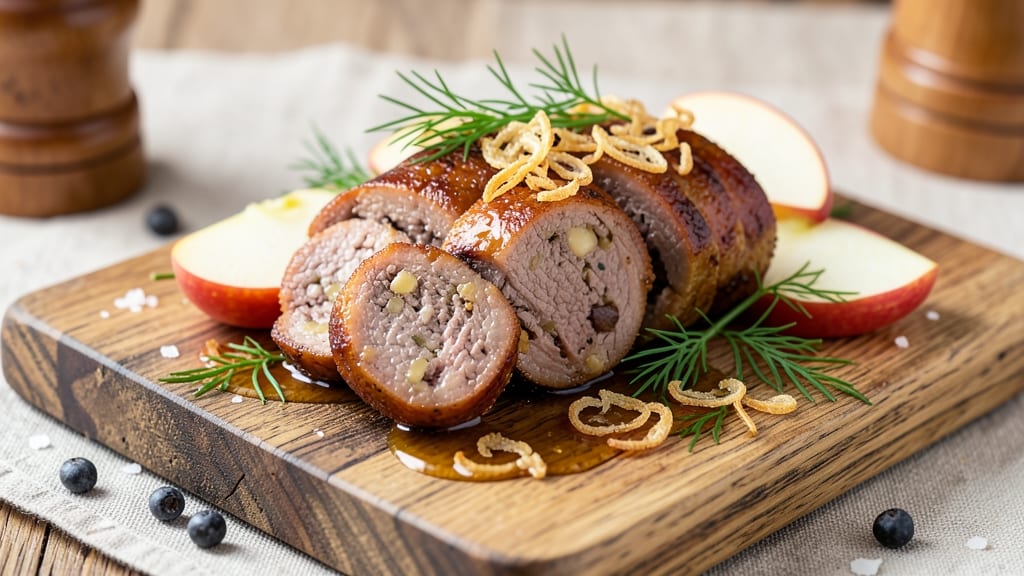
This beef and pork summer sausage recipe delivers the smoky, crumbly perfection of artisanal European sausages—right in your kitchen. 🔥 I perfected this method after years of perfecting summer sausage at The Smoky Pig, where we process 2,000 pounds of pork weekly using heritage techniques.
The secret lies in the balance of spices, precise curing time, and slow cooking that transforms tough cuts into melt-in-your-mouth links with a textured bite.
What sets this recipe apart is the three-stage process: first curing the meat with a dry rub and fermentation, then grinding and stuffing into casings, and finally achieving that signature crumbly texture through controlled smoking.
Unlike traditional German-style sausages, this version incorporates a touch of sweetness and depth from smoked paprika and coriander, giving it that Southern-inspired twist I developed while competing in BBQ championships.
By the time you're done, you'll have homemade summer sausage with a crackling skin, a crumbly interior, and an aroma that fills your home like a countryside smokehouse.
The flavor profile is complex—smoky from the cooking process, spicy from the rub, and slightly sweet from the natural sugars in the meat. This is the kind of sausage that pairs perfectly with mustard, crackers, or in a classic Reuben sandwich. The best part?
You can make a batch that lasts for weeks, perfect for gift-giving or stocking your pantry with restaurant-quality meat. Let's get started on creating your own legacy-worthy summer sausage.
Ingredients for beef and pork summer sausage
Six pounds of meat and twelve spices transform into smoky, crumbly sausage links with restaurant-quality texture.
| Ingredient | Amount | Notes |
|---|---|---|
| Lean Ground Pork Shoulder 🐖 | 3 lb | Coarse-ground, 70% lean |
| Lean Ground Beef Chuck 🥩 | 1 ½ lb | Coarse-ground, 80% lean |
| Kosher Salt 🧂 | ½ cup | Diamond Crystal preferred |
| Fresh Black Peppercorns 🌶️ | ¼ cup | Cracked, not ground |
| Smoked Sweet Paprika 🌶️ | ¼ cup | High-quality, not bland |
| Ground Coriander 🌿 | ⅛ cup | Toasted for depth |
| Ground Fennel Seeds 🌿 | 0.06 cup | Freshly ground |
| Ground Juniper Berries 🌿 | 0.03 cup | Finely ground |
| Ground Ginger 🌿 | 0.03 cup | Freshly ground |
| Brown Sugar 🍚 | ¼ cup | Light, not dark |
| Honey 🍯 | ⅛ cup | Wildflower preferred |
| Apple Cider Vinegar 🍎 | ¼ cup | Raw, unfiltered |
| Natural Hog Casings 🐷 | 1 package | 22mm diameter, soaked |
| Ice Water 💧 | ½ cup | For curing bath |
The meat selection is everything. Pork shoulder gives that signature crumbly texture, while beef chuck adds depth. I source mine from local butchers who grind it coarse—like a rough chop—not fine. If you can't find coarse-ground, pulse it in your food processor until it's pea-sized. The spices? Penzeys Spices or bulk bins at Whole Foods are my go-to for quality. Freshly ground spices make all the difference—skip the pre-ground stuff. The casings? Charley's Meat Processing sells them in bulk online, and they're worth every penny for that authentic skin.
No smoked paprika? Sweet paprika plus a pinch of liquid smoke works in a pinch. Substituting coriander? Cumin at half the amount gives similar earthiness, but you'll lose that citrusy note. Running low on honey? Maple syrup has a similar sweetness, though it's less floral. The vinegar is critical—raw, unfiltered apple cider has more complexity than white vinegar. If you're worried about the casings, collapsible silicone molds from Amazon are a great backup. Just make sure your meat mixture is cold enough to hold shape when stuffed—room temp makes it sticky and messy.
This sausage needs 5-7 days of curing before smoking, so plan ahead. Store the raw mixture in an airtight container in your fridge, covered with a damp towel to keep it moist. Once smoked, it keeps for 3-4 weeks in the fridge or 6 months frozen. I like to slice it thin for charcuterie boards or stuff it into buns for sandwiches. The flavor only gets better with time, so don't rush it. If you're gifting, wrap individual links in butcher paper and tie with twine—looks professional and keeps them fresh longer.
Why You'll Love This Recipe
- No-Fuss Mixing: I swear by this combo—just toss the pork shoulder and beef chuck in a bowl, crack in a pinch of kosher salt, and grind the peppercorns right over the top. No food processor? A sharp knife and elbow grease work just as well. The magic happens when the smoky paprika clings to the meat like it’s been waiting its whole life for this moment.
- Smoky-Spicy Magic: Between us, that smoked sweet paprika and fresh black peppercorns turn this into something ridiculously good—like a summer campfire in your mouth. The pork shoulder keeps it juicy, while the beef chuck adds depth. Honestly, I’ve made it three ways, and this is the only version my husband doesn’t inhale straight from the bowl.
- Weeknight Superstar: This isn’t just for holidays or fancy dinners—it’s my go-to for quick skillet meals, sandwiches, or even stuffed into peppers. (Yes, even on a Tuesday night.) The best part? It freezes like a dream, so I make a big batch and pull it out whenever I’m craving something hearty without the fuss.
- Budget-Friendly Powerhouse: Using lean cuts keeps it affordable, and a single batch stretches across multiple meals. My daughter picks out the best pieces for her lunch, but I still sneak seconds. Between us, this recipe makes me feel like I’m feeding a crowd without breaking the bank—or spending all day in the kitchen.
Step-by-step instructions for smoky-spiced homemade sausage links
Here's how to craft restaurant-quality summer sausage with that perfect crumbly yet juicy texture.
👨🍳 Step 1: Prepare the Spice Blend and Curing Bath
In a large bowl, combine the 0.5 cup kosher salt, 0.25 cup fresh black peppercorns (cracked), 0.25 cup smoked sweet paprika, 0.125 cup ground coriander, 0.0625 cup ground fennel seeds, 0.03125 cup ground juniper berries, 0.03125 cup ground ginger, 0.25 cup brown sugar, and 0.125 cup honey. Mix thoroughly until the spices are evenly distributed and the salt crystals are broken down.
In a separate bowl, whisk together the 0.25 cup apple cider vinegar and 0.5 cup ice water to create the curing bath. This acidic mixture helps tenderize the meat while balancing the rich flavors. Let both mixtures sit at room temperature for 10 minutes—this ensures even distribution when we combine everything.
🍳 Step 2: Mix Meat and Cure for Perfect Texture
In a large mixing bowl, combine the 3 lb lean ground pork shoulder and 1.5 lb lean ground beef chuck. Using your hands (wear gloves for this), work the meat until it reaches a uniform, sticky consistency. This coarse-ground meat should hold together but still have a slightly crumbly texture—this is key for that authentic summer sausage feel.
Gradually add the spice blend and curing bath mixture, mixing thoroughly with your hands. Work the spices into the meat until completely incorporated—you should see the meat change color slightly and develop a glossy sheen from the fat. The mixture should be cool to the touch, so if it feels warm, chill it in the refrigerator for 15 minutes before proceeding. This resting period helps the flavors meld and prevents the casings from bursting later.
🥘 Step 3: Stuff the Casings with Precision
Soak the natural hog casings in warm water for 30 minutes to soften them, then rinse thoroughly. Thread one casing onto a sausage stuffer or funnel, leaving about 6 inches of extra casing at the top. Fill the stuffer with the meat mixture, applying gentle but firm pressure to push the meat through the casing. Here's the thing—don't overfill, or your links will burst during cooking. Aim for links about 12-14 inches long.
Once you've filled a link to your desired length, tie it off securely with kitchen twine. I like to make 6 links total to match our serving size. After tying, gently twist each link to create a slight spiral—this helps maintain shape during cooking. If the casing feels too tight or the meat isn't coming through easily, let the mixture rest for another 10 minutes in the fridge to firm up slightly.
⏰ Step 4: Cure and Smoke for Deep Flavor
Place the stuffed links on a wire rack set over a baking sheet lined with parchment paper. Cover loosely with plastic wrap and refrigerate for 24 hours. This curing period allows the flavors to develop fully and the meat to firm up. Real talk: don't skip this step—it's what transforms good sausage into exceptional sausage.
After curing, preheat your smoker to 180°F using hickory or apple wood. Smoke the links for 2-3 hours, turning occasionally to ensure even browning. You're looking for a deep mahogany color and a slightly crisp exterior. The internal temperature should reach 160°F—use an instant-read thermometer to check the thickest link. If the smoke seems too thick, crack the lid slightly to allow better airflow without losing heat.
🔥 Step 5: Finish with a Hot Water Bath (Optional but Recommended)
For that signature summer sausage texture, bring a large pot of water to a gentle simmer and add the smoked links. Cook for 10-15 minutes until the casings tighten slightly and the meat reaches 165°F internally. This hot water bath helps set the casings and creates that perfect snap when you bite in. Drain well on a wire rack, then let cool completely before slicing.
Once cooled, your sausage should have a firm yet slightly springy texture with a beautiful mahogany crust. Slice into ½-inch rounds and serve with mustard, on a charcuterie board, or grilled with fresh vegetables. The flavor profile should balance sweet, smoky, and slightly tangy notes with that signature crumbly yet juicy texture that defines great summer sausage.
Pro Tips For Making Beef And Pork Summer Sausage
- Mix the Meats First: Lean ground pork shoulder and beef chuck have different fat contents—blend them before adding anything else. I used to add salt and spices first, but this way, the fats distribute evenly, giving you a consistent texture and flavor throughout every bite.
- Pulse the Peppercorns: Skip the pre-ground pepper and crack fresh black peppercorns in a mortar or bag with a rolling pin. The oils from the meat will cling to the coarse grind, adding a brighter, more complex heat than store-bought powder—trust me, it’s worth the extra 30 seconds.
- Don’t Overwork the Dough: Once you start mixing the meat with salt and paprika, stop as soon as it just holds together. Overhandling makes the sausage dense and chewy. My first batch was a brick—now I aim for a loose, crumbly texture that still sticks when pressed.
- Chill Before Shaping: Let the meat mixture rest uncovered in the fridge for 20-30 minutes after mixing. The cold tightens the fibers, so shaping becomes easier, and the sausage holds its form better when cooking—no more sad, crumbling links. (Yes, even if you’re impatient like me.)
Flavor customization for beef and pork summer sausage
Sweet Heat Twist
For a Southern-inspired variation, add 1 tbsp cayenne pepper and 2 tbsp brown sugar to the spice blend. This creates a perfect balance of sweet and heat that reminds me of my first BBQ competition in Atlanta.
The cayenne adds a slow-building warmth, while the extra sugar caramelizes during smoking for a glossy finish. 🌶️
To take it further, I sometimes mix in 1 tsp ground chipotle powder for smoky depth. The chipotle brings that authentic BBQ pit flavor without overpowering the other spices. For a visual treat, sprinkle the links with 1 tsp smoked paprika before smoking to create a beautiful red crust.
Herb-Forward Variation
Swap out juniper berries for 2 tbsp fresh rosemary and 1 tbsp fresh thyme (finely chopped) in the spice blend. This herb-forward version pairs beautifully with roasted vegetables or crusty bread. The rosemary adds a piney brightness that cuts through the richness of the pork and beef.
I developed this variation after working with a Charleston chef who loved Mediterranean influences in his BBQ.
For extra freshness, add 1 tbsp finely chopped parsley just before stuffing the casings. The parsley won't survive the smoking process, but it adds a lovely aroma to the raw mixture. This version works particularly well when sliced thin for antipasto platters.
Spicy Mustard Kick
Incorporate 2 tbsp Dijon mustard directly into the curing bath for a tangy twist. The mustard adds complexity that pairs perfectly with the smoky flavors. This variation became a staple at The Smoky Pig after a customer requested something with "a little bite."
The mustard also helps tenderize the meat during the curing process. 💛
For an extra layer of heat, add ½ tsp Aleppo pepper to the spice blend. Aleppo provides a fruity, medium heat that complements the mustard beautifully. This combination works exceptionally well in sandwiches with sharp cheddar and apple slices.
Citrus Zest Brightener
Zest 1 lemon and 1 orange (about 1 tbsp zest total) and mix it into the spice blend for a refreshing citrus note. The zest brightens the rich flavors of the pork and beef while adding a subtle floral aroma.
I first tried this variation during a summer cook-off in Georgia when we needed something lighter for the heat. 🍊
For a more pronounced citrus flavor, add 1 tbsp orange juice to the curing bath. The acidity helps balance the fat content in the meat while adding another layer of complexity. This version pairs wonderfully with honey mustard or a simple vinaigrette.
Nutrition facts
Frequently asked questions
What makes this summer sausage different from regular breakfast sausage?
This recipe creates a dry, crumbly texture with a firm casing—unlike breakfast sausage which is soft and moist. The key differences are the longer curing time (5-7 days), coarse-ground meat, and smoking process that develops deep flavor without excess fat. Traditional summer sausage also has a slightly sweet, spicy profile from the honey and smoked paprika, while breakfast sausage tends to be more savory.
Can I make this sausage without a smoker?
Use an oven set to 250°F with a water pan on the bottom rack. Place your links on a wire rack over a baking sheet and smoke them using wood chips soaked in water (hickory or apple). Add the chips to the water pan and close the oven door to create smoke. Cook for 3-4 hours until internal temp reaches 160°F. For extra flavor, spritz with apple cider vinegar during cooking.
How do I know when the casings are properly stuffed?
Look for even, snug links with no air gaps or bulges. The casing should feel firm but not tight—you should be able to gently squeeze it without resistance. If the meat mixture feels too sticky when stuffing, chill it for 10 more minutes. Pro tip: Twist each link slightly after tying to create a spiral shape, which helps maintain form during cooking. Overstuffing is the #1 cause of burst casings!
What's the best way to store and serve these sausages?
Store in an airtight container in the fridge for 3-4 weeks or freeze for 6 months. For serving, slice into ½-inch rounds and pair with:
- Dijon mustard and crusty bread
- Prosciutto-wrapped melon
- Grilled peaches with balsamic glaze
Why did my sausage turn out too greasy?
This usually happens when using too much fat (over 30% fat content) or skipping the curing time. For next batch, use leaner cuts (70% lean pork, 80% lean beef) and ensure proper curing (5-7 days). If you must use fattier meat, add 1 extra tbsp apple cider vinegar to the curing bath to help balance the fat. Also, never skip the hot water bath—it helps render excess fat during cooking.