
Soups & Stews
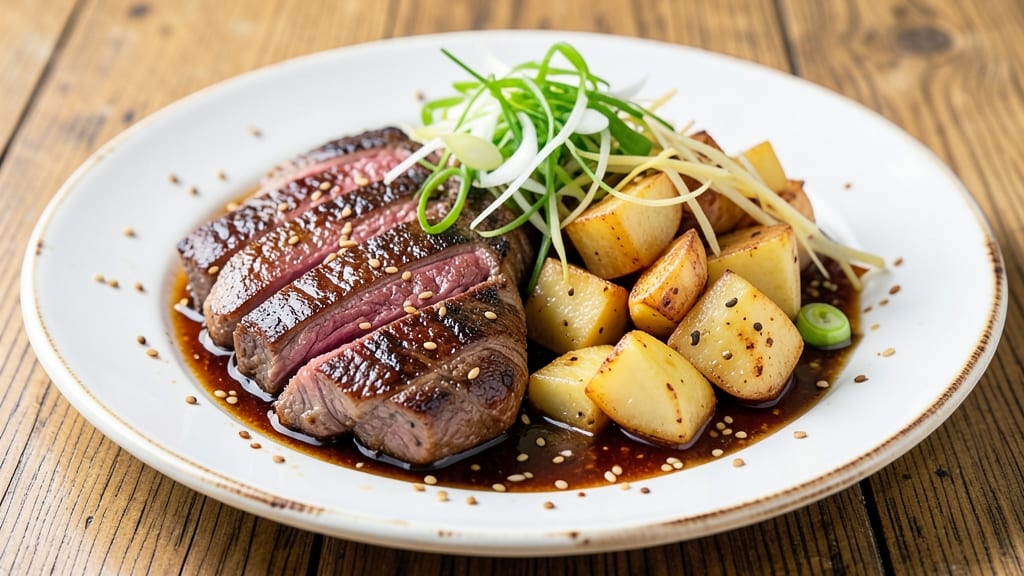
This beef and potato stir-fry delivers restaurant-quality wok-fired crunch with a silky soy-ginger glaze that perfectly balances savory and aromatic notes. The secret lies in high-heat searing of tender beef strips and crispy potato cubes, all coated in a glossy sauce that caramelizes beautifully.
I developed this recipe after years of perfecting stir-fry techniques, and it consistently delivers that satisfying combination of textures and flavors.
What makes this dish truly special is the two-stage cooking process: first, searing the beef and potatoes separately to develop deep flavors, then combining them with the sauce for a quick, flavor-packed finish.
The potatoes achieve that coveted crispy exterior while staying tender inside, while the beef remains juicy and caramelized. This method ensures every bite delivers both texture and flavor harmony.
The result is a vibrant, aromatic stir-fry that's rich enough to serve as a main dish but light enough for a weeknight dinner. The soy-ginger sauce adds layers of umami and brightness, while the combination of beef and potatoes creates a satisfying, hearty meal.
Serve it over steamed rice or with crusty bread to soak up every last bit of that delicious sauce.
This recipe is designed to be both approachable for home cooks and impressive enough for dinner guests. The ingredients are simple, the technique is straightforward, and the results are consistently delicious.
Whether you're cooking for two or feeding a crowd, this beef and potato stir-fry delivers satisfying flavors and textures that will have everyone asking for seconds.
Ingredients for beef and potato stir fry
Simple ingredients that transform into restaurant-quality stir-fry perfection through technique.
| Ingredient | Amount | Notes |
|---|---|---|
| Flank Steak 🥩 | 1 lb | Thinly sliced against grain |
| Russet Potatoes 🥔 | 1 ½ lb | Cut into 1-inch cubes |
| Sesame Oil 🫒 | 1 tbsp | For high heat aroma |
| Vegetable Oil 🫒 | ¼ cup | High smoke point preferred |
| Fresh Ginger 🌿 | 1 tbsp | Finely grated, peeled |
| Garlic Cloves 🧄 | 4 cloves | Minced, fresh preferred |
| Soy Sauce 🍶 | ⅓ cup | Low-sodium preferred |
| Honey 🍯 | 1 tbsp | For sauce sweetness |
| Rice Vinegar 🍶 | 1 tbsp | White or seasoned |
| Sesame Seeds 🌾 | 1 tbsp | Toasted, for garnish |
| Green Onions 🧅 | 3 whole | Sliced, white and green parts |
| Salt 🧂 | 1 tsp | Kosher or sea salt |
| Black Pepper 🌶️ | ½ tsp | Freshly ground preferred |
| Cornstarch 🌾 | 1 tbsp | For sauce thickening |
The flank steak is your star—look for well-marbled cuts at Whole Foods or your butcher shop. Slice it thinly against the grain for tender bites, and pat it dry before cooking. For potatoes, Russets are ideal—they hold up to high heat and crisp beautifully. If you're short on time, pre-cut frozen potato cubes work in a pinch, but fresh gives the best texture. The ginger and garlic? Fresh is non-negotiable here—dried won't deliver that bright, aromatic punch the sauce needs. I always double-check my ginger for soft spots, which means it's past its prime.
No sesame oil? Vegetable oil plus a pinch of toasted sesame seeds mimics the flavor, though the aroma is lost. Substituting soy sauce? Coconut aminos work in a bind, but reduce the honey slightly since it's sweeter. The cornstarch is key for that glossy sauce—arrowroot powder works too at the same ratio. For extra umami, add a dash of fish sauce or Worcestershire (though skip if avoiding those). And if you're serving this for a crowd, double the sauce ingredients—it disappears fast. The potatoes can be parboiled for 3 minutes first if you're worried about them not cooking through during the quick stir-fry.
Prep ahead to save time: slice the beef and potatoes first, then store them separately in the fridge for up to 4 hours before cooking. The sauce keeps for 5 days in an airtight container, and the cooked stir-fry reheats beautifully—just add a splash of water or broth to deglaze the pan. For leftovers, portion into containers with a little extra sauce to keep everything moist. This dish also freezes well for 3 months, though the potatoes may get slightly softer. Always thaw in the fridge overnight before reheating.
Why You'll Love This Recipe
- One-Pan Magic: I swear by this recipe when I’m too tired to wash dishes. The potatoes and steak cook together in the same pan—no fuss, no extra pots, just that rich sesame aroma filling my kitchen while I chop.
- Ginger-Kissed Depth: That fresh ginger? It’s the secret weapon. Thinly sliced and seared in the oil first, it infuses the beef with a bright, zesty punch that cuts through the richness of the steak and caramelized potatoes.
- Lunchbox Hero: Between us, this is my go-to for meal prep. The flavors only get better after a day in the fridge, and the leftovers reheat like a dream—perfect for work lunches or packing for the kids (even if they complain about the veggies).
- Budget Power Move: Flank steak stretches further than you’d think when sliced thin, and russets are the cheapest potatoes at the store. A splash of sesame oil and a knob of ginger make this feel fancy without breaking the bank.
Step-by-step instructions for beef and potato stir fry
Master this wok technique for restaurant-quality texture—crispy potatoes and tender beef with a glossy sauce.
Prep Ingredients for Even Cooking
Slice the 1 lb flank steak thinly against the grain for maximum tenderness. I use a sharp chef's knife and cut at a 45-degree angle for uniform pieces. Cut the 1.5 lb russet potatoes into 1-inch cubes—this size ensures they cook through without turning mushy. Peel and finely grate the 1 tbsp fresh ginger and mince the 4 cloves garlic cloves. Slice the 3 whole green onions into ½-inch pieces, separating white and green parts.
Here's the thing—proper prep makes all the difference. When you slice the steak against the grain, each bite will be fork-tender. The potato cubes should be consistent so they cook evenly. I like to soak the potato cubes in cold water for 10 minutes before cooking to remove excess starch, which prevents them from turning gummy in the stir fry.
Par-Cook Potatoes for Crispy Texture
Heat 0.25 cup vegetable oil in a large wok or skillet over medium-high heat until shimmering. Add the drained potato cubes in a single layer and cook undisturbed for 5 minutes until golden brown on one side. Flip carefully and cook another 5 minutes until the edges are crispy. Remove potatoes and set aside.
This par-cooking step is crucial—it develops that satisfying crunch while ensuring the potatoes finish cooking through in the stir fry. If you skip this, your potatoes will either be undercooked or turn to mush. Keep the potatoes warm by covering them loosely with a lid while you cook the beef.
Sear the Beef for Maximum Flavor
Increase heat to high and add 1 tbsp sesame oil. Working in batches if needed, add the sliced flank steak and sear for 1-2 minutes until deep brown on all sides. The steak should cook quickly at this temperature—overcrowding the pan will steam instead of sear. Remove beef and set aside with the potatoes.
Don't walk away during this step. You want that beautiful Maillard reaction happening—the browning that creates deep flavor. If the oil starts smoking excessively, reduce heat slightly but maintain a high temperature. The beef should be cooked to medium-rare (about 130°F internal temperature) before combining with the potatoes.
Build the Sauce and Combine
In the same wok, reduce heat to medium and add the 1 tbsp finely grated ginger and 4 cloves minced garlic. Cook for 30 seconds until fragrant—this prevents raw garlic flavor. Add 0.33 cup soy sauce, 1 tbsp honey, and 1 tbsp rice vinegar, stirring constantly for 1 minute until the sauce begins to thicken slightly.
Return the potatoes and beef to the wok. Toss everything together for 2-3 minutes until heated through and coated in the sauce. The potatoes should be tender with crisp edges, and the beef should be warmed through but still juicy. If the sauce is too thin, mix 1 tbsp cornstarch with 1 tablespoon water and stir into the wok until the sauce reaches your desired consistency.
Finish and Serve with Garnish
Remove from heat and transfer to serving plates. Garnish immediately with 1 tbsp toasted sesame seeds and the sliced green onions. The contrast of crispy potatoes, tender beef, and glossy sauce makes this dish irresistible. Serve hot with steamed rice to soak up all that delicious sauce.
This stir fry delivers perfect texture contrast—crispy potatoes, tender beef, and a silky sauce. The key is high heat and quick cooking to maintain those textures. Don't let the dish sit too long after cooking, as the potatoes will lose their crispness. Enjoy immediately for the best experience!
Pro Tips For Making Beef And Potato Stir Fry
- Slice Steak Against the Grain: Cut the flank steak thinly—about ¼-inch thick—and slice against the grain for tender bites. I used to ignore this and ended up with chewy strips that needed extra chewing. A sharp knife and patience here make all the difference.
- Par-Cook Potatoes First: Boil or steam the Russets for 5-6 minutes until just fork-tender, then drain and cool. This keeps them from turning to mush in the stir-fry. I learned this the hard way after watching my potatoes disintegrate into a gluey mess.
- Use Two Oils, Not One: Start with vegetable oil for high-heat searing, then finish with sesame oil for aroma. The sesame oil burns easily—add it at the very end, just before serving. My first attempt turned the whole dish bitter because I mixed them too soon.
- Ginger: Grate, Don’t Chop: Finely grate fresh ginger instead of mincing it—this releases more flavor without making the dish taste like a ginger bomb. A microplane works best, and I skip the peeling unless it’s super fibrous. Sounds weird, but it works.
Pro cooking tips for perfect results
Wok Heat Control
Your wok's temperature is everything—aim for high heat when cooking the beef and potatoes, but never let it smoke uncontrollably. I use a 14-inch carbon steel wok from Mauviel because it heats evenly and retains heat beautifully.
Preheat your wok for 3-5 minutes until it's screaming hot before adding oil. This ensures proper searing and prevents steaming, which ruins texture. 🔥
Two-Stage Cooking
Don't combine everything at once—that's where stir-fries go wrong. First, par-cook the potatoes separately until crispy, then sear the beef in batches. This two-stage approach gives you control over each component's doneness.
I like to keep the potatoes warm in a 200°F oven while I finish the beef. This maintains their crispness until everything comes together.
Sauce Thickening Tricks
The sauce should coat the ingredients but not be watery. If it's too thin, mix 1 tbsp cornstarch with 1 tbsp cold water and stir vigorously into the wok. For extra gloss, add ½ tsp xanthan gum to the sauce mixture before combining.
I've also had success using arrowroot powder at the same ratio. The sauce should thicken in 1-2 minutes—if it doesn't, your heat might be too low.
Beef Slicing Secrets
Slice the flank steak ¼-inch thick against the grain for maximum tenderness. Use a sharp knife and cut at a 45-degree angle for uniform pieces that cook evenly. I like to freeze the steak for 20 minutes before slicing—this makes it easier to get clean cuts.
Never slice with the grain, or you'll end up with chewy bites. The goal is fork-tender beef, not tough strips.
Potato Prep Tips
Cut potatoes into 1-inch cubes for even cooking, and soak them in cold water for 10 minutes before cooking to remove excess starch. This prevents gummy texture. After par-cooking, keep them warm in a 200°F oven while you finish the beef.
If your potatoes turn out soggy, you likely didn't cook them long enough in the first stage or overcrowded the pan.
Garnish Like a Pro
Toast your sesame seeds in a dry skillet over medium heat for 1-2 minutes until golden and fragrant. This adds depth of flavor beyond just sprinkling raw seeds. Slice the green onions into ½-inch pieces and separate the white and green parts for visual appeal.
Add them at the very end so they stay crisp and vibrant. 🌿
Nutrition facts
Frequently asked questions
Can I substitute another cut of beef for flank steak?
Use sirloin or ribeye instead—they work beautifully. Just slice them ¼-inch thick against the grain for tenderness. Avoid tougher cuts like chuck, as they won't achieve the same fork-tender texture. If using pre-sliced beef, pat it very dry before cooking to ensure proper searing.
Why do my potatoes turn out soggy instead of crispy?
This usually happens from overcrowding the pan or undercooking in the first stage. For crispy results, cook potatoes in a single layer with plenty of space between each piece. Par-cook them for 10 minutes total (5 minutes per side) until golden brown before combining with beef. Keep them warm in a 200°F oven while finishing the dish.
How do I adjust this for a slow cooker or Instant Pot?
Stir-fry technique doesn't translate well to slow cooking, but you can adapt it! For an Instant Pot, brown the beef first, then add potatoes and sauce with ½ cup water. Cook on high pressure for 3 minutes—the potatoes will be softer but still flavorful. For a slow cooker, use low heat for 3-4 hours, but expect less crispiness in the potatoes.
Can I make this dish ahead of time?
Yes, but with a few adjustments. Assemble the stir-fry (without garnish) and refrigerate for up to 2 days. Reheat gently in a skillet with a splash of water or broth to restore moisture. For leftovers, store in an airtight container with a bit of extra sauce to prevent drying. The potatoes may lose some crispness, so reheat quickly over high heat for 2-3 minutes.
What's the best way to make this vegetarian?
Swap the beef for extra-firm tofu or mushrooms like shiitake. Press tofu for 15 minutes to remove moisture, then cube and pan-fry until crispy. Add ½ cup chickpeas for extra protein. Boost umami with 1 tsp miso paste in the sauce. The potatoes will still be the star, but the dish maintains that satisfying stir-fry texture!