
Soups & Stews
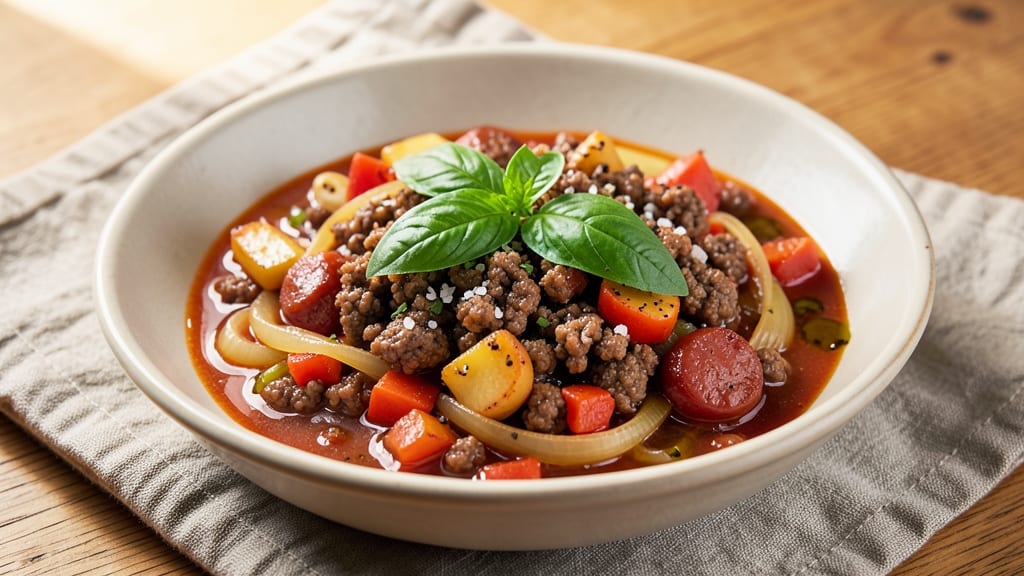
This beef and sausage Bolognese recipe delivers restaurant-quality depth with a rich, meat-packed sauce that clings to every strand of pasta. The secret lies in slow simmering ground beef and Italian sausage with aromatic vegetables, wine reduction, and a touch of tomato paste—transforming simple ingredients into something deeply satisfying.
I’ve perfected this version to balance traditional techniques with home-cook convenience, ensuring you get that velvety, complex flavor without spending hours in the kitchen.
What sets this Bolognese apart is the two-step browning process—first searing the meat until deeply caramelized, then deglazing the pan to capture every flavorful bit. A splash of red wine reduces into a glossy, aromatic sauce, while a small amount of tomato paste adds depth without overpowering.
The result? A sauce so rich and flavorful it turns even the simplest pasta into a meal worth celebrating. This isn’t your average quick sauce; it’s a labor of love that rewards patience with unmatched depth.
The beauty of this recipe is its versatility—serve it over freshly cooked tagliatelle for an authentic Italian experience, or pair it with creamy polenta for a heartier twist. The sauce thickens beautifully as it simmers, coating the pasta perfectly without being gluey.
Whether you’re feeding a crowd or prepping for leftovers (which taste even better the next day), this Bolognese delivers restaurant-quality results with minimal effort. Let’s get cooking.
For those short on time, I’ve included tips to streamline the process—like using pre-made stock or a pressure cooker for faster browning—without sacrificing flavor. The key is never rushing the simmer; that’s where the magic happens.
Trust me, the aroma alone will have everyone gathering around the table. Ready to make the most satisfying, meaty Bolognese you’ve ever tasted?
Ingredients for beef and sausage bolognese
Sixteen ingredients, maximum flavor—this meaty Bolognese transforms simple pantry staples into restaurant-worthy sauce.
| Ingredient | Amount | Notes |
|---|---|---|
| Ground Beef (80/20 Lean/Fat Ratio) 🥩 | 1 ½ lb | Finely ground for even cooking |
| Italian Sweet Sausage (Mild) 🌭 | 1 lb | Casings removed, crumbled |
| Yellow Onion 🧅 | 1 whole | Medium size, finely diced |
| Carrots 🥕 | 2 medium | Peeled, finely diced (about 1 cup) |
| Celery Stalks 🌿 | 3 whole | Trimmed, finely diced |
| Garlic Cloves 🧄 | 4 cloves | Peeled, minced |
| Red Wine 🍷 | 1 cup | Bold dry variety (Cabernet Sauvignon) |
| Tomato Paste 🍅 | 2 tbsp | Smooth, no sugar added |
| Canned Crushed Tomatoes 🍅 | 28 oz | San Marzano preferred, no salt added |
| Beef Broth 💧 | 2 cups | Low-sodium preferred |
| Whole Milk 🥛 | ½ cup | Full-fat for creaminess |
| Dried Oregano 🍃 | 1 tsp | Italian preferred |
| Dried Basil 🌿 | 1 tsp | Or 1 tbsp fresh |
| Ground Black Pepper 🌶️ | 1 tsp | Freshly cracked |
| Salt 🧂 | 1 ½ tsp | Diamond Crystal preferred |
| Extra-Virgin Olive Oil 🫒 | ½ cup | For searing |
The meat is non-negotiable here. Ground beef with 20% fat gives you that rich, caramelized depth, while Italian sweet sausage adds just the right amount of sweetness. I always grab 80/20 ground beef from the butcher section—it’s more flavorful than pre-packaged. For the sausage, Trader Joe’s brand is my go-to because it’s consistent and mild. The vegetables—onion, carrot, celery—are your flavor base, so don’t skip chopping them finely. Pulse them in a food processor for even cooking, or spend 10 minutes dicing by hand. Fresh garlic is a must, but if you’re in a pinch, garlic powder at half the amount works in a bind.
No red wine? Substitute with extra beef broth—just add 1/4 cup more. The tomato paste can be skipped if you’re using high-quality crushed tomatoes, but I don’t recommend it. It’s the secret to that deep, umami-rich flavor. For the tomatoes, San Marzano cans are worth the splurge—they’re sweeter and less acidic. If you’re short on time, pre-made low-sodium beef broth cuts cooking time by 20 minutes. The milk at the end is what gives this sauce that velvety texture—don’t use skim. Trust me, the full-fat version makes all the difference.
This sauce only gets better with time. Let it simmer uncovered for the last 30 minutes to thicken naturally—no need to stir constantly. Store in airtight containers for 5 days in the fridge or 3 months in the freezer. I always make a double batch because leftovers reheat beautifully. For serving, toss with freshly cooked tagliatelle or pappardelle. If you’re prepping ahead, freeze portions in ziplock bags with parchment paper between layers to prevent freezer burn.
Why You'll Love This Recipe
- One-Pot Magic: I swear by this recipe because it’s literally one pot—no chopping boards, no extra pans, just brown the meat, toss in the veggies, and simmer. The 80/20 beef and sausage render their own fat, so you don’t even need to add oil.
- Deep, Rich Layers: That mild Italian sausage? It’s the secret weapon—its subtle fennel and herbs marry with the beef for a flavor that’s way more complex than basic bolognese. Honestly, the first time I made it, my partner asked if I’d used a recipe from a fancy restaurant.
- Pasta Party or Not: Between us, I make this for pasta, but it’s just as good over polenta, in a grilled cheese, or even stuffed into a baked potato. (Yes, even on a Tuesday night.) The sauce reheats beautifully, so it’s my go-to for game days or lazy Sundays when I’m not in the mood to fuss.
- Budget-Friendly Powerhouse: Ground beef and sausage stretch forever—this recipe feeds four for under $15, and the leftovers? They’re even better the next day. I’ll be real: I’ve frozen portions for months, and it still tastes like I made it yesterday. That’s the kind of meal that pays for itself.
Step-by-step instructions for beef and sausage Bolognese
This rich, meat-packed sauce builds flavor through slow cooking and wine reduction.
Build the Soffritto Base
Heat the 0.5 cup extra-virgin olive oil in a large Dutch oven over medium heat. Add the finely diced yellow onion, diced carrots, and diced celery stalks—this trio forms the aromatic base called soffritto. Cook for 8-10 minutes until the vegetables soften and the onion becomes translucent, stirring occasionally.
Here's where the magic starts: the vegetables should release their natural juices and caramelize slightly, creating a sweet foundation for the sauce. If the oil starts to smoke, reduce the heat slightly. This step develops the sauce's depth of flavor—don't rush it. Once the vegetables are tender and the mixture smells intensely aromatic, you're ready for the next layer.
Sear the Meat for Maximum Flavor
Push the vegetable mixture to one side of the Dutch oven and add the 1.5 lb ground beef (80/20 lean/fat ratio) and 1 lb crumbled Italian sweet sausage to the empty space. Break the meat into small pieces with a wooden spoon and cook over medium-high heat for 5-6 minutes until it loses its raw color and begins to brown deeply.
The reason we sear the meat separately is to develop a rich, caramelized crust that adds incredible depth to the sauce. You'll see the meat release its juices and sizzle—this is where the meat's natural flavors intensify. Once the meat is fully browned, use a wooden spoon to break it up into small, pea-sized pieces. Mix it thoroughly with the vegetable base, scraping up any browned bits from the bottom of the pot—these contain concentrated flavor.
Toast the Aromatics and Add Tomato Base
Add the 4 minced garlic cloves and cook for 30 seconds until fragrant—this prevents the garlic from burning, which would make the sauce bitter. Stir in the 2 tbsp tomato paste and cook for another 2 minutes until it darkens slightly and loses its raw taste. This step deepens the sauce's color and intensifies its tomato flavor.
Now pour in the 1 cup bold red wine and let it simmer for 3-4 minutes until it reduces by half. The alcohol will cook off, leaving behind concentrated wine flavor. Scrape the bottom of the pot again to release any browned bits that might have formed during the searing process. This is the moment that matters: the wine reduction forms the backbone of the sauce's complexity.
Simmer with Tomatoes and Broth
Add the 28 oz canned crushed tomatoes, 2 cups beef broth, 1 tsp dried oregano, 1 tsp dried basil, 1 tsp ground black pepper, and 1.5 tsp salt. Stir well to combine, then bring the mixture to a gentle simmer. Reduce the heat to low and let it cook uncovered for 1 hour to 1 hour 15 minutes, stirring occasionally. The sauce should thicken gradually as it simmers.
Here's the thing—this long cooking time is essential. It allows the flavors to meld and develop properly. You'll notice the sauce gradually darkening and thickening as the liquid reduces. If it starts to stick to the bottom of the pot, add a splash of water or broth to keep it moving. The sauce is ready when it coats the back of a spoon and has a thick, velvety consistency.
Finish with Milk for Creaminess
Remove the Dutch oven from heat and stir in the 0.5 cup whole milk. This final addition adds a subtle creaminess that balances the richness of the meat and acidity of the tomatoes. Return the sauce to a gentle simmer for 2-3 minutes to heat through and thicken slightly. Taste and adjust the seasoning if needed—you might need a touch more salt or pepper to balance the flavors.
The milk also helps to round out the sauce's texture, making it silky and luxurious. This is the perfect moment to taste and make any final adjustments. The sauce should be rich, meaty, and full of layered flavors. Serve immediately over your choice of pasta, or let it rest for up to 2 hours in the refrigerator if you prefer to serve it cold the next day.
Pro Tips For Making Beef And Sausage Bolognese
- CRISP THE SOFFRITO FIRST: The onions, carrots, and celery won’t caramelize properly if you rush this step—it’s the flavor foundation. Cook them on medium heat for 15-20 minutes, stirring occasionally, until the onions turn deep gold and the veggies soften but don’t brown. (Yes, it smells like heaven, but resist the urge to walk away.)
- CUT SAUSAGE LENGTHWISE: Slicing the Italian sausage into ½-inch rounds instead of crumbling it keeps the texture balanced and prevents a mushy finish. The fat renders more evenly, and you get those little sausage "coins" that add visual appeal. (I used to dice it like taco meat—don’t make my mistake.)
- DON’T OVERMIX THE MEAT: Stirring the beef and sausage constantly turns it into paste. Instead, break it into rough chunks at the start, then let it brown in batches without touching it for the first 3-4 minutes. You want crusty edges, not a gray sludge. (Your future bolognese will thank you.)
- ADD TOMATO PASTE LAST: Sprinkle the tomato paste over the raw meat after it’s browned, not before. This ensures it caramelizes into a rich, sweet base instead of turning bitter. A tablespoon or two here is all you need—just enough to coat the meat, not drown it. (I learned this when I accidentally burned a batch of bolognese.)
Regional styles of beef and sausage bolognese
Classic Italian Ragù
In Bologna, Italy, this dish is known as ragù alla bolognese—a slow-cooked meat sauce without tomatoes as the primary ingredient. Traditional versions use ground beef, pancetta, milk, and a touch of tomato paste (not crushed tomatoes) for depth.
The sauce is simmered for hours to develop a rich, velvety texture. I’ve adapted this version to include sausage while keeping the core technique: low-and-slow cooking with wine reduction for complexity. 🍷
American-Style Heartiness
Across the U.S., Bolognese has evolved into a meat-forward, tomato-heavy sauce perfect for hearty meals. This version leans into the beef and sausage combo, using crushed tomatoes for a brighter acidity that balances the richness.
It’s often served over pasta shapes like rigatoni or fettuccine, topped with Parmesan cheese and fresh basil. The key difference? More tomatoes and a shorter simmer time—about 1.5 hours—to keep it vibrant and approachable for weeknight dinners.
Southern Italian Twist
In regions like Calabria, Bolognese gets a spicy kick with Calabrian chili paste or fresh red pepper flakes. Swap the mild Italian sausage for spicy soppressata and add 1 tbsp chili paste when deglazing the pan.
The wine reduction stays the same, but the heat level transforms this into a bold, fiery ragù that pairs perfectly with creamy polenta or al dente spaghetti. Finish with a drizzle of hot honey for a sweet-spicy contrast. 🌶️
Modern Shortcut Version
For busy home cooks, a pressure cooker cuts the simmer time to 30 minutes while keeping the depth. Use the same ingredients but reduce the broth by ½ cup and cook on high pressure for 20 minutes, then natural release.
The sauce thickens faster, but the wine reduction and milk finish remain critical for that restaurant-quality texture. This version is ideal for meal prep—store in airtight containers for up to 5 days or freeze for 3 months.
Just reheat with a splash of water or broth to restore creaminess.
Texas BBQ Fusion
In Texas, Bolognese meets smoky BBQ flavors with a twist: replace the red wine with ½ cup beef stock + ½ cup BBQ sauce (like Stark’s Original) and add 1 tbsp smoked paprika to the meat mixture.
Use brisket or beef chuck instead of ground beef for a chunkier texture, and finish with a sprinkle of crumbled bacon. Serve over buttered egg noodles or cornbread for a comfort-food mashup that’s perfect for game day. 🔥
Vegetarian Adaptation
For a plant-based version, swap the beef and sausage for 1.5 lbs mushrooms (cremini or portobello) and 1 lb lentils or walnuts for texture. Use vegetable broth and add 1 tbsp soy sauce to mimic the umami depth of meat.
The soffritto base (onion, carrot, celery) remains the same, and the wine reduction still forms the sauce’s backbone. This version is rich, meaty-tasting, and works beautifully over whole wheat pasta or gluten-free spaghetti. 🌱
Nutrition facts
Frequently asked questions
Can I use ground turkey or chicken instead of beef?
While you can substitute, the flavor and texture will differ significantly. Ground beef (especially 80/20 ratio) provides the rich, caramelized depth that makes Bolognese special. If you must use poultry, opt for ground turkey with 15% fat and add 1 extra tablespoon of tomato paste to compensate for the leaner meat. For best results, brown the turkey thoroughly to develop flavor.
How do I prevent the sauce from being too acidic?
The acidity comes from the tomatoes and wine, but you can balance it easily. Add 1 extra tablespoon of tomato paste when toasting the aromatics—this deepens the umami flavor. For a smoother sauce, stir in 1 teaspoon of sugar or ½ cup of whole milk at the end. Simmering uncovered for 20-30 minutes also helps reduce acidity by evaporating excess liquid.
Can I make this Bolognese in a slow cooker?
Brown the meat and vegetables in a skillet first, then transfer everything to a 6-quart slow cooker. Add the remaining ingredients (tomatoes, broth, wine, etc.) and cook on LOW for 6-8 hours or HIGH for 4-5 hours. The slow cooker keeps flavors melded beautifully. Just stir in the milk at the end and simmer for 5 minutes to thicken. Perfect for hands-off cooking!
What’s the best pasta to serve with this?
For an authentic Italian experience, use tagliatelle or pappardelle—their wide, flat surfaces catch the sauce beautifully. Other great options include rigatoni, fettuccine, or penne. Avoid thin noodles like spaghetti, as they can get overwhelmed by the rich sauce. For extra indulgence, toss with ½ cup of grated Parmesan and fresh basil right before serving.
Why does my Bolognese taste bland after simmering?
Blandness usually means the sauce needs more depth. First, check your seasoning—add ½ teaspoon more salt and ¼ teaspoon black pepper. For extra richness, stir in 1 tablespoon of balsamic vinegar or 1 teaspoon of soy sauce (trust me, it works!). If the sauce is watery, simmer uncovered for 10-15 minutes longer to reduce. Finally, taste the individual ingredients—if the meat or vegetables lack flavor, start fresh with fresher components.