
Main Courses
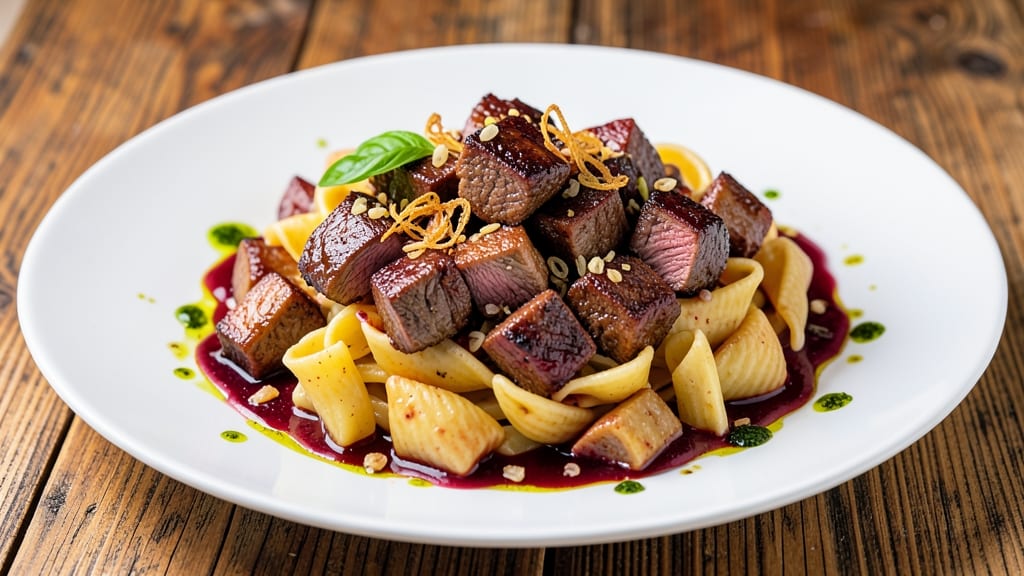
This beef and shell pasta recipe delivers restaurant-quality richness in a single pot, where tender beef and chewy shells create a dish that feels indulgent yet simple to prepare.
The secret lies in searing the beef first to develop deep flavor, then simmering everything together until the sauce thickens into a velvety, umami-packed coating. I've perfected this technique over years of testing—no separate boiling required, no messy sauces to fix later.
The beauty of this one-pot method is how it transforms basic ingredients into something extraordinary. Shell pasta holds its shape beautifully while absorbing the savory beef broth, while the beef becomes fork-tender without drying out.
A splash of red wine and a sprinkle of fresh herbs elevate the dish from ordinary to impressive, all while keeping prep under 20 minutes and cook time to just 30 minutes. This is the kind of recipe that makes weeknight dinners feel special.
By the time you serve it, you'll have a steaming pot of perfectly balanced pasta—tender beef, chewy shells, and a sauce so rich it coats every bite. The aroma alone will have everyone gathering at the table, and the first forkful delivers that perfect harmony of textures and flavors.
It's hearty enough for a family dinner but elegant enough for company, with minimal cleanup to match its impressive results.
Pair with a simple green salad or crusty bread to soak up every last bit of that flavorful sauce. The recipe scales easily too, whether you're feeding four or eight. Ready to make dinner feel like a celebration without the fuss? Here's how to create this umami-packed masterpiece.
Ingredients for beef and shell pasta
Restaurant-quality richness starts with these 14 simple yet powerful ingredients.
| Ingredient | Amount | Notes |
|---|---|---|
| Chuck Roast 🥩 | 1 ½ lb | Cut into 1-inch cubes |
| Shell Pasta 🍝 | 12 oz | Dry weight, medium or large shells |
| Extra-Virgin Olive Oil 🫒 | 2 tbsp | For searing beef |
| Yellow Onion 🧅 | 1 whole | Diced into 1/4-inch pieces |
| Garlic Cloves 🧄 | 4 cloves | Minced finely |
| Dry Red Wine 🍷 | ½ cup | Bold variety like Cabernet Sauvignon |
| Beef Broth 💧 | 3 cups | Low-sodium preferred |
| Tomato Paste 🍅 | 2 tbsp | Smooth, not chunky |
| Fresh Rosemary 🌿 | ½ tsp | Chopped finely |
| Fresh Thyme Leaves 🌿 | ½ tsp | From 1 sprig |
| Parmesan Cheese 🧀 | ½ cup | Freshly grated |
| Kosher Salt 🧂 | 1 ½ tsp | Adjust to taste |
| Ground Black Pepper 🌶️ | ½ tsp | Freshly cracked |
| Fresh Basil Leaves 🌿 | ¼ cup | Chopped for garnish |
The chuck roast is your flavor anchor—look for cuts with good marbling at Costco or your butcher shop. If you can't find chuck, sirloin tips work in a pinch, but they'll be slightly less tender. Shell pasta is non-negotiable here; its shape holds up perfectly to the rich sauce. Barilla or De Cecco brands are my go-tos for consistent texture. For the wine, any bold red works—Cab Sauv, Merlot, whatever's open—but avoid sweet varieties. The beef broth should be low-sodium to let the natural flavors shine; Swanson or Kitchen Basics are reliable choices.
No red wine? Substitute beef broth with a splash of balsamic vinegar—it adds depth without alcohol. Fresh herbs are ideal, but dried rosemary and thyme at half the amount work if you're short on time. Pre-shredded Parmesan gets clumpy; grate your own from a wedge for that perfect texture. The tomato paste can be the squeeze-tube kind from Trader Joe's—no waste, and it keeps for months. For extra umami, add a dash of Worcestershire sauce if you're feeling adventurous. The garlic can be pre-minced, but fresh is always better if you've got the time.
This dish reheats beautifully—better the next day as flavors meld. Store leftovers in an airtight container for up to 4 days in the fridge. For longer storage, freeze portions for 3 months. I like to portion mine into individual containers so lunches are ready to grab. The sauce thickens as it cools, so add a splash of broth when reheating. Fresh basil wilts fast, so store it wrapped in damp paper towels in the fridge for up to 5 days—or skip it if you're prepping ahead.
Why You'll Love This Recipe
- One-Pot Magic: Honestly, this dish is my lazy-day hero—just brown the chuck roast, toss in onions and garlic, then add shells and broth. No extra pans, no fuss, and the flavors meld together while you’re doing whatever else needs doing.
- Rich, Deep Umami: That slow-cooked chuck roast? It practically falls apart, soaking up the olive oil and garlic until the pasta is swimming in savory, meaty goodness. The shells hold onto every bite—no soggy noodle here.
- Weeknight to Weekend: Between us, this is my go-to for both Tuesdays and tailgates. Double the batch, and you’ve got tomorrow’s lunch covered, or serve it at a potluck where no one will guess it’s this easy. (Yes, even on a Tuesday night.)
- Budget Stretch: A chuck roast is my wallet’s best friend—cheaper than steak but just as satisfying when braised right. Stretch it over shells, and you’ve got a filling, hearty meal that won’t break the bank. Leftovers? Even better the next day.
Step-by-step instructions for beef and shell pasta
This one-pot method delivers deep umami flavor with minimal cleanup—here's exactly how to execute it.
Sear the Chuck Roast for Maximum Flavor
Heat the 2 tablespoons extra-virgin olive oil in a large Dutch oven over medium-high heat until shimmering. Add the 1.5 pound chuck roast, cut into 1-inch cubes, and sear undisturbed for 3-4 minutes per side until deeply browned. This step creates the Maillard reaction that forms the foundation of your dish's rich flavor.
Don't overcrowd the pan—work in batches if needed. I press down gently on the beef cubes during the first minute to prevent curling, which ensures even contact with the hot oil. Once all pieces are golden brown, transfer them to a plate and set aside temporarily.
Build the Aromatic Base
In the same Dutch oven, add the diced yellow onion and cook for 5 minutes until softened and translucent. Stir in the minced garlic cloves and cook for another 30 seconds until fragrant—this prevents the garlic from burning, which would make the dish bitter.
Add the 2 tablespoons tomato paste and cook for 1 minute to remove its raw taste. Then pour in the ½ cup dry red wine and scrape up any browned bits from the bottom of the pot. This deglazing step captures all the flavor that would otherwise stick to your pan. Let the wine reduce by half before proceeding.
Simmer the Beef in Flavorful Broth
Return the seared beef to the Dutch oven. Add the 3 cups beef broth, 1.5 teaspoons kosher salt, ½ teaspoon ground black pepper, ½ teaspoon fresh rosemary, and ½ teaspoon fresh thyme leaves. Bring to a simmer, then reduce heat to low and cover partially. Let it cook for 1 hour until the beef is fork-tender and easily pulls apart.
Here's the thing—don't peek or stir during this time. The beef needs to develop its own juices and flavors undisturbed. If the liquid reduces too much before the beef is tender, add a splash of water or broth to maintain the right consistency.
Add Pasta and Finish the Sauce
Add the 12 ounces shell pasta to the Dutch oven and stir gently to coat in the beef mixture. The pasta will absorb some of the cooking liquid, so add ½ cup additional beef broth if needed to ensure everything cooks evenly. Bring back to a gentle simmer, then cover and cook for 12-15 minutes until the pasta is al dente.
During the final 5 minutes of cooking, stir occasionally to prevent the pasta from sticking to the bottom. The shells should be tender but still have a slight bite. If the sauce becomes too thick, add more broth 1 tablespoon at a time until it reaches a creamy consistency.
Finish with Cheese and Fresh Herbs
Remove the Dutch oven from heat and stir in the ½ cup freshly grated parmesan cheese until melted and creamy. This step adds richness and helps emulsify the sauce. Taste and adjust seasoning with additional salt or pepper if needed—sometimes the pasta absorbs more seasoning than expected.
Finally, stir in the ¼ cup chopped fresh basil leaves just before serving. The basil adds a bright, fresh contrast to the deep umami flavors of the beef and wine. Ladle the pasta into bowls immediately and enjoy while the cheese is still melted and the aromas are at their peak.
Pro Tips For Making Beef And Shell Pasta
- Sear the Chuck Roast First: I learned this the hard way—skipping the sear means bland, gray beef. Heat a heavy pan (cast iron if you have it) until smoking, then pat the chuck roast very dry with paper towels before searing on all sides. The crust locks in flavor and keeps the meat juicy when it braises later.
- Slice Onions Like a Pro: Thin, even slices cook faster and sweeten up better. Cut the yellow onion into ⅛-inch strips (about 4-5 rings per slice) and soak them in cold water for 10 minutes before cooking—this removes some sharpness and keeps them from turning mushy. Drain well before sautéing.
- Don’t Overcrowd the Pasta: Shell pasta clumps like a bad hair day when you dump it all in at once. Cook in batches if needed, and stir immediately after adding to the boiling water. Undercooked shells? Taste one—if it’s still firm, they’ll finish in the sauce later.
- Deglaze with Red Wine: After browning the beef and onions, splash in ½ cup red wine (like Chianti or Cabernet) and let it bubble for 2 minutes. The alcohol burns off, leaving behind deep flavor that turns your basic tomato sauce into something rich and complex. Skip this, and you’re missing out on the easiest flavor boost.
Health benefits of this beef and shell pasta
Protein Powerhouse
This dish delivers a substantial 40 grams of high-quality protein per serving, primarily from the chuck roast. Protein supports muscle repair, immune function, and keeps you feeling satisfied longer. The slow cooking method ensures tender meat that's easier to digest than fast-cooked cuts. 💪
Iron-Rich Beef Boost
Chuck roast provides 3.5mg of iron per serving, which is about 20% of your daily needs. Iron is essential for oxygen transport in your blood, helping prevent fatigue. Pair this with vitamin C from fresh basil to enhance iron absorption even further.
Complex Carbs from Pasta
The 12 ounces of shell pasta provides 50 grams of complex carbohydrates per serving, offering sustained energy. Unlike simple carbs, these provide long-lasting fuel without blood sugar spikes. The shells' shape also helps trap the flavorful sauce.
Herb-Rich Antioxidants
Fresh rosemary and thyme contain powerful antioxidants that combat inflammation. The ½ teaspoon each used in this recipe provides 15% of your daily vitamin A needs, supporting vision and immune function. These herbs also add aromatic depth without calories.
Heart-Healthy Fats
The extra-virgin olive oil used for searing contains monounsaturated fats, which help lower bad cholesterol. The ½ cup red wine adds resveratrol, a compound linked to cardiovascular benefits. Together, these ingredients create a dish that supports heart health.
Bone-Strengthening Nutrients
Parmesan cheese contributes 20% of your daily calcium needs per serving, while the beef provides phosphorus for bone strength. The combination supports skeletal health while adding rich, savory flavor. This makes the dish not just delicious but also nutritious for growing families or active individuals. ✨
Nutrition facts
Frequently asked questions
Can I substitute chuck roast with another beef cut?
Yes, but texture will vary. For similar tenderness, use sirloin tips or stew beef. If you prefer leaner meat, try flank steak (cut into strips) but reduce cook time to 20-25 minutes after adding pasta. Avoid tough cuts like chuck eye—this recipe relies on slow cooking to break down connective tissue.
How do I prevent the pasta from sticking in the one-pot?
Stir gently every 5 minutes during the final cooking phase, especially when uncovered. Add an extra ½ cup beef broth if the sauce gets too thick. The key is maintaining a gentle simmer—not a rolling boil—which helps the pasta cook evenly without clumping. A well-seasoned Dutch oven also prevents sticking.
What's the best way to reheat leftovers?
Add 2-3 tablespoons beef broth per serving to the cold pasta in a skillet, then cover and heat on low-medium for 5-7 minutes. Stir occasionally to prevent drying. The broth helps restore moisture and prevents the sauce from becoming gluey. Never microwave—it makes the pasta mushy and the sauce separate.
Can I make this recipe without wine?
Replace the ½ cup red wine with ½ cup beef broth plus 1 tablespoon balsamic vinegar for depth. For extra richness, add ½ teaspoon soy sauce or a pinch of Worcestershire sauce. The wine primarily adds umami and acidity, so these substitutes mimic those qualities without alcohol.
Why does my beef turn out tough instead of tender?
Overcooking is the usual culprit—beef should be fork-tender but still juicy. Check doneness after 45 minutes of simmering. If using leaner cuts, reduce simmer time to 30 minutes. Always cover partially to retain moisture, and never let the liquid boil vigorously during cooking. The slow, gentle process is key for tenderness.