
Soups & Stews
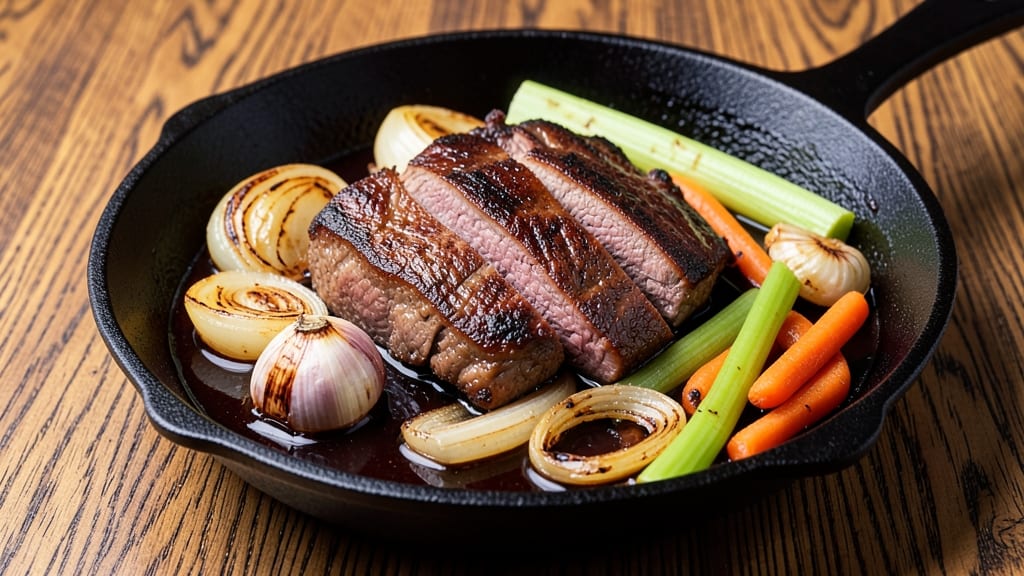
This beef and stout recipe transforms tough cuts into melt-in-your-mouth perfection, where deep malty stout infuses every bite with rich, caramelized depth. The secret lies in slow-braising beef with aromatic roots and a stout base, creating a sauce so velvety it clings to every forkful.
I developed this after years of experimenting with braising techniques, and the stout isn't just a flavor enhancer—it's the backbone of the dish, adding complexity that store-bought gravies can't match.
The process is straightforward but requires patience: sear the beef first for a flavorful crust, then braise until tender while vegetables caramelize into sweet, jammy perfection. The stout reduces into a glossy, slightly sweet sauce that balances the beef's richness with just the right bitterness.
This isn't just another stew—it's a restaurant-quality meal that feels like a hug in a bowl, perfect for chilly evenings when you crave something hearty yet refined.
By the time you're done, you'll have perfectly tender beef with a sauce so rich it practically melts on your tongue, all enhanced by the stout's malty notes. The caramelized onions and root vegetables add layers of sweetness and texture, making each bite a symphony of flavors.
Serve with crusty bread to soak up every last drop of that luxurious sauce—this is comfort food elevated to an art form.
Whether you're feeding a crowd or treating yourself to a special dinner, this recipe delivers results that will have everyone asking for seconds. The stout's depth makes it versatile enough for weeknight dinners or holiday feasts, while the technique is simple enough for home cooks to master.
Here's how to bring this rich, satisfying dish to your table.
Ingredients for beef and stout
Six hearty ingredients plus a few pantry staples create this rich, malty masterpiece.
| Ingredient | Amount | Notes |
|---|---|---|
| Beef Chuck Roast 🥩 | 3 lb | Tough cut for braising, pre-cut if possible |
| Dark Stout Beer 🍺 | 2 cups | Guinness or similar malty variety |
| Yellow Onions 🧅 | 2 whole | Yellow or red, sliced thick |
| Carrots 🥕 | 3 whole | Large carrots, cut into chunks |
| Celery Stalks 🧆 | 3 whole | Cut into 1-inch pieces |
| Garlic Cloves 🧄 | 6 cloves | Peeled, smashed slightly |
| Tomato Paste 🍅 | ½ cup | Smooth, not chunky |
| Beef Broth 💧 | 2 cups | Low-sodium preferred |
| Olive Oil 🫒 | 2 tbsp | For searing beef |
| All-Purpose Flour 🌾 | 2 tbsp | For dusting beef |
| Fresh Thyme 🌿 | 2 sprigs | Or 1 tsp dried thyme |
| Fresh Rosemary 🌿 | 1 sprig | For aroma, remove before serving |
| Bay Leaves 🌿 | 2 whole | Remove before serving |
| Salt 🧂 | 1 ½ tsp | Kosher or sea salt |
| Black Peppercorns 🌶️ | 1 tsp | Freshly cracked |
The beef is non-negotiable—chuck roast with good marbling gives that fall-apart texture. Costco or Whole Foods usually have it pre-cut, but if you're buying whole, ask the butcher to trim excess fat. The stout? Guinness is ideal, but any dark stout with caramel and coffee notes works. I always grab a backup bottle—this recipe drinks it down fast. For the veggies, don't peel the carrots unless you're feeling fancy; the skin adds texture. The onions should be yellow or red—they caramelize better than sweet varieties.
No dark stout? Substitute with 1 cup beef broth plus 1 tbsp molasses—it mimics the malty sweetness. Fresh thyme and rosemary are ideal, but dried works at half the amount. If tomato paste feels like overkill, skip it and add 1 extra cup of broth. The flour is just for dusting—don't skip it though, it helps the beef brown. For the garlic, I like to smash the cloves slightly with the flat side of my knife—it releases more flavor. And if you're using pre-cut beef, give it a quick rinse to remove any excess blood that might make the broth cloudy.
This dish tastes even better the next day—plan ahead. The sauce thickens as it cools, so add a splash of stout or broth if it gets too stiff. Keeps for 5-6 days in the fridge, freezes beautifully for 3 months. I always make double batches because it reheats like a dream. For serving, crusty bread is mandatory—it soaks up that rich sauce like a champ. And save those bay leaves and rosemary stems for your next pot of beans; they've still got flavor left in 'em.
Why You'll Love This Recipe
- One-Pot Magic: That’s right—just toss the beef, onions, carrots, and celery into a Dutch oven with the stout, add a splash of water, and let it slow-cook. No chopping like a pro, no fancy techniques, and the beer does all the heavy lifting while you sip wine (or more stout).
- Deep Umami Bomb: The dark stout isn’t just a liquid—it’s the secret weapon. That roasted maltiness caramelizes into the beef, turning tough chuck into melt-in-your-mouth perfection. Between us, the first bite makes you question why you ever bought pre-made gravy.
- Weeknight to Weekend: Make it for a lazy Tuesday, then reheat the leftovers for a game-day spread. The flavors actually get better the next day, and it’s the kind of dish that impresses when you serve it to guests—no last-minute stress.
- Budget Beef Boost: Chuck roast is cheap, and a six-pack of stout stretches further than you’d think. Honestly, this recipe turns $10 of ingredients into a meal that feels like a splurge. My wallet thanks me every time.
Step-by-step instructions for beef and stout braise
Here's how to transform tough beef into melt-in-your-mouth perfection using the rich depth of stout beer.
Sear the Beef Chuck Roast for Maximum Flavor
Pat the 3 lb Beef Chuck Roast thoroughly dry with paper towels—this ensures a proper sear. Heat 2 tablespoons Olive Oil in a large Dutch oven over medium-high heat until shimmering. Place the roast fat-side down and sear for 8-10 minutes, pressing down gently with a spatula to prevent curling. Flip and sear the other side for another 6-8 minutes until deep golden brown.
While the roast sears, you'll notice the fat rendering out and creating a rich, caramelized crust. This step builds the foundation for your braise—don't rush it. If the pan gets too crowded, work in batches to maintain proper heat. The goal is to develop that beautiful Maillard reaction that creates deep flavor.
Sauté the Caramelized Vegetable Base
Remove the seared roast and set it aside. In the same Dutch oven, add 2 tablespoons All-Purpose Flour and stir to coat the browned bits on the bottom. This creates a roux that will thicken your braising liquid. Immediately add the sliced 2 whole Yellow Onions, 3 whole Carrots cut into chunks, and 3 whole Celery Stalks cut into 1-inch pieces.
Cook the vegetables over medium heat for 8-10 minutes, stirring occasionally, until they begin to soften and develop color. The onions should turn translucent while the carrots and celery develop a slight caramelization. This aromatic vegetable base forms the flavor backbone of your dish. Add the 6 cloves Garlic Cloves (smashed slightly) and cook for another 30 seconds until fragrant.
Deglaze and Build the Braising Liquid
Pour in the 2 cups Dark Stout Beer, scraping up all the browned bits from the bottom with a wooden spoon. Let it simmer for 3-4 minutes until reduced by about half. The beer should smell rich and malty—this is where the deep, caramelized flavors develop. Stir in the 0.5 cup Tomato Paste and cook for another 2 minutes until it darkens slightly.
Add the 2 cups Beef Broth, 2 sprigs Fresh Thyme, 1 sprig Fresh Rosemary, 2 whole Bay Leaves, 1.5 teaspoons Salt, and 1 teaspoon Black Peppercorns. Return the roast to the pot, fat-side up. The liquid should come about halfway up the roast—if not, add a splash of water or broth. Bring to a gentle simmer, then reduce heat to maintain a bare bubble at the surface.
Braise Until Fork-Tender Perfection
Cover the Dutch oven and transfer to a 325°F oven. Braise for 2.5-3 hours until the beef is fork-tender. The meat should pull apart easily when tested with a fork, and the juices should run clear. Real talk: this is where patience pays off—don't peek or stir the roast during cooking, as this can make it tough.
About 30 minutes before the beef is done, skim any excess fat that rises to the surface. This helps create a cleaner sauce. The vegetables should be completely tender, and the liquid should have reduced to a rich, velvety consistency. If the liquid reduces too much before the beef is done, add a splash of water or broth to maintain proper braising conditions.
Rest and Serve with Rich Stout Sauce
Remove the roast from the pot and let it rest on a cutting board for 15-20 minutes. This resting period allows the juices to redistribute throughout the meat. Meanwhile, discard the Fresh Rosemary and Bay Leaves, then strain the braising liquid if you prefer a smoother sauce. Return the roast to the pot and heat gently to warm through.
Slice the beef against the grain into ¼-inch thick slices and serve with the rich stout sauce spooned over the top. Each bite should deliver tender beef with deep malty flavors from the stout, sweet caramelized vegetables, and a velvety sauce. This dish tastes even better the next day, so consider making extra for leftovers!
Pro Tips For Making Beef And Stout
- SEAR THE ROAST FIRST: I learned this the hard way—skipping the sear means flavor hiding in the sauce instead of the meat. Get that chuck roast screaming hot in a dry pan for 3-4 minutes per side before deglazing with the stout. The crust locks in juices and turns the beer into a rich, caramelized base.
- CHOP VEGETABLES UNIFORM: Big onion chunks or lumpy celery won’t soften evenly, leaving you with a mushy stew. Cut everything—onions, carrots, celery—into ½-inch dice. Yes, it takes 10 minutes, but your future self won’t be fishing for crunchy bits.
- DON’T BOIL THE BEER: After burning three batches, I finally figured out: stout beer simmers, it doesn’t boil. Let it bubble gently—just enough to release aroma—so it doesn’t turn into bitter, hoppy sludge. Low and slow keeps the malt sweet and complex.
- USE COLD BEER: Sounds weird, but it works: pour cold stout into the pot instead of hot. The sudden temperature drop slows down alcohol evaporation, preserving more flavor in the sauce. (Your future self will thank you.)
Make-ahead tips for beef and stout
Prep Ahead for Flavor
Chop all your vegetables the night before and store them in a sealed container in the fridge. The onions, carrots, and celery will soften slightly, making them caramelize even faster when you cook them.
I always pre-measure my spices and herbs too—just toss them into a small bowl so they're ready to go when you need them. This saves 20 minutes of prep time on cooking day. 🌟
Stout Sauce Prep
Make the stout reduction separately up to 3 days ahead—simmer 2 cups dark stout with 0.5 cup tomato paste and 1 cup beef broth until reduced by half. Store it in an airtight container in the fridge.
When you're ready to braise, just reheat it gently and add the fresh herbs. This shortcut doesn't sacrifice flavor, and it lets you focus on searing the beef perfectly. 🍺
Beef Prep Shortcut
Buy pre-cut beef chuck roast from Costco or Whole Foods to save 15 minutes of butchering time. If you're feeling extra efficient, sear the beef the night before and refrigerate it uncovered.
This helps develop even more crust flavor overnight—just finish braising the next day. I've done this with great results, and it makes the final dish taste like it simmered all day. 🥩
Make-Ahead Braising
This dish actually tastes better the next day, so braise it completely ahead of time and refrigerate. Reheat gently in the Dutch oven over low heat with a splash of stout or broth to loosen the sauce.
I often make this on Sunday for 4-5 days of easy lunches or dinners—just reheat and serve. The flavors deepen as the stout mellows, creating a richer, more complex sauce. ❄️
Freezer-Friendly Leftovers
For long-term storage, freeze the braised beef and sauce in a single container. It keeps for up to 3 months without losing quality. When ready to eat, thaw overnight in the fridge, then reheat gently on the stovetop.
The sauce will thicken slightly after freezing—just add a splash of stout or broth to restore its velvety consistency. This makes it perfect for meal prep or holiday leftovers. 💫
Stout Substitutes
If you're prepping ahead without stout, substitute with 1 cup beef broth plus 1 tbsp molasses for the malty sweetness. For the full flavor experience, though, I recommend using the real thing.
The stout's depth is what makes this dish special—it's worth the effort to find a good dark stout like Guinness or Samuel Adams Black Lager for the best results. 💡
Nutrition facts
Frequently asked questions
Can I use any type of beer in this recipe?
A dark stout is ideal because its malty, caramelized notes complement the beef beautifully. However, you can substitute with 1 cup beef broth plus 1 tbsp molasses if needed. Avoid light beers—they lack the depth to stand up to the rich beef flavors. For best results, choose a stout like Guinness or Samuel Adams Black Lager.
How do I know when the beef is fully tender?
The beef is ready when it easily pulls apart with a fork and the juices run clear. Test it about 30 minutes before the estimated 3-hour cooking time. If it's not tender enough, return it to the oven for another 30-45 minutes covered. Never rush this step—patience ensures melt-in-your-mouth perfection.
Why does the recipe call for a Dutch oven?
A Dutch oven's heavy construction helps distribute heat evenly, creating a perfect braising environment. The tight lid traps steam, which tenderizes the beef while caramelizing the vegetables. If you don't have one, use a heavy pot with a tight-fitting lid—just monitor the liquid level more closely to prevent evaporation.
Can I make this recipe in a slow cooker?
Sear the beef first, then transfer everything to a slow cooker and cook on low for 7-8 hours or high for 4-5 hours. The slow cooker's gentle heat works perfectly for this dish. Just add ½ cup extra stout or broth to account for evaporation, and skip the oven step entirely.
What's the best way to reheat leftovers?
Reheat gently in the Dutch oven over low heat with a splash of stout or broth to loosen the sauce. For microwave reheating, cover with a damp paper towel and heat in 30-second intervals, stirring between each. The sauce will thicken slightly after refrigeration—just add a splash of liquid to restore its velvety consistency.