
Soups & Stews
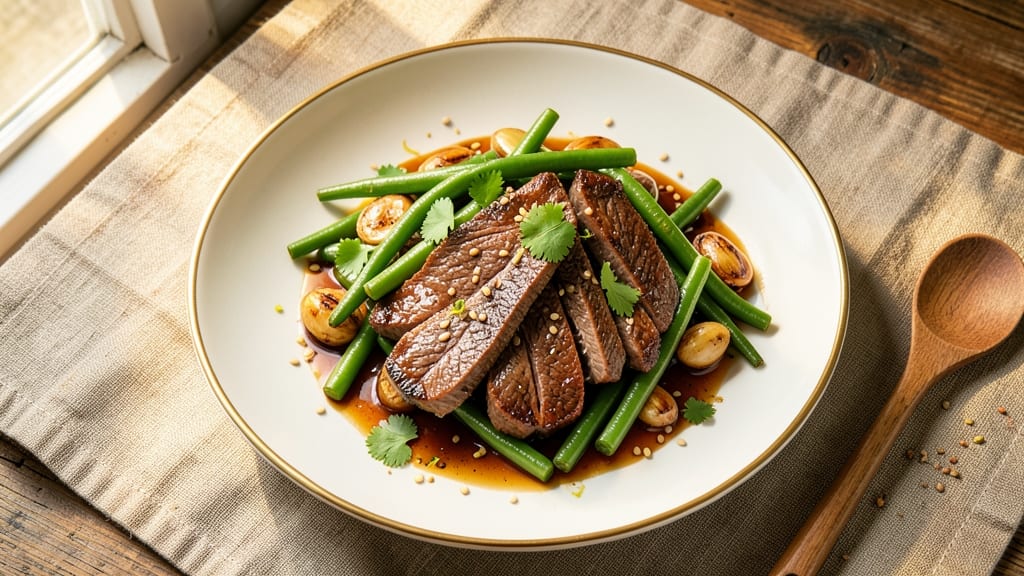
This beef and string bean stir fry delivers crisp-tender beef and vibrant green beans in a savory wok technique that transforms simple ingredients into a restaurant-quality meal.
The secret lies in high-heat searing for beef that stays juicy while developing a caramelized crust, paired with string beans that blanch just enough to maintain their signature snap. I've perfected this balance over countless weeknight dinners—where quick, flavorful meals matter most.
What sets this recipe apart is the two-stage cooking process: first searing the beef until deeply browned, then quickly stir-frying with garlic, ginger, and soy sauce to lock in those rich flavors.
The string beans get a brief blanch in boiling water before joining the wok, ensuring they stay crisp-tender rather than soggy. This method preserves both texture and nutrients, making it as healthy as it is delicious.
By the time you plate this dish, you'll have perfectly seared beef strips with a glossy sheen from the sauce, surrounded by bright green beans that hold their shape yet yield slightly to each bite.
The aroma alone—garlic, ginger, and soy—will have everyone gathering around the table. The sauce clings to every piece, creating a harmonious balance of savory, slightly sweet, and umami-rich flavors.
This stir fry comes together in under 30 minutes, making it ideal for busy weeknights or meal prep. Serve it over steamed rice for the full experience, or enjoy it as-is for a protein-packed vegetarian option.
The technique is simple enough for beginners but delivers professional results that will impress even the most discerning eaters.
Ingredients for beef and string bean stir fry
Fourteen ingredients transform into a restaurant-worthy stir fry with crisp-tender beef and vibrant green beans.
| Ingredient | Amount | Notes |
|---|---|---|
| Flank Steak 🥩 | 1 ½ lb | Thinly sliced against the grain |
| String Beans 🥦 | 1 ½ lb | Trimmed and cut into 2-inch pieces |
| Garlic Cloves 🧄 | 6 cloves | Minced for aromatic depth |
| Fresh Ginger 🌿 | 2 tbsp | Finely grated, peeled |
| Soy Sauce 🍶 | ½ cup | High-quality, low-sodium preferred |
| Sesame Oil 🫒 | 1 tbsp | Toasted for nutty aroma |
| Honey 🍯 | 1 tbsp | Light, for subtle sweetness |
| Cornstarch 🌾 | 1 tbsp | For tenderizing beef strips |
| Vegetable Oil 🫒 | ½ cup | High smoke point for searing |
| Green Onions 🧅 | 4 whole | Sliced thinly for garnish |
| Sesame Seeds 🌰 | 1 tbsp | Toasted, for crunchy texture |
| Diamond Crystal Kosher Salt 🧂 | 1 ½ tsp | For seasoning and balance |
| Ground Black Pepper 🌶️ | ½ tsp | Freshly cracked for heat |
| Rice Vinegar 🍶 | 1 tbsp | For brightness and acidity |
The flank steak is non-negotiable for this dish—its lean yet tender texture holds up perfectly to the high-heat searing. Look for grass-fed options at Whole Foods or your local butcher for superior marbling, though standard supermarket flank steak works fine. Slice it against the grain (about 1/4-inch thick strips) to ensure tenderness. Costco often carries pre-sliced flank steak, saving you prep time. For string beans, farmers market varieties have the best snap, but grocery store string beans trimmed and cut into even 2-inch pieces work just as well. Avoid pre-cut mixes—they often include tougher ends.
No flank steak? Sirloin or ribeye sliced thinly will work, though they may yield slightly more fat. Substitute snap peas or snow peas for string beans if needed—just trim and halve them. The soy sauce should be high-quality; Kikkoman or Lee Kum Kee are reliable brands. For a gluten-free option, use tamari. Fresh ginger and garlic are ideal, but if you're using dried, reduce to half the amount—fresh has far more impact. The sesame oil is for aroma only; add it at the very end to preserve its delicate flavor. Toast your sesame seeds in a dry pan for 30 seconds until fragrant—that nutty aroma elevates the dish.
Prep the string beans first—they blanch in 30 seconds before joining the wok, so have a bowl of ice water ready to stop the cooking. The beef strips should rest in the fridge for at least 30 minutes before cooking to prevent over-searing. Store leftovers in an airtight container for up to 4 days—they reheat beautifully, though the texture may soften slightly. For meal prep, portion into individual containers with a sprinkle of sesame seeds on top; they stay fresh for 3 days in the fridge or 2 months frozen. The sauce thickens as it cools, so add a splash of water if needed when reheating.
Why You'll Love This Recipe
- One-Pan Magic: I swear by this for nights when I’m too tired to wash dishes. Sear the flank steak in the same pan you’ll stir-fry the string beans—no extra pots, no stress. Just one pan, one spatula, and you’re done.
- Umami Bomb: That combo of soy sauce, garlic, and ginger? It’s like a flavor grenade in the best way. The beef stays juicy with just a hint of caramelized crust, and the string beans soak up all the savory goodness without overpowering it.
- Lunchbox Hero: Between us, this is my go-to for meal prep. Double the batch, let it cool, and pack it in containers for days. The flavors only get better the next day—honestly, my coworkers ask for it every time I bring it in.
- Budget Power Move: Flank steak stretches far, and string beans are cheap as chips. I can feed four people for under $15, and there’s still leftovers for my lazy Sunday lunch. Plus, it’s one of those rare meals where the ingredients actually matter—no fancy shortcuts needed.
Step-by-step instructions for savory wok technique with crisp-tender beef
Master this stir-fry method for perfectly tender beef and vibrant string beans every time.
Prep the Beef for Maximum Tenderness
Slice the 1.5 lb flank steak thinly against the grain into ¼-inch thick strips. This is critical—cutting against the grain shortens the muscle fibers, ensuring each bite is fork-tender. Transfer the sliced beef to a bowl and add the 1 tbsp cornstarch, 1.5 tsp diamond crystal kosher salt, and 0.5 tsp ground black pepper. Toss gently but thoroughly to coat each strip evenly. Let it marinate for 15 minutes at room temperature while you prepare the rest.
The cornstarch creates a light coating that helps tenderize the beef during the quick sear, while the salt and pepper penetrate the surface for balanced seasoning. Don't skip the room temperature step—cold meat releases less juice during cooking, leading to dry results.
Create the Flavor Base and Sear the Beef
Heat a wok or large skillet over high heat until it's smoking hot. Add 0.5 cup vegetable oil and swirl to coat the bottom evenly. Working in batches to avoid crowding, add the marinated beef strips and sear for 1-2 minutes per batch until the edges are deep golden brown and slightly crispy. Remove the beef and set aside on a plate.
This high-heat sear locks in juices and develops that signature wok-hei flavor. If the oil isn't hot enough, the beef will steam instead of sear—you'll know it's ready when the oil shimmers and small bubbles form around the beef. Keep the cooked beef warm while you prepare the vegetables.
Stir-Fry the String Beans and Aromatics
In the same wok, add 0.5 cup vegetable oil (you'll need to add more if it was absorbed) and stir in the 6 cloves minced garlic and 2 tbsp finely grated fresh ginger. Cook for 30 seconds until fragrant and lightly golden. Add the 1.5 lb trimmed string beans and stir-fry for 3-4 minutes until they're bright green and just beginning to soften.
The garlic and ginger should sizzle immediately—if they don't, your wok isn't hot enough. The string beans should maintain their vibrant color and slight crispness. Remove them to a clean plate and set aside with the beef.
Build the Sauce and Combine Everything
Return the wok to high heat and add 1 tbsp sesame oil. Pour in the 0.5 cup soy sauce, 1 tbsp honey, and 1 tbsp rice vinegar. Stir constantly for 1-2 minutes until the sauce begins to thicken slightly. Add the cooked beef and string beans back to the wok, tossing everything together for 1-2 minutes until evenly coated.
The sauce should coat the back of a spoon but still remain glossy. If it's too thick, add 1-2 tablespoons hot water to loosen it. The combination of sweet honey, tangy rice vinegar, and umami soy sauce creates a perfectly balanced flavor profile that complements the beef's richness.
Finish and Garnish for Restaurant-Quality Presentation
Remove the stir-fry from heat and transfer to a serving platter. Garnish with 4 whole green onions sliced thinly and 1 tbsp toasted sesame seeds. Serve immediately while everything is hot and the vegetables retain their vibrant color.
Each bite should deliver perfectly tender beef with a slight chew, crisp-tender string beans, and a glossy sauce that clings to every piece. The toasted sesame seeds add a delightful crunch contrast. This dish comes together in under 20 minutes, making it ideal for weeknight dinners that still feel special.
Pro Tips For Making Beef And String Bean Stir Fry
- Slice Steak Against the Grain: After cutting three batches of flank steak the wrong way, I finally learned: slice it thin (¼-inch) and against the grain before cooking—this keeps it tender. If you’re lazy like me, freeze the sliced steak for 20 minutes first; it’ll hold its shape better when searing.
- Blanch String Beans First: String beans release water like crazy when raw. Toss them in boiling water for 30 seconds, then shock in ice water—this crisps them up and cuts down on soggy stir-fry. (Yes, even if you’re in a rush, skip the raw dump.)
- High Heat, Then Low Finish: Crank the wok or pan to max heat, then add the beef—it needs to sear fast to lock in juices. Once the beef’s browned, pull the heat down to medium and toss in the beans. Too-low heat = rubbery beef, no matter how good your soy sauce is.
- Use Toasted Garlic-Ginger Paste: Mince the garlic and ginger, then sauté them in oil until fragrant and just golden—this adds depth without burning. (I used to burn it every time, now I watch like a hawk.) Store the paste in the fridge for up to a week; it’s a game-changer for future stir-fries.
Creative variations of this recipe
Spicy Sichuan Style
Transform your stir fry into a fiery Sichuan classic by adding 1 tbsp chili bean paste (like Lao Gan Ma) and 1 tsp Sichuan peppercorns toasted and crushed to the wok with the garlic and ginger.
The peppercorns add a numbing, citrusy heat that pairs perfectly with the beef's richness. For extra drama, finish with 2 tbsp chopped scallions and a drizzle of chili oil—this version feels like a restaurant takeout. 🌶️
Sweet and Tangy Teriyaki Twist
Swap the soy sauce for ½ cup teriyaki sauce (I love Kikkoman Teriyaki) and add 1 tbsp mirin to the sauce mixture. The teriyaki's natural sweetness enhances the beef's caramelized edges, while the mirin adds a subtle fruity note.
Garnish with 1 tbsp chopped cilantro and a sprinkle of crushed peanuts for texture. This version works beautifully with pineapple chunks added at the end for a Hawaiian fusion touch.
Creamy Garlic-Ginger Version
For a richer texture, stir in ¼ cup coconut milk or 2 tbsp heavy cream with the sauce ingredients. The creaminess balances the heat and adds a luxurious mouthfeel. Add 1 tsp fish sauce for depth, then finish with 1 tbsp chopped Thai basil and extra sesame seeds.
This version feels indulgent but still quick—perfect for a special weeknight dinner. ✨
Vegetarian Swap with Tofu
Replace the beef with 1.5 lb extra-firm tofu, pressed and cut into strips. Toss the tofu in 1 tbsp cornstarch and 1 tbsp soy sauce before pan-frying until golden. The tofu absorbs the flavors beautifully while maintaining a satisfying texture.
Add 1 tbsp nutritional yeast to the sauce for a cheesy, umami boost. This version keeps all the vibrant flavors while making it fully plant-based.
Meal Prep Adaptation
For meal prep, cook the beef and string beans separately, then store them in airtight containers. When ready to serve, reheat the beef and beans in a wok with 1 tbsp sesame oil, then add the sauce ingredients and toss.
To maintain texture, add 1 tsp cornstarch mixed with 1 tbsp water to the sauce to help it cling. This method keeps the components fresh for up to 4 days in the fridge or 3 months frozen. 📅
Nutrition facts
Frequently asked questions
Why is slicing the beef against the grain so important?
Cutting against the grain shortens the muscle fibers, making each bite fork-tender instead of chewy. The flank steak's natural grain runs lengthwise, so slicing perpendicular creates smaller, more delicate pieces. This technique is especially critical for lean cuts that can dry out if overcooked.
Can I use frozen string beans instead of fresh?
Yes, but with adjustments! Thaw and drain frozen beans first, then pat them completely dry with paper towels. Since frozen beans are pre-cooked, reduce stir-fry time to 2-3 minutes to avoid mushiness. Fresh beans need 3-4 minutes for perfect crisp-tender texture.
What's the best way to prevent the beef from drying out?
Three key steps:
- Let beef sit at room temperature for 15 minutes before cooking,
- Use high heat for quick searing (not low and slow), and
- Don't overcrowd the pan. The cornstarch coating also helps create a protective barrier that locks in moisture during cooking.
How do I make this gluten-free?
Replace regular soy sauce with tamari (gluten-free soy sauce) and check all other ingredients for hidden gluten. The cornstarch can stay as-is since it's naturally gluten-free. For extra flavor, add 1 tsp coconut aminos to the sauce mixture to compensate for the missing soy depth.
Can I make this ahead of time for meal prep?
Cook components separately: sear the beef completely, blanch the string beans until bright green, then store both in airtight containers. When ready to serve, reheat in a wok with fresh oil, then add sauce ingredients. For best texture, add 1 tsp cornstarch slurry to the sauce when reheating to help it cling.