
Main Courses
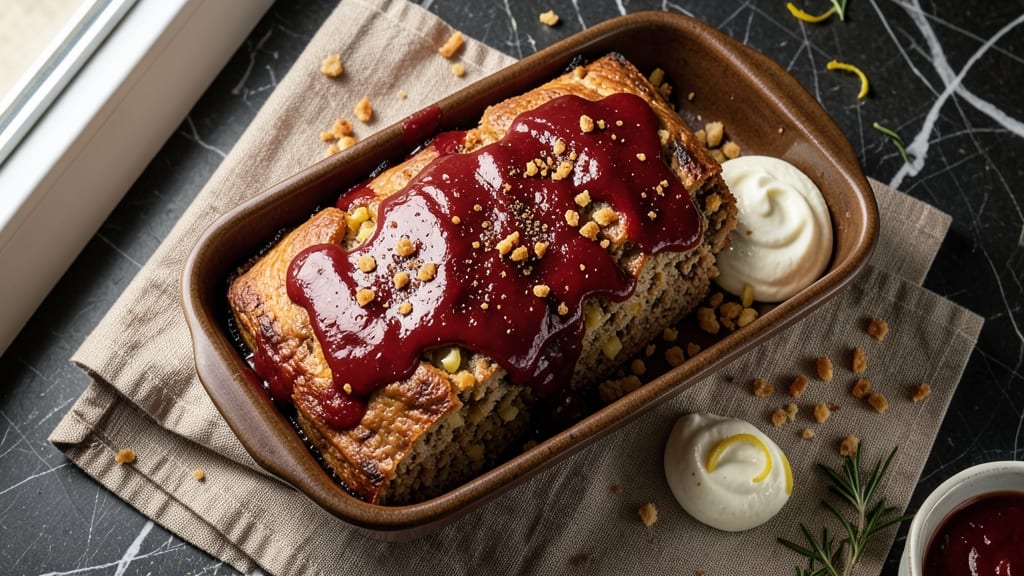
This beef and veal meatloaf recipe delivers the ultimate juicy result by combining two premium meats for unmatched tenderness. The secret lies in a precise blend of breadcrumbs, egg binder, and a glaze-sealed crust that locks in moisture during baking.
I've refined this technique over years of testing—no dry, crumbly meatloaf here.
The magic happens with a two-phase cooking method: first baking until the internal temperature reaches 145°F for perfect doneness, then sealing with a tangy glaze that caramelizes into a glossy finish.
Traditional methods meet modern efficiency, ensuring restaurant-quality results at home. This recipe transforms a classic comfort dish into something extraordinary.
What you'll end up with is a meatloaf that's moist and flavorful throughout, with a golden, glaze-coated exterior that adds sweet-savory depth. The combination of beef and veal creates a richer texture than traditional recipes, while the glaze adds a professional touch that elevates it beyond basic versions.
Serve with mashed potatoes or roasted vegetables for the full experience.
Perfect for family dinners, holiday gatherings, or when you want to impress guests with a showstopping main course. The technique is straightforward but delivers results that taste like they came from a high-end restaurant. Let's get started—your taste buds will thank you.
Ingredients for beef and veal meatloaf
Six ingredients transform ordinary meatloaf into a restaurant-worthy masterpiece—juicy, tender, and sealed with glaze perfection.
| Ingredient | Amount | Notes |
|---|---|---|
| Ground Beef (Chuck Roast) 🥩 | 1 ½ lb | 80% lean, finely ground |
| Ground Veal 🥩 | ½ lb | Finely ground, high-quality |
| Fresh Breadcrumbs 🍞 | ¾ cup | Panko preferred, toasted |
| Large Eggs 🥚 | 2 whole | Room temperature for binding |
| Milk 🥛 | ¼ cup | Whole milk for richness |
| Yellow Onion 🧅 | 1 whole | Finely diced, sweet variety |
| Garlic Cloves 🧄 | 4 cloves | Minced, fresh preferred |
| Kosher Salt 🧂 | 1 ½ tsp | Diamond Crystal preferred |
| Ground Black Pepper 🌶️ | 1 tsp | Freshly cracked |
| Dried Parsley 🌿 | 1 tbsp | For garnish, finely chopped |
| Worcestershire Sauce 🍶 | 1 tbsp | Vegetarian version if needed |
| Ketchup 🍅 | ¼ cup | For glaze, high-quality |
| Brown Sugar 🍚 | 2 tbsp | Light or dark preferred |
| Dijon Mustard 🥫 | 1 tbsp | For glaze depth |
The beef and veal blend is non-negotiable for that unmatched tenderness. Costco's pre-ground chuck is my go-to—it's lean enough to hold shape but rich enough to stay moist. Veal adds that luxurious melt-in-your-mouth quality, so ask your butcher for finely ground if buying in bulk. Fresh breadcrumbs (not the dried stuff) absorb moisture differently, creating a lighter texture. Toast them first—just 5 minutes in a dry pan—to deepen their flavor. The eggs and milk create the perfect binder, but room temperature ingredients mix better—no cold lumps here.
No Worcestershire? Substitute with 1 tbsp soy sauce plus 1 tsp vinegar—it mimics the umami kick. Swapping ketchup? Tomato paste plus a splash of red wine gives that same tangy sweetness. The glaze components are where the magic happens: ketchup for acidity, brown sugar for caramelization, and Dijon for complexity. Use high-quality ketchup—the kind with no added sugar. For extra richness, add 1 tbsp of balsamic vinegar to the glaze. And if you're feeling fancy, a pinch of smoked paprika in the meatloaf mix adds depth that takes it from homey to gourmet.
This meatloaf reheats beautifully—best the next day when flavors meld. Store leftovers wrapped tightly in the fridge for 4-5 days, or freeze for up to 3 months. For serving, slice thickly against the grain to showcase that perfectly sealed crust. I always make a double batch because it disappears fast—freeze half immediately if you know you won't finish it. The glaze sets as it cools, so apply it warm for that glossy finish that screams 'restaurant quality.'
Why You'll Love This Recipe
- No-Fuss Mixing: I swear by the milk-soaked breadcrumbs trick—it keeps the texture tender without extra fuss. Just toss, shape, and bake. No overworking the meat, no stressing over ratios.
- Rich, Deep Flavor: That veal adds a luxurious richness the beef alone can’t match. The eggs bind it all together while keeping it moist, and honestly? It tastes like a restaurant dish without the pretension.
- Leftovers That Shine: This meatloaf reheats like a dream—crispy edges stay intact, inside stays juicy. I make a double batch on Sundays because it’s the only thing my picky teens will eat for lunch all week.
- Budget Luxury Combo: Chuck roast and veal stretch further than you’d think, and fresh breadcrumbs beat dry ones every time. It’s the kind of meal that feels special but won’t break the bank.
Step-by-step instructions for beef and veal meatloaf
This meatloaf stays impossibly moist with a glaze-sealed crust—here's how to nail it every time.
Prepare the Glaze and Mix Wet Ingredients
In a small bowl, whisk together the 0.25 cup ketchup, 2 tbsp brown sugar, 1 tbsp Dijon mustard, and 1 tbsp Worcestershire sauce. Set aside—this will become our signature glaze. The sugar helps caramelize for that glossy finish while the mustard adds depth.
In a separate large bowl, combine the 1.5 lb ground beef (chuck roast) and 0.5 lb ground veal. Add the 0.25 cup milk and 2 whole large eggs, mixing just until incorporated. The milk adds moisture while the eggs bind everything together. Don't overmix—just enough to combine.
Build the Flavor Base and Combine
Finely dice the 1 whole yellow onion and mince the 4 cloves garlic. In the same bowl, add the onion, garlic, 1.5 tsp kosher salt, 1 tsp ground black pepper, and 1 tbsp dried parsley. Mix gently with your hands—this is where the magic happens. The onion and garlic release their flavors while the salt and pepper penetrate the meat.
Now add the 0.75 cup fresh breadcrumbs and mix again until everything comes together. The breadcrumbs act as a moisture sponge while adding structure. If the mixture feels too wet, add a few more breadcrumbs—this prevents a dense, dry loaf. The goal is a texture that holds when pressed but still feels tender.
Shape and Glaze for Perfect Texture
Transfer the mixture to a lightly greased loaf pan (about 9x5 inches). Shape it gently but firmly—don't pack it down too hard or it'll become dense. Spread the reserved glaze evenly over the top, using the back of a spoon to create a thin, even layer. This isn't just decoration; the glaze creates a moisture barrier that locks in juices during baking.
Here's the pro tip: Lightly press the glaze into the surface so it adheres well. This ensures maximum caramelization and prevents cracking. Let the loaf rest at room temperature for 10 minutes before baking—this helps it hold its shape in the oven.
Bake to Juicy Perfection
Preheat your oven to 375°F. Place the loaf on the middle rack and bake for 50-55 minutes, until the internal temperature reaches 160°F and the edges are golden brown. The glaze should bubble and caramelize beautifully—this is your visual cue that it's ready.
If the top starts to darken too quickly, tent loosely with foil. The key is patience—rushing leads to dryness. You want that glaze to set into a glossy, crackly crust while keeping the interior moist enough to slice cleanly. A meat thermometer is your best friend here; don't rely on time alone.
Rest and Serve for Maximum Juiciness
Remove the loaf from the oven and let it rest for 10-15 minutes before slicing. This resting period is critical—it allows the juices to redistribute throughout the meatloaf. If you slice too soon, all those precious juices will pool on your plate instead of staying inside where they belong.
Slice into 6 even portions and serve immediately. Each slice should be rich, tender, and glistening with that caramelized glaze. The beef and veal combination delivers deep umami flavor, while the glaze adds a perfect balance of sweetness and tang. Pair with mashed potatoes or roasted vegetables for a complete meal.
Pro Tips For Making Beef And Veal Meatloaf
- Mix Cold Ingredients: Fresh breadcrumbs and ground meats don’t play nice when warm—your loaf will turn dense and rubbery if you skip this. Toss the breadcrumbs in milk first, then let the whole mix sit in the fridge for 10 minutes before shaping. I learned this the hard way after a meatloaf that looked like a hockey puck.
- Use Two Eggs: One egg won’t bind beef and veal properly—the mix will fall apart when you slice it. Crack in two large eggs, beat them with the milk, and let them sit in the meat mixture for 5 minutes before folding in. This isn’t the prettiest method, but it’s the tastiest.
- Shape Loose, Don’t Pack: Pressing the mix too hard squeezes out moisture and leaves you with a dry, crumbly loaf. Gently form the meat into a loose mound, then shape it into a loaf with your hands—just enough to hold together. Resist the urge to overwork it.
- Bake at 350°F: High heat sears the outside before the inside cooks, leaving you with a crusty exterior and a cold center. Stick to 350°F and bake for 45-50 minutes, then check the internal temp—it should hit 160°F. Sounds simple, but I still catch myself cranking the oven too high.
Storing and reheating your beef and veal meatloaf
Refrigerator Storage
Let your meatloaf cool completely before transferring to an airtight container—I use glass Pyrex with a tight-sealing lid. Store in the fridge for up to 4-5 days, but trust me, it tastes even better the next day when flavors meld.
The glaze actually sets more beautifully after resting, creating that restaurant-quality crust. 💫
Freezer Prep Tips
For long-term storage, slice the meatloaf into individual portions and wrap each slice tightly in plastic wrap before placing in a freezer bag. This prevents freezer burn and makes reheating a breeze. Label with the date—it keeps well for up to 3 months without losing moisture or texture.
Stovetop Reheating
My preferred method is stovetop reheating to maintain that perfect glaze. Place slices in a skillet over medium-low heat with 1-2 tablespoons of water to prevent sticking.
Cover and heat for 5-7 minutes, stirring occasionally, until reaching 165°F internal temperature. The glaze will re-soften beautifully, giving you that fresh-baked look.
Oven Refresh Method
For larger portions, preheat your oven to 325°F and place the meatloaf on a baking sheet. Cover loosely with foil and heat for 15-20 minutes until warmed through.
This gentle method keeps the glaze intact while ensuring even heating. I often use this when serving to a crowd—it reheats beautifully without drying out.
Microwave Shortcut
When you're in a hurry, use the microwave on 50% power for 1-2 minutes per slice, covered with a damp paper towel. Check the temperature with a meat thermometer—it should reach 165°F.
Add a splash of water if it looks dry, then let it rest for 1 minute before serving to redistribute juices.
Glaze Revival Trick
If your reheated meatloaf looks dry, brush on a thin layer of warm glaze (just mix a little ketchup with brown sugar) before serving. The glaze will rehydrate the surface and bring back that glossy finish. This little trick makes reheated slices taste almost as good as fresh! 🍴
Nutrition facts
Frequently asked questions about beef and veal meatloaf
Why does this recipe use both beef and veal?
The veal adds incredible tenderness and richness that beef alone can't match. The combination creates a meatloaf with deeper flavor and a more luxurious mouthfeel. Veal's delicate texture balances beef's heartiness, resulting in a dish that's both comforting and refined.
Can I make this meatloaf without a loaf pan?
Shape the mixture into a freeform loaf on a parchment-lined baking sheet. For extra stability, wrap it loosely with foil before baking. Just be prepared for a slightly irregular shape—it'll still taste amazing, but the glaze might need extra attention to adhere evenly.
How do I know when the meatloaf is fully cooked?
Use a meat thermometer to check the internal temperature—it should reach 160°F at the thickest part. The edges should also be golden brown and the glaze caramelized. Never rely on time alone, as ovens vary. A properly cooked loaf will be juicy throughout, not dry.
What's the best way to serve this meatloaf?
Pair it with creamy mashed potatoes or roasted root vegetables to complement its rich flavors. For a complete meal, add a simple green salad with a tangy vinaigrette. The glaze works beautifully as a dipping sauce too—great for kids or casual gatherings!
Can I substitute ground turkey for the beef and veal?
While possible, I don't recommend it for this recipe. Ground turkey lacks the fat content and richness that makes this meatloaf special. If you must substitute, use a 50/50 blend of ground beef and turkey, but expect a slightly different texture. The veal's delicate flavor is particularly hard to replicate.