
Soups & Stews
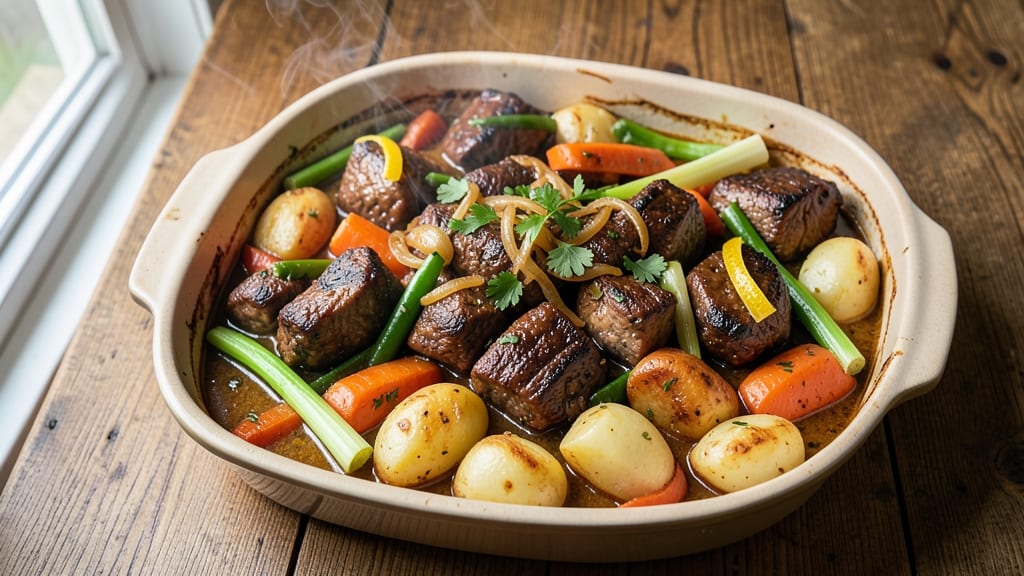
This beef and vegetable casserole recipe delivers hearty, comforting flavors that transform simple ingredients into a restaurant-worthy dish.
The secret lies in layering tender beef strips with crisp-tender vegetables and a rich, savory sauce that bakes into a golden, bubbling crust—perfect for feeding a crowd or meal prepping for the week.
I've perfected this method to ensure every bite is packed with protein, vibrant vegetables, and deep, satisfying flavors that come together in one simple baking dish.
The beauty of this recipe is its flexibility—whether you're using classic beef stew meat or opting for a quicker sous-vide pre-cook method, the technique remains the same.
The vegetables roast until caramelized and tender, while the beef stays juicy and flavorful, all blanketed by a creamy, herb-infused sauce that thickens beautifully as it bakes.
The result is a dish that's as comforting as it is impressive, with layers of texture and flavor that make it a standout for any dinner table.
What you'll end up with is a bubbling, golden casserole that's ready to serve straight from the oven, offering a satisfying crunch on top and tender, melt-in-your-mouth layers beneath.
The aroma alone will have everyone gathering around the table, and the first bite delivers that perfect balance of savory, herby, and slightly sweet notes. This is the kind of dish that feels like a hug—warm, hearty, and impossible to resist.
Serve it with a side of crusty bread to soak up every last bit of that rich sauce, or pair it with a simple green salad for a balanced meal. The leftovers reheat beautifully, making it ideal for busy weeks or family gatherings.
Let's get started on creating this comforting classic that's sure to become a staple in your recipe rotation.
Ingredients for beef and vegetable casserole
Simple ingredients that bake into a restaurant-worthy beef and vegetable casserole with golden crust.
| Ingredient | Amount | Notes |
|---|---|---|
| Beef Stew Meat 🥩 | 2 lb | Chuck roast, cut into 1-inch strips |
| Yellow Onion 🧅 | 1 whole | Medium, sliced into half-moons |
| Carrots 🥕 | 1 ½ lb | Baby or regular, peeled and sliced |
| Potatoes 🥔 | 2 lb | Yukon Gold, cut into 1-inch cubes |
| Green Bell Pepper 🌶️ | 1 whole | Sliced into strips |
| Celery Stalks 🧄 | 3 whole | Trimmed and sliced |
| Garlic Cloves 🧄 | 4 cloves | Minced |
| All-Purpose Flour 🌾 | 2 tbsp | For thickening sauce |
| Beef Broth 💧 | 2 cups | Low-sodium preferred |
| Whole Milk 🥛 | 1 cup | Full-fat for creaminess |
| Heavy Cream 🥛 | ½ cup | Full-fat recommended |
| Dried Thyme 🌿 | 1 tsp | Or 1 tbsp fresh |
| Dried Rosemary 🌿 | ½ tsp | Crushed between fingers |
| Ground Black Pepper 🌶️ | 1 tsp | Freshly ground preferred |
| Kosher Salt 🧂 | 1 ½ tsp | Adjust to taste |
| Gruyère Cheese 🧀 | 1 cup | Shredded, for topping |
| Breadcrumbs 🍞 | ½ cup | Panko for extra crunch |
| Olive Oil 🫒 | 2 tbsp | For greasing dish |
The beef is the foundation here—chuck roast delivers that signature tender, melt-in-your-mouth texture. Grab it pre-cut from the meat counter to save time, or ask for it to be trimmed of any large fat deposits. The Yukon Gold potatoes are non-negotiable for their buttery flavor and creamy texture, but regular russets work in a pinch. For the vegetables, freshness matters most—wilting carrots or limp celery will turn mushy during baking. I always buy my carrots and celery in bulk from Costco or Trader Joe's since they keep well for a week in the fridge.
No beef broth? Vegetable broth plus 1 tbsp soy sauce works surprisingly well. Short on thyme? Dried oregano at half the amount gives a similar earthy note. The Gruyère topping can be swapped for Parmesan or sharp cheddar, but Gruyère's nutty flavor is what makes this dish truly special. For the breadcrumbs, Panko gives the best texture—it stays crispy even after baking. If you're prepping ahead, par-cook the beef and vegetables in a skillet before assembling the casserole to save oven time later.
This casserole reheats beautifully—5 minutes at 350°F covered with foil brings it back to perfect temperature. Leftovers keep for 4-5 days in the fridge, but I recommend freezing half the batch immediately. Portion into glass containers for easy reheating—just add a splash of broth when microwaving to keep it moist. The sauce thickens as it sits, so if it looks too thin after baking, stir in 1 tbsp cornstarch mixed with water before serving.
Why You'll Love This Recipe
- One-Pot Magic: I swear by this recipe because it’s literally one pan. Toss the beef, onions, carrots, and potatoes in a deep dish, add a splash of broth, and let the oven do the work. No chopping boards to wash, no extra pots—just clean-up simplicity.
- Caramelized Crunch: The potatoes get fork-tender while the carrots and bell peppers develop this perfect caramelized edge. That sweet-savory balance? It’s what makes this dish feel like a hug in a bowl.
- Meal Prep MVP: Between us, this is my go-to for busy weeks. Make a double batch, reheat portions all week, or freeze half for when you’re too tired to cook. The flavors actually improve the next day—no sad leftovers here.
- Budget-Friendly Feast: Stew meat stretches across servings, and seasonal veggies keep costs low. It’s the kind of dish where you’re feeding a crowd for the price of takeout, and everyone leaves happy (and asking for seconds).
Step-by-step instructions for beef and vegetable casserole
This method delivers a hearty, restaurant-quality casserole with a golden crust and tender beef.
Sear the Beef and Vegetables for Depth of Flavor
Heat a large oven-safe skillet over medium-high heat. Add the 2 tablespoons olive oil and swirl to coat the bottom evenly. Working in batches, add the 2 lb beef stew meat in a single layer and sear for 2-3 minutes per side until deeply browned. Remove and set aside.
In the same skillet, add 1 whole yellow onion, 1.5 lb carrots, 2 lb potatoes, 1 whole green bell pepper, and 3 whole celery stalks. Sear for 5-6 minutes, stirring occasionally, until the vegetables begin to soften and develop color. Add the 4 cloves minced garlic and cook for 30 seconds until fragrant.
Build the Rich Sauce Base
Sprinkle the 2 tablespoons all-purpose flour evenly over the seared vegetables. Stir constantly for 1-2 minutes until the flour is fully incorporated and the mixture turns golden brown. This creates a flavorful roux that will thicken the sauce.
Gradually pour in the 2 cups beef broth, scraping up any browned bits from the bottom of the pan. Stir in the 1 cup whole milk, 0.5 cup heavy cream, 1 teaspoon dried thyme, 0.5 teaspoon dried rosemary, 1 teaspoon ground black pepper, and 1.5 teaspoons kosher salt. Bring to a gentle simmer and cook for 3-4 minutes until slightly thickened.
Layer and Assemble the Casserole
Return the seared beef to the skillet and stir gently to coat in the sauce. Transfer the entire contents to a 9x13-inch baking dish, spreading evenly. Sprinkle the top with 1 cup shredded Gruyère cheese and 0.5 cup breadcrumbs for a crispy finish.
Cover the dish with aluminum foil and bake at 375°F for 30 minutes. Remove the foil and continue baking for an additional 15-20 minutes until the top is golden brown and bubbling. The casserole is done when the cheese is melted and the edges are crispy.
Rest and Serve for Maximum Flavor
Remove the casserole from the oven and let it rest for 10 minutes before serving. This allows the juices to redistribute, ensuring each bite is moist and flavorful. The crust should be golden and crispy, while the beef and vegetables remain tender.
Serve immediately with a side of crusty bread or a simple green salad. The rich sauce and melted cheese will create a comforting, satisfying meal perfect for family dinners or meal prep.
Pro Tips For Making Beef And Vegetable Casserole
- Sear the Beef First: I learned this the hard way—skipping the sear means bland, gray beef instead of rich, caramelized flavor. Brown the stew meat in batches over medium-high heat for 3-4 minutes per side before adding anything else. The crust locks in juices and builds depth that no amount of simmering later can fix.
- Cut Potatoes Uniformly: Uneven potatoes mean some turn to mush while others stay rock-hard. Use a mandoline or sharp knife to slice them into ½-inch rounds—thicker if you like them firm, thinner if you prefer them tender. No mandoline? Stack slices and cut in one motion for consistency.
- Salt the Potatoes Early: This isn’t the prettiest method, but it’s the tastiest. Toss the raw potato slices with ½ teaspoon salt per pound right after cutting, then let them sit for 10 minutes before adding to the casserole. It jumpstarts the seasoning and prevents bland, waterlogged spuds.
- Layer Onions Last: Onions burn faster than anything else in this dish. Save the yellow onion (and bell pepper) for the final 15 minutes of cooking, adding them directly to the casserole dish after the beef and potatoes have simmered. This keeps their sweetness intact and avoids bitter, charred bits.
Troubleshooting your beef and vegetable casserole
Sauce Too Thin?
If your sauce looks watery after baking, don’t panic! The most likely culprit is overcooking or insufficient thickening. First, check if you used enough flour—2 tbsp should thicken 3 cups of liquid properly.
For a quick fix, whisk 1 tbsp cornstarch with 2 tbsp cold water, then stir it into the sauce off the heat. Let it simmer for 2-3 minutes until it reaches your desired consistency. 🔥
Beef Tough or Dry?
Tough beef is usually the result of overcooking or not searing properly. Always sear the beef in batches until deeply browned—this creates a flavorful crust that locks in moisture. If your beef is already cooked, try adding 1-2 tbsp beef broth to the casserole before baking to keep it tender.
For extra insurance, consider sous-vide cooking the beef to 145°F before assembling the casserole. ⏰
Vegetables Mushy?
Mushy vegetables often mean they were overcooked or added too early. To prevent this, sear your veggies for 5-6 minutes before adding the sauce, and avoid overcrowding the pan.
If your veggies are already too soft, try layering them strategically—place firmer veggies (like carrots) on the bottom and softer ones (like bell peppers) on top. This ensures even cooking without turning everything to mush. 🥕
Crust Not Crispy?
A lackluster crust usually means the breadcrumbs didn’t get enough time to toast. For a golden, crispy finish, bake the casserole uncovered for the last 15-20 minutes at 375°F.
If your oven runs hot, lower the temperature to 350°F to avoid burning the top. For extra crunch, sprinkle the breadcrumbs with 1 tsp olive oil before baking. 🍞
Cheese Not Melting?
If your cheese isn’t melting properly, it might be due to insufficient heat or the wrong type of cheese. Gruyère melts beautifully, but if you’re using a harder cheese like Parmesan, mix it with a creamier variety like mozzarella.
For stubborn cheese, cover the casserole with foil and bake for an extra 5-10 minutes to help it soften. Avoid stirring the cheese once it’s on top—this can create lumps instead of a smooth, creamy layer. 🧀
Uneven Cooking?
Uneven cooking often happens when the casserole is overcrowded or the oven temperature fluctuates. To fix this, spread the ingredients evenly in your baking dish and avoid packing them too tightly.
If your oven has hot spots, rotate the dish halfway through baking. For extra insurance, use an oven thermometer to confirm your oven is hitting 375°F accurately. 🌡️
Nutrition facts
Frequently asked questions
Can I make this casserole ahead of time?
This dish actually tastes even better the next day. Assemble the casserole in your baking dish, cover tightly with foil, and refrigerate for up to 24 hours before baking. When ready to cook, add 10-15 extra minutes to the baking time since it'll be cold. For freezing, bake the casserole completely, let it cool, then freeze in portions for up to 3 months. Reheat covered with foil at 350°F for 20-25 minutes.
What if I don't have Gruyère cheese?
No problem! Gruyère adds a nutty depth, but you can substitute with sharp cheddar (for tang), Parmesan (for saltiness), or even mozzarella (for creaminess). For best results, combine ½ cup Gruyère substitute + ½ cup mozzarella to mimic the melting properties. The breadcrumb topping will still give you that satisfying crunch without the cheese.
How can I make this healthier?
Swap the beef for lean ground turkey or mushrooms to reduce fat, and use low-fat milk and broth instead of full-fat versions. Replace half the potatoes with cauliflower florets for fewer carbs, and top with whole-grain breadcrumbs instead of regular. The dish will still be hearty—just lighter! For extra protein, stir in ½ cup lentils with the vegetables before baking.
Can I use frozen vegetables instead of fresh?
Yes, but with a few adjustments. Thaw and drain frozen veggies completely before using, then pat dry with a paper towel to prevent a watery casserole. For best texture, add them to the skillet 2 minutes earlier than fresh veggies since they'll cook faster. Avoid using pre-cooked frozen mixes—they'll turn mushy during baking. Peas or green beans work well, but skip frozen potatoes as they won't hold their shape.
Why does my casserole look dry after baking?
Dryness usually means the beef released too much liquid or the sauce wasn't thickened enough. To fix it, always sear the beef thoroughly first—this locks in moisture. For future batches, reduce the broth by ½ cup and add 1 extra tbsp flour to the roux. If it's already dry, sprinkle the top with 2 tbsp beef broth and cover with foil for 5 minutes to steam before serving.