
Soups & Stews
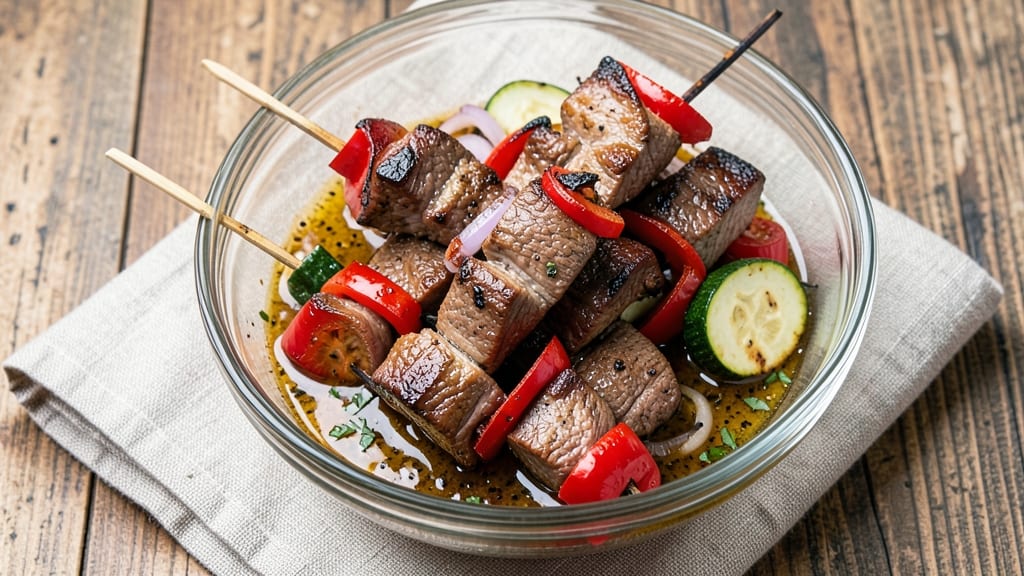
A beef and vegetable kabob recipe transforms weeknight dinners into restaurant-worthy meals with minimal effort. The secret lies in marinating tender beef cuts—like sirloin or flank steak—with a zesty lemon-garlic blend that tenderizes while infusing bold flavor. This recipe delivers perfectly charred skewers with vibrant, caramelized vegetables, all achieved through precise grilling techniques that lock in moisture and enhance natural sweetness.
What sets these kabobs apart is their versatility—whether you're using a grill, broiler, or stovetop grill pan, the method remains consistent. The marinade not only enhances the beef but also prepares the vegetables for optimal texture, ensuring crisp-tender bell peppers, onions, and zucchini that hold up beautifully on the skewer.
For an extra layer of flavor, a quick baste with the same marinade while cooking intensifies the charred aroma that makes these skewers irresistible.
The result is a dish that's as impressive as it is satisfying: tender, flavorful beef paired with perfectly cooked vegetables, all glazed with a caramelized sheen from the grill.
The lemon-garlic glaze adds a bright, tangy finish that cuts through the richness of the beef, creating a perfect balance in every bite. This recipe is designed to elevate simple ingredients into a standout main course that feels special without requiring hours in the kitchen.
Pair these kabobs with a side of couscous or crusty bread to soak up the remaining glaze, or serve over a bed of greens for a lighter option.
The beauty of this dish lies in its adaptability—whether you're grilling outdoors or cooking indoors, the technique remains the same, ensuring juicy, flavorful results every time. Let's get started on creating skewers that will have everyone asking for seconds.
Ingredients for beef and vegetable kabob
Perfectly balanced ingredients for restaurant-quality kabobs with minimal effort and maximum flavor.
| Ingredient | Amount | Notes |
|---|---|---|
| Sirloin Steak 🥩 | 1 ½ lb | Cut into 1-inch cubes, boneless |
| Bell Peppers 🌶️ | 2 whole | Mix of red, yellow, green colors |
| Zucchini 🥒 | 2 medium | Trimmed, cut into 1-inch chunks |
| Red Onion 🧅 | 1 whole | Cut into 1-inch chunks |
| Garlic Cloves 🧄 | 6 cloves | Minced for marinade |
| Lemon Juice 🍋 | ½ cup | Freshly squeezed |
| Extra-Virgin Olive Oil 🫒 | ½ cup | For marinade and basting |
| Soy Sauce 🥢 | 2 tbsp | Low-sodium preferred |
| Honey 🍯 | 1 tbsp | For glaze balance |
| Dried Oregano 🌿 | 1 tsp | For marinade depth |
| Ground Black Pepper 🌶️ | 1 tsp | Freshly ground preferred |
| Wooden Skewers 🪵 | 12 whole | Soaked in water for 30 minutes |
| Salt 🧂 | 1 ½ tsp | Kosher or sea salt |
The beef selection is everything here. Sirloin strikes the perfect balance between tenderness and flavor—flank steak works too, but trim the fat for cleaner bites. Most grocery stores carry pre-cut sirloin for kabobs, but if you're buying whole, look for well-marbled cuts at the butcher counter. The vegetables? Bell peppers with vibrant colors (red, yellow, green) add visual appeal, while zucchini and onions hold up beautifully on the skewer. Pro tip: buy organic bell peppers—they're less likely to have waxy coatings that burn easily on the grill.
No soy sauce? Coconut aminos or tamari work perfectly as substitutes—they've got that same umami punch. Short on honey? Maple syrup at a 1:1 ratio keeps things balanced. The olive oil matters here—extra-virgin with fruity notes adds depth, while the cheaper stuff can taste flat. Fresh garlic is non-negotiable for that bold flavor, but if you're in a pinch, garlic powder at half the amount gets you close. For the skewers, soak them for at least 30 minutes to prevent burning—this is the #1 mistake people make with wooden skewers.
Marinate the beef for at least 2 hours (overnight is ideal) to maximize tenderness. The vegetables can marinate for just 30 minutes—they don't need as much time. Store any leftover marinade in a sealed container in the fridge for up to 3 days, or freeze for 3 months. Cooked kabobs reheat beautifully—400°F for 8-10 minutes on a baking sheet restores that charred flavor. I always make extra skewers and freeze them raw—they're perfect for quick weeknight meals.
Why You'll Love This Recipe
- Minimal Chopping Required: I swear by this—just slice the steak against the grain, chop the peppers and onion once, and you’re done. No dicing zucchini into oblivion or peeling endless garlic; these veggies hold their shape perfectly on skewers.
- Garlic-Kissed Crispy Edge: That first bite? The sirloin’s charred crust meets the sweet caramelized onion and the garlic’s punch—it’s like a flavor explosion. (Honestly, the marinade does 90% of the work, so even if you’re not a grill master, you’ll nail it.)
- Picnic to Potluck: Pack these skewers in a cooler for a beach day or bring them to a BBQ—no reheating needed. They’re just as good cold as they are fresh off the grill, and the colors? Always a crowd-pleaser.
- Budget Meal That Feeds: A single sirloin strip serves four, and the veggies stretch further than you’d think. Leftovers? Toss them in a salad or wrap them in tortillas—no waste, just satisfaction. (Yes, even on a Tuesday night.)
Step-by-step instructions for charred beef and vegetable kabobs
Master these techniques and you'll achieve perfectly charred skewers with juicy beef and tender vegetables.
Marinate the Beef and Prepare Vegetables
In a large bowl, combine the 0.5 cup extra-virgin olive oil, 0.5 cup lemon juice, 2 tbsp soy sauce, 1 tbsp honey, 1 tsp dried oregano, 1 tsp ground black pepper, and 1.5 tsp salt. Whisk vigorously until the honey dissolves completely and the mixture is smooth. This marinade should be thick enough to cling to the beef but still pourable.
Add the 1.5 lb sirloin steak cut into 1-inch cubes to the marinade, turning to coat evenly. Cover and refrigerate for at least 4 hours, or overnight for maximum flavor penetration. The acidity in the lemon juice will tenderize the beef while the olive oil keeps it moist. For the vegetables, cut the 2 whole bell peppers into 1-inch chunks, trim the 2 medium zucchini into 1-inch pieces, and slice the 1 whole red onion into 1-inch chunks. Keep these separate from the beef marinade.
Assemble the Skewers
Soak the 12 whole wooden skewers in water for 30 minutes to prevent burning. Drain well before using. Working quickly, thread the marinated beef cubes onto the skewers, alternating with the prepared vegetables. Start and end each skewer with a piece of beef to ensure even cooking. I like to arrange them in this order: beef, bell pepper, zucchini, onion, beef, bell pepper, zucchini, onion. This creates visual appeal while balancing cooking times between the different ingredients.
Once assembled, place the skewers on a plate or tray, cover with plastic wrap, and refrigerate for another 30 minutes. This chilling step helps the skewers hold their shape during grilling and prevents the beef from overcooking while the vegetables finish.
Grill to Perfect Doneness
Preheat your grill to medium-high heat or 400°F if using a grill pan. Clean the grates thoroughly with a brush to prevent sticking. Place the skewers on the grill and cook for 8-10 minutes, turning occasionally, until the beef reaches 145°F internally and develops deep grill marks. The vegetables should be tender with slight char marks. For best results, I grill the beef first until it's nearly done, then add the vegetables to finish together.
Watch the beef closely during the last 2 minutes of cooking—it should reach 145°F and develop a slight crust on the outside. The vegetables will continue cooking off the grill, so don't overcook them. If the skewers start to burn before the beef is done, move them to a cooler part of the grill or reduce the heat slightly.
Baste with Glaze and Serve
While the skewers are still hot, transfer them to a serving platter. In a small bowl, combine 2 tbsp of the reserved marinade with 1 tbsp honey and brush this mixture generously over each skewer. The glaze should caramelize slightly from the residual heat, adding a beautiful sheen and extra flavor. Let the skewers rest for 5 minutes before serving to allow the juices to redistribute in the beef.
Serve immediately with additional glaze drizzled over the top. Each skewer should feature juicy, medium-rare beef with tender, slightly charred vegetables and a bright, tangy glaze. The vegetables should be soft enough to pierce easily with a fork but still hold their shape. For extra presentation, garnish with fresh parsley or lemon wedges.
Pro Tips For Making Beef And Vegetable Kabob
- USE WOODEN SKEWERS FOR ZUCCHINI: I learned this the hard way—metal skewers crush zucchini like a sad sandwich. Wooden ones hold the shape better, and you won’t end up with a mushy, watery mess on the grill. Soak them 30 minutes first, but don’t skip it—they’ll split if you don’t.
- CUT ONIONS IN HALVES FIRST: Peppers and zucchini get charred fast, but onion rings turn to mush if you’re not careful. Halve the onion lengthwise before threading—it cooks evenly without falling apart. And for the love of kabobs, don’t skip the outer layer; that’s where all the flavor hides.
- SEAR THE BEEF BEFORE GRILLING: Raw sirloin on skewers? That’s a dry, tough disaster waiting to happen. Hit the meat with a hot pan first—2 minutes per side—to lock in juices. Then finish on the grill. Trust me, your future self will stare at the plate in horror if you skip this step.
- SWAP RAW GARLIC FOR ROASTED: Raw garlic burns before the beef is done, leaving you with bitter, charred bits. Slice the cloves in half lengthwise, toss them in olive oil, and roast at 400°F for 10 minutes before assembling. They’ll caramelize beautifully and won’t turn into charcoal.
Flavor customization for beef and vegetable kabob
Smoky Chipotle Twist
Swap the lemon-garlic marinade for a smoky chipotle blend by mixing 2 tbsp adobo sauce (from canned chipotles) with 0.5 cup olive oil, 2 tbsp apple cider vinegar, 1 tbsp honey, and 1 tsp smoked paprika.
Marinate the beef for 4-6 hours—the chipotle's heat mellows beautifully with the grill's char. Add 1 diced jalapeño to the skewers for extra kick. 🌶️
Sweet Teriyaki Glaze
Replace the lemon-garlic glaze with a sticky teriyaki finish by brushing the cooked skewers with 0.5 cup teriyaki sauce (store-bought or homemade) mixed with 1 tbsp mirin.
For extra depth, simmer the sauce with 1 minced garlic clove and ½ tsp grated ginger for 3 minutes before basting. Garnish with sesame seeds for texture. 🍶
Herb-Infused Mediterranean
Transform the marinade into a Mediterranean-inspired blend by adding 1 tbsp dried rosemary, 1 tsp dried thyme, and 1 minced shallot to the original recipe. Use red wine vinegar instead of lemon juice for a tangier profile.
Serve with a side of tzatziki sauce for dipping. The herbs add an earthy depth that pairs perfectly with grilled veggies. 🌿
Spicy Peanut Sauce
For a bold Asian-inspired finish, make a peanut sauce by blending ½ cup smooth peanut butter, 2 tbsp soy sauce, 1 tbsp sriracha, 1 tbsp honey, and 1 tbsp lime juice.
Drizzle over the skewers after grilling and toss with chopped cilantro and crushed peanuts. The sauce adds a creamy, spicy contrast to the charred beef. 🥜
Balsamic-Glazed
Elevate the dish with a balsamic reduction by simmering ¼ cup balsamic vinegar with 1 tbsp honey and 1 tsp Dijon mustard until thickened (about 5 minutes).
Brush over the skewers after grilling for a tangy, slightly sweet glaze. The balsamic's depth enhances the beef's richness while balancing the vegetables' sweetness. 🍷
Creamy Garlic-Herb
For a richer finish, mix 2 tbsp Greek yogurt with 1 minced garlic clove, 1 tbsp chopped dill, and ½ tsp lemon zest to create a creamy sauce.
Drizzle over the skewers after grilling and sprinkle with toasted pine nuts for crunch. This adds a cool, herby contrast to the smoky grill flavors. 🧀
Nutrition facts
Frequently asked questions about beef and vegetable kabobs
What's the best cut of beef for kabobs?
Sirloin or flank steak are ideal—they're tender yet flavorful with good marbling. For extra tenderness, choose ribeye or strip steak, but trim excess fat to prevent flare-ups on the grill. Avoid tougher cuts like chuck unless you're using a slow cooker method afterward.
Can I use metal skewers instead of wooden ones?
Metal skewers work perfectly and eliminate the soaking step. They're also easier to clean and safer for grilling. For best results, use stainless steel or silicone-coated skewers—they distribute heat evenly and prevent sticking. Just be sure to oil them lightly before threading the food.
How do I keep the vegetables from falling off?
Cut veggies into 1-inch chunks and arrange them snugly between beef pieces. For extra security, skewer a small piece of cheese (like feta or halloumi) between the beef and veggies—it melts slightly, acting as a glue. Also, avoid overcrowding the skewer, which can cause uneven cooking and falling.
What if I don't have a grill?
No problem! Use a grill pan on the stovetop over medium-high heat with a splash of oil. For even cooking, flip the skewers every 2-3 minutes. Alternatively, broil in the oven for 8-10 minutes, turning once, until charred. Keep an eye on them—they cook faster indoors than on a grill.
How do I reheat leftover kabobs?
Reheat in a 400°F oven for 8-10 minutes on a baking sheet to restore that charred flavor. For a quick fix, use the stovetop: heat a skillet over medium heat and warm the skewers for 3-4 minutes per side. Avoid microwaving—it makes the beef tough and the veggies soggy.