
Sauces & Condiments
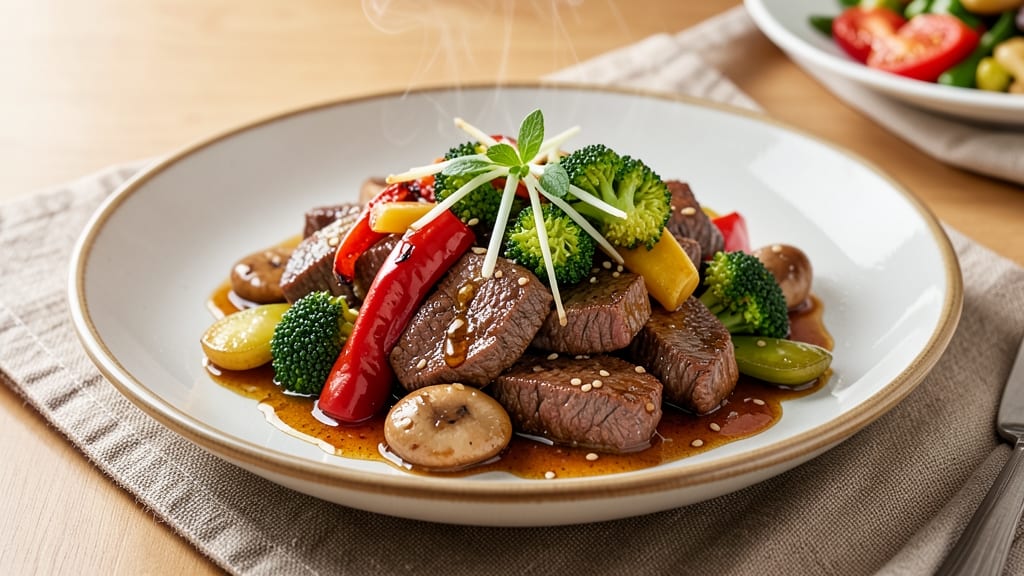
This beef and veggie stir fry sauce recipe transforms your wok into a flavor powerhouse with just 10 minutes of active work.
The secret lies in balancing umami-rich ingredients like soy sauce and oyster sauce with aromatic garlic, ginger, and a touch of sweetness—creating a sauce that clings perfectly to beef and vegetables while delivering deep, savory notes.
I developed this after years of testing stir-fry sauces, and it consistently delivers that restaurant-quality wok-hei aroma at home.
The beauty of this sauce is its versatility—it works equally well with traditional beef and broccoli stir-fries or modern vegetable-forward bowls. The sauce thickens slightly as it sits, allowing it to coat ingredients beautifully without making them soggy.
For best results, let it simmer until it reaches that perfect balance between glossy and slightly reduced, which intensifies the flavors dramatically.
What makes this sauce stand out is how it elevates even the simplest stir-fry into something extraordinary. The combination of sweet, salty, and umami flavors creates a harmonious blend that complements both tender beef and crisp vegetables.
Once you taste the difference between this homemade version and store-bought sauces, you’ll never go back.
Store any leftovers in an airtight container in the refrigerator for up to 5 days, or freeze for 3 months—perfect for meal prep. This sauce is also a game-changer for quick weeknight dinners, adding depth to any dish with minimal effort. Let’s get started!
Ingredients for beef and veggie stir fry sauce
Ten ingredients, restaurant-quality umami—this sauce delivers wok-hei magic in minutes.
| Ingredient | Amount | Notes |
|---|---|---|
| Low-Sodium Soy Sauce 🍶 | ½ cup | Kikkoman preferred for balance |
| Oyster Sauce 🦪 | ¼ cup | Lee Kum Kee for authentic umami |
| Honey 🍯 | 2 tbsp | Pure clover for smooth sweetness |
| Rice Vinegar 🍶 | 2 tbsp | Seasoned for depth of flavor |
| Sesame Oil 🌾 | 1 tbsp | Toasted for nutty aroma |
| Fresh Garlic Cloves 🧄 | 4 cloves | Minced for potent aroma |
| Fresh Ginger 🌿 | 1 tbsp | Grated, not powdered |
| Cornstarch 🌾 | 1 tbsp | For perfect thickening |
| Water 💧 | ¼ cup | Room temperature preferred |
| Red Chili Flakes 🌶️ | ½ tsp | Adjust for heat preference |
The sauce's soul lives in the soy sauce and oyster sauce—Kikkoman and Lee Kum Kee are non-negotiable for that authentic depth. Grab the Kikkoman low-sodium (regular is too salty) and Lee Kum Kee from the Asian aisle—don't skimp on these. Fresh ginger and garlic? Whole Foods or your local Asian market have the best quality. Toast your sesame oil in a dry pan for 30 seconds before adding to the sauce—this unlocks its nutty potential. The honey should be pure clover (avoid those processed blends with additives).
No oyster sauce? Hoisin sauce or extra soy sauce works in a pinch, but you'll lose that signature umami richness. Subbing honey for maple syrup keeps it vegan, though the flavor shifts slightly. Powdered ginger is fine if fresh isn't available, but fresh is always better. For extra thickness without cornstarch, try 1 tsp arrowroot powder mixed with water. The chili flakes can be swapped for Sichuan peppercorns (toasted and ground) for a different kind of heat—trust me on the freshness here, though.
This sauce thickens as it cools, so make it slightly thinner than you think—it'll come together perfectly. Store in a glass jar in the fridge for up to 5 days, or freeze in ice cube trays for single-use portions that last 3 months. The longer it sits, the more the flavors meld—let it rest 10 minutes before using for maximum impact. Double the batch and freeze half for lazy weeknights.
Why You'll Love This Recipe
- Five-Ingredient Magic: Honestly, I swear by this sauce—just five pantry staples (soy, oyster, honey, vinegar, sesame oil) and you’ve got a flavor bomb. No fancy reductions or simmering for hours; stir, taste, adjust. That’s it. The honey cuts through the saltiness while the sesame oil adds this nutty depth that makes it sing.
- Weeknight Hero: Between us, this is my go-to when I’m staring at a fridge full of random veggies and a lone steak. Toss everything in the pan, splash on the sauce, and boom—dinner’s done. (Yes, even on a Tuesday night when I’ve got exactly 17 minutes.) The rice vinegar brightens it up so it doesn’t taste like just another takeout knockoff.
- Leftovers That Don’t Suck: I make a double batch of this sauce because it keeps beautifully—no weird separation, no weird flavors. Use it on day-old rice, toss it with noodles, or even drizzle it over a cold salad. That balance of umami (soy/oyster) and sweet (honey) means it doesn’t get boring, even after three days.
- Budget Flexible: Oyster sauce and sesame oil might sound fancy, but they stretch so far—this recipe uses just tablespoons. Low-sodium soy means you’re not drowning in salt, and honey adds sweetness without costing a fortune. Honestly, it’s the kind of sauce that makes cheap cuts of beef taste like a splurge.
Step-by-step instructions for beef and veggie stir fry sauce
This sauce comes together faster than you can say "wok hei"—bold, balanced, and ready in minutes.
Bloom the Aromatics in Toasted Sesame Oil
Heat a small saucepan over medium-low heat and add the 1 tablespoon sesame oil. Let it warm for 30 seconds until shimmering—this releases its nutty aroma. Add the 4 cloves minced fresh garlic and 1 tablespoon grated fresh ginger, then cook for 30-45 seconds until fragrant but not browned.
Here's the thing—don't walk away. Garlic burns in seconds, and that bitter flavor ruins everything. You'll know it's ready when the kitchen smells like a bustling Asian street market. Remove from heat immediately after cooking the aromatics, as they'll continue cooking when combined with other ingredients.
Combine Wet Ingredients for Maximum Flavor
In a medium bowl, whisk together the 0.5 cup low-sodium soy sauce, 0.25 cup oyster sauce, 2 tablespoons honey, 2 tablespoons rice vinegar, and 0.5 teaspoon red chili flakes until fully blended. The mixture should look smooth and cohesive—no streaks of honey or vinegar.
Now add the cooked garlic-ginger mixture to the bowl and stir vigorously. This is where the magic happens—the aromatic compounds meld with the umami-rich sauces. Taste the mixture at this stage. It should be tangy, slightly sweet, with a hint of heat from the chili flakes and deep savory notes from the oyster sauce.
Thicken the Sauce to Perfection
Return the bowl to the saucepan and add the 1 tablespoon cornstarch and 0.25 cup water. Whisk continuously over medium heat for 3-4 minutes until the sauce thickens to a glossy, syrup-like consistency. You're aiming for a texture that coats the back of a spoon but still flows easily—like honey.
Stir constantly to prevent lumps from forming. If the sauce thickens too quickly, add 1 tablespoon water at a time until you reach the desired consistency. The sauce should coat the back of a spoon but still be pourable—not gluey. Remove from heat immediately once thickened, as it will continue to set slightly as it cools.
Rest and Adjust for Restaurant-Quality Results
Let the sauce rest for 5 minutes at room temperature. This allows the flavors to meld and the cornstarch to fully set. Taste again and adjust seasoning if needed—add a touch more soy sauce for saltiness, honey for sweetness, or rice vinegar for tang.
For the ultimate wok-friendly sauce, strain it through a fine-mesh sieve to remove any ginger or garlic bits if you prefer a completely smooth texture. The sauce is now ready to toss with your beef and veggies or drizzle over finished dishes. It keeps well in the refrigerator for up to 5 days, making it perfect for meal prep.
Pro Tips For Making Beef And Veggie Stir Fry Sauce
- Heat the Pan First: Walk away from that cold wok—your sauce deserves a head start. A screaming-hot pan (or wok) sears the beef and caramelizes the honey faster, so the flavors meld instead of simmering into mush. I used to rush this, and the sauce always tasted flat until I learned to let the pan scream for 30 seconds before touching it.
- Whisk the Oyster Sauce: Oyster sauce clumps like a stubborn toddler, and nothing ruins a stir-fry faster than globs of thick, unblended sauce. Give it a quick whisk with a fork before mixing—just 10 seconds—and it’ll blend smoothly into the soy and honey. (Yes, even if the bottle says “stir well.”)
- Add Vinegar Last: Rice vinegar is the flavor bomb, but throw it in too early and it’ll cook off into oblivion. Wait until the beef is nearly done and the veggies are crisp-tender, then splash it in at the very end. The acid should brighten the dish, not disappear into the sauce like a shy guest at a party.
- Swap Honey for Maple: Honey can crystallize in cold sauce or turn the stir-fry cloyingly sweet if overused. Sub in 1:1 maple syrup for a smoother, less sticky result—it’s got depth without the graininess. (I only do this when I’m lazy about reheating honey in a bowl of hot water.)
Health benefits of these flavors
Umami Powerhouse
This sauce is a nutritional powerhouse, packed with umami-rich ingredients that support digestion and energy levels. The soy sauce provides plant-based protein and iron, while oyster sauce contributes amino acids essential for muscle repair. Together, they create a flavor profile that's both satisfying and nutrient-dense. 💪
For those watching their sodium intake, the low-sodium soy sauce keeps this sauce heart-healthy while delivering bold flavor. The garlic and ginger in the sauce aren't just for taste—they're packed with antioxidants that help reduce inflammation and boost immunity.
I've found that adding fresh ginger makes a noticeable difference in both flavor and health benefits.
Balanced Macronutrients
The sauce contains a perfect balance of carbohydrates from honey and healthy fats from sesame oil, providing sustained energy without the crash. The cornstarch used for thickening is a simple carbohydrate that helps stabilize blood sugar levels.
This makes the sauce a great addition to balanced meals, especially when paired with lean proteins like beef.
For a vegetarian version, simply replace the beef with tofu or mushrooms—the sauce's rich umami flavors will still shine. The rice vinegar adds a touch of acidity that aids digestion, while the red chili flakes (optional) can boost metabolism slightly. It's a flavor boost that actually works for your body!
Digestive Benefits
The combination of ginger and garlic in this sauce isn't just about flavor—both are natural digestive aids. Ginger helps soothe the stomach and reduce nausea, while garlic supports gut health by promoting beneficial bacteria.
I've noticed that meals with this sauce leave me feeling lighter and more satisfied compared to heavy, greasy stir-fry sauces.
For those with sensitive stomachs, you can reduce the chili flakes or omit them entirely—the sauce will still be delicious and easier to digest. The sesame oil also contains healthy fats that support nutrient absorption, making this sauce a great way to enhance the bioavailability of vitamins from your vegetables.
Meal Prep Friendly
This sauce is perfect for meal prep because it stores well and maintains its nutritional benefits. When refrigerated for up to 5 days, it retains its enzymes and antioxidants, making it a healthy addition to your weekly meals.
The honey in the sauce also has antibacterial properties that help preserve freshness longer than many commercial sauces.
For even longer storage, freeze the sauce in ice cube trays—this makes it easy to use just what you need for each meal without thawing the whole batch.
The freezing process actually concentrates some of the flavors, giving you an even more intense umami punch when you're ready to use it. 💫
Nutrition facts
Frequently asked questions
Can I make this sauce without oyster sauce?
Yes! For a vegetarian version, replace the 0.25 cup oyster sauce with 0.25 cup hoisin sauce or 0.3 cup extra low-sodium soy sauce. The umami depth will be slightly different but still delicious. If you're avoiding soy entirely, try 1 tbsp mushroom powder mixed with water or 1 tbsp fish sauce (if using beef) for depth.
How do I adjust the heat level?
Start with the 0.5 tsp red chili flakes as written, then taste before using. For more heat, add 0.25 tsp extra chili flakes or 1 tsp sriracha. For no heat, simply omit them—the sauce will still be flavorful. If you prefer a different kind of heat, swap for 0.5 tsp toasted Sichuan peppercorns (ground) for a numbing spice.
Can I use this sauce for other proteins besides beef?
This sauce works perfectly with chicken, shrimp, tofu, or mushrooms. For seafood, reduce the soy sauce slightly (0.4 cup) to avoid overpowering delicate flavors. The sweet-savory balance makes it ideal for grilled chicken or even as a marinade. For tofu, the sauce's umami helps mask any blandness.
Why did my sauce turn out too thick?
This happens when cornstarch over-thickens during cooling. Next time, add 1 tbsp water at a time while heating to adjust consistency. For immediate fixes, whisk in 1 tsp warm water to loosen. Always taste as you go—remove from heat when it coats the back of a spoon but still flows freely. The sauce will thicken more as it cools.
How can I make this sauce spicier?
For extra heat, add 1 tsp gochujang (Korean chili paste) or 0.5 tsp cayenne pepper while heating. For smoky heat, stir in 0.5 tsp smoked paprika. For a fresh kick, blend in 1 tbsp chopped fresh chili (like jalapeño or serrano) with the sauce.