
Soups & Stews
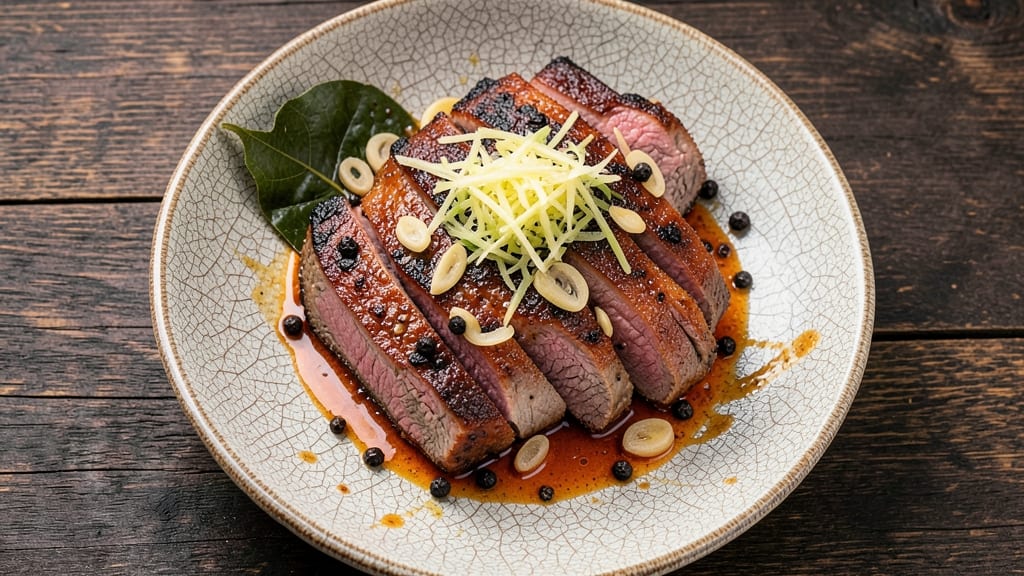
This Kapampangan Beef Asado recipe brings the smoky, tangy flavors of the Philippines straight to your grill, where tender beef meets a signature coconut vinegar marinade. The secret lies in balancing sweet kalamansi, garlic, and black pepper—traditional spices that create a zesty crust while keeping the meat juicy inside.
I’ve perfected this method over years of family gatherings, where every bite becomes a taste of home.
The magic starts with marinating the beef overnight, allowing the flavors to penetrate deeply before grilling. Unlike other asado recipes, this version incorporates coconut vinegar for a unique tang that cuts through the richness, while garlic and black pepper add depth.
The result? A dish that’s smoky, slightly sweet, and packed with layers of flavor—just like the Kapampangan tradition demands.
What makes this recipe special is its versatility. Serve it with steamed rice, bagoong (fermented shrimp paste) for extra umami, or even alongside sinigang for a full Filipino feast.
The smoky aroma alone will draw everyone to the table, and the tender, caramelized beef melts in your mouth with every bite. This isn’t just a meal—it’s a celebration of Kapampangan heritage.
Ready to master this dish? The process is straightforward, but the flavors are unforgettable. Let’s get started on creating a meal that’s as authentic as it is delicious.
Ingredients for beef asado kapampangan
Nine essential ingredients for Kapampangan Beef Asado—where smoky, tangy flavors meet tender beef on the grill.
| Ingredient | Amount | Notes |
|---|---|---|
| Beef Chuck Roast 🥩 | 2 lb | Pre-cubed for even cooking |
| Kalamansi Juice 🍋 | ½ cup | Substitute lime juice if unavailable |
| Coconut Vinegar 🥥 | ¼ cup | Canned, not the sweet variety |
| Garlic Cloves 🧄 | 8 cloves | Minced for marinade |
| Black Peppercorns 🌶️ | 1 tbsp | Freshly cracked preferred |
| Fresh Ginger 🌿 | ½ cup | Finely grated, peeled |
| Olive Oil 🫒 | ¼ cup | Extra-virgin for richness |
| Brown Sugar 🍚 | 2 tbsp | Light or dark variety |
| Salt 🧂 | 1 tbsp | Kosher or sea salt |
| Bay Leaves 🍃 | 2 whole | Dried, for aroma |
| Charcoal Briquettes 🔥 | 1 package | For authentic smoky flavor |
| Steamed White Rice 🍚 | 3 cups | For serving (cooked) |
The beef is the heart of this dish, so don’t skimp on quality. Chuck roast is ideal—it stays juicy and tender when cubed properly. Most grocery stores carry pre-cubed beef, but if you’re buying a whole roast, ask your butcher to cut it into 1.5-inch cubes. Trader Joe's and Costco often have great deals on this cut. Look for good marbling—it’s what keeps the meat moist during grilling. Kalamansi juice is the secret weapon here, but if you can’t find it, lime juice works in a pinch. The key is balancing that bright tang with the smoky richness of the grill.
Coconut vinegar might be tricky to find outside Filipino markets, but regular white vinegar with a splash of coconut milk mimics the tang. Fresh ginger and garlic are non-negotiable—they build the aromatic base. If you’re using dried spices, toast them first in a dry pan to deepen their flavor. The brown sugar isn’t just for sweetness; it helps caramelize the marinade on the grill. For the charcoal, binchotan or lump charcoal gives the best smoky flavor, but store-bought briquettes work too. Just soak them in water for 30 minutes before lighting to prevent flare-ups.
Marinate the beef for at least 4 hours (overnight is best) to let the flavors meld. Store the marinade in a sealed container in the fridge, and the beef will keep for up to 2 days submerged in it. The grilled asado reheats beautifully—just warm it in a skillet with a splash of the marinade. Leftovers keep for 3-4 days in the fridge or 3 months frozen. I always make extra because it’s that good—perfect for meal prep or feeding a crowd.
Why You'll Love This Recipe
- One-Pot Magic: I swear by this—just sear the beef, toss in the garlic and peppercorns, then let the kalamansi and coconut vinegar work their tangy sorcery. No extra pots, no fuss, and the house smells like a Kapampangan feast before the dish even hits the table.
- Tangy, Garlicky Bliss: That bright kalamansi cut through the richness of the beef like a citrusy hug, while the coconut vinegar adds this deep, funky umami that makes every bite ridiculously satisfying. Honestly, the balance is what makes it special—sweet, sour, and savory all at once.
- Weeknight or Party Star: Between us, this is my go-to for lazy Mondays and Sunday get-togethers. The leftovers? Even better cold in rice bowls the next day. And if you’re hosting? It feeds a crowd without requiring you to slave over the stove for hours.
- Budget-Friendly Powerhouse: Chuck roast is cheap, and a single pan of this feeds my family for days. I’ll be real: the first batch disappears fast, but the second? That’s when I realize I’ve just stocked my freezer with flavor for weeks. Minimal cost, maximum payoff.
Step-by-step instructions for beef asado Kapampangan
This Kapampangan classic delivers tender, smoky beef with a tangy kick—just follow these steps.
Marinate the Beef for Maximum Flavor
In a large bowl, combine the 2 lb beef chuck roast with the 0.5 cup kalamansi juice, 0.25 cup coconut vinegar, 0.5 cup finely grated fresh ginger, 8 cloves minced garlic cloves, 1 tbsp freshly cracked black peppercorns, 2 tbsp brown sugar, 1 tbsp salt, and 2 whole bay leaves. Mix thoroughly until every piece of beef is coated in the marinade.
Let the beef marinate in the refrigerator for at least 4 hours (overnight is ideal). The acidity from the coconut vinegar and kalamansi juice will tenderize the meat while infusing it with that signature Kapampangan zing. I like to turn the beef occasionally to ensure even marinating.
Prepare the Charcoal Grill for Smoky Perfection
Set up your grill using the 1 package charcoal briquettes. Light the briquettes and let them burn until they're covered with a thin layer of ash—this ensures even heat distribution. Arrange the briquettes on one side of the grill to create an indirect heat zone, which is perfect for slow-cooking the beef without burning it.
Once the charcoal is ready, add the 0.25 cup olive oil to the grill grates and let it heat until it starts to smoke slightly. This step is crucial—it adds an extra layer of richness to the beef as it cooks. The grill should maintain a temperature of 325-350°F throughout the cooking process.
Grill the Beef Low and Slow
Remove the beef from the marinade (reserve the marinade for basting) and place it on the grill. Position the beef in the indirect heat zone to ensure even cooking. Cover the grill and let the beef cook for 2-2.5 hours, or until it reaches an internal temperature of 195-203°F and is fork-tender.
Every 30 minutes, baste the beef with the reserved marinade using a basting brush. This keeps the meat moist and enhances the flavor. The beef is done when it easily pulls apart with a fork and has a deep, caramelized crust. If the marinade reduces too much, add a splash of water to keep it flowing.
Rest and Serve with Steamed White Rice
Once the beef reaches the perfect internal temperature, transfer it to a cutting board and let it rest for 15-20 minutes. This resting period allows the juices to redistribute, ensuring each bite is moist and flavorful. Tent the beef loosely with foil to keep it warm.
Slice the beef against the grain into ½-inch thick pieces and serve immediately over the 3 cups steamed white rice. The combination of tender, smoky beef and the tangy marinade creates a dish that's both hearty and refreshing—a true Kapampangan masterpiece.
Pro Tips For Making Beef Asado Kapampangan
- SEAR THE MEAT FIRST: Start with a screaming-hot pan—no half-measures—and let those garlic cloves sizzle until they’re golden, not just fragrant. I learned this the hard way: skipping the proper sear means the asado will taste more like stew than the tangy, caramelized dish it should be. Once the beef is browned, pull it out and let the garlic release its oils into the pan—this is where the flavor lives.
- USE FRESH KALAMANSI: Kalamansi juice is the soul of this dish, but store-bought bottles lose their punch fast. If you can’t find fresh ones, squeeze them yourself and strain out the seeds—even the slightest bitterness will cut through the richness of the beef. I was skeptical until I tried it: the fresh juice brightens the coconut vinegar instead of competing with it.
- LOW AND SLOW AFTER SEARING: Once the beef is browned and the garlic-vinegar-kalamansi sauce is simmering, cover the pot and walk away. The magic happens at a gentle simmer—no boiling, no rushing. I used to check it every five minutes, but the meat turns out tougher that way. Let it cook undisturbed for at least 2 hours (or until fork-tender), then adjust the sauce at the end.
- STRAIN THE PEPPERCORNS: Whole black peppercorns add depth, but if you’re not careful, they’ll turn your asado into a textural nightmare. Toast them lightly in the pan with the garlic, then strain them out before adding the beef. I know, it’s an extra step, but your teeth will thank you—no one wants to chew on peppercorn surprises in their beef.
Creative variations of this beef asado kapampangan
Kapampangan-Style Spicy Twist
For a bolder version, add 1 tbsp of finely chopped siling labuyo (bird’s eye chili) or 1 tsp of ground chili to the marinade. This mirrors how some Kapampangan families adjust the heat to taste.
I’ve found that ½ tsp of ground nutmeg also pairs beautifully with the coconut vinegar, adding warmth without overpowering the tang. Serve with extra chili flakes on the side for those who want more heat. 🌶️
Coconut Milk Braised Version
Skip the grill entirely and braise the beef in a coconut milk-based sauce for a restaurant-style twist. After marinating, sear the beef in a heavy Dutch oven with 1 tbsp olive oil over medium-high heat for 3-4 minutes per side.
Then, deglaze with 1 cup coconut milk and ½ cup reserved marinade, simmering for 1.5 hours until tender. Finish with 2 tbsp fish sauce for umami depth. This method works wonders for cooler weather when grilling isn’t an option.
Slow-Cooker Adaptation
For a hands-off approach, use a slow cooker set to low heat for 6-8 hours. Start by searing the beef in a skillet (as above), then transfer it to the slow cooker with the marinade. Add ½ cup water to prevent burning.
The result? Fall-apart tender beef with all the smoky, tangy flavors—perfect for busy weeknights. I like to finish it with a quick sear in a hot pan to mimic the grill’s crust. ⏰
Vegetarian Adaptation
Swap the beef for extra-firm tofu or portobello mushrooms for a plant-based version. Press the tofu to remove excess water, then cube and marinate in the same sauce for at least 6 hours. Grill or braise as directed, but reduce cooking time to 45-60 minutes (tofu cooks faster).
For mushrooms, use 1.5 lbs and grill for 20-25 minutes, basting frequently. The umami from mushrooms holds up surprisingly well to the tangy marinade. 🌱
Regional Tagalog Variations
In nearby Pampanga, some families add calamansi leaves to the marinade for extra citrus aroma. Others include a pinch of annatto (achuete) for a vibrant red hue and earthy notes.
For a Bicolano twist, stir 1 tbsp of bagoong (fermented shrimp paste) into the marinade—it deepens the savory profile. Each variation keeps the core flavors intact while adding local flair. 🗺️
Make-Ahead Marinade
Double the marinade and use half for immediate cooking, saving the rest for future meals. Store the extra marinade in an airtight container in the fridge for up to 2 weeks or freeze it for 3 months.
Thaw overnight in the fridge before using. I’ve used this trick to prep for gatherings—just marinate fresh beef the night before and grill to perfection. The flavors actually improve over time! 💡
Nutrition facts
Frequently asked questions
Can I use regular white vinegar instead of coconut vinegar?
Yes, but the flavor will differ slightly. Coconut vinegar gives that signature tangy-sweet profile unique to Kapampangan asado. For a close substitute, mix ¼ cup white vinegar with 2 tbsp coconut milk powder (or a splash of coconut milk) to mimic the depth. The dish will still taste delicious, just with a more traditional vinegar sharpness.
How do I know when the beef is fully cooked?
Use a meat thermometer for precision—the beef is done when it reaches 195-203°F internally. The meat should also pull apart easily with a fork and have a deep caramelized crust. If using a thermometer isn't an option, cut into a small piece: the juices should run clear, not pink. Overcooking can dry out the beef, so aim for the lower end of the temperature range.
What's the best way to store leftovers?
Let the beef cool completely, then store it in an airtight container in the fridge for up to 4 days. For longer storage, freeze the sliced beef in a single layer before transferring to a freezer bag (up to 3 months). Reheat gently in a skillet with a splash of the marinade or water to restore moisture. The flavors actually deepen when reheated slowly.
Can I make this recipe without a grill?
Use a cast-iron skillet or Dutch oven on the stovetop. Sear the beef first, then cover and cook on low heat for 1.5-2 hours with the marinade, adding water as needed. For extra smokiness, place a metal tray with wood chips underneath the skillet. The result will be tender beef with a slightly different texture but all the flavor.
What sides pair best with Kapampangan Beef Asado?
Classic pairings include steamed white rice, bagoong (fermented shrimp paste) for dipping, and sinigang (sour tamarind soup) to balance the richness. For a lighter option, serve with grilled eggplant or a fresh kalamansi salad. The tangy-sweet flavors of the asado complement these sides perfectly, creating a well-rounded meal.