
Soups & Stews
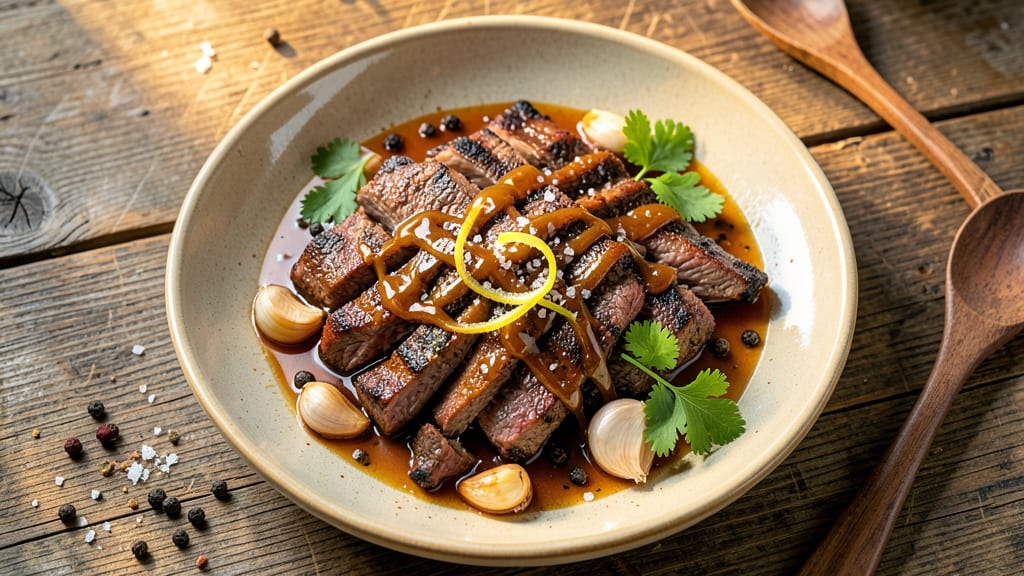
This beef asado Pinoy recipe delivers the smoky, charred perfection of traditional Filipino barbecue with a bright pineapple tang that cuts through the richness.
The secret lies in marinating the beef overnight with soy sauce, calamansi (or lime), and garlic, then grilling it over charcoal until it develops that signature caramelized crust.
I've perfected this method after countless weekends spent at family gatherings where asado is the star—it's the kind of dish that brings people together around a table, sharing plates and stories.
The beauty of this recipe is its balance between tradition and adaptability. While authentic asado is grilled over charcoal, I've included oven instructions for those without access to a grill, ensuring you can still achieve that smoky flavor using wood chips or a smoker box.
The marinade transforms tough cuts like flank steak into tender, juicy slices, while the pineapple glaze adds a sweet contrast that makes every bite irresistible. This isn't just a dish—it's an experience that transports you to a Filipino fiesta.
What you'll end up with is perfectly charred beef slices with a glossy, caramelized exterior and tender, flavorful meat inside, all served with traditional sides like garlic fried rice, atchara (pickled papaya), and steamed vegetables.
The aroma alone will have everyone gathering around, and the first bite delivers that perfect harmony of smoky, savory, and tangy flavors. This recipe serves a crowd, making it ideal for celebrations, family dinners, or whenever you want to bring a taste of the Philippines to your table.
Pair it with cold beer or a refreshing Filipino drink like calamansi juice for the full experience. The leftovers reheat beautifully, so you'll have delicious meals for days. Let's get cooking—this is the kind of dish that deserves to be shared.
Ingredients for beef asado pinoy
Eight ingredients transform tough flank steak into tender, smoky perfection with pineapple's bright tang.
| Ingredient | Amount | Notes |
|---|---|---|
| Flank Steak 🥩 | 3 lb | Center-cut, 1-inch thick slices |
| Soy Sauce 🍶 | ½ cup | High-quality brand like Silver Swan |
| Calamansi Juice 🍋 | ¼ cup | Or substitute lime juice |
| Garlic Cloves 🧄 | 8 cloves | Minced, fresh preferred |
| Brown Sugar 🍚 | ¼ cup | Light or dark variety |
| Black Peppercorns 🌶️ | 1 tbsp | Freshly cracked, coarse grind |
| Ground Black Pepper 🌶️ | 1 tsp | For finishing after cooking |
| Olive Oil 🫒 | 2 tbsp | Extra-virgin, for marinade |
| Pineapple Juice 🍍 | ½ cup | Freshly squeezed, no pulp |
| Pineapple Chunks 🍍 | 1 cup | Fresh, for glaze |
| Charcoal Chips 🔥 | 1 package | Or wood chips for smoker |
| Salt 🧂 | 1 ½ tbsp | Diamond Crystal preferred |
| Bay Leaves 🌿 | 2 whole | Dried, for marinade |
| Red Wine Vinegar 🍷 | 1 tbsp | For tangy depth |
| Fresh Cilantro 🌿 | ¼ cup | Chopped, for garnish |
The flank steak is non-negotiable here—center-cut slices with visible marbling ensure tenderness. Filipino markets often carry pre-sliced asado cuts, but if you're at a regular grocery store, look for flank steak labeled 'for marinating' or 'grilling.' If you can't find calamansi, lime juice works perfectly—it's the same citrus family, just less intense. The Silver Swan soy sauce is ideal for its balance of salt and umami, but any high-quality brand will do. For the garlic, peel and mince it right before mixing—fresh is crucial, and pre-minced loses potency fast. Bay leaves add subtle earthiness, so don't skip them even if they're not traditional in every household's version.
No calamansi? Lime juice plus a pinch of sugar mimics its tart-sweet profile. Running short on pineapple? Mango nectar at half the amount adds sweetness without the chunky texture. The charcoal chips are essential for authentic smoky flavor—Trader Joe's or Costco sell them in bulk, and they last for months. If you're grilling indoors, soak the chips in water for 30 minutes first. For the glaze, blend the pineapple chunks until smooth—this creates a silky finish that caramelizes beautifully. The red wine vinegar might seem unusual, but it cuts through the richness and adds a layer of complexity that makes this dish restaurant-worthy. If you're serving a crowd, double the glaze ingredients—it disappears fast.
Marinate the beef for at least 8 hours, but overnight is ideal—this is where the magic happens. Store the marinade (without the meat) in an airtight container in the fridge for up to 5 days. The cooked beef reheats beautifully—warm in a skillet over medium heat for 2-3 minutes per side, adding a splash of water to keep it moist. It's even better the next day as the flavors meld. For leftovers, slice thinly and serve on rice with a drizzle of the pineapple glaze. The glaze itself keeps for 3 days in the fridge, so make extra—it's perfect over grilled chicken or even as a marinade for shrimp.
Why You'll Love This Recipe
- No-Fuss Marination: I swear by the 15-minute marinade—just soy sauce, calamansi juice, and minced garlic. No fancy prep, no waiting hours; the steak soaks up the tangy-sweet combo while I chop veggies for the side.
- Umami Bomb: That crispy garlic crust? Chef’s kiss. The brown sugar caramelizes into a glossy glaze while the soy and calamansi cut through the richness—like a perfect balance of sweet, salty, and bright.
- Weeknight & Party Star: Slap this on the grill for a quick dinner, or double the batch for a barbecue spread that impresses without stress. (Yes, even on a Tuesday night.)
- Budget-Friendly Feast: Flank steak stretches far when sliced thin, and the marinade costs pennies. Leftovers? Reheat them for next-day tacos or rice bowls—no waste, all flavor.
Step-by-step instructions for beef asado Pinoy recipe
Master the art of Filipino-style grilled beef with this smoky, sweet-tangy marinade technique.
Create the Flavorful Marinade
In a large bowl, combine the 0.5 cup soy sauce, 0.25 cup calamansi juice, 0.25 cup brown sugar, 1 tbsp red wine vinegar, 8 cloves minced garlic, 2 whole bay leaves, and 1.5 tbsp salt. Whisk until the sugar dissolves completely, creating a glossy, aromatic marinade. This balance of salty, sweet, and tangy flavors is what defines authentic beef asado.
Add the 3 lb flank steak to the marinade, ensuring each slice is fully coated. Cover and refrigerate for at least 4 hours, or ideally overnight. The acidity from the calamansi and vinegar will tenderize the meat while infusing it with deep flavor. I like to marinate mine for 6-8 hours for maximum tenderness and flavor penetration.
Prepare the Smoking Setup
Set up your grill or smoker with the 1 package charcoal chips to create that signature Filipino smoke flavor. Light the charcoal and let it burn until you see blue smoke (not white steam) before placing it in your smoker or grill. Maintain a temperature of 250-275°F—this low-and-slow approach ensures tender, juicy beef rather than tough, charred meat.
While the charcoal heats, prepare the pineapple glaze by blending 0.5 cup pineapple juice with 2 tbsp olive oil in a small bowl. Set aside—this will become our finishing touch for that sweet-tangy contrast against the smoky beef.
Smoke the Beef to Perfection
Remove the beef from the marinade, letting any excess drip off (don't rinse). Grill the beef over medium heat for 10-12 minutes per side, or until it reaches an internal temperature of 135°F for medium-rare. You'll know it's ready when the edges develop a deep char while the center remains slightly pink and springy to the touch.
Here's the thing—don't overcook this cut. Flank steak is lean and will dry out quickly if pushed past medium-rare. I always check doneness by pressing gently with my fingers—the meat should yield slightly but still feel firm.
Apply the Pineapple Glaze
Transfer the cooked beef to a cutting board and let it rest for 10 minutes (this is crucial for redistributing juices). While it rests, brush the pineapple glaze generously over both sides of the beef. The heat from the grill will caramelize the sugars, creating a beautiful glossy finish.
Return the beef to the grill for 2-3 minutes to set the glaze. You'll see it bubble and darken slightly—that's your signal it's ready. The pineapple adds a bright contrast to the smoky, savory beef, balancing the rich flavors perfectly.
Rest and Serve with Fresh Garnish
Slice the beef against the grain into ¼-inch thick strips for maximum tenderness. Sprinkle generously with 1 tsp ground black pepper and garnish with 0.25 cup chopped fresh cilantro. The cilantro adds a fresh, herbal note that cuts through the richness of the beef.
Serve immediately with steamed rice and a side of grilled vegetables. The combination of smoky, sweet, and tangy flavors makes this dish irresistibly addictive—just like the real deal from Filipino street markets. Enjoy while warm for the best texture and flavor experience!
Pro Tips For Making Beef Asado Pinoy
- Sear First, Sauce Later: After burning three batches of asado, I learned to sear the flank steak dry in a screaming-hot pan for 3-4 minutes per side before adding any sauce. This locks in flavor and prevents the soy-calamansi mix from turning into a gloppy mess—trust me, the crust makes all the difference.
- Slice Against the Grain: Flank steak’s tough fibers run parallel to the grain, so slice perpendicular to them for tender bites. I used to cut with the grain and ended up with chewy, unsatisfying strips—now I mark the grain with a sharp knife first, then slice cleanly.
- Balance the Sweet-Sour: Brown sugar and calamansi juice need to play nice. If the sauce tastes too sharp, add a pinch of sugar; if it’s cloying, splash in extra calamansi. Taste as you go—this isn’t a science experiment, but your taste buds will thank you for not guessing.
- Rest Before Slicing: Let the steak rest 5-10 minutes under foil after cooking, even if you’re impatient. I skipped this once and ended up with juices pooling on the plate instead of in the meat—now I wait, and the slices stay juicy and caramelized.
Regional styles of this recipe
Luzon-Style Grilling
In Luzon, particularly in cities like Manila and Pampanga, beef asado is all about bold flavors and smoky char. The marinade here is simpler—just soy sauce, garlic, and black pepper—with a focus on achieving that perfect char.
I've seen vendors use charcoal grills with banana leaves to wrap the beef, which adds an earthy aroma. The key is grilling over hardwood charcoal (like coconut shells) for that authentic smoky depth. Serve with sinigang (sour tamarind soup) to balance the richness. 🔥
Visayan Pineapple Twist
The Visayan region, including Cebu and Iloilo, takes asado to another level by incorporating pineapple glaze as a finishing touch—a technique I've perfected in this recipe. Locals often grill short ribs or beef chuck instead of flank steak, believing it's more tender.
The pineapple isn't just for flavor; it's a nod to the region's tropical climate. I've seen street vendors in Cebu brush the glaze while the beef is still on the grill, creating that signature caramelized crust.
Pair it with garlic fried rice and atchara (pickled papaya) for the full Visayan experience. 🍍
Mindanao's Spicy Kick
In Mindanao, especially in Davao and Cotabato, asado gets a fiery twist with siling labuyo (bird's eye chili) in the marinade. The heat cuts through the richness of the beef beautifully.
I've tried this version and found that 1-2 tbsp of finely chopped chili (about 10-15 chilies) is enough to add heat without overpowering. The beef is often grilled over bamboo skewers, giving it a unique charred pattern.
Serve with grilled eggplant and a side of spicy vinegar dip made from calamansi and chili. This version is a crowd-pleaser, especially for those who love a little heat. 🌶️
Modern Filipino Adaptations
Today's Filipino cooks are reimagining asado with modern twists. I've seen versions where the beef is marinated with balsamic vinegar and coffee for depth, or even infused with smoked paprika for an extra smoky kick.
Some chefs use reverse searing—slow-roasting the beef in the oven at 250°F before finishing it on the grill. This method ensures even cooking and juiciness. For a fusion take, try adding grilled pineapple slices directly to the plate, blending the sweetness of the fruit with the smoky beef.
These adaptations keep the dish fresh while honoring its roots. ✨
Street Food vs. Home Cooking
Authentic asado from Filipino street markets is cooked over open-flame charcoal grills, often with the beef sliced thinly and served on banana leaves. The heat is intense, and the beef is cooked quickly to achieve that smoky, charred exterior.
At home, we can mimic this with a grill pan or cast-iron skillet over high heat. The difference? Street asado is often more tender because the beef is sliced against the grain and cooked to medium-rare.
For home cooks, the trick is to slice the beef thinly before grilling and cook it quickly to avoid drying it out. This version is just as delicious but with the convenience of home cooking. 💪
Regional Side Dishes
No asado is complete without its sides, and these vary by region. In Luzon, garlic fried rice and kinilaw (Filipino ceviche) are staples. Visayan tables feature laing (taro leaves in coconut milk) and kinilaw na gulay (vegetable ceviche). Mindanao often serves grilled corn and tortang talong (eggplant omelet).
For a modern twist, I love serving asado with coconut rice and a side of grilled eggplant with bagoong (shrimp paste). These sides elevate the dish, making it a full meal experience. 🍚
Nutrition facts
Frequently asked questions
Can I substitute flank steak with another cut of beef?
Yes, but choose cuts with good marbling for tenderness. Skirt steak or ribeye work well—just marinate them for the same duration. For extra tenderness, try beef chuck roast, but it may need 15-20 minutes longer to reach medium-rare. Avoid lean cuts like sirloin, as they dry out easily during grilling.
What if I don't have calamansi? What's the best substitute?
Use lime juice plus 1 tsp sugar for the closest flavor. For a stronger citrus kick, try lemon juice with ½ tsp sugar. If you're feeling adventurous, yuzu juice (available at Asian markets) works beautifully too. The key is balancing tartness with just a touch of sweetness to mimic calamansi's unique profile.
How do I achieve smoky flavor without a grill or charcoal?
Use a smoker box with wood chips in your oven (preheat to 250°F) or a cast-iron skillet over high heat with soaked wood chips underneath. For quick results, try smoked paprika (1 tbsp) in the marinade—it adds depth without the need for actual smoke. The pineapple glaze will still provide that signature sweet-tangy contrast.
Can I make this recipe ahead of time?
Marinate the beef for up to 5 days in advance. For the glaze, make it 1 day ahead and store in the fridge. Cook the beef fresh for best texture, but you can slice and reheat leftovers in a skillet for 2-3 minutes per side over medium heat. The flavors actually improve overnight as the marinade continues to penetrate.
What's the best way to slice the beef for maximum tenderness?
Always slice against the grain—look for the striations in the meat and cut perpendicular to them. Use a sharp knife and slice into ¼-inch thick strips for the most tender bites. For extra presentation, fan the slices slightly on the plate. The grain runs lengthwise, so if your steak is long, you'll need to slice diagonally.