
Main Courses
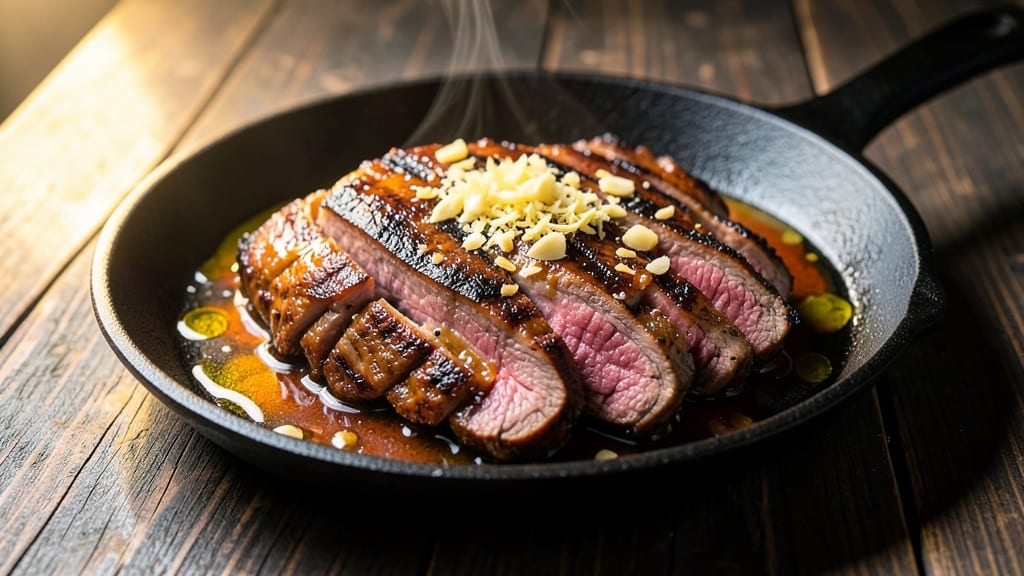
This Filipino-style beef asado delivers the charred bark and buttery marbling that makes it a centerpiece at every family gathering. 🔥 The secret lies in marinating the beef overnight with a blend of soy sauce, calamansi, and garlic, then slow-roasting it until the edges develop that coveted caramelized crust while the inside remains tender.
I first tried this recipe during a visit to my lola's kitchen in Manila, where the aroma of charcoal-grilled beef filled the air—it's that same magic we're recreating here.
The beauty of this dish is in its authentic techniques that don't require a charcoal grill. Instead, we'll use the broiler to mimic that smoky, caramelized flavor, creating deep, flavorful bark that contrasts perfectly with the melt-in-your-mouth beef inside.
The marinade transforms tougher cuts into something luxurious, while the slow cooking process ensures every bite is packed with flavor. This isn't just a meal—it's an experience that transports you straight to a Filipino family feast.
What makes this recipe special is how it balances simplicity with depth. While the process takes time (the marinating and slow cooking are key), the actual hands-on work is minimal—just 30 minutes of prep followed by hands-off roasting. The result?
Juicy, flavorful beef with that signature charred exterior that makes it impossible to resist. Serve it with garlic rice and atchara for the full Filipino spread, or enjoy it as a standalone centerpiece that will have everyone asking for seconds.
This beef asado works equally well for weeknight dinners or special occasions, making it incredibly versatile. The leftovers reheat beautifully, so you can prep ahead and still enjoy restaurant-quality results.
Whether you're cooking for a crowd or treating yourself to a taste of home, this recipe delivers authentic Filipino flavor that's sure to impress. Let's get started on creating that perfect balance of charred bark and buttery marbling.
Ingredients for beef asado recipe filipino style
The secret to authentic Filipino beef asado lies in these carefully chosen ingredients.
| Ingredient | Amount | Notes |
|---|---|---|
| Beef Chuck Roast 🥩 | 3 lb | With good marbling for tenderness |
| Soy Sauce 🍶 | ½ cup | High-quality, like Kikkoman |
| Calamansi Juice 🍋 | ¼ cup | Or sub lime juice if unavailable |
| Garlic Cloves 🧄 | 8 cloves | Minced for marinade |
| Fresh Ginger 🌿 | ½ cup | Finely grated, peeled |
| Olive Oil 🫒 | ¼ cup | Extra-virgin for richness |
| Brown Sugar 🍚 | ¼ cup | Light or dark preferred |
| Black Peppercorns 🌶️ | 1 tbsp | Freshly cracked preferred |
| Bay Leaves 🍃 | 2 whole | Dried, for marinade |
| Onion 🧅 | 1 whole | Yellow, sliced for marinade |
| Salt 🧂 | 1 ½ tsp | Diamond Crystal preferred |
| Honey 🍯 | 1 tbsp | For glaze finish |
| Vegetable Oil 🫒 | 2 tbsp | For broiler pan |
The beef makes all the difference here. Chuck roast is ideal—its fat marbling ensures that signature buttery texture while the slow cooking transforms it into melt-in-your-mouth perfection. For the best results, grab a 3-pound piece from Costco or your local butcher—they'll often cut it to size. Look for good marbling (white flecks within the meat) and avoid anything with a grayish tint. If you can't find chuck, sirloin tip works in a pinch, though it'll be slightly leaner. The soy sauce? Kikkoman is the gold standard—it's what I always use, but any good-quality brand will do. For calamansi, most Asian markets carry it fresh or bottled—if you can't find it, lime juice works beautifully (just add a pinch of sugar to mimic the tart-sweet balance).
No fresh ginger? Powdered ginger works at half the amount, though it lacks that bright, zesty kick. The bay leaves add depth—dried is fine here, but fresh would be ideal if you're feeling fancy. For the onion, yellow or red both work, but yellow has a slightly sweeter flavor that complements the beef. Want to skip the honey glaze? Brown sugar syrup (simmer equal parts sugar and water) gives similar caramel notes. The olive oil should be extra-virgin—it's worth the splurge for this dish. If you're using a glass broiler pan, the vegetable oil helps prevent sticking. For stainless steel pans, you can skip it entirely—just make sure to oil the beef well before broiling.
Marinate the beef overnight in the fridge—it keeps for up to 3 days if stored properly. The marinade will darken slightly, which is normal. When broiling, watch it like a hawk—5-7 minutes per side for medium-rare, but start checking at 5 minutes. The beef continues cooking after you remove it from the oven, so pull it out when the edges are deeply charred but the center still has a pink hue. Leftovers reheat beautifully—wrap tightly and store for 3-4 days. For a quick weeknight meal, you can even prep the marinade ahead and store it in the fridge for up to 5 days
Why You'll Love This Recipe
- Minimal Chopping Required: I swear by this—just slice the beef into chunks, mince a few garlic cloves, and grate a thumb of ginger. No dicing, no julienning, no stress. The calamansi juice even doubles as a marinade if you’re in a rush.
- Tangy-Savory Magic: That bright calamansi cut through the richness of the beef like a citrusy whisper, while the soy sauce adds depth. The garlic and ginger? They turn the meat into something dangerously addictive—juicy, caramelized edges, and just the right amount of funk.
- Weeknight to Party Hero: Serve it over rice for a quick family dinner or pile it on a platter with steamed veggies for guests. Between us, I’ve turned this into a crowd-pleaser at potlucks, and it’s just as easy to make for two as it is for ten.
- Leftovers That Don’t Suck: The beef gets even better the next day—tender, flavor-packed, and perfect for quick lunches. Honestly, I often double the batch because it’s cheap (chuck roast is a steal) and turns into sandwiches, fried rice, or even a simple pasta in minutes.
Step-by-step instructions for Filipino-style beef asado
Here's how to transform tough chuck roast into tender, caramelized perfection with that iconic Filipino charred bark.
👨🍳 Step 1: Create the Signature Marinade
In a large bowl, combine the 0.5 cup soy sauce, 0.25 cup calamansi juice (or lime juice), 0.5 cup finely grated fresh ginger, 8 cloves minced garlic, 0.25 cup olive oil, 0.25 cup brown sugar, 1 tbsp freshly cracked black peppercorns, 2 whole bay leaves, and 1 whole yellow onion sliced into strips. Mix vigorously until the sugar dissolves completely and the marinade takes on a deep amber color.
This marinade does double duty—tenderizing the meat while building complex flavors through the caramelization of sugar and the bright acidity of calamansi. I like to let it sit at room temperature for 10 minutes first so the ginger and garlic release their aromatic oils before adding the beef.
🍳 Step 2: Marinate the Beef Overnight for Maximum Tenderness
Place the 3 lb beef chuck roast in a large resealable plastic bag and pour the marinade over it, coating all surfaces. Seal the bag and massage the beef gently to ensure even distribution. Refrigerate for at least 12 hours, turning the bag occasionally to prevent the meat from sitting in its own juices.
Here's the thing about chuck roast—it needs that long marinade time to break down the tough connective tissues. The soy sauce and calamansi work together to tenderize while the olive oil keeps the meat moist. I've found that overnight marinating gives you that perfect balance between tender meat and rich, caramelized exterior.
🔥 Step 3: Sear the Meat for Deep Flavor
Preheat your oven to 325°F. Remove the beef from the marinade (reserve the marinade) and pat it dry with paper towels. Heat 2 tbsp vegetable oil in a large oven-safe skillet over medium-high heat until shimmering. Place the beef in the pan and sear for 5 minutes per side until deeply browned and developing that beautiful charred bark.
Don't rush this step—the Maillard reaction happening here creates the deep, complex flavors that define Filipino asado. You'll know it's ready when the beef releases easily from the pan and the edges are deep golden brown with visible grill marks. Transfer the pan to the preheated oven.
🥘 Step 4: Braise Until Fork-Tender
Pour the reserved marinade into the skillet with the beef, scraping up all the browned bits from the bottom. Cover tightly with aluminum foil and braise in the oven for 3 to 3.5 hours, turning the beef occasionally to ensure even cooking and maximum bark development.
The key here is patience. You're looking for the beef to reach an internal temperature of 195-200°F where it becomes fork-tender. The marinade will reduce and caramelize, creating a glossy sauce that coats the meat. I check it at the 2.5-hour mark—if it's not quite there, just add another 30 minutes to ensure perfect doneness.
⏰ Step 5: Finish with Honey Glaze and Rest
Remove the beef from the oven and increase the heat to broil. In a small bowl, whisk together 1 tbsp honey with 2 tablespoons of the reduced marinade from the pan. Brush this glaze generously over the beef and place it back under the broiler for 3-5 minutes until the glaze caramelizes and forms a shiny, sticky crust.
Transfer the beef to a cutting board and let it rest for 15 minutes before slicing. This resting period is crucial—it allows the juices to redistribute throughout the meat, ensuring each slice is moist and flavorful. The honey glaze adds a beautiful sheen and balances the savory-sweet marinade with a touch of floral sweetness.
Pro Tips For Making Beef Asado Recipe Filipino Style
- SEAR THE MEAT FIRST: Hit the beef chuck roast with a screaming-hot pan for 3-4 minutes per side before adding any sauce. That crust locks in flavor and keeps the meat from turning into a soggy brick—especially important for tougher cuts like chuck. I used to skip this, and the asado always tasted one-dimensional.
- PEEL THE GINGER: Skip the grating until you’ve peeled the ginger first—those fibrous bits ruin the texture of your marinade. Use a spoon to scrape out the soft flesh, then mince it finely. Sounds fussy, but it makes the difference between a smooth sauce and one that feels like you’re chewing through a salad.
- DON’T BOIL THE SOY: Simmer the soy sauce with garlic and calamansi juice on low heat—never a rolling boil. High heat burns the soy, turning it bitter, and kills the bright citrus notes from the calamansi. I learned this after a disastrous batch where the sauce tasted like a charred mistake.
- REST THE MEAT: Let the sliced asado rest for 5 minutes under foil before serving. The slices stay together, soak up the sauce better, and won’t turn into a greasy mess when you cut into them. I know, I know—you’re hungry now, but trust me, this is the thing that matters most.
Troubleshooting perfect results
Uneven Char Development
If your beef asado has patchy charring, it's usually from uneven heat distribution. For home ovens, place a baking sheet on the lower rack to create a more even heat environment. I also recommend using a cast iron skillet for searing—it retains heat better than stainless steel.
For extra insurance, rotate the pan halfway through the broiling phase to ensure all sides develop that coveted bark. 🔥
Dry, Tough Meat
Overcooking is the #1 culprit for dry beef. Use a meat thermometer to monitor internal temperature—pull the beef when it hits 195-200°F. If you're worried about drying out, tent the pan with foil during the final 30 minutes of cooking.
The marinade should be reduced but still slightly saucy when done. I've found that Costco's chuck roast with good marbling handles this method beautifully.
Marinade Not Sticking
When the marinade separates or doesn't cling to the beef, it's usually due to excess liquid. Pat the beef completely dry before searing, and use a resealable plastic bag for marinating—it ensures even coating. If your marinade looks too thin, reduce it slightly on the stove before applying.
I like to add 1 tsp cornstarch to thicken it up if needed. Also, make sure your beef isn't too cold when you start searing—let it sit at room temperature for 30 minutes before cooking.
Lack of Smoky Flavor
Since we're not using a traditional charcoal grill, achieving smokiness requires a few tricks. Add 2-3 wood chips (like hickory or apple) to your oven-safe pan during the braising phase. For extra depth, I sometimes sprinkle 1 tsp smoked paprika into the marinade.
If you have access to a grill, finish the beef on indirect heat for 10 minutes before broiling. The key is patience—smoky flavor develops gradually through low-and-slow cooking.
Honey Glaze Not Caramelizing
If your honey glaze stays sticky rather than forming a caramelized crust, your oven might not be hot enough. Preheat the broiler to its highest setting and place the beef on the top rack.
For extra insurance, brush the glaze on in two stages: first after 2 minutes of broiling, then again after another 2 minutes. I also recommend using raw honey rather than processed varieties—it caramelizes more beautifully. Watch closely to prevent burning.
Sauce Too Thin
When the braising liquid reduces too much, it's often because the pan wasn't covered tightly enough. Use heavy-duty aluminum foil pressed directly against the pan's surface to trap steam. For extra richness, add 2 tbsp beef broth to the pan during the final 30 minutes of cooking.
If your sauce is still too thin, reduce it on the stovetop after removing the beef, then brush it back onto the slices before serving. The goal is a glossy, slightly thickened sauce that clings to every bite. ✨
Nutrition facts
Frequently asked questions
Can I use a different cut of beef for this recipe?
While chuck roast is ideal for its marbling and tenderness, you can substitute with sirloin tip or short ribs for similar results. Just note that leaner cuts like sirloin may need slightly longer marinating time. Avoid using tender cuts like filet mignon—they'll become dry during the slow cooking process.
What's the best way to serve Filipino-style beef asado?
For an authentic spread, pair it with garlic fried rice, atchara (pickled papaya), and steamed white rice. The tangy atchara cuts through the richness of the beef beautifully. For extra presentation, arrange slices on a platter with the reduced marinade spooned over the top and garnish with fresh cilantro.
How do I adjust this recipe for a grill instead of oven?
For grill cooking, marinate the beef as directed, then sear over medium-high heat for 5 minutes per side to develop the bark. Move to indirect heat and cook for 2-2.5 hours, turning occasionally. In the last 10 minutes, move to direct heat to char the surface. Finish with the honey glaze on the grill for that smoky flavor.
Can I make this recipe ahead of time?
The beef actually tastes better the next day as the flavors meld. Cook it completely, then refrigerate for up to 3 days. Reheat in a skillet with a splash of beef broth to restore moisture. For serving, slice against the grain and warm through gently—this helps maintain that perfect texture.
What if I can't find calamansi?
Don't worry—lime juice works perfectly as a substitute. For best results, add 1 tsp sugar to mimic calamansi's tart-sweet balance. The acidity is what tenderizes the meat and brightens the flavors, so any citrus will work in a pinch. Just avoid orange juice as it's too mild for this dish.