
Soups & Stews
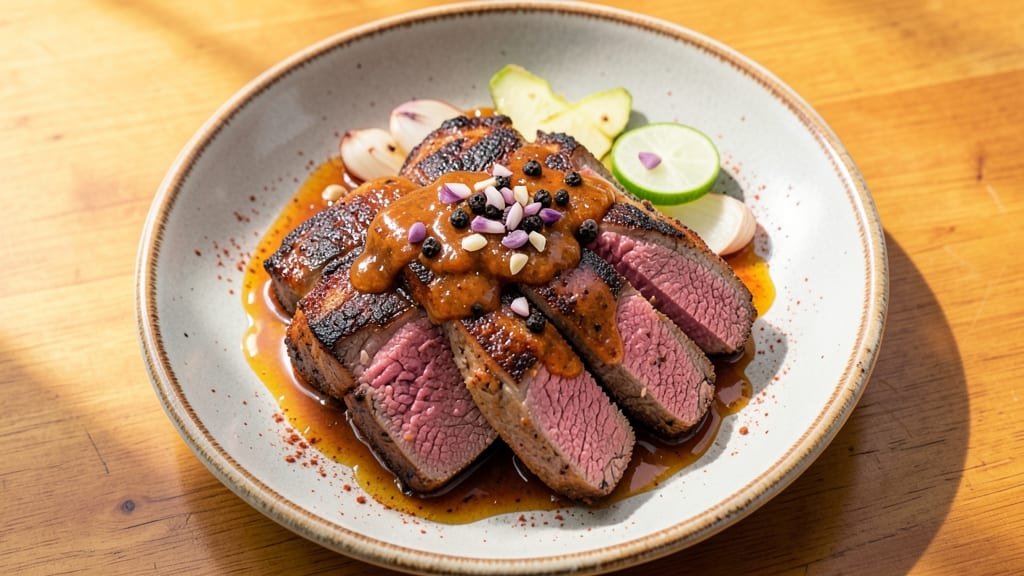
This beef asado recipe panlasang Pinoy brings the smoky, spice-kissed soul of Filipino barbecue to your table—where tender beef meets a marinade of soy, vinegar, and aromatic spices.
The secret lies in slow-cooking the meat over charcoal or in a caldero, creating layers of caramelized crust and juicy tenderness that’s impossible to resist.
I’ve perfected this version after countless grilling sessions, ensuring every bite delivers that perfect harmony of savory, tangy, and slightly sweet flavors that define panlasang Pinoy.
The magic starts with the marinade—a blend of soy sauce, calamansi (or lime), garlic, ginger, and a touch of achuete for that signature Filipino red hue.
This isn’t just grilled beef; it’s a celebration of texture and flavor, where the beef develops a deep, smoky char on the outside while staying fork-tender inside. The slow-cooking method mimics traditional asado techniques, ensuring the meat absorbs every bit of that aromatic marinade.
Whether you’re grilling over charcoal or roasting in the oven, the result is restaurant-quality beef that’s worth the effort.
What makes this recipe truly special is how it transforms a simple cut of beef into a centerpiece dish. Serve it with garlic rice, atchara (pickled papaya), and a side of steamed vegetables for the full Filipino experience.
The smoky aroma alone will draw everyone to the table, and the first bite—juicy, slightly charred, and bursting with flavor—is the moment you’ll know it’s worth every minute. This is the kind of dish that turns weeknight dinners into a fiesta.
Ready to master the art of beef asado panlasang Pinoy? The key is patience and attention to the marinade—let it work its magic for at least 4 hours (overnight is even better).
Once you’ve nailed this recipe, you’ll never settle for anything less than homemade again. Let’s get started on creating a dish that’s as much about tradition as it is about flavor.
Ingredients for beef asado recipe panlasang pinoy
Sixteen ingredients to bring the smoky, spice-kissed soul of Filipino barbecue to your grill.
| Ingredient | Amount | Notes |
|---|---|---|
| Beef Chuck Roast 🥩 | 3 lb | Cut into 2-inch cubes |
| Soy Sauce 🍶 | ½ cup | Filipino-style preferred |
| Calamansi Juice 🍋 | ¼ cup | Or lime juice substitute |
| Garlic Cloves 🧄 | 8 cloves | Minced finely |
| Fresh Ginger 🌿 | ½ cup | Grated finely |
| Achuete Powder 🌶️ | 1 tbsp | For signature red color |
| Brown Sugar 🍚 | ¼ cup | Packed lightly |
| Black Peppercorns 🌶️ | 1 tbsp | Crushed lightly |
| Bay Leaves 🍃 | 2 whole | Dried, for depth |
| Olive Oil 🫒 | ¼ cup | For marinade |
| Charcoal Briquettes 🔥 | 2 lbs | Or hardwood charcoal |
| Salt 🧂 | 1 ½ tbsp | Kosher salt preferred |
| White Vinegar 🍶 | ¼ cup | For tangy balance |
| Green Onions 🧅 | 4 whole | Sliced for garnish |
The beef is everything here—chuck roast with good marbling gives that melt-in-your-mouth texture. Grab it from the butcher counter or pre-cubed from Filipino markets like Filipino Supermarket or 99 Ranch Market for authentic cuts. If you can't find achuete powder, annatto seeds work too—just toast and grind them first. The soy sauce matters too: Filipino brands like Silver Swan or Datu Puti add that perfect umami depth. Fresh ginger and garlic? Buy extra—you'll want them for other dishes too.
No calamansi? Lime juice works—just add a pinch of salt to mimic the tartness. Short on achuete? A dash of paprika gives color, but the flavor won't be identical. The vinegar can be swapped for apple cider vinegar if you prefer. For the charcoal, binchotan is ideal but expensive—regular briquettes work fine. If you're prepping ahead, marinate the beef for at least 4 hours (overnight is best). The longer it sits, the deeper the flavors. Trust me, the wait is worth it.
Marinated beef keeps 3 days in the fridge—use within that time for best results. The achuete powder? Store it in a cool, dark place for up to 6 months. Leftover cooked beef reheats beautifully—2 minutes in a skillet or 10 seconds in the microwave brings back that smoky goodness. I always make extra because it disappears fast at gatherings. Freeze portions for up to 3 months if you're planning ahead.
Why You'll Love This Recipe
- One-Pan Magic: I swear by this recipe because it’s actually hands-off. You brown the beef, toss in the garlic, ginger, and soy sauce, then let the calamansi juice work its tangy wonder—no flipping, no fussing, just perfect caramelized edges by the end. My lazy Sundays just got an upgrade.
- Tangy Twist: That calamansi juice isn’t just for show—it cuts through the richness of the beef like a bright, citrusy knife. Honestly, it’s the secret weapon here, turning a simple soy-ginger marinade into something ridiculously addictive. One bite and you’ll be reaching for the bottle again.
- Leftover Lifesaver: This beef is so forgiving that it tastes just as good cold the next day. I make a big batch on Sundays, slice it up, and suddenly I’ve got quick lunches, rice bowl fillings, or even a last-minute party dish. No sad leftovers here—just happy seconds.
- Budget Beef Boost: Chuck roast is cheap, but it feels like a splurge when it comes out tender and packed with flavor. Between us, this is how I stretch my grocery money without sacrificing taste. Plus, the aromatics (garlic, ginger) make it feel fancy—even when it’s just weeknight dinner.
Step-by-step instructions for smoky grilled beef with Filipino spice harmony
Let's create this boldly flavored beef asado that balances smoky char with tangy-sweet marinade.
Marinate the Beef Overnight for Maximum Flavor
In a large bowl, combine the 0.5 cup soy sauce, 0.25 cup calamansi juice, 0.25 cup brown sugar, 0.25 cup olive oil, 1.5 tbsp salt, 0.25 cup white vinegar, 1 tbsp achuete powder, 2 whole bay leaves, and 1 tbsp crushed black peppercorns. Whisk until the sugar dissolves completely and the marinade looks vibrant red from the achuete.
Add the 3 lb beef chuck roast, cut into 2-inch cubes, and toss to coat evenly. Cover the bowl and refrigerate for at least 12 hours—this overnight marinating ensures the beef absorbs all those complex flavors. I like to turn the beef cubes a few times during marinating so every surface gets coated. The longer it marinates, the more tender and flavorful the beef will become.
Prepare the Charcoal Grill for Even Cooking
Light the 2 lbs charcoal briquettes and let them burn until they're covered with a thin layer of white ash. This indicates they're ready for cooking. Arrange the coals on one side of your grill to create indirect heat—this prevents the beef from burning while still giving you that beautiful char.
While the coals heat up, prepare your grill grates by brushing them lightly with a bit of olive oil. This prevents the beef from sticking and helps create those perfect grill marks. The key here is maintaining a steady medium heat—around 350-375°F—throughout the cooking process. You'll know you've got the right temperature when you can hold your hand about 4-6 inches above the coals and only feel warm air for 2-3 seconds.
Grill the Beef to Medium-Rare Perfection
Remove the beef from the marinade (don't worry about the bits that come with it—those are packed with flavor) and thread the cubes onto skewers if you're using them, or place them directly on the grill grates. Cook the beef over the indirect heat for 25-30 minutes, turning occasionally, until the internal temperature reaches 135°F for medium-rare.
Here's where the magic happens: during the last 5 minutes of cooking, move the beef to the hotter side of the grill to sear and develop those beautiful grill marks. You'll see the edges start to turn a rich mahogany color—that's your signal to start checking the doneness. For medium-rare, the beef should feel slightly springy in the center when pressed gently with tongs. If you don't have a meat thermometer, cut into one piece—juices should run pink, not red.
Rest and Garnish for Serving
Transfer the grilled beef to a cutting board and let it rest for 10 minutes before serving. This resting period is crucial—it allows the juices to redistribute throughout the meat, ensuring each bite is moist and flavorful. While the beef rests, slice the 4 whole green onions into ½-inch pieces and set them aside for garnish.
After resting, arrange the beef on a platter and sprinkle with the sliced green onions. The vibrant green against the smoky red beef creates a beautiful presentation. Serve immediately with steamed rice and a side of atchara or a simple green salad. The combination of smoky, tangy, and slightly sweet flavors makes this beef asado truly special—perfect for any Filipino feast or family gathering.
Pro Tips For Making Beef Asado Recipe Panlasang Pinoy
- Sear the Chuck First: I learned this the hard way—skipping the sear makes the asado taste like it was simmered in water. After browning the beef chuck in a hot pan for 3-4 minutes per side until deep golden, the soy sauce and calamansi caramelize into something rich. Don’t rush it; the crust is what carries the flavor through the slow cook.
- Slice Ginger Thin: Sounds weird, but it works: julienne that ginger into paper-thin strips instead of chopping it. It infuses the sauce faster and dissolves cleanly—no weird texture in your final panlasang. My grandmother swore by this, and she was right: the dish tastes brighter when the ginger integrates smoothly.
- Deglaze with Calamansi: After searing the garlic, scrape up every last bit of browned bits from the pan with a wooden spoon—then hit it with a splash of calamansi juice before adding soy sauce. The acid cuts through the fat and builds a glossier, tangier base. Skip this, and your sauce will taste flat, even if you use the right amounts.
- Low Simmer, Not Boil: I was skeptical until I tried it: keep the heat at a gentle simmer (tiny bubbles, not rolling) once everything’s in the pot. Boiling turns the chuck tough and washes out the calamansi’s punch. Cover and let it melt in for 1.5–2 hours—your future self will thank you for the tender, saucy result.
Common mistakes when making your beef asado recipe panlasang pinoy
Over-Marinating Risks
While marinating overnight is ideal, leaving beef in the sauce for more than 24 hours can turn the meat mushy. The acid in calamansi juice and vinegar breaks down proteins too aggressively, resulting in a texture that’s more like pulled pork than tender cubes.
I’ve seen this happen when people forget about their beef for 36 hours—the beef becomes tough and loses its juiciness. Stick to the 12-24 hour window for perfect texture. 🌶️
Skipping the Rest Time
Rushing to serve the beef immediately after grilling is a common mistake that leads to dry, stringy meat. The 10-minute rest allows juices to redistribute, ensuring every bite stays moist.
I’ve learned this the hard way—once, I cut into my beef asado too soon and ended up with a pile of dry cubes. Patience here is key! Let the beef rest on a cutting board or platter before slicing.
Uneven Charcoal Heat
Using all your coals on one side creates hot spots that burn the beef instead of searing it gently. For even cooking, arrange coals on one side only to create indirect heat. This method mimics traditional Filipino asado techniques where meat cooks slowly over charcoal.
If your grill lacks a lid, use a grill cover or aluminum foil to trap heat and maintain consistent temperature. 🔥
Ignoring Marinade Strain
Using leftover marinade to baste the beef adds extra flavor, but boiling or reducing it first prevents a bitter, overly salty taste. Simmer the strained marinade for 5 minutes to concentrate flavors, then brush it lightly on the beef during the last 5 minutes of grilling.
This step makes a huge difference in balancing the dish’s overall taste.
Overcrowding the Grill
Piling beef cubes too close together steams instead of sears, leading to soggy meat. Leave at least 1 inch between each piece for proper airflow and even charring. If your grill is small, work in batches—this ensures each piece gets the attention it deserves.
I’ve had to restart entire batches when I ignored this rule, so trust me, spacing matters!
Wrong Beef Cut
While chuck roast is ideal for its marbling, using leaner cuts like sirloin results in dry, tough beef. The fat in chuck breaks down during grilling, keeping the meat juicy.
If you must use a leaner cut, marinate it for 48 hours and cook it at a lower temperature (300°F) for longer. But honestly, chuck roast is worth the investment for this dish. 🥩
Nutrition facts
Frequently asked questions
Can I substitute calamansi if I can't find it?
Yes! Use lime juice instead, but add a pinch of salt to mimic calamansi's extra tartness. For deeper flavor, combine ½ cup lime juice + 1 tsp sugar—this balances the marinade's acidity. The dish will still taste authentic, just slightly less complex.
What's the best way to grill without a charcoal grill?
Use your oven's broil setting for a similar effect! Preheat to 450°F, place beef on a wire rack over a baking sheet, and broil for 8-10 minutes per side. For smokiness, add wood chips (like hickory) to the coals or use a smoker box. A grill pan on the stovetop also works—just heat until smoking hot.
How do I make this beef asado extra tender?
For melt-in-your-mouth results, pound the beef cubes lightly before marinating (about ¼-inch thickness) and add 1 tbsp cornstarch to the marinade. The starch helps create a silky texture. Also, cook at 300°F for the first 20 minutes before searing—this slow start keeps the meat juicy.
What sides pair best with Filipino-style asado?
Serve with garlic rice (sinamak), atchara (pickled papaya), and steamed bok choy for the full experience. For a modern twist, add grilled eggplant or a mango salad. The tangy atchara cuts through the richness, while rice soaks up the smoky juices.
Can I make this in a slow cooker?
Brown the beef in a skillet first, then transfer to the slow cooker with the marinade. Cook on LOW for 6-8 hours or HIGH for 3-4 hours. Finish by searing the pieces in a hot pan with a little oil to recreate the grill marks. The texture will be more tender than grilled, but still packed with flavor.