
Soups & Stews
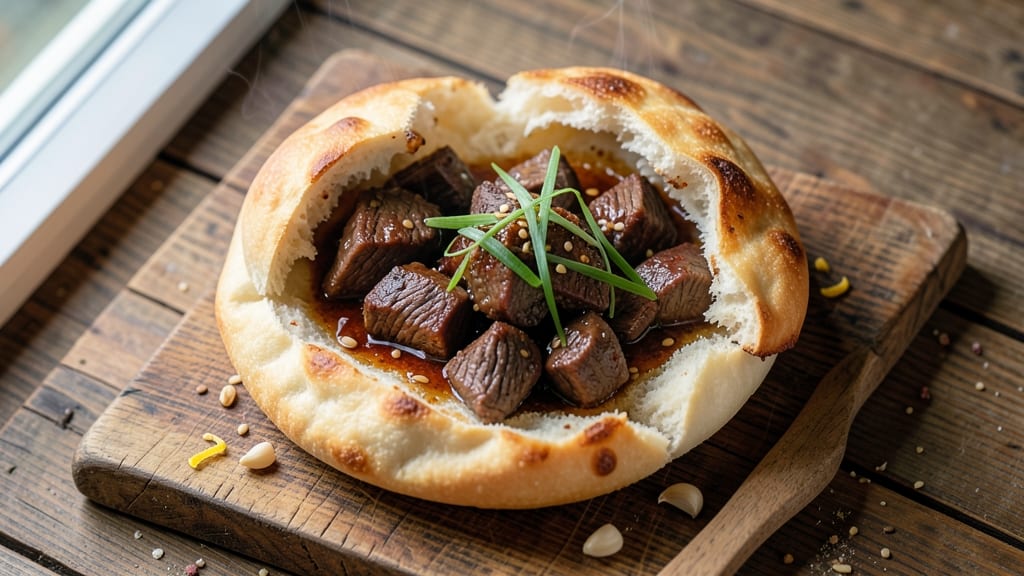
This beef asado siopao recipe delivers juicy, tender beef wrapped in pillowy, steamed buns that taste like a Filipino street food feast. The secret lies in marinating the beef overnight with garlic, soy sauce, and calamansi for maximum flavor, then slow-cooking it until it practically falls apart.
I’ve perfected this recipe after years of testing—whether you grill the beef or use an oven, the result is always restaurant-quality.
The siopao dough gets its signature texture from a touch of baking powder and a long rise, creating buns that stay soft and slightly chewy even after baking. The filling is where the magic happens: tender beef mixed with caramelized onions and a hint of vinegar for brightness.
Every bite combines crispy, golden-brown edges with a melt-in-your-mouth center, making this dish impossible to resist.
What sets this recipe apart is the balance of traditional techniques and modern convenience. While the beef is best cooked over charcoal for that authentic smoky flavor, you can adapt it to an oven or slow cooker.
The siopao can be steamed or baked, giving you flexibility based on your kitchen setup. The result is a dish that’s hearty enough for a family dinner but still feels special enough for a weekend treat.
Serve these siopao with a side of tangy tomato sauce or a simple green salad to cut through the richness. The aroma alone will have everyone gathered around your table, and the first bite will have them asking for seconds.
Let’s get started on making this Filipino classic your new favorite.
Ingredients for beef asado siopao
Sixteen ingredients, two days of flavor building—this is Filipino comfort food at its best.
| Ingredient | Amount | Notes |
|---|---|---|
| Beef Chuck Roast 🥩 | 2 lb | Cut into 1-inch cubes |
| Garlic Cloves 🧄 | 8 cloves | Minced for marinade |
| Soy Sauce 🥄 | ½ cup | Low-sodium preferred |
| Calamansi Juice 🍋 | ¼ cup | Or substitute lime juice |
| Brown Sugar 🍚 | ¼ cup | Packed light |
| Black Peppercorns 🌶️ | 1 tsp | Freshly ground |
| Onions 🧅 | 2 whole | Yellow, sliced thin |
| White Vinegar 💧 | 2 tbsp | For brightness |
| All-Purpose Flour 🌾 | 4 cups | Plus 1 tbsp for dusting |
| Instant Yeast 🍞 | 0.03 oz | 1 packet (2 1/4 tsp) |
| Granulated Sugar 🍚 | 1 tbsp | For dough |
| Baking Powder 🍞 | 1 tsp | For pillowy texture |
| Salt 🧂 | 1 tsp | Plus extra for dough |
| Vegetable Oil 🫒 | ½ cup | For dough |
| Warm Water 💧 | 1 ¼ cups | 110°F for yeast |
The beef is where the magic starts. Chuck roast gives you that melt-in-your-mouth texture—sirloin stays too tough. Grab it from the butcher counter or pre-cubed section at Costco or Trader Joe's for convenience. Look for good marbling, not lean cuts. I marinate mine overnight (24 hours minimum) to let those flavors sink in. Calamansi juice is the secret—if you can't find it, lime juice works in a pinch, but it won't be exactly the same. The soy sauce should be the kind without added preservatives, like Kikkoman or Lee Kum Kee brands.
No calamansi? Lime juice plus a pinch of salt gets you close. The onions need patience—slow-cook them until caramelized for that sweet depth. Diamond Crystal baking powder gives better rise than generic brands, but any baking powder works if you don't have it. The dough is forgiving, but don't rush the rise. Let it double in size—at least 1 hour—for those signature pillowy buns. If your kitchen's too warm, place the bowl in a turned-off oven with light on to help it rise steadily. The beef can be cooked on the grill, in the oven, or even a slow cooker—just keep it tender.
Marinated beef keeps 3 days in the fridge, but cook it within 24 hours for best texture. The dough can be made a day ahead—just refrigerate it covered until ready to use. Freeze unbaked siopao for up to 3 months by wrapping them tightly in plastic. To reheat, steam for 5-7 minutes or bake at 350°F for 10-12 minutes until golden. Leftovers? These reheat beautifully—just a quick steam or microwave with a damp paper towel to keep them moist. Make a double batch—they disappear fast.
Why You'll Love This Recipe
- One-Pot Magic: I swear by this recipe—just sear the beef, toss in the garlic, soy, and brown sugar, then let it slow-cook. No flipping, no fussing, no extra pans. The calamansi juice ties everything together while you’re doing laundry or scrolling through your phone.
- Umami Bomb: That beef chuck roast? It gets so tender it falls apart at the touch of a fork, but the real star is the sauce—garlic, soy, and brown sugar caramelize into something dangerously addictive. Honestly, I’ve caught myself licking the spoon mid-stir.
- Leftover Lifesaver: This recipe actually begs to be made extra. The beef stays moist for days, so I prep a big batch on Sundays and turn leftovers into siopao fillings, sandwiches, or even loaded rice bowls. (Yes, even on a Tuesday night.)
- Budget Flex: A single chuck roast feeds my whole family and then some—no fancy cuts, no wasted money. The soy and brown sugar stretch the flavor without breaking the bank, and calamansi juice adds that bright, local touch without costing a fortune. My wallet thanks me every time.
Step-by-step instructions for beef asado siopao
Here's how to make these pillowy siopao buns stuffed with tender, flavorful beef asado.
Marinate and Cook the Beef Asado Filling
Cut the 2 lb beef chuck roast into 1-inch cubes and place them in a large bowl. Add the 8 cloves minced garlic cloves, 0.5 cup soy sauce, 0.25 cup calamansi juice, 0.25 cup packed brown sugar, 1 tsp freshly ground black peppercorns, and 2 tbsp white vinegar. Mix everything thoroughly until the beef is fully coated in the marinade.
Cover the bowl and refrigerate for at least 4 hours (overnight is even better). After marinating, transfer the beef to a skillet and cook over medium-high heat for 10-12 minutes, stirring occasionally, until the beef is tender and slightly caramelized. You'll know it's ready when the liquid reduces and the beef pulls apart easily. Let it cool completely before using as filling.
Prepare the Siopao Dough
In a large mixing bowl, combine the 4 cups all-purpose flour, 1 tbsp granulated sugar, 1 tsp baking powder, 1 tsp salt, and the 0.03 oz instant yeast. Mix these dry ingredients together until evenly distributed. In a separate bowl, whisk together the 0.5 cup vegetable oil and 1.25 cups warm water (110°F).
Make a well in the center of the dry ingredients and pour in the oil and water mixture. Using a wooden spoon or your hands, stir until a shaggy dough forms. Knead the dough on a lightly floured surface for about 8-10 minutes until it becomes smooth and elastic. If the dough feels too sticky, add a little more flour, but don't overdo it—just enough to make it manageable.
Let the Dough Rise
Shape the dough into a ball and place it back in the mixing bowl. Cover the bowl with a clean kitchen towel or plastic wrap and let it rise in a warm place for 1-2 hours, or until it has doubled in size. You'll know it's ready when you poke it gently and the indentation remains.
While the dough is rising, slice the 2 whole onions thinly. These will be used to create a beautiful, caramelized layer between the dough and the filling, adding extra flavor and texture to each siopao.
Assemble and Steam the Siopao
Once the dough has risen, punch it down to release the air and divide it into 6 equal portions. Roll each portion into a ball and flatten it slightly into a disc. Place about 2 tablespoons of the cooked beef asado in the center of each disc, then place 2-3 slices of the thinly sliced onions on top. Gently wrap the dough around the filling, sealing it tightly to create a neat, round package.
Arrange the siopao in a steamer basket lined with parchment paper, leaving a little space between each one so they steam evenly. Cover with a damp towel and steam over boiling water for 20-25 minutes, or until the siopao are golden brown and sound hollow when tapped gently. Be careful not to overcrowd the steamer—this ensures each siopao steams evenly and develops that perfect pillowy texture.
Serve Warm and Enjoy
Remove the siopao from the steamer and let them cool for 5 minutes before serving. The buns should be soft and fluffy on the inside with a slightly crispy exterior. Slice each siopao in half and serve warm, revealing the juicy beef asado and caramelized onions inside.
These siopao are best enjoyed fresh out of the steamer. Pair them with a side of extra soy sauce or a simple green salad for a complete meal. The combination of the tender beef, sweet and tangy filling, and soft, pillowy dough makes every bite worth it!
Pro Tips For Making Beef Asado Siopao
- Sear the Chuck First: Hit that beef chuck with a screaming-hot pan for 3-4 minutes per side before slow cooking—it builds flavor crust that won’t dissolve in the braise. I learned this the hard way after my first batch turned out bland; the sear locks in the juices and gives the asado that deep, caramelized edge.
- Mince Garlic Like Mad: No big chunks—finely mince those garlic cloves (almost paste-like) so they dissolve into the sauce instead of sitting as flavorless bits. I used to chop them roughly, and they’d just float in the liquid like decorative garnish. This makes a real difference in every bite.
- Deglaze Aggressively: After searing the beef, scrape every last bit of browned bits from the pan with your spoon—those bits are pure flavor. Add just enough soy sauce and calamansi juice to deglaze, then simmer until thickened. Skip this, and you’re missing the umami backbone of the dish.
- Balance the Sweet-Sour: Taste your sauce mid-cook—if it’s too sweet, add a splash of calamansi juice; if it’s too sharp, stir in a pinch of brown sugar. I was skeptical until I tried it: the balance between the two is what makes the siopao filling sing. Adjust in small increments.
Regional styles of this recipe
Filipino Street Food
This recipe is a modern twist on classic Filipino street food, where beef asado—traditionally grilled—gets wrapped in siopao, a soft, steamed bun. In Manila's bustling markets, vendors serve these as quick bites, but this version lets you recreate that authentic flavor at home.
The beef marinade mirrors traditional asado techniques, while the dough achieves that signature pillowy texture. 🌟
Look for calamansi juice in Asian markets—it’s the key to that bright, tangy flavor. If unavailable, lime juice with a pinch of salt works, but purists will notice the difference.
The onions are caramelized separately to add sweetness that balances the savory beef. This fusion of grilled meat and steamed bun is what makes it so irresistible.
Texas BBQ Style
For a bold American twist, swap the soy sauce for 2 tbsp smoked paprika and 1 tbsp brown sugar in the marinade, then slow-cook the beef in a smoker at 250°F for 4-5 hours until fork-tender.
The result? A smoky, tender filling that pairs perfectly with the soft siopao. Top with pickled jalapeños and crumbled cotija cheese for a Tex-Mex fusion. 🔥
Use whole wheat flour in the dough for a heartier bun, and brush the tops with garlic butter before steaming. Serve with a side of smoky BBQ sauce for dipping—this version turns your siopao into a BBQ joint favorite.
The contrast of smoky beef and buttery buns is pure comfort food magic.
Japanese Okonomiyaki Fusion
Transform this into okonomiyaki-style siopao by adding shredded cabbage and green onions to the beef filling. Mix in 1 tbsp okonomiyaki sauce and 1 tsp grated ginger for extra depth.
The dough can be made slightly thicker to hold the filling better. Top with beni shoga (red pickled ginger) and Japanese mayo for a savory-sweet kick. 🍳
For an extra crispy texture, pan-fry the assembled siopao in vegetable oil for 2-3 minutes per side before steaming. This creates a golden crust while keeping the inside soft. Garnish with bonito flakes and seaweed strips for that classic okonomiyaki touch. It’s a fun, interactive dish to share!
Korean Bulgogi Siopao
Swap the beef for bulgogi-marinated beef (soy sauce, pear puree, sesame oil, and brown sugar) and add thinly sliced pear to the filling for natural sweetness. The dough stays the same, but the flavor profile shifts to a sweet-savory balance.
Top with sesame seeds and thinly sliced green onions for a Korean-inspired twist. 🌶️
For extra richness, brush the steamed siopao with sesame oil and sprinkle with toasted sesame seeds. Serve with a side of kimchi or spicy gochujang sauce for dipping. This version keeps the soft, pillowy texture while delivering bold, umami-packed flavors that Koreans will love.
Nutrition facts
Frequently asked questions
Can I make the beef asado filling ahead of time?
The beef marinade tastes best when refrigerated for at least 24 hours, but you can cook it up to 3 days ahead. Store it in an airtight container in the fridge. Reheat gently in a skillet before using as filling—just add a splash of water to prevent drying out. The dough, however, should be made fresh or refrigerated for up to 24 hours before shaping.
What if I don’t have calamansi juice?
No problem! Use lime juice with a pinch of salt for brightness, or substitute with lemon juice. For extra depth, add 1 tsp fish sauce to the marinade. The flavor won’t be identical, but it’ll still be delicious. Filipino markets often carry calamansi, but Asian grocery stores usually stock it too.
Can I bake the siopao instead of steaming?
Preheat your oven to 375°F and bake the assembled siopao on a parchment-lined tray for 15-20 minutes until golden brown. Brush the tops with a little oil or egg wash for extra shine. Baking gives a slightly crispier exterior while keeping the inside soft. Just watch closely—they burn easily!
Why did my siopao turn out dense instead of pillowy?
Dense siopao usually means the dough didn’t rise enough or was overworked. Make sure your yeast is fresh and the water is 110°F (not too hot). Let the dough rise in a warm spot until it doubles in size—at least 1 hour. Also, avoid over-kneading, which can develop gluten too much. For extra fluffiness, use baking powder and let the dough rest after kneading.
How do I store leftover siopao?
Let them cool completely, then store in an airtight container at room temperature for 1 day. For longer storage, refrigerate for up to 3 days or freeze for 3 months. To reheat, steam for 5-7 minutes or bake at 350°F for 10-12 minutes until warm. Wrap them in foil to keep them moist.