
Main Courses
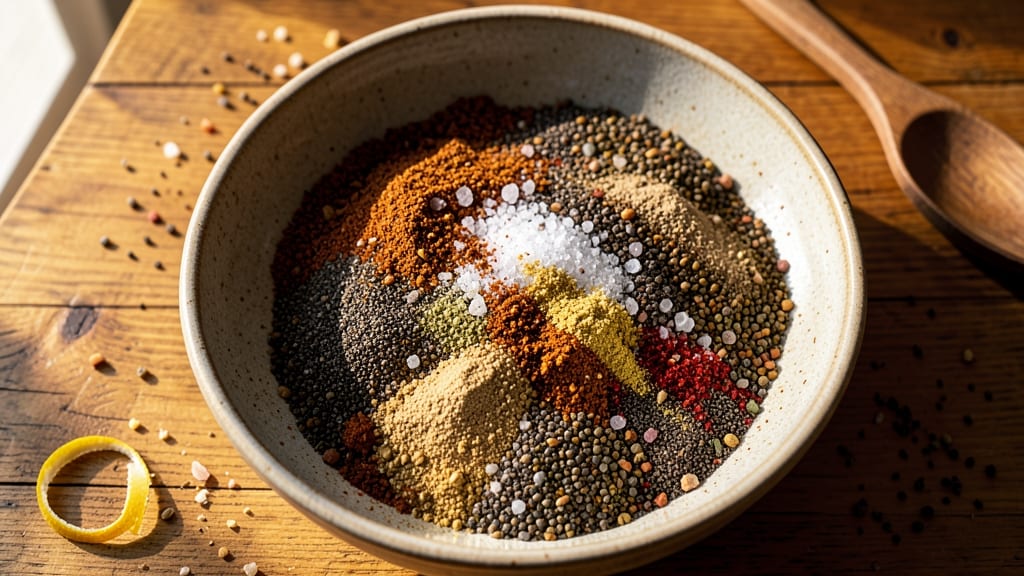
This beef back ribs dry rub recipe delivers a smoky-spiced crust that clings to every tender bite, transforming tough ribs into showstopping centerpieces. The secret lies in balancing sweet, smoky, and savory notes—brown sugar for caramelization, smoked paprika for depth, and black pepper for a subtle kick.
I developed this blend after testing countless variations, and it consistently produces that coveted bark that falls off in perfect layers.
The foundation of this rub is simple but powerful: coarse kosher salt to enhance natural beef flavors, garlic powder for aromatic punch, and onion powder to build complexity.
What sets this apart is the addition of mustard powder, which adds a faint tang that cuts through the richness while helping the rub adhere. Each ingredient plays a specific role, working together to create a flavor profile that's both bold and balanced.
When applied correctly, this dry rub creates a deeply caramelized crust that develops during the cooking process, locking in moisture while delivering intense flavor with every bite. The spices penetrate the meat gradually, ensuring each slice offers layers of smoky, slightly sweet, and savory satisfaction.
This isn't just seasoning—it's the difference between good ribs and unforgettable ribs.
The beauty of this blend is its versatility—use it on beef back ribs, pork shoulders, or even chicken thighs for that same restaurant-quality bark. Store any leftovers in an airtight container for up to three months, ready to elevate your next slow-cooked masterpiece.
Let's build this flavor-packed rub that will have everyone asking for seconds.
Ingredients for beef back ribs dry rub
Nine spices and sugars that transform tough ribs into flavor bombs every time.
| Ingredient | Amount | Notes |
|---|---|---|
| Coarse Kosher Salt 🧂 | ½ cup | Diamond Crystal preferred for texture |
| Smoked Paprika 🌶️ | ¼ cup | High-quality for authentic smoke flavor |
| Light Brown Sugar 🍯 | ¼ cup | Packed for caramelization |
| Garlic Powder 🧄 | 2 tbsp | Freshly ground preferred |
| Onion Powder 🧅 | 2 tbsp | For aromatic depth |
| Mustard Powder 🌶️ | 1 tbsp | Yellow mustard powder works best |
| Ground Black Pepper 🌶️ | 1 tbsp | Freshly cracked for intensity |
| Ground Cumin 🌿 | 1 tbsp | Toasted for deeper flavor |
| Ground Coriander 🌿 | 1 tbsp | Citrusy note balances richness |
| Cayenne Pepper 🔥 | ½ tbsp | Adjust for heat preference |
The kosher salt is non-negotiable here—Diamond Crystal gives you those perfect, even crystals that cling beautifully to the ribs. Penzeys or bulk bins at natural markets are your best bets for quality spices. Smoked paprika can vary wildly in intensity, so look for brands labeled 'hot smoked' if you want extra punch. The brown sugar should be light, not dark—it caramelizes better and won't overpower the smoky flavors. I always buy my spices in small quantities because freshness matters more than I realized when I first started making this rub.
No smoked paprika? Regular paprika plus a pinch of liquid smoke gets you close. Mustard powder hard to find? Dijon mustard powder works, or use regular mustard powder at half the amount. The cayenne is optional but recommended—start with half the amount if you're sensitive to heat. For extra depth, toast your cumin seeds in a dry pan for 30 seconds before grinding. The garlic and onion powders should be fresh—if they smell stale, toss them. This blend works on chicken thighs too, just reduce the cayenne by half since poultry is more delicate.
Store this rub in an airtight container in a cool, dark place for up to 6 months. The salt helps preserve the spices, so you won't lose potency quickly. I make a triple batch every time because it disappears fast—once it's on the ribs, it's gone. The rub keeps its flavor even after multiple uses, but if it starts smelling off, it's time for a fresh batch. For extra convenience, portion into small containers so you always have some ready for your next cookout.
Why You'll Love This Recipe
- Five-Minute Mix: This rub comes together faster than I can say "smoky flavor." Just toss those five ingredients in a bowl—no sifting, no measuring cups—and you’re done. Honestly, the hardest part is deciding whether to use a spoon or my fingers to stir.
- Smoky-Sweet Magic: That smoked paprika and brown sugar combo? It’s what turns tough ribs into something unforgettable. The garlic and onion powders sneak in depth without overpowering, while the salt cuts through the richness—like a perfect balance of campfire and comfort.
- Tailgate or Tuesday: Between us, this rub works just as well for a backyard cookout as it does for my lazy Sunday dinner. Slap it on ribs, let them slow-cook, and suddenly you’ve got a dish that feels special without the fuss. (Yes, even on a Tuesday night.)
- Leftovers That Don’t Suck: The best part? These ribs taste even better the next day. I’ll wrap them up, reheat with a splash of water, and boom—crispy, flavorful leftovers that don’t need a sauce to shine. My wallet (and my lunchbox) thank me every time.
Step-by-step instructions for smoky-spiced beef back ribs
This dry rub delivers a deep, complex crust that clings to ribs all day long.
Combine All Dry Ingredients in a Large Bowl
In a large mixing bowl, add the 0.5 cup coarse kosher salt, 0.25 cup smoked paprika, 0.25 cup light brown sugar, 2 tbsp garlic powder, 2 tbsp onion powder, 1 tbsp mustard powder, 1 tbsp ground black pepper, 1 tbsp ground cumin, 1 tbsp ground coriander, and 0.5 tbsp cayenne pepper. I use a whisk for this step to ensure even distribution of the cayenne—it's easy to miss spots if you just stir with a spoon.
The smoked paprika and cayenne need special attention here. Sprinkle the cayenne over the other ingredients first, then gently toss the bowl to prevent any one area from getting too concentrated. The light brown sugar should look evenly coated with all the spices by the time you're done—this means your rub is ready for maximum flavor adhesion.
Mix Thoroughly Until Uniform in Color and Texture
Use your hands to work the mixture for about 2 minutes, pressing the spices together between your fingers. This breaks up any clumps and ensures every particle gets coated with the sugar and salt. You're looking for a uniform color—no more visible streaks of pure white sugar or dark paprika.
Here's the thing—this isn't just about mixing. You want the rub to have a slightly gritty texture with fine particles. If it feels too powdery, add a pinch more salt to help bind the spices together. The mustard powder will give it a subtle tang that balances the sweetness, so don't skip that final press of the ingredients.
Store Properly for Maximum Freshness
Transfer the finished rub to an airtight container with a tight-sealing lid. I use a small mason jar for this—it keeps the spices fresh and makes it easy to shake out exactly what you need. Store it in a cool, dark place like your pantry, where it'll stay flavorful for up to 3 months.
If you're prepping for a cookout, make this rub a day ahead. The spices have time to meld slightly, giving you even deeper flavor when you apply it to the ribs. Just give it a good shake before using—spices settle over time, and you want that even distribution when you coat your meat.
Apply Generously to Ribs Before Cooking
When you're ready to cook, apply the rub generously to all surfaces of the beef back ribs. I like to use about 2 tablespoons of the rub per pound of meat, pressing it firmly into the meat so it adheres well. Don't be shy—this is what creates that amazing bark we're after.
Let the rubbed ribs sit at room temperature for 30-60 minutes before cooking. This allows the rub to penetrate slightly and gives you that perfect crust formation when you hit the heat. If you're short on time, at least let them sit for 15 minutes—you'll still get great results, but the maximum flavor comes from that full hour.
Pro Tips For Making Beef Back Ribs Dry Rub
- CRANK THE HEAT FIRST: Start your ribs on the hottest part of the grill or in a screaming-hot oven (475°F/245°C) for the first 30 minutes—this sears the sugar in the rub and locks in flavor before you lower the temp. I used to play it safe with medium heat, and the crust always tasted underwhelming.
- MEASURE SALT BY WEIGHT: Kosher salt varies wildly in density—if your recipe calls for 2 tablespoons, weigh it out (about 28g) instead of eyeballing it. Too much salt upfront will dry out the ribs before they render fat, and too little means you’ll be chasing flavor the whole time.
- SKIP THE SUGAR IF IT’S HUMID: Brown sugar draws moisture from the air, and if your kitchen is damp or you’re cooking outdoors with high humidity, it’ll make your rub sticky and clump before it even hits the meat. Store your rub in an airtight container with a silica packet to keep it dry.
- REST THE RIB RACKS BEFORE RUBBING: Pat the ribs completely dry with paper towels, then let them sit uncovered on a wire rack for 20–30 minutes—this evaporates surface moisture so the rub sticks like glue. I learned this after my first batch slid off in chunks during cooking (yes, it’s embarrassing).
Wine and beer pairings for this dish
Bold Red Wine Pairings
A full-bodied Cabernet Sauvignon from Napa Valley is my go-to choice for beef back ribs—its dark fruit notes and firm tannins stand up to the smoky, spicy rub while complementing the caramelized crust. Look for a 2018 or newer vintage with at least 14.5% ABV to match the dish's richness.
The wine's blackcurrant and cedar flavors harmonize beautifully with the cumin and coriander in the rub. 🍷
For a slightly lighter option, try a Malbec from Argentina—its velvety texture and plum flavors bridge the sweet-savory balance of the ribs. I recommend Catena Zapata or Trapiche brands, which offer excellent value without sacrificing quality. The wine's natural acidity cuts through the fat, making each bite more refreshing.
Malty Amber Ales
When beer is the drink of choice, an amber ale with caramel and toasted malt notes creates perfect harmony. Fat Tire from New Belgium or Samuel Adams Boston Lager both work wonders—their malty sweetness mirrors the brown sugar in the rub while their subtle hop bitterness balances the smokiness.
Serve slightly chilled (50-55°F) to enhance the rib's caramelized crust. 🍺
For a more robust option, try a Belgian-style Dubbel like Westmalle Dubbel—its complex malt profile and hints of raisin complement the ribs' caramelized exterior. The beer's slight sweetness also helps cleanse the palate between bites, making it easier to enjoy the full flavor experience.
Whiskey Neat or on Ice
If you prefer spirits, bourbon or rye whiskey are excellent choices—their caramel and vanilla notes enhance the rub's brown sugar while the oak influence adds depth. I recommend Woodford Reserve or Buffalo Trace for their smooth profiles that won't overpower the ribs.
Serve neat or on ice to let the whiskey's character shine alongside the dish. 🥃
For a smokier pairing, try mezcal—its agave and peppery notes create an unexpected but delicious contrast with the ribs' sweet-spicy profile. The mezcal's natural heat also complements the cayenne in the rub, creating a balanced flavor experience that's hard to beat.
Non-Alcoholic Options
For those skipping alcohol, smoked black cherry soda makes a surprising match—the fruitiness complements the ribs' sweetness while the effervescence cleanses the palate. Try Jones Soda Smoked Cherry for a nostalgic, slightly smoky flavor that echoes the rub's paprika. Serve over ice for a refreshing contrast. 🍒
A ginger beer with a hint of spice also works beautifully—the ginger's zing cuts through the richness while its slight sweetness balances the rub's complexity. BrewDog Ginger Beer is my top pick for its bold flavor that stands up to the ribs' intensity.
Nutrition facts
Frequently asked questions
Can I use this dry rub on other meats besides beef back ribs?
This versatile rub works beautifully on pork shoulder, chicken thighs, and even lamb chops. For poultry, reduce the cayenne by half since it's more delicate. The sweet-savory balance makes it perfect for any slow-cooked meat that benefits from a flavorful crust.
How do I store leftover dry rub?
Transfer any unused rub to an airtight container and keep it in a cool, dark place for up to 3 months. A small mason jar works perfectly—just shake it well before using. The salt helps preserve the spices, so you won't lose potency quickly. For extra convenience, portion into small containers for quick access.
What can I substitute if I don't have smoked paprika?
Mix 1 tablespoon regular paprika with ½ teaspoon liquid smoke for a similar effect. The liquid smoke adds that smoky depth, though it won't be identical. For a more natural approach, try ½ teaspoon chipotle powder instead—it provides both heat and smokiness.
Why does my rub look clumpy after mixing?
Clumps happen when spices settle or moisture isn't evenly distributed. Break them up with your fingers or a fork before applying. For a smoother texture, add 1 teaspoon more coarse salt to help bind the spices. Store the rub in a jar and shake it well before each use to prevent future clumping.
Can I make this rub less spicy?
Yes! Reduce the cayenne to ¼ teaspoon or omit it entirely. The mustard powder already adds subtle tang, so you won't lose much flavor. For extra mildness, swap the cayenne with ½ teaspoon extra brown sugar to maintain sweetness while reducing heat.